Tonga’s archipelago sits where coral reefs, open ocean and small forested islands meet, creating habitats used by a unique mix of birds, fish and marine mammals. Visiting or studying the islands means encountering wildlife shaped by isolation and ocean currents.
There are 22 Tonga’s native animals, ranging from Brown booby to Whitetip reef shark; for each species the data is organized as Scientific name,Endemic,Main habitat — you’ll find below.
Are any of Tonga’s native animals threatened or protected?
Yes — several species face pressure from habitat loss, invasive species and overfishing. Check the IUCN Red List and local conservation listings for up-to-date status; Tonga also has marine protected areas and community efforts aimed at nesting sites and fishery management that help vulnerable populations.
How can I observe Brown boobies or Whitetip reef sharks responsibly?
Use licensed guides or operators who follow local rules: keep distance, avoid feeding or touching wildlife, wear reef-safe sunscreen, and use binoculars or guided snorkeling trips that minimize reef contact. Timing visits outside nesting or breeding peaks also reduces disturbance.
Tonga’s Native Animals
| Name | Scientific name | Endemic | Main habitat |
|---|---|---|---|
| Tongan megapode | Megapodius pritchardii | Yes | Niuafo’ou island forest and volcanic slopes |
| Pacific flying fox | Pteropus tonganus | No | Coastal and inland forests, villages |
| Coconut crab | Birgus latro | No | Coastal forests of outer islands and islets |
| Hawksbill turtle | Eretmochelys imbricata | No | Coral reefs and nesting beaches |
| Green turtle | Chelonia mydas | No | Seagrass beds, lagoons and nesting beaches |
| Humpback whale | Megaptera novaeangliae | No | Tongan offshore breeding and calving waters |
| Red-footed booby | Sula sula | No | Offshore islets and reef colonies |
| Brown booby | Sula leucogaster | No | Coastal cliffs and offshore islets |
| Great frigatebird | Fregata minor | No | Coastal rookeries and open ocean |
| White tern | Gygis alba | No | Nearshore trees, islets and coastal forests |
| Sooty tern | Onychoprion fuscatus | No | Pelagic zones; nests on remote islets |
| Pacific pigeon (Kukupa) | Ducula pacifica | No | Forest interiors, plantations on larger islands |
| Pacific golden plover | Pluvialis fulva | No | Beaches, mudflats and grasslands (seasonal) |
| Whitetip reef shark | Triaenodon obesus | No | Shallow coral reefs and lagoons |
| Grey reef shark | Carcharhinus amblyrhynchos | No | Outer reef slopes and drop-offs |
| Humphead (Napoleon) wrasse | Cheilinus undulatus | No | Coral reef slopes and lagoons |
| Giant clam (maxima) | Tridacna maxima | No | Reef flats and lagoonal coral habitats |
| Pacific gecko | Gehyra oceanica | No | Forest, shoreline vegetation, human structures |
| Pacific skink | Emoia impar | No | Forest edges, gardens, rocky shorelines |
| Spinner dolphin | Stenella longirostris | No | Offshore waters and reef passes |
| Giant trevally | Caranx ignobilis | No | Reefs, lagoons and nearshore coastal waters |
| Reef manta (Mobula alfredi) | Mobula alfredi | No | Coral reef cleaning stations and offshore waters |
Images and Descriptions

Tongan megapode
Critically endangered ground-nesting bird found mainly on Niuafo’ou; small populations are monitored. Uses geothermal-heated soil to incubate eggs. Rare and secretive, it’s a conservation priority and a unique part of Tonga’s avifauna.
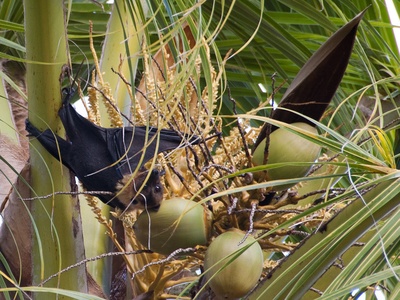
Pacific flying fox
Large fruit bat roosting in trees across Tonga’s islands. Common but locally depleted by hunting; important seed disperser and pollinator. Often seen in daytime roosts and on fruiting trees, culturally significant to islanders.
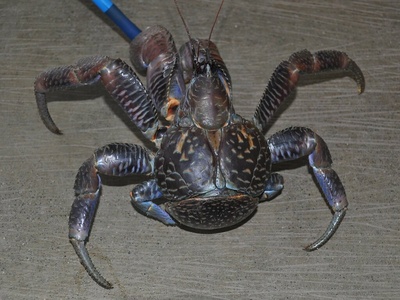
Coconut crab
The world’s largest land-living arthropod, found on Tonga’s outer islands. Nocturnal and able to climb palms to eat coconuts; vulnerable to overharvest and habitat loss. Iconic and noteworthy for its size and longevity.
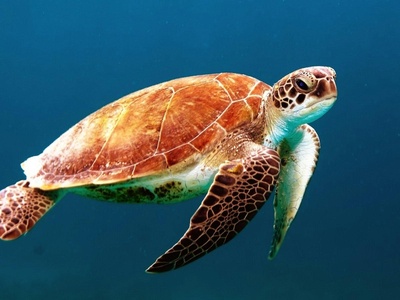
Hawksbill turtle
Critically Endangered sea turtle that forages on Tonga’s reefs and nests on some beaches. Rare and threatened by historic shell trade and habitat loss; important for coral reef health and biodiversity.
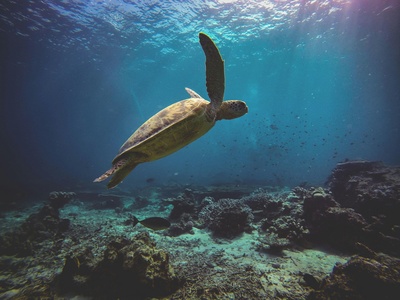
Green turtle
Endangered marine turtle that nests on Tongan beaches and forages in lagoons and seagrass beds. Monitored locally; larger and more common around some islands than hawksbills, culturally and ecologically important.
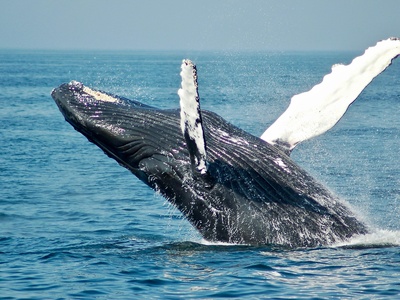
Humpback whale
Migratory breeders visit Tonga seasonally (roughly June–November) to calve and sing; Vava’u is a famed whale-watching area. Population recovery has made them a major ecotourism draw and conservation success story.
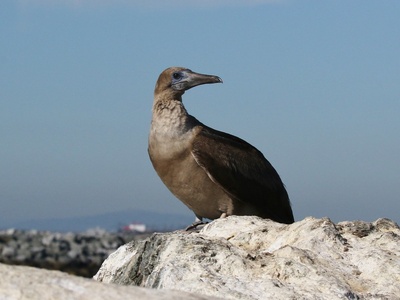
Red-footed booby
Aerial seabird nesting on remote islets around Tonga, recognizable by red feet. Forms breeding colonies, dives for fish, and is commonly seen from boats and shorelines across island groups.
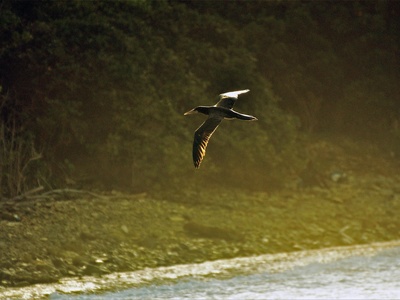
Brown booby
Widespread seabird that nests on Tonga’s islands in colonies. Large, strong divers that feed on schooling fish; commonly observed by visitors and important to island coastal ecosystems.
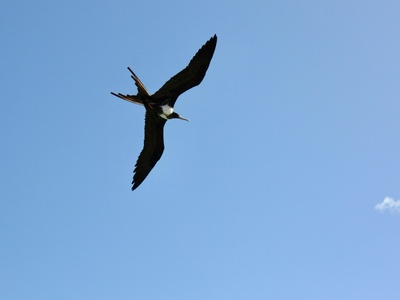
Great frigatebird
Large, agile seabird with males sporting inflatable red throat pouches during breeding displays. Nests on remote islets, often seen soaring above waters and pirating food from other birds.
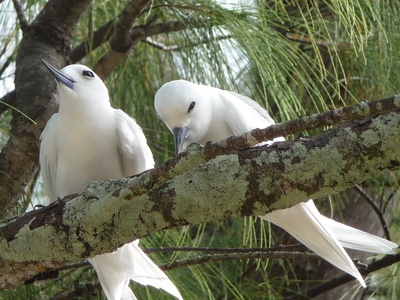
White tern
Small pure-white seabird common on Tonga’s islets, famous for laying eggs on bare branches without building nests. Frequently seen around villages and shorelines; bold and conspicuous near settlements.
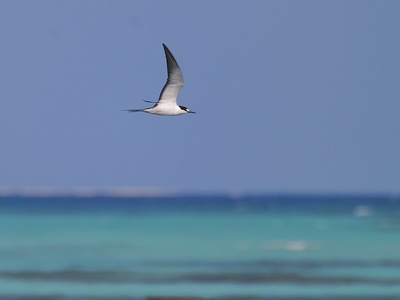
Sooty tern
A pelagic seabird forming dense breeding colonies on Tonga’s offshore islets. Spends most life at sea but returns to nest, important for island nutrient cycles and seabird diversity.
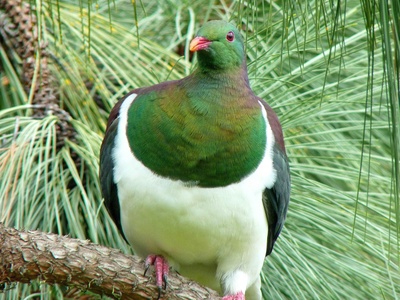
Pacific pigeon (Kukupa)
Large fruit-eating pigeon common in Tonga’s forests and gardens. Important seed disperser, occasionally hunted; often seen on larger islands where forest patches remain.
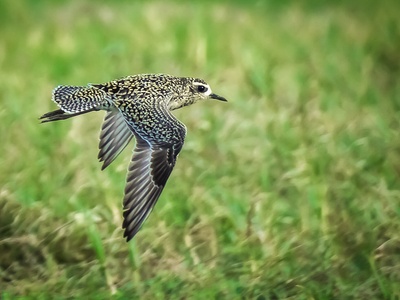
Pacific golden plover
A regular migratory visitor that winters in Tonga after long-distance flights from breeding grounds. Often seen in open areas near shorelines; admired for its reliable migration timing and striking breeding plumage back home.
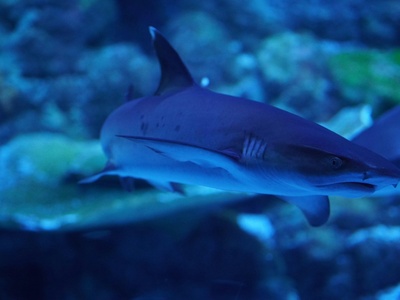
Whitetip reef shark
Small, reef-associated shark commonly resting in caves and crevices on Tonga’s coral reefs. Important mid-level predator; frequently seen by snorkelers and divers in clear lagoon waters.
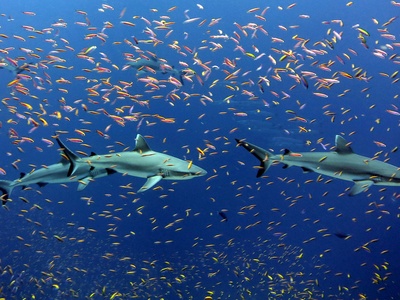
Grey reef shark
A common larger reef predator around Tonga’s offshore reefs. Prefers clear drop-offs, important for healthy reef ecosystems, and occasionally encountered by divers near deeper fringing reefs.
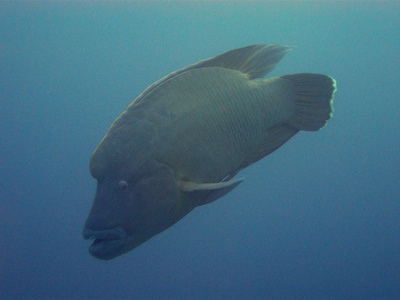
Humphead (Napoleon) wrasse
Large, charismatic reef fish found on Tonga’s coral reefs; can exceed two metres. Endangered from overfishing and slow reproduction, notable for its bright colors and important ecological role in reef health.
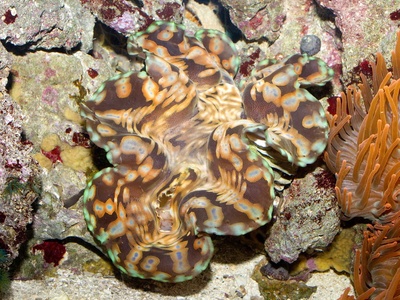
Giant clam (maxima)
Colorful, symbiotic clams common on Tonga’s reefs that host algae in their tissues. Filter feeders contributing to reef ecology; historically collected but still present on healthy reefs.
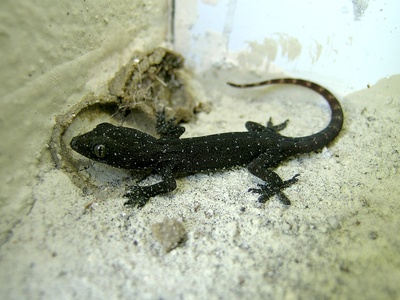
Pacific gecko
A small nocturnal gecko widespread in Tonga, often seen on buildings and trees. Tolerant of humans, insectivorous, and a familiar backyard reptile that helps control pests.
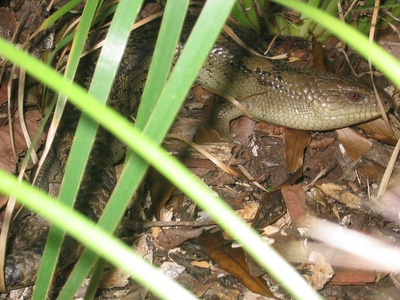
Pacific skink
Common small skink across Tonga’s islands. Abundant, diurnal, quick-moving, and often seen basking on rocks or logs; feeds on insects and helps control invertebrate populations.
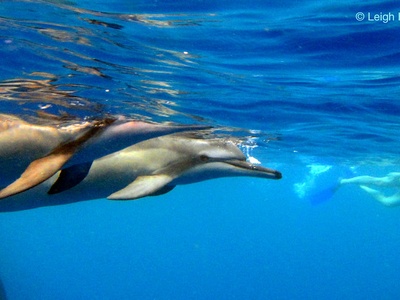
Spinner dolphin
Acrobatic, social dolphins frequenting Tonga’s bays and channels. Often seen in large pods near reefs, they are popular with wildlife tours and notable for spectacular spinning leaps.
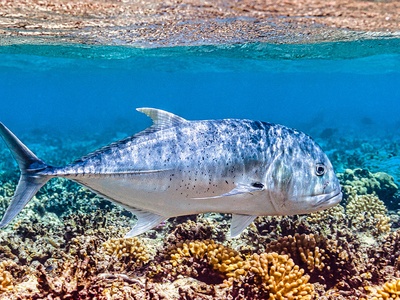
Giant trevally
Powerful predatory fish common around Tonga’s reefs and coastal areas. Valued by anglers, can grow very large and is known for strong, athletic fights when hooked.
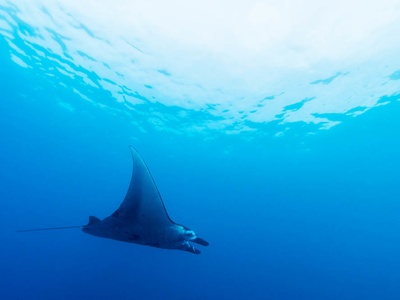
Reef manta (Mobula alfredi)
Large filtering ray visiting Tonga’s reefs to feed and be cleaned at cleaning stations. Charismatic megafauna often encountered by divers; vulnerable to disturbance and prized by marine ecotourism.