Nearly 60% of the world’s population lives in tropical or subtropical regions, so choosing the right cat matters for health, comfort, and grooming needs. If you’re searching for cat breeds for warm climates, this guide points to breeds with coats, body types, and behaviors that reduce heat stress and simplify care. Expect clear, practical tips on sun protection, hydration, grooming frequency, and safe outdoor time—plus specific numbers to help you plan (for example, many of the hairless and short-coated breeds do best with shaded indoor temps around 20–24°C / 68–75°F). I’ll group the list into three categories—short-haired and hairless, light-colored/low-undercoat, and tropical-origin breeds—and give quick, actionable care notes for each one.
Short-haired and Hairless Breeds (Naturally Suited to Heat)
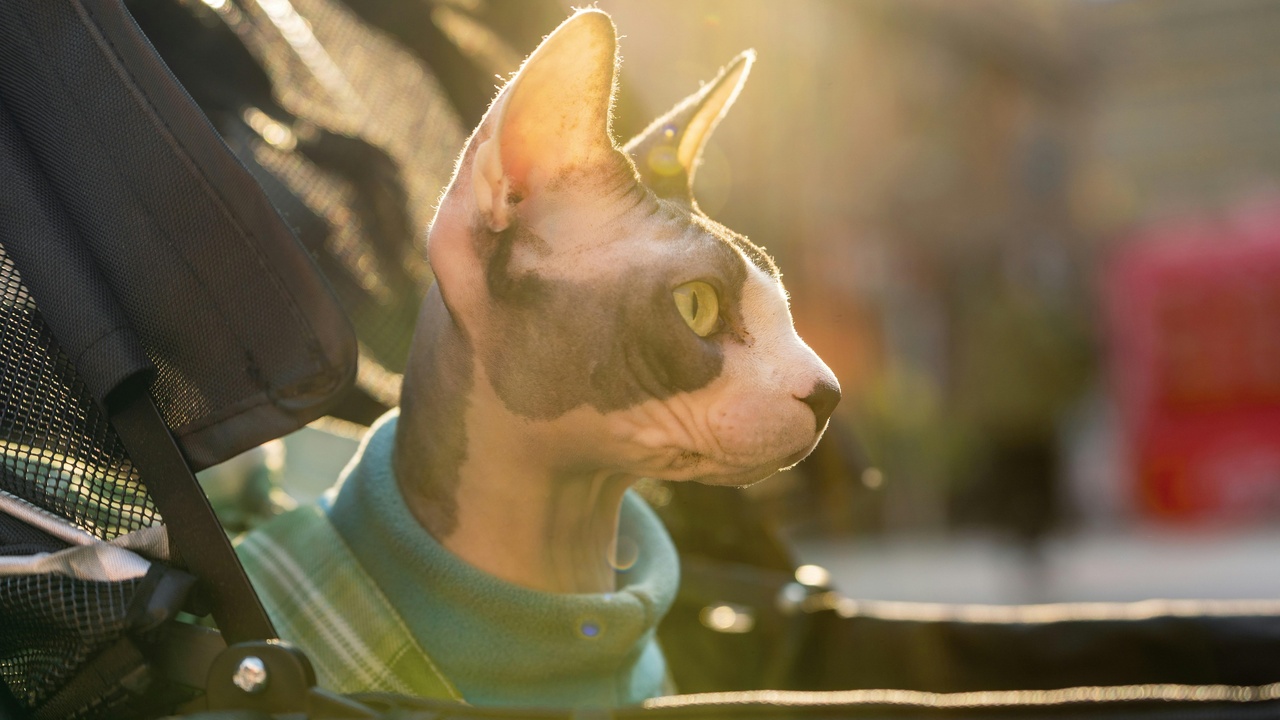
Breeds with minimal undercoats and short or no fur shed body heat more effectively than thick-coated cats. That reduced insulation helps them stay comfortable in high ambient temperatures, but it also brings new care needs: hairless cats can sunburn, short-coated breeds still need hydration and shade, and all benefit from cool resting spots like tile or shaded perches.
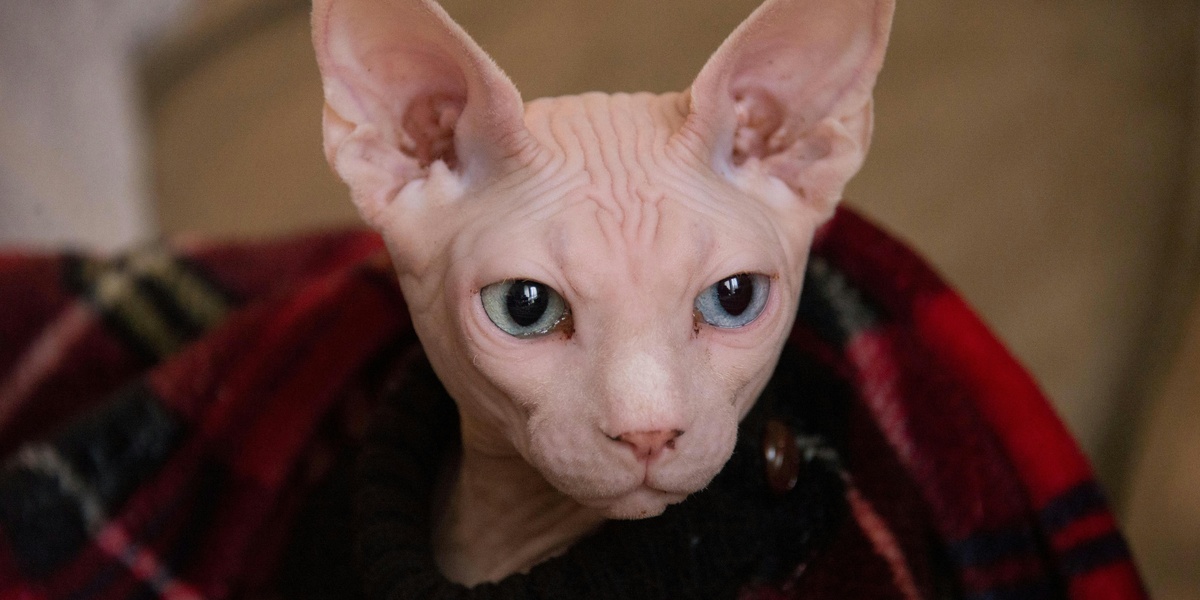
Veterinarians advise sun protection for hairless cats (sunscreen made for pets or sun-blocking garments) and weekly skin care—Sphynx owners commonly bathe pets once a week to remove oil buildup. Short-coat varieties typically need only light brushing but still require monitoring for overheating during heat waves.
1. Sphynx — The hairless companion that tolerates warmth
The Sphynx is hairless, which lets heat escape from the skin rather than being trapped by fur. The first Sphynx-type litters appeared in Toronto in the 1960s, and the breed earned CFA recognition in 1979.
Adults typically weigh about 6–12 lbs and live roughly 8–14 years. Because they lack fur, Sphynx cats produce skin oils that require weekly gentle baths and regular ear cleaning.
Sunburn is a real risk—many veterinarians recommend keeping hairless cats indoors during peak sun and using pet-safe sunscreen on exposed skin if outdoor time is unavoidable. Maintain shaded areas and indoor temps around 20–24°C (68–75°F).
2. Cornish Rex — Velvet coat and a light layer of fur
The Cornish Rex has a single, short, curly coat that provides very little insulation, so it sheds heat well. The variety was first bred in Cornwall, UK, in the early 1950s and is known for a sleek, agile build.
Average adult weight ranges from about 6–10 lbs. These cats are active and playful, so provide shaded play areas and cool resting spots during hot afternoons.
Grooming is light—weekly brushing removes loose hairs and lets you check the skin for any unusual spots. Watch for chills at night if your home cools rapidly, but during warm days they’re comfortable and energetic.
3. Devon Rex — Small frame, thin coat, big personality
The Devon Rex wears a fine, short coat that helps dissipate heat. The breed emerged in the 1960s and is prized for its affectionate, people-oriented temperament.
Typical adult weight is about 5–9 lbs and lifespans often span 9–15 years. Many Devons love warm laps but also handle warmer ambient temperatures well.
Provide cool surfaces like tile or stone for them to stretch out on, and be cautious about midday sun if you allow supervised outdoor time. Regular ear and skin checks help catch issues early.
4. Egyptian Mau — Short, spotted coat and heat-adapted heritage
The Egyptian Mau’s short, ticked coat and historical association with warm regions mean it sheds heat efficiently. Ancient Egyptian art often depicts spotted cats, a nod to the breed’s long-standing link to hot climates.
Modern Maus usually weigh between 6–14 lbs and commonly live 12–16 years. They do well in warm indoor or supervised outdoor settings where shade and water are available.
Care is straightforward: moderate grooming, constant access to fresh water, and shaded climbing spaces. Their athleticism makes enrichment important, especially in cooler morning and evening hours.
Light-colored and Low-Undercoat Breeds (Reflect Heat and Breathe Easy)

Lighter coat colors reflect more sunlight, and thin undercoats let air circulate close to the skin. Together these traits lower heat absorption and help cats stay comfortable when temperatures rise.
Behavior matters too. Many of these breeds are crepuscular—most active at dawn and dusk—so schedule playtimes for cooler parts of the day and stock multiple water stations and breathable bedding spots around the home.
5. Siamese — Short, fine coat and a history from tropical islands
Siamese cats come from Thailand (historically Siam) and have a short, fine coat that suits warm climates. The breed was recognized by major registries in the late 19th century and became widely popular thereafter.
Average weight runs about 6–12 lbs and lifespans commonly fall in the 10–15 year range. They are vocal and social, so cooler sleeping surfaces and shaded high perches help them stay comfortable.
Practical tips: use ceramic bowls to keep water cooler and place them in shaded spots. Schedule interactive play in mornings and evenings when temperatures dip.
6. Oriental Shorthair — Sleek body, large ears, efficient cooling
The Oriental Shorthair pairs a lean build with large ears, both of which increase surface area for heat exchange. They have minimal undercoat and a sleek silhouette that helps dissipate warmth.
Typical weight is around 6–12 lbs. These cats are energetic, so plan play during cooler windows and offer elevated, shaded beds with good airflow.
Rescues and breeders in warm regions often place Orientals in homes with ceiling fans or shaded patios. Keep grooming light and focus on hydration and airflow.
7. Abyssinian — Ticked coat from hot highlands, built for movement
Abyssinians have a ticked, short coat and lean musculature that suit active movement and warm temperatures. The breed is often associated with Ethiopia and similar warm highland regions.
Average weight typically falls between 6–10 lbs and lifespans usually range from 9–15 years. They need mental and physical enrichment, so schedule exercise during cooler parts of the day.
Good strategies include cooling towers or raised shaded shelves, puzzle feeders used in morning hours, and plenty of shaded climbing spaces to match their natural activity patterns.
Robust, Tropical-Origin Breeds (Built for Heat and Humidity)

Breeds that originated in warm, humid regions often carry physiological and behavioral adaptations for heat tolerance. Across these tropical-origin breeds you’ll find traits like short satin coats, lean bodies, and social temperaments that suit hot-weather homes.
Owners in such climates should also prioritize parasite prevention and hydration, and consider secure outdoor options like catios for safe, shaded time outside.
8. Bengal — Short, dense fur and an athletic build from hybrid heritage
The Bengal combines a short, dense coat with a muscular, athletic body. Jean Mill developed the modern breed during the 1960s–1970s by crossing domestic cats with Asian leopard cats.
Bengals usually weigh about 8–15 lbs and often live 12–16 years. They tolerate warmer indoor temperatures well but have high activity needs that require enrichment and play in cooler parts of the day.
Secure supervised outdoor access or a sturdy catio is ideal because Bengals are curious and fast. Offer climbing structures in shaded areas and interactive toys to reduce attempts to escape into unsafe heat.
9. Burmese — Tropical origins, solid build, affectionate temperament
Burmese cats trace back to Myanmar and adapted to warm, humid conditions. Records of the breed’s emergence date to the late 19th and early 20th centuries, and modern Burmese were refined in the 20th century.
They typically weigh 6–12 lbs and have lifespans around 12–16 years. Their short, satin-like coat offers low insulation and minimal grooming requirements.
Because Burmese are highly social, ensure cool indoor retreats like fans, shaded perches, and multiple water bowls. Regular parasite prevention is especially important in warm climates.
10. Korat — Native to Thailand, a naturally tropical breed
The Korat hails from Thailand and carries a long cultural history in Thai tradition. Its short, single coat and moderate build suit warm, humid homes well.
Average weight is about 6–10 lbs and lifespans commonly fall between 10–15 years. Korats are indoor-friendly and appreciate window access to shaded verandas or covered outdoor spaces.
Keep grooming simple and focus on providing cool flooring, shaded high spots, and steady hydration. Their temperament makes them excellent companions for households that can provide attention and shaded space.
Summary
- Match breed traits—coat type, color, origin, and activity level—to your home climate and routine.
- Prioritize shade, plentiful fresh water (multiple bowls and ceramic bowls to keep water cooler), and parasite prevention in warm regions.
- Protect hairless cats from sunburn (weekly skin care and pet-safe sunscreen or sun shirts) and offer cool surfaces like tile or shaded perches.
- Consider secure outdoor options (a catio) and consult a veterinarian or local rescue for region-specific advice before adopting.