In 1997, Tonle Sap was named a UNESCO Biosphere Reserve — a recognition that highlights Cambodia’s extraordinary freshwater ecosystems and the unique animals that depend on them.
These ecosystems provide food, flood regulation, cultural identity and tourism income for millions of people. Forests store carbon and shelter river headwaters. Wetlands sustain fisheries and birdlife that draw international birders. Threats are accelerating, so the stakes are high.
From forest giants to rare river-dwellers and critically endangered birds, Cambodia’s wildlife tells a story of resilience, urgent conservation, and powerful reasons to protect intact habitats now.
Want to know which species best represent that story? Below are ten emblematic animals, grouped by habitat: forest ungulates and giants, river and wetland icons, and rare birds plus elusive carnivores. Each profile notes status, threats, and real-world conservation actions you can support.
Forest Giants and Ungulates
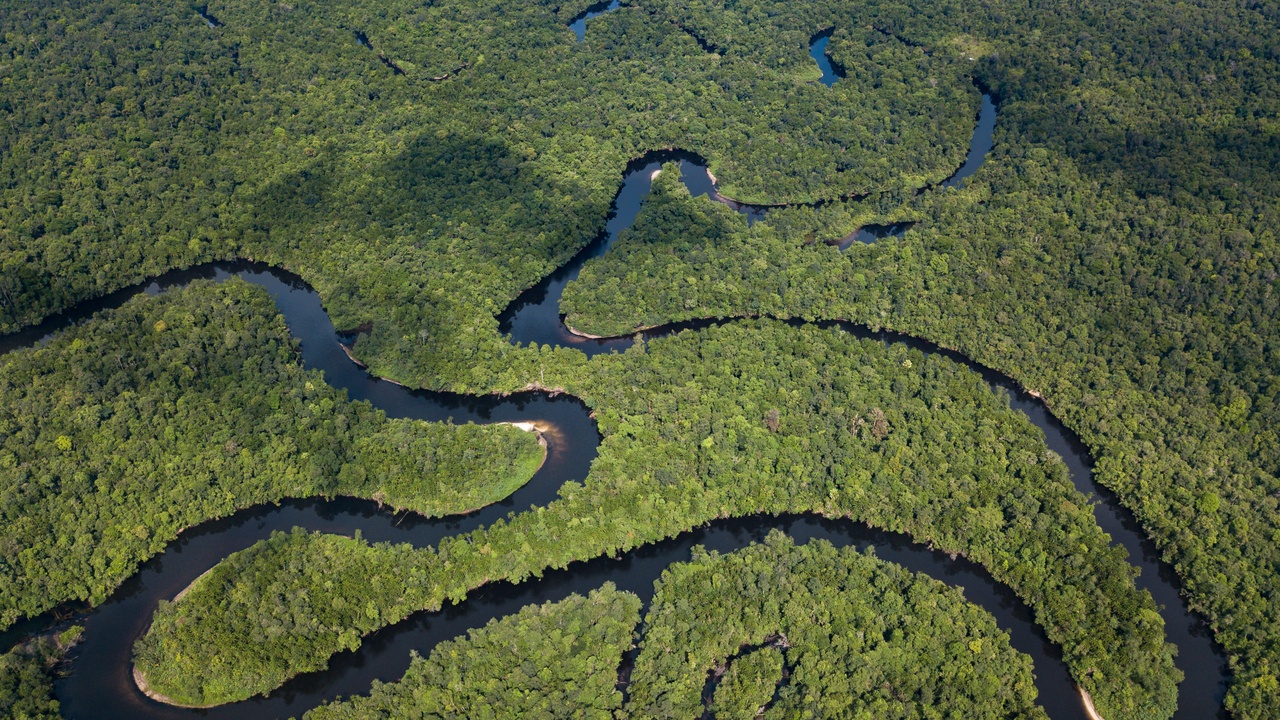
Cambodia’s remaining forests—notably the Cardamom Mountains and the Eastern Plains—are last refuges for large mammals. These areas host species that signal ecosystem health. Keo Seima Wildlife Sanctuary, for example, protects about 2,926 km² of habitat (established 2008) and supports targeted patrols and monitoring.
But deforestation, snares and poaching pressure persist. Protected areas and community patrols are central to keeping populations viable.
1. Asian Elephant (Elephas maximus)
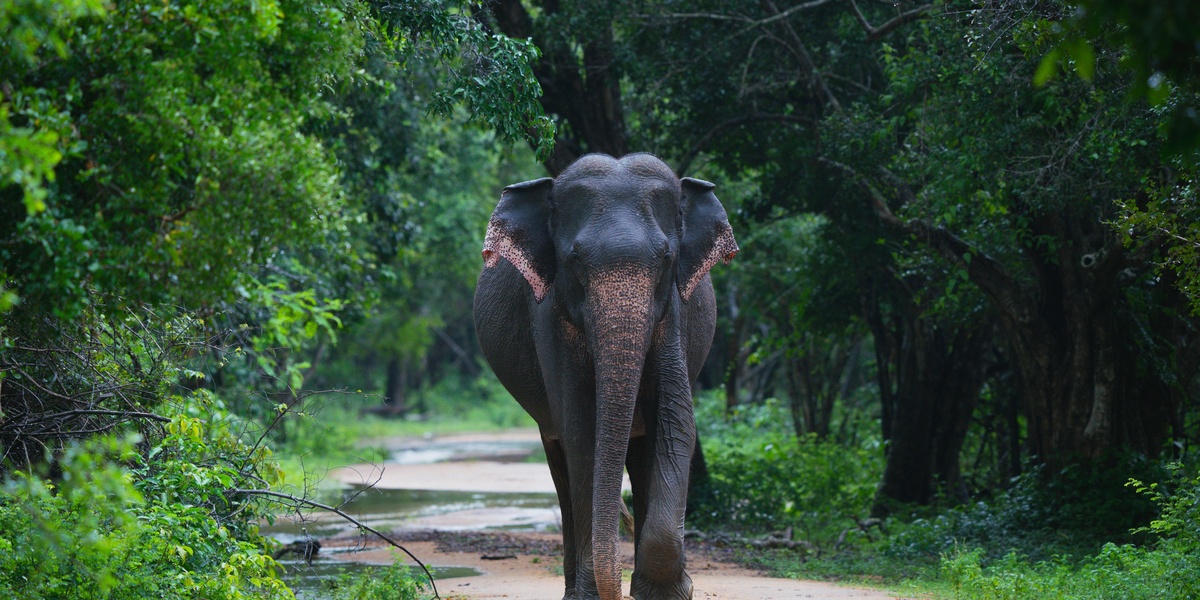
The Asian elephant is a forest giant and a cultural symbol in eastern Cambodia. The species is listed as Endangered by IUCN, and Cambodian populations are fragmented and declining in many places.
Elephants shape forests through seed dispersal and by creating clearings that benefit many plants and animals. Threats include habitat loss, snares and human–elephant conflict when crops replace forest.
Conservation combines monitoring (WCS Cambodia fieldwork), community-based tourism in Mondulkiri, and elephant corridor initiatives that reconnect seasonal ranges. Anti-poaching patrols and local stewardship are proving effective in some districts.
2. Indochinese Tiger (Panthera tigris corbetti)
Tigers once roamed much of Cambodia’s forests. Today the Indochinese tiger is functionally absent in most parts of the country, with surveys in the 2000s–2010s documenting dramatic declines.
Loss stems from targeted poaching for illegal trade and from habitat fragmentation. Tigers are an umbrella species; protecting them would conserve large tracts of forest and many other species.
Conservation responses include camera-trap surveys and intensified anti-poaching patrols launched in the 2010s, plus regional collaborations with Vietnam and Thailand. Recovery would require sustained law enforcement, protected-area connectivity and demand reduction for wildlife parts.
3. Eld’s Deer (Rucervus eldii)
Eld’s deer is closely tied to Cambodia’s plains, seasonally flooded grasslands and dry meadows. IUCN lists the species as Endangered, but Cambodia has been central to recovery efforts.
Reintroduction and captive-breeding projects by Wildlife Alliance and government partners have returned captive-bred animals to protected sites such as Phnom Prich and parts of Keo Seima. These efforts in the 2000s–2010s produced measurable local gains.
The deer help shape grassland vegetation and are culturally significant in local landscapes. Hunting and habitat conversion remain threats, so continued monitoring and community engagement are essential.
4. Banteng (Bos javanicus)
The banteng is a wild cattle species found in dry forests and grassy edges. IUCN classifies banteng as Endangered, and they act as important grazers that influence plant communities.
Major threats are hunting, competition with livestock and fragmentation of habitat. Cardamom conservation areas still hold banteng populations, detected by camera traps and patrol records.
Banteng sightings are valuable for ecotourism in the Cardamoms and the Eastern Plains. Protecting these herbivores supports predators, scavengers and grassland dynamics.
River and Wetland Icons
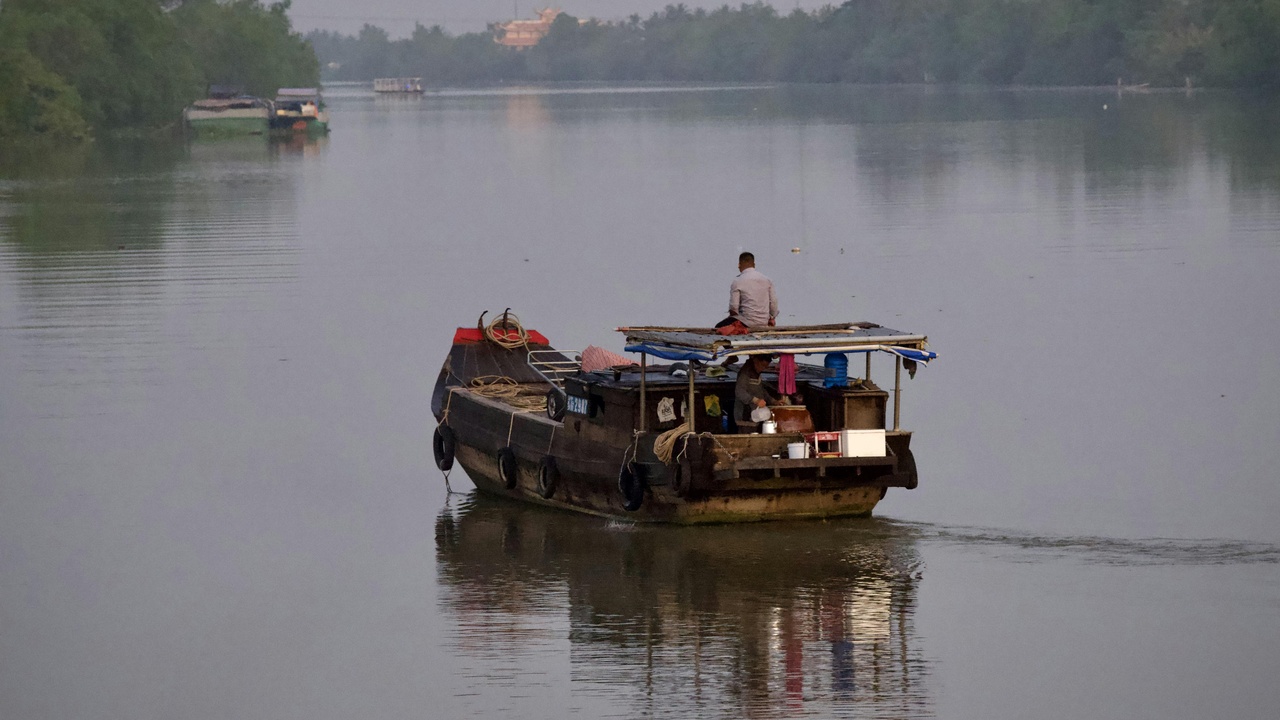
The Mekong River and Tonle Sap are global freshwater hotspots. Tonle Sap became a UNESCO Biosphere Reserve in 1997, and its seasonal flood pulse sustains vast fisheries that millions rely on for food and income.
Freshwater species face dam impacts, overfishing and habitat change. Conservation here protects both biodiversity and human livelihoods.
5. Irrawaddy Dolphin (Orcaella brevirostris) — Mekong population
The Mekong Irrawaddy dolphin is a genetically and behaviorally distinct subpopulation and is highly endangered within the river system. Surveys by WCS and WWF in the 2000s–2010s documented a rapid decline in numbers.
Threats include entanglement in fishing gear, boat strikes and upstream dam impacts that alter fish prey and river flows. Transboundary cooperation with Laos and Thailand is critical for any recovery.
Local communities have developed small-scale dolphin tourism and community monitoring programs that both raise income and encourage safer fishing practices. Ongoing monitoring by conservation groups remains essential to track trends.
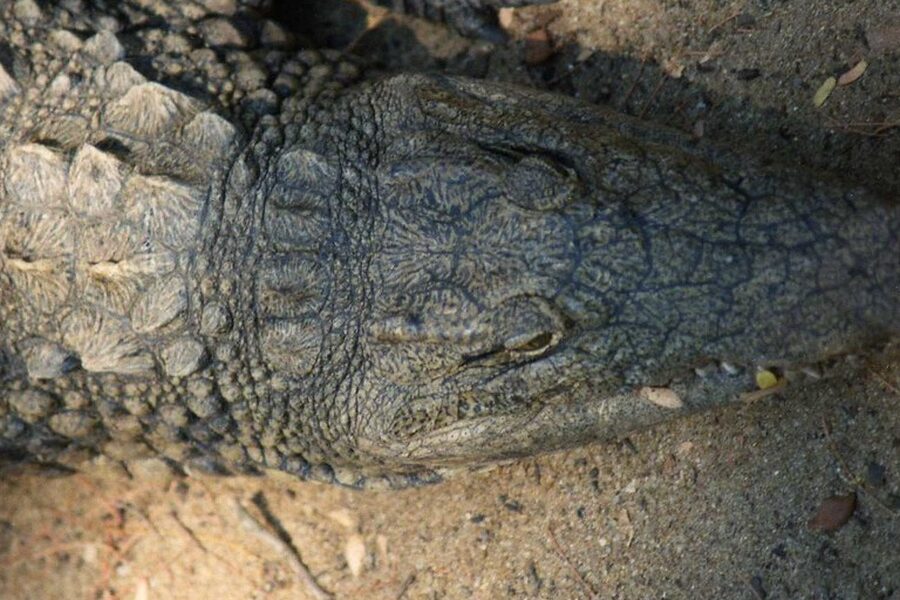
6. Siamese Crocodile (Crocodylus siamensis)
The Siamese crocodile is critically endangered in the wild but shows strong recovery potential through captive-breeding and release programs. IUCN lists it as Critically Endangered in many parts of its range.
Cambodian reintroduction efforts began in the 2000s with government and NGO collaboration, pairing captive-breeding with protected wetland management. These programs aim to re-establish wild, breeding populations where habitat is secure.
As an apex predator, the crocodile shapes wetland food webs. Restoring crocodiles can provide ecotourism opportunities and strengthen incentives for local communities to protect wetlands.
7. Mekong Giant Catfish (Pangasianodon gigas)
The Mekong giant catfish is one of the world’s largest freshwater fishes and carries historic importance for Mekong fisheries. IUCN lists it as Critically Endangered.
Overfishing and river fragmentation from dams have severely reduced migratory pathways and spawning success. Declines of large migratory fish degrade food security for river communities.
Policy decisions on dam planning directly affect these fish and downstream livelihoods. Fisheries Administration and the Mekong River Commission play key roles in balancing development and fish conservation.
Rare Birds and Elusive Carnivores

Cambodia protects crucial sites for rare birds like the giant ibis and for elusive carnivores such as clouded leopards and sun bears. Community-managed sanctuaries and patrols have delivered notable wins—Prek Toal’s monitoring, for example, has improved nesting protection for waterbirds in recent decades.
Protecting these species reinforces both wetlands and forest blocks, benefiting many other plants and animals.
8. Giant Ibis (Thaumatibis gigantea)
The giant ibis is Cambodia’s national bird and one of the world’s rarest ibis species. BirdLife International lists it as Critically Endangered, with a global population measured in only a few hundred individuals.
It relies on seasonally flooded grasslands and wetlands around Tonle Sap and lowland sites. Threats include agricultural expansion, disturbance and hunting.
Site-based protection at Prek Toal and other wetlands, along with community monitoring and nest protection, has been central to keeping populations stable in Cambodia. Birdwatching tours to Tonle Sap help fund local stewardship.
9. Clouded Leopard (Neofelis nebulosa)
The clouded leopard is an elusive forest carnivore with a secretive lifestyle. IUCN lists it as Vulnerable, and reliable population figures are scarce.
Camera-trap surveys in the Cardamom Mountains and Phnom Prich have detected clouded leopards, providing the primary evidence of their continued presence. Threats include snares and habitat fragmentation.
Camera-trap projects run by WCS and local NGOs inform patrol placement and help quantify occurrence. That data supports targeted anti-snaring and habitat protection efforts.
10. Sun Bear (Helarctos malayanus)
The sun bear is Southeast Asia’s smallest bear and occupies lowland and hill forests in Cambodia. IUCN lists it as Vulnerable, with major threats from habitat loss, snares and illegal trade.
Sun bears play roles in seed dispersal and insect control. Conservation actions include snare-removal patrols, law enforcement and rehabilitation of rescued individuals in the Cardamom Mountains.
Tourists should look for indirect signs—scrapes, claw marks and nest trees—rather than seeking close encounters. Supporting snare-removal teams helps both bears and broader forest wildlife.
Summary
Cambodia hosts globally important species across forests, rivers and wetlands. Many of these animals are endangered, but focused programs—protected areas, community stewardship, anti-poaching patrols and transboundary cooperation—are producing measurable local gains.
Some surprises stand out: wetlands like Tonle Sap support rare waterbirds and fishermen alike, while intact forest blocks in the Cardamoms harbor elusive carnivores and recovering herbivores. Small, targeted interventions have delivered real conservation outcomes.
Support reputable groups (WCS, BirdLife International, Wildlife Alliance), choose responsible ecotourism to Tonle Sap and the Cardamom Mountains, or join citizen science and advocacy to help secure the future of the wildlife of Cambodia.
- Protect large habitat blocks and connectivity (Cardamoms, Keo Seima) to benefit many species.
- Invest in community stewardship, anti-poaching patrols and targeted reintroductions for local wins.
- Support freshwater conservation—fish, dolphins and wetland birds are tied to people’s livelihoods.
- Choose responsible ecotourism and back credible conservation NGOs to scale success.