Nearly 48% of U.S. households owned a dog in 2021, and many prospective owners now prioritize pets that fit busy schedules, smaller homes, and tighter budgets.
By “low-maintenance” I mean dogs with short or easy-care coats, modest or adaptable exercise needs, straightforward feeding and training, and generally manageable health profiles when responsibly bred or adopted. Low-maintenance matters because it affects time, living space, monthly costs, allergy management, and whether a pet complies with apartment or HOA rules.
This guide lists 10 breeds grouped into practical categories—small/apartment-friendly, low-shedding, laid-back sighthounds and scent hounds, plus compact companions—so you can compare lifespans, grooming and exercise needs, everyday suitability, and important cautions. If you’re searching specifically for dog breeds for low-maintenance lifestyles, you’ll find options that suit single-person households, families in flats, and busy professionals alike.
Small and Apartment-Friendly Breeds
Small size makes day-to-day care easier: lower food bills, simpler transport to the vet, and less space required for sleeping and play. In apartments, compact, calm dogs usually manage well in studios or one-bedroom units while still doing fine in larger homes.
Noise and neighbor considerations matter—some tiny breeds can be yappy, which is a real issue in shared buildings—so early socialization and consistent training are essential. Feeding and grooming differ from larger breeds: you’ll save on food but still need routine dental care and occasional grooming depending on coat type.
For city living, expect typical daily walks to range from 10–30 minutes for many of these breeds; indoor play often fills the rest. Remember breed-specific health caveats like brachycephalic breathing problems or fragile bones in very small dogs, and always ask breeders or rescues for medical screening records before adopting.
1. French Bulldog
The French Bulldog tops many low-maintenance lists for its compact size and calm indoor demeanor.
Average lifespan is about 10–12 years and typical weight ranges from 16–28 lbs. Their short coats need only once-weekly brushing, plus a quick daily wipe of facial folds to prevent skin irritation—gentle face wipes work well.
Real-world routine: two short walks of 10–20 minutes or equivalent indoor play keeps most Frenchies content, and they’re excellent for city flats where naps and couch time dominate. Caution: as a brachycephalic breed they can be heat-sensitive and prone to breathing issues—buy from reputable breeders who screen for respiratory problems and avoid excessive exertion in hot weather.
2. Chihuahua
The Chihuahua’s tiny size and low food needs make it a classic low-exertion companion that fits in a purse or a lap.
These dogs often live 12–20 years and usually weigh 4–6 lbs, so routine care is inexpensive. Short-coated types require almost no grooming beyond occasional brushing and routine dental attention.
Expect 10–15 minute walks plus brief indoor play sessions each day. Note temperament caveats: some Chihuahuas can be yappy or fragile and they benefit from early socialization and careful handling; crate training helps reduce anxiety and gives a safe space for a one-person household or a senior owner.
3. Boston Terrier
Boston Terriers are compact, friendly, and adaptable—great for both families and singles living in apartments.
They usually live 11–13 years and weigh about 15–25 lbs. Their short coat is low-maintenance, needing only occasional brushing and normal bathing.
Daily needs are moderate: roughly 20–30 minutes of exercise such as a walk, play session, or short fetch. Keep an eye on breathing and eye sensitivities in some lines; regular vet checks and choosing a responsible breeder help reduce risk. A consistent potty schedule will cut down on accidents in small homes.
Low Grooming, Low Shedding Breeds
Low-shedding coats reduce vacuuming, limit lint on furniture, and can make life easier for people with mild allergies—though no dog is truly hypoallergenic. Low-shedding often means less frequent brushing and fewer professional groomer visits, saving perhaps 2–6 hours per month and hundreds annually.
That said, trade-offs exist: some low-shedding breeds still need dental care, ear checks, or periodic trims. Tools like deshedding brushes or grooming mitts can cut maintenance time, and a monthly grooming session for nail trim and basic hygiene is common for many owners.
When choosing for allergy concerns, ask to spend time with the breed, and factor in costs—deshedding tools and routine dental care add to the budget even when coat upkeep is minimal.
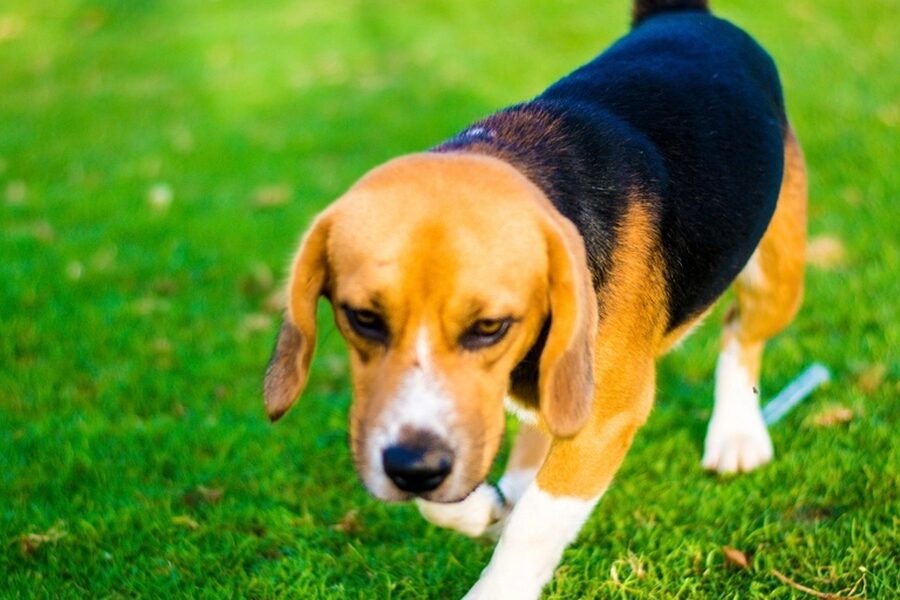
4. Beagle
The Beagle is a hardy, short-coated hound with straightforward grooming and a friendly disposition.
Beagles typically live 10–15 years and weigh about 20–24 lbs. Weekly brushing and regular ear checks are usually enough to keep them healthy and odor-free.
Exercise needs are moderate—plan on about 30–45 minutes daily. Because they’re scent-driven, include mental stimulation like puzzle toys or short scent games (a food-dispensing toy works well) to prevent boredom. Watch their portions—Beagles can gain weight if under-exercised.
5. Basenji
Basenjis are short-coated and low-odor, often called “barkless” because they yodel rather than bark.
They live about 12–16 years and weigh roughly 22–24 lbs. Their self-grooming habits mean only periodic brushing—monthly is often sufficient—plus routine nail trims and dental care.
Daily short walks of 20–30 minutes plus mental engagement keep them happy. A strong prey drive means secure off-leash management is crucial; they can be quiet in an apartment if yard security and leash routines are reliable.
6. Dachshund
Dachshunds come in smooth, long, and wire coats; the smooth-coated variety is especially low-maintenance.
They often live 12–16 years. Weight varies—miniatures are commonly under 11 lbs while standards are heavier—so check type when adopting. Smooth coats need only occasional brushing.
Expect 20–30 minutes of daily walking and indoor play. Crucially, protect their spine: avoid stairs and jumping, use ramps or lift them into cars, and keep them at a healthy weight to reduce intervertebral disc risk.
Laid-Back, Low-Exercise Breeds
Some breeds have bursts of speed but are otherwise couch-friendly—making them ideal for owners who can’t commit to long runs. Understanding breed history helps: many sighthounds were bred to sprint, not to run all day, while working breeds often need sustained activity.Short, intense play sessions often beat long endurance workouts for these dogs. For sighthounds, prioritize secure fencing and solid recall training—many will nap 16–18 hours a day and spend energy in short bursts.
Assess daily energy by watching an adult dog’s routine for a week: note active hours vs. nap time and plan exercise around those patterns. That gives you a realistic sense of whether a breed fits your schedule.
7. Greyhound
Greyhounds are surprisingly well-suited to apartment life despite their racing background—many retired racers are calm indoors and make excellent companions.
Typical lifespan is 10–13 years and weight ranges around 60–70 lbs. Their short coat is minimal-care, but thin skin and low body fat mean they appreciate soft, warm bedding in cool climates.
Daily exercise can be as modest as a 20–40 minute walk plus one brief secure sprint. Adoption is common via retired-racer groups; many adopters report quiet, gentle temperaments and easy house manners when given a comfy bed.
8. Whippet
Whippets are smaller sighthounds with many Greyhound-like traits—calm, gentle, and low-maintenance coat-wise.
They typically live 12–15 years and weigh around 25–40 lbs. Their short coats require almost no grooming, though they benefit from warm clothing in cold weather.
Plan on 20–30 minutes of daily activity plus an occasional sprint in a secure area. Whippets are quiet and good with children when socialized, making them a strong match for active-but-busy owners who can offer short runs now and then.
9. Basset Hound
Basset Hounds are famously laid-back scent hounds with low grooming needs for their size.
They usually live 10–12 years and weigh about 40–65 lbs. Their short coats need only occasional brushing, but their long ears require regular cleaning to prevent infections.
Exercise needs are moderate-low—roughly 20–30 minutes daily. Bassets can be stubborn in training, so use positive, consistent methods; portion control and slow feeder bowls help prevent obesity, which these dogs are prone to.
Compact, Easy-Care Companions with Few Surprises
Some breeds combine compact size with predictable health and temperament when responsibly bred—this predictability reduces unexpected trips to the vet and makes daily routines simpler.
Routine care costs like vaccines, annual exams, and basic grooming typically run $300–$700 per year for healthy small dogs, though emergencies or breed-linked conditions can raise that significantly. Adoption from rescues often provides medical history and can be a cost-effective route.
When assessing options, factor in temperament, grooming time, and expected vet costs. Meeting dogs in person—either at breeders, shelters, or foster homes—helps judge energy levels and compatibility before committing.
10. Pug
Pugs are popular for low-effort companionship: they’re small, affectionate, and have short coats that are easy to maintain.
They typically live 12–15 years and weigh about 14–18 lbs. Coat care is minimal—weekly brushing plus daily facial-fold wipes will keep skin healthy.
Moderate daily exercise of 15–30 minutes is usually enough. Be candid about brachycephalic risks: breathing, eye, and heat-sensitivity issues can lead to higher vet bills, so choose a reputable breeder or consider a rescue where medical history is clear. Portion-controlled feeding helps avoid obesity, a common problem in this breed.
Summary
- Low-maintenance meant here: short or easy-care coats, modest/adaptable exercise, straightforward training, and generally manageable health—balance those traits against breed-specific cautions.
- Top surprise picks include sighthounds and quiet hunters: Greyhounds, Basenjis, and even compact breeds like the French Bulldog can be ideal for busy, small-space living when their special needs (secure sprinting space, prey drives, brachycephalic care) are managed.
- Common care caveats: brachycephalic breeds may need extra vet attention, many breeds are prone to obesity without portion control and daily activity, and ear/dental care prevents frequent problems—factor annual routine costs ($300–$700+) into your budget.
- Next steps: meet dogs in person at rescues or meet-and-greets, request health and screening records from breeders or shelters, try short trial adoptions when available, and prepare your home with basics (secure fencing, ramps for spine-prone breeds, slow feeder bowls, gentle face wipes).