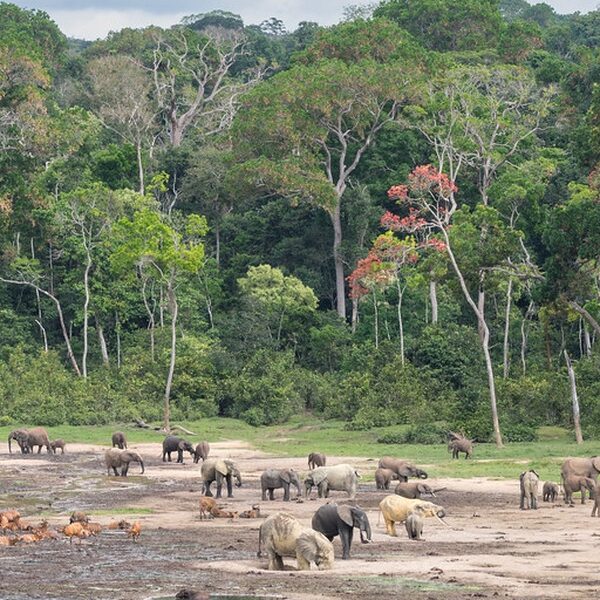
In the 1970s much of Arabia’s wildlife was pushed to the brink; today Oman is a rare success story where reintroduction, protected areas, and traditional stewardship have brought some species back from near‑extinction. That recovery owes a lot to the country’s striking geography: sweeping deserts, the high Al Hajar range (with plateaus and cliffs reaching about 3,009 m on peaks near Jebel Shams), and a coastline that links Arabian Sea currents with island reefs. These contrasting habitats create ecological niches you won’t see in many places.
Why care? Conservation here has delivered tangible wins — jobs for rangers, new ecotourism products, and revived cultural practices such as managed grazing and falconry that respect wildlife. At the same time development, fragmentation, and warming temperatures pose urgent risks. Below are eight animals and groups that illustrate both the challenges and the promise of the wildlife of Oman, and why communities, scientists, and visitors have a stake in protecting them.
Desert and Mountain Mammals
Oman’s terrestrial mammals are specialists of cliffs, wadis, and arid plains, tuned to scarce water and extreme temperatures. Mountain ranges like the Al Hajar concentrate endemic and relict species, while places such as the Al Wusta Wildlife Reserve provide space for active reintroductions and long‑term protection. Conservation in these landscapes blends formal reserves, community stewardship, and science: camera‑trap surveys in Dhofar, ecological monitoring on Jebel Akhdar trails, and anti‑poaching patrols all feed management decisions.
Threats are familiar — habitat fragmentation from roads and development, illegal hunting, and disturbance from recreational use — yet the benefits are concrete: guided wildlife safaris bring revenue to local communities, research projects create jobs, and visible successes (like released oryx on managed plains) build national pride and political support for further protection.
1. Arabian Oryx — Desert icon and conservation success
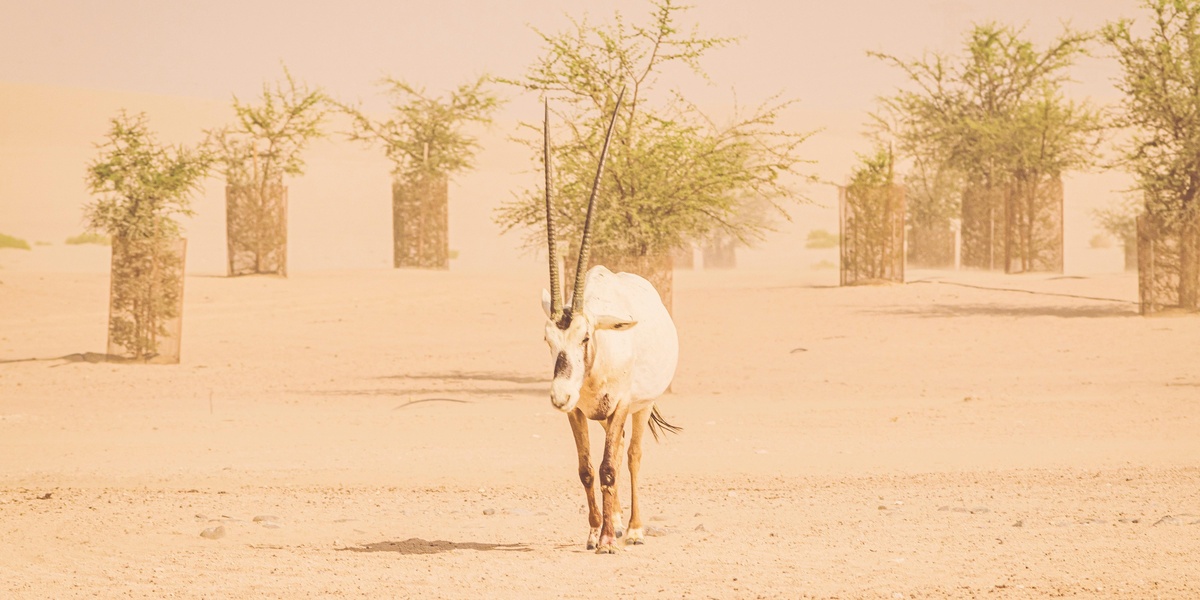
The Arabian oryx was declared extinct in the wild by the early 1970s, yet reintroductions that began around 1982 have transformed it into a flagship conservation story for the region. Captive‑breeding programs and carefully staged release events — notably work centered on Al Wusta Wildlife Reserve — rebuilt wild herds and demonstrated that coordinated, long‑term efforts can restore a large desert grazer.
The species’ history also carries a caution: the UNESCO Arabian Oryx Sanctuary was inscribed and later delisted (2007) after development and management problems exposed how quickly gains can be reversed. Today, oryx support ranger positions, community guides, and educational tourism, while continuing monitoring informs best practices for reserves and reintroduction science.
2. Arabian Tahr — Mountain specialist of the Hajar
The Arabian tahr is a stocky, cliff‑dwelling caprid confined to steep, rocky slopes in the high Al Hajar, with key populations around Jebel Akhdar where elevations reach about 3,000 m. Its compact build and surefootedness let it exploit ledges and scree inaccessible to many predators and people.
Classified as threatened, the tahr faces pressure from habitat loss, unmanaged recreation, and competition with livestock. Local trail management and guided tahr‑watching trips around Jebel Akhdar balance visitor access with seasonal closures and habitat protection. These niche ecotourism activities both fund conservation and foster local stewardship of fragile mountain ecosystems.
3. Arabian Leopard — elusive apex predator and conservation priority
The Arabian leopard remains one of the region’s rarest large carnivores, highly cryptic and a top conservation priority. Listed at a very high risk on the IUCN red list for its subspecies, only a small number of mature individuals are thought to persist on the Arabian Peninsula — estimates suggest populations number in the low hundreds at most across the range.
Protecting leopards drives collaborative research, anti‑poaching patrols, and remote camera‑trap monitoring that benefits whole food webs. In southern Oman (Dhofar), camera‑trap detections and targeted surveys have revealed occasional individuals and helped map movement corridors. Cross‑border partnerships aim to secure habitat and reduce retaliatory killings, with the added benefit of improving monitoring for other mountain and woodland species.
Coastal and Marine Wildlife
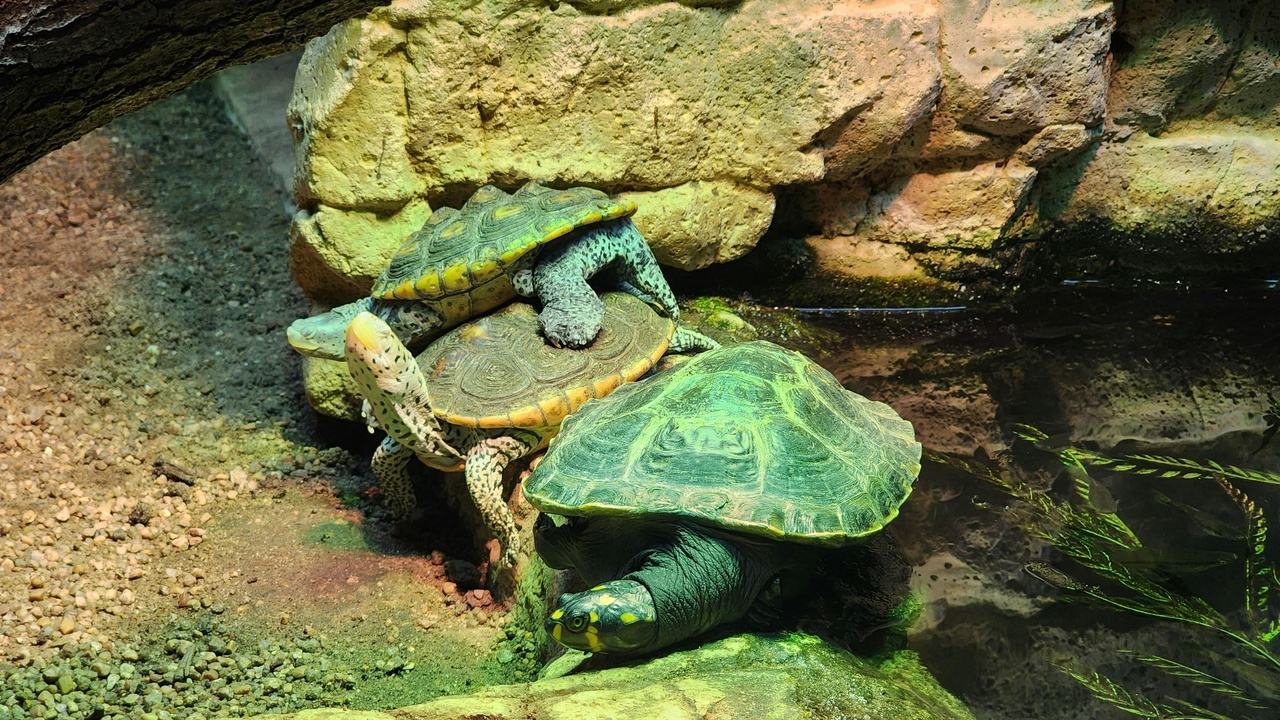
Stretching more than 3,000 km when islands are included, Oman’s coastline and offshore reefs support a remarkable variety of marine life. Marine protected areas, long‑running monitoring programs, and seasonal visitors — from nesting turtles to aggregating whale sharks — underpin a vibrant ecotourism sector and offer opportunities for citizen science and reef restoration.
Marine sites like Ras al‑Jinz and the Daymaniyat (Dimaniyat) Islands combine conservation with livelihoods, and structured tourism there funds local rangers and research. Careful management of boats, dive operators, and visitor numbers helps keep these high‑value coastal ecosystems productive for future generations.
4. Green Sea Turtle — Ras al-Jinz nesting grounds
Ras al‑Jinz is one of Oman’s most important nesting beaches for green sea turtles, protected since the Ras al‑Jinz reserve was established in 1996. Long‑term nest monitoring there documents thousands of nests during peak seasons, and local ranger teams coordinate guided night viewings and hatchling releases.
Turtle tourism provides stable income for nearby villages, funds conservation staff, and raises international awareness. Volunteer nest‑protection programs and community education complement scientific monitoring, improving hatchling survival while keeping disturbance low during critical nesting months.
5. Whale Shark and Pelagic Visitors — seasonal giants
Whale sharks and other large pelagics are seasonal highlights off Oman’s coast, with sightings commonly peaking between March and May. These encounters attract divers and researchers who run photo‑ID and tagging projects to track individuals and migration patterns.
Dive operators run day trips from Muscat and smaller coastal towns, contributing directly to local economies. Photo‑ID catalogs built by guides and scientists create a low‑impact research model: tourists enjoy once‑in‑a‑lifetime views while contributing images that help map population structure and movement.
6. Migratory and Resident Birds — more than 400 recorded species
Oman is a key stopover and wintering area for migratory birds and hosts a diverse set of resident species — over 400 bird species have been recorded within its borders. Coastal lagoons, inland wetlands, and the Dhofar monsoon woodlands support migratory pulses that can number in the thousands.
Sites such as Barr al Hikman and the wetlands of Dhofar are focal points for birdwatching tours and for monitoring that informs wetland management. Local guides and guesthouses profit from seasonal flocks, and community‑based bird surveys supply vital data for protecting feeding and roosting habitats.
Small Reptiles, Invertebrates and Species of Cultural Importance
Beyond charismatic large mammals and turtles, small reptiles, invertebrates, and culturally important birds form the backbone of Oman’s ecosystems. They handle seed dispersal, pollination, and nutrient cycling, and many species are tightly linked to human traditions — a connection that conservationists increasingly use to build local support.
Threats such as illegal collection, habitat decline, and trade pressure often hit these smaller species first. Blending scientific monitoring with traditional knowledge — for example, seasonal grazing rules or customary protections around burrow sites — has proven effective at sustaining populations while respecting heritage.
7. Arabian Spiny-tailed Lizard (Uromastyx) — desert-adapted herbivore
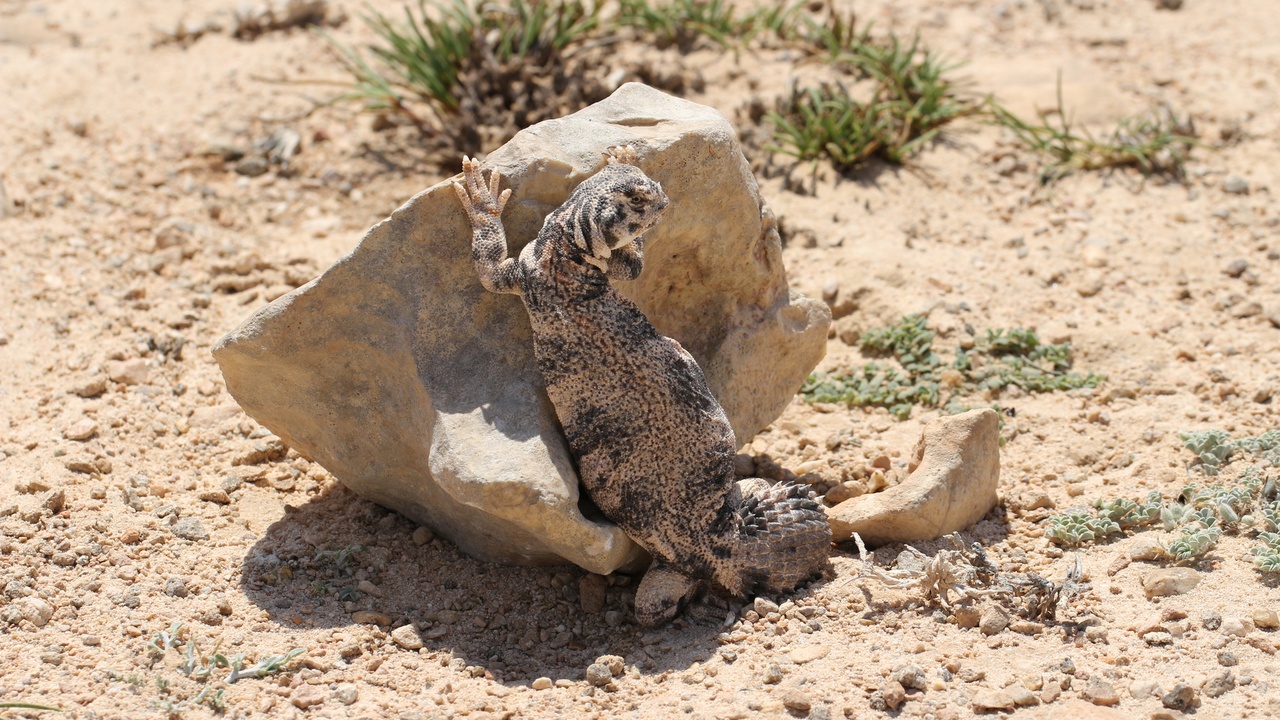
Uromastyx spiny‑tailed lizards are unmistakable in dry, rocky areas: heat‑tolerant, sun‑basking herbivores that dig burrows and feed on leaves, seeds, and flowers. Their burrow systems aerate soil and provide shelter used by other animals, making them ecological engineers in patchy desert habitats.
Collecting for the pet trade and disturbance to burrow sites are primary threats. Field observations of burrow networks help assess population health, and community monitoring plus market checks are practical tools that enforcement agencies and local groups use to reduce illegal take.
8. Houbara Bustard — cultural significance and breeding programs
The Houbara Bustard holds deep cultural importance across the Gulf, closely tied to falconry and heritage values. Regionally, the species has faced steep declines, prompting captive‑breeding and release programs since the late 20th century aimed at supplementing wild populations and reducing hunting pressure.
Conservation here emphasizes programmatic approaches: regional breeding centers, careful release protocols, and community outreach to align tradition with protection. Joint initiatives with neighbouring countries focus on monitoring post‑release survival and on policies that discourage illegal hunting while preserving cultural practice.
Summary
- Reintroduction and reserve work have produced headline wins (the Arabian oryx) but constant pressure from development and climate change means vigilance is still required.
- Coastal sites like Ras al‑Jinz (protected since 1996) and island reefs attract tourists and fund conservation — turtle monitoring and whale‑shark photo‑ID are practical examples.
- Mountain strongholds such as Jebel Akhdar (high plateaus ~3,000 m) shelter specialists like the Arabian tahr and signal the importance of protected upland corridors.
- Small species and culturally prized birds (Uromastyx, Houbara Bustard) underline that effective conservation blends science with traditional stewardship and community engagement.
- Want to help? Choose ranger‑led tours at Ras al‑Jinz, hire local guides for mountain trips, and support monitoring projects that publish open data — practical steps that boost both livelihoods and long‑term protection.