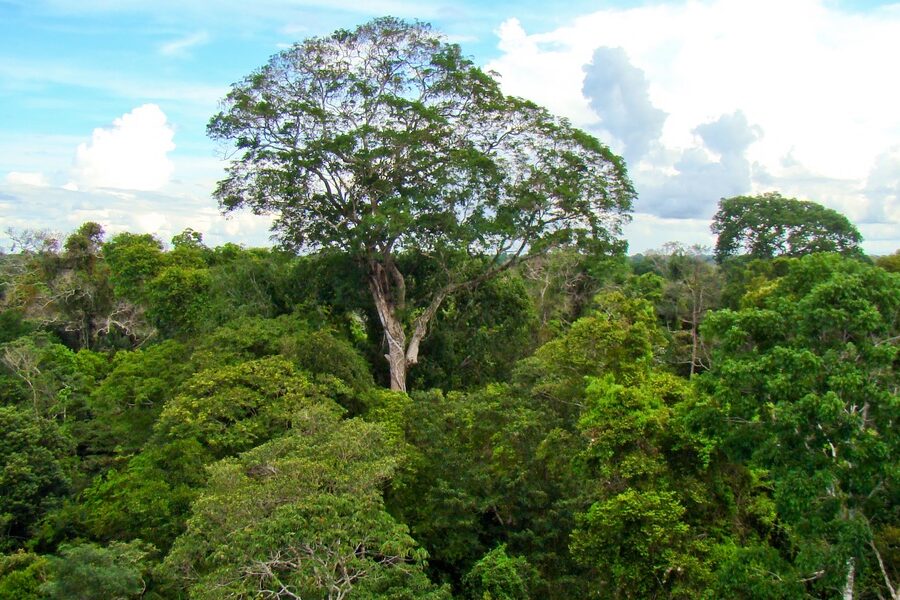
Croatia’s coastline, islands and mountain ranges create a patchwork of habitats where a mix of Mediterranean and continental species grow, from wetlands to dry scrub and alpine meadows. Seasonal shifts and varied soils mean you can find both widespread and locally rare plants across short distances.
There are 48 Plants of Croatia, ranging from Alder to Yellow flag iris; for each species, the data are organized under Scientific name, Height (cm), Conservation status — you’ll find below.
How reliable are the conservation statuses listed here?
Conservation statuses represent summaries from standard references (national red lists and widely used assessments) but can change as new surveys are done; treat the table as a practical starting point and consult the latest national or IUCN listings for legal protections or recent updates.
What’s the best way to use the Height (cm) and Scientific name columns when identifying plants?
Scientific names give precise identification, and Height (cm) helps narrow options, but combine those with leaf shape, flower details, habitat and season for reliable ID; bring a field guide or use a plant-ID app and respect protected species when observing.
Plants of Croatia
| Common name | Scientific name | Height (cm) | Conservation status |
|---|---|---|---|
| Olive | Olea europaea | 300-800 | Common; wild and cultivated |
| Aleppo pine | Pinus halepensis | 600-1,500 | Common in coastal areas |
| Stone pine | Pinus pinea | 600-1,200 | Naturalized and planted; common |
| Black pine | Pinus nigra | 1,500-2,500 | Common in mountains |
| European beech | Fagus sylvatica | 1,000-3,000 | Common; core forest species |
| European yew | Taxus baccata | 300-1,200 | Protected; locally vulnerable |
| Holm oak | Quercus ilex | 600-1,500 | Common on the coast |
| Pedunculate oak | Quercus robur | 1,500-3,000 | Common in lowlands |
| Downy oak | Quercus pubescens | 600-1,800 | Common in karst regions |
| Kermes oak | Quercus coccifera | 200-600 | Common in maquis |
| Mediterranean cypress | Cupressus sempervirens | 600-1,500 | Common cultural tree |
| Prickly juniper | Juniperus oxycedrus | 100-500 | Common in coastal scrub |
| Rosemary | Salvia rosmarinus | 30-150 | Common in maquis |
| Spanish lavender | Lavandula stoechas | 30-60 | Common in coastal heaths |
| Sea daffodil | Pancratium maritimum | 20-50 | Protected; beach specialist |
| Cistus (rock rose) | Cistus spp. | 50-150 | Common in maquis |
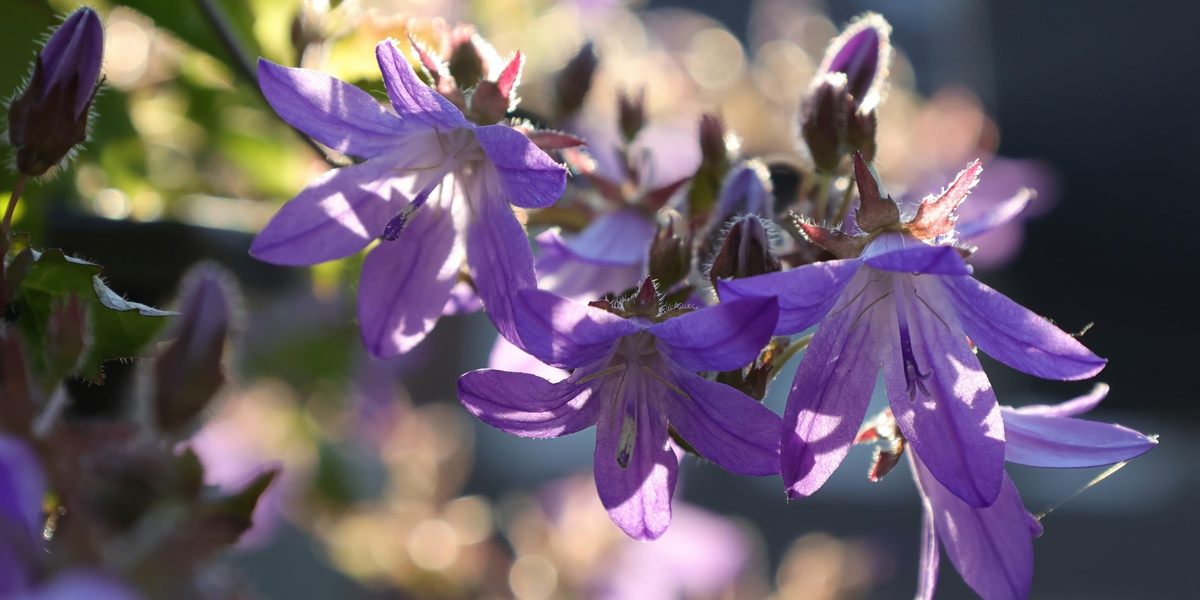
| Dalmatian bellflower | Campanula portenschlagiana | 5-15 | Endemic; locally protected |
| Edelweiss | Leontopodium alpinum | 3-20 | Protected in mountains |
| Yellow flag iris | Iris pseudacorus | 60-150 | Common in wetlands |
| Lily of the valley (martagon lily) | Lilium martagon | 60-150 | Locally protected; mountain species |
| Bee orchid | Ophrys apifera | 20-50 | Common in grasslands |
| Tongue orchid | Serapias lingua | 10-40 | Common in coastal meadows |
| Naked man orchid | Orchis italica | 30-80 | Common in Mediterranean meadows |
| Sea buckthorn | Hippophae rhamnoides | 100-300 | Common on dunes; stabilizer |
| Stonecrop | Sedum album | 2-8 | Common on rocks and walls |
| Wild thyme | Thymus vulgaris | 10-40 | Common in dry slopes |
| Poppy | Papaver rhoeas | 30-80 | Common in arable fields |
| Cornflower | Centaurea cyanus | 30-90 | Common in meadows and fields |
| Stinging nettle | Urtica dioica | 50-200 | Common in disturbed areas |
| Dandelion | Taraxacum officinale | 5-40 | Common urban and wild |
| Wild grape | Vitis vinifera ssp. sylvestris | 300-1,000 | Native wild vine; uncommon |
| Common reed | Phragmites australis | 200-500 | Common in wetlands |
| Dalmatian sage | Salvia officinalis | 30-60 | Common in coastal maquis |
| Sea holly | Eryngium maritimum | 10-60 | Protected; dune specialist |
| Green-winged orchid | Orchis morio | 15-30 | Locally common in meadows |
| Mountain pine | Pinus mugo | 200-600 | Common in alpine zones |
| Scots pine | Pinus sylvestris | 1,000-2,500 | Common in uplands |
| Common box | Buxus sempervirens | 50-500 | Threatened by disease; protected areas |
| Alder | Alnus glutinosa | 600-1,200 | Common in riparian zones |
| White willow | Salix alba | 500-2,000 | Common along rivers |
| Common ash | Fraxinus excelsior | 1,500-3,000 | Locally threatened by disease |
| Black locust | Robinia pseudoacacia | 800-1,500 | Naturalized; invasive in places |
| Tree-of-heaven | Ailanthus altissima | 600-2,000 | Naturalized; invasive in urban areas |
| Water lily | Nymphaea alba | 10-70 | Common in still waters |
| Common peony | Paeonia officinalis | 50-80 | Locally native populations; culturally valued |
| Silver birch | Betula pendula | 600-1,500 | Common in upland clearings |
| Rock samphire | Crithmum maritimum | 10-50 | Common on sea cliffs |
| Field maple | Acer campestre | 400-1,200 | Common in hedgerows |
Images and Descriptions
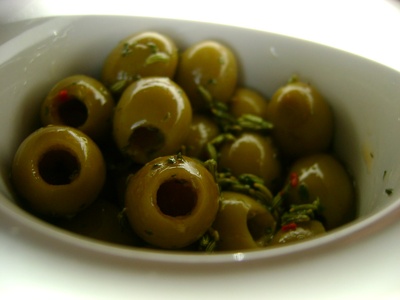
Olive
Iconic Mediterranean tree of Dalmatian coasts and islands. Grows in rocky soils and terraced groves, notable for silvery leaves and olives; wild and cultivated forms stabilize slopes and shape regional landscapes.
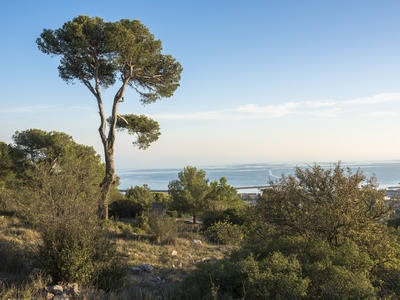
Aleppo pine
Fast-growing pine of coastal Dalmatia and Adriatic islands. Tolerant of dry, rocky soils and sea spray; forms open forests and stabilizes slopes, with long needles and cinnamon bark.
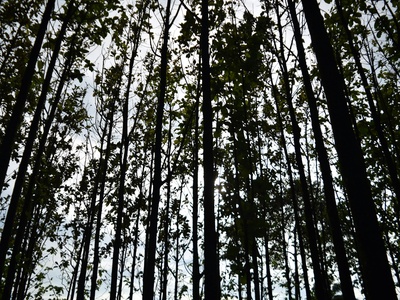
Stone pine
Umbrella‑shaped coastal pine often planted along promenades and beaches. Produces edible pine nuts, tolerant of sandy soils and salt spray; familiar silhouette on Adriatic coastlines.
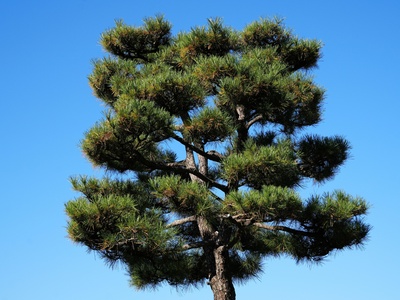
Black pine
Sturdy mountain pine of the Dinaric Alps and inland ranges. Forms dark, dense stands on slopes and ridges; valued for timber and resilience to cooler, windier sites.
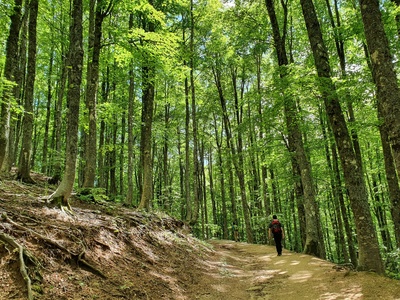
European beech
Dominant tree of higher-elevation Dinaric forests (Gorski Kotar, Velebit). Creates shady, mossy woodlands with smooth gray bark and dense canopy that supports rich forest ecology.
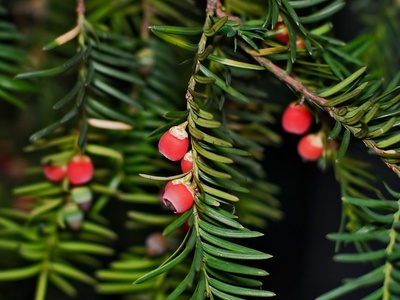
European yew
Slow‑growing conifer in shady karst forests and ravines. Dark evergreen foliage and red arils; historically harvested for wood and now protected in many sites.
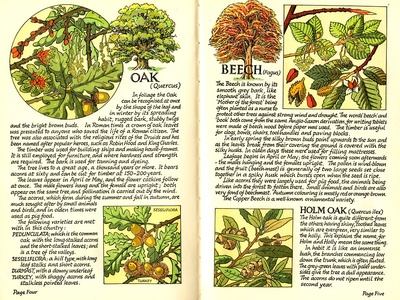
Holm oak
Evergreen oak of Mediterranean maquis on coastal cliffs and islands. Glossy, leathery leaves and dense canopy; important for habitat and traditional rural uses.
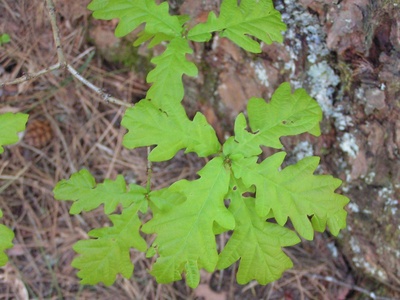
Pedunculate oak
Large deciduous oak of lowland floodplain forests and riverbanks. Massive trunks and broad crowns provide key habitat for wildlife and cultural landscapes.
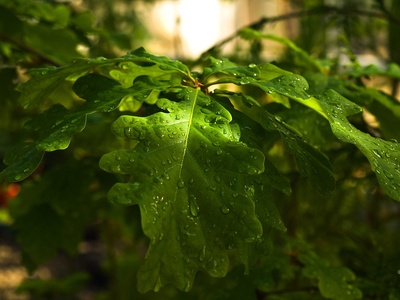
Downy oak
Deciduous oak of dry karst, hills and open woodlands. Hairy leaves and drought tolerance make it typical of inland Adriatic landscapes and maquis transitions.

Kermes oak
Tough evergreen shrub of coastal garrigue and rocky slopes. Forms dense thickets, with small spiny leaves and resilience to grazing and fire.
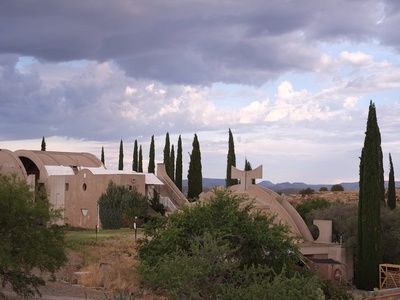
Mediterranean cypress
Tall, columnar tree of cemeteries, hilltops and dry slopes along the coast. Iconic silhouette, drought tolerant and often planted in historic landscapes.
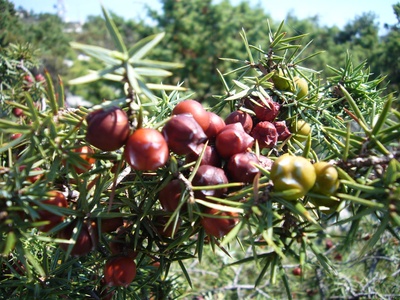
Prickly juniper
Spiny, aromatic shrub on rocky Dalmatian slopes and islands. Produces reddish berries used locally; important for coastal scrub biodiversity.
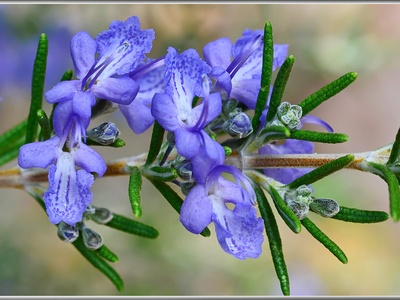
Rosemary
Aromatic evergreen shrub of dry limestone coasts and islands. Fragrant needle-like leaves and blue flowers; widespread in hedges, cliffs and abandoned terraces.
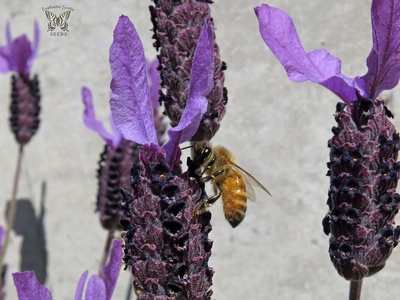
Spanish lavender
Fragrant purple flower spikes on dry rocky slopes and maquis. Attracts pollinators and colors coastal hills in spring, often seen along coastal trails.
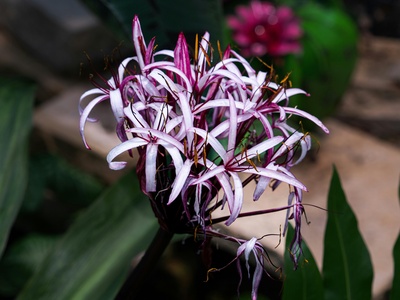
Sea daffodil
Striking white-blooming bulb on sandy Adriatic beaches and dunes. Sensitive to disturbance, protected in many areas and notable for rare coastal habitat specialization.
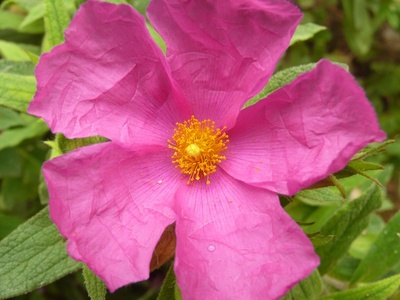
Cistus (rock rose)
Resinous, showy shrubs carpeting coastal slopes and burnt areas. Large papery flowers and sticky leaves scent the maquis; early colonizer after disturbance.
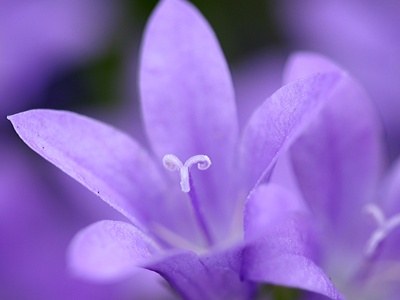
Dalmatian bellflower
Low, purple-flowered bellflower forming mats on limestone cliffs and walls in Dalmatia. Highly characteristic of rocky Adriatic crags and stone terraces.
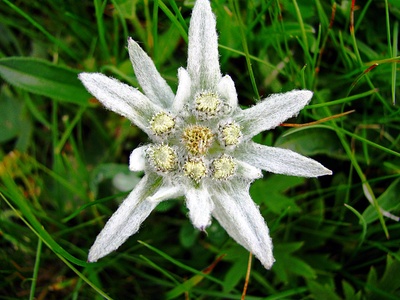
Edelweiss
Famous woolly white alpine plant of high Dinaric peaks. Grows in rocky alpine scree and limestone summits; a symbol of mountain flora and protected by law.
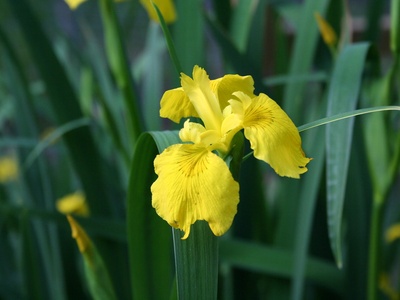
Yellow flag iris
Bold yellow iris along rivers, marshes and lake margins. Tall, swordlike leaves and showy flowers make it a common sight in lowland wetlands and estuaries.
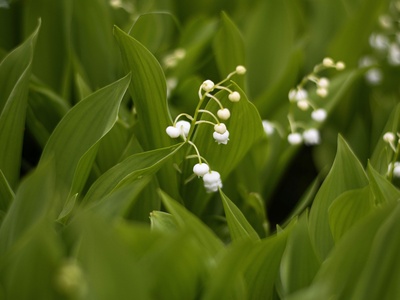
Lily of the valley (martagon lily)
Graceful pink, turk’s-cap lilies of montane beech and mixed forests. Nodding bell-shaped flowers on tall stems, often in shady, humid slopes.
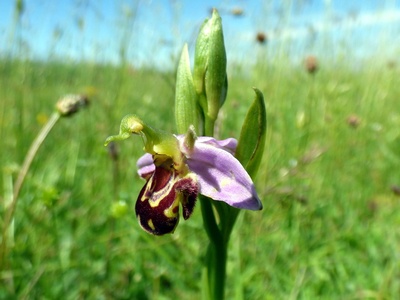
Bee orchid
Orchid mimicking a bee, common in calcareous meadows and roadside verges on islands and mainland. Striking pollination mimicry and spring display.
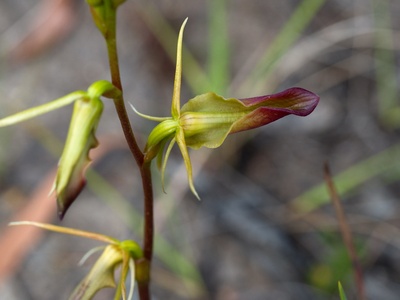
Tongue orchid
Pink‑brown tubular flowers in open grasslands and garigue. Widespread on Adriatic islands and coastal plains during spring.
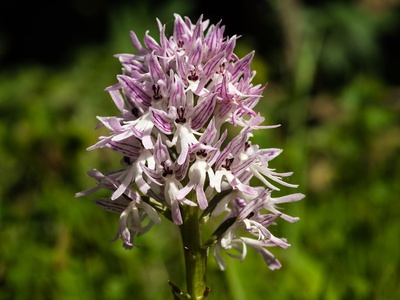
Naked man orchid
Distinctive pink clusters resembling human figures, found in spring meadows, scrub edges and olive groves across Dalmatia.
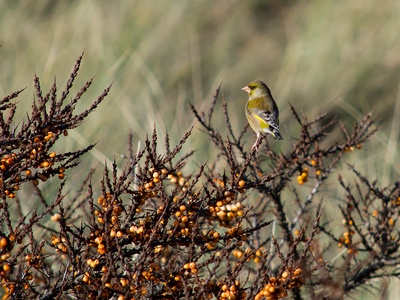
Sea buckthorn
Salt‑tolerant, orange‑berry shrub on coastal dunes and cliffs. Important for dune stabilization and bird food; fragrant silvery foliage.
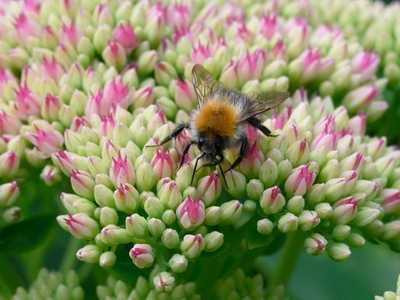
Stonecrop
Small succulent forming mats on sun-exposed limestone walls and rocky outcrops. Tiny starry flowers and drought resilience make it common in urban and wild karst.
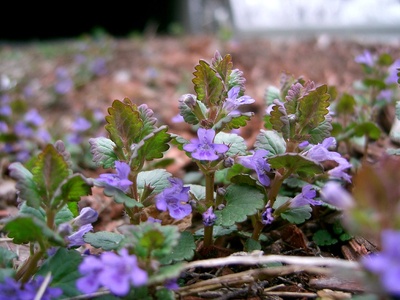
Wild thyme
Low aromatic groundcover of rocky pastures and garrigue. Tiny leaves, purple flowers, and strong scent; attracts bees and used traditionally for flavor and medicine.
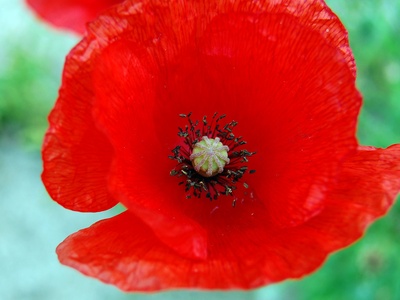
Poppy
Bright red annual of disturbed ground, cereal fields and roadside verges. Bold spring display and classic wildflower of rural Croatia.
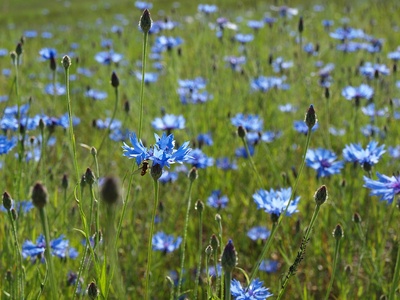
Cornflower
Blue annual often in arable margins, meadows and roadside verges. Iconic wildflower of farmland and garden escapes.
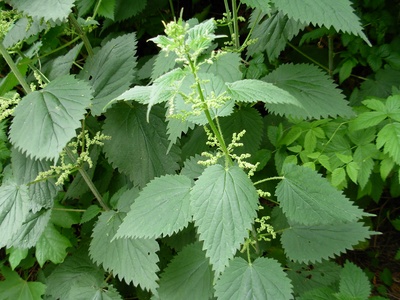
Stinging nettle
Tall, widespread herb of nutrient-rich soils, river margins and shaded hedgerows. Leaves sting but support many butterfly larvae and form dense stands.
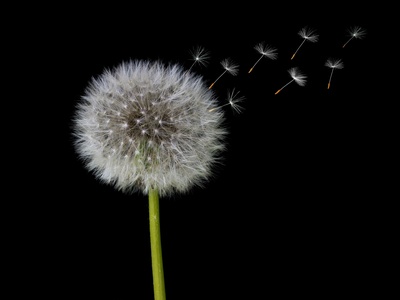
Dandelion
Ubiquitous lawn and meadow plant with yellow heads and wind-dispersed seed clocks; quick to colonize cleared soil and grassland.
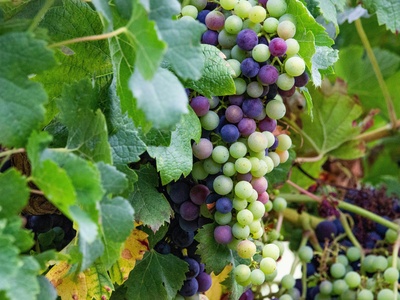
Wild grape
Climbing wild grape in riparian woodlands and hedgerows. Smaller grapes than cultivated vines, important for genetic diversity of vineyard species.
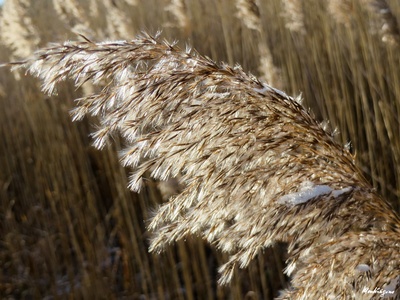
Common reed
Tall reed beds lining lakes, marshes and coastal lagoons. Essential for bird habitat and water filtration, forming dense stands along slow rivers.
Dalmatian sage
Aromatic shrub native to Adriatic shores and rocky slopes. Silvery leaves and blue flowers; historically used and often both wild and cultivated.
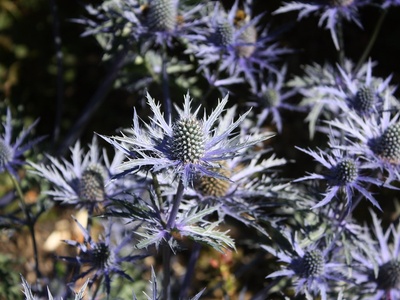
Sea holly
Spiny, blue‑flowered plant of sandy beaches and dunes. Rare and often protected due to dune habitat sensitivity; distinctive architectural form.
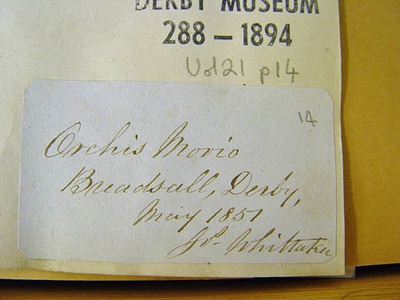
Green-winged orchid
Small colorful orchid of unimproved grasslands and pastures. Early spring bloom attracts interest and indicates traditional meadow management.
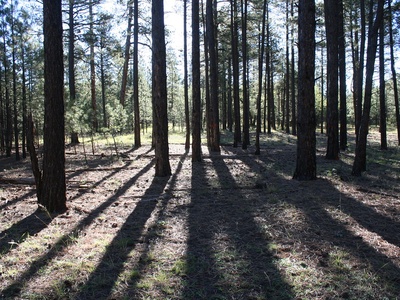
Mountain pine
Shrubby pine of subalpine ridges and windswept summits. Forms krummholz and cushions, stabilizing shallow soils and surviving harsh mountain climates.
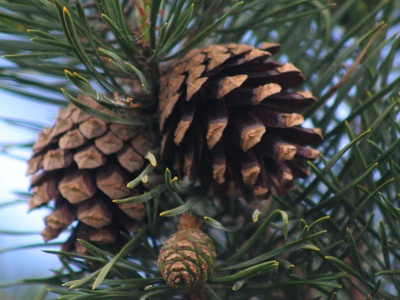
Scots pine
Pioneer conifer in higher inland forests and plateaus. Tall, straight trunks with flaky orange bark in mature stands; supports upland biodiversity.
Common box
Evergreen understory shrub of karst forests and shaded cliffs. Slow-growing, dense foliage historically used for hedging; threatened by pests and habitat loss.
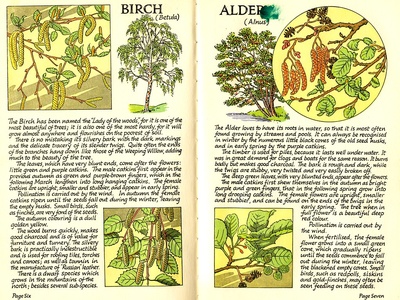
Alder
Riverbank and wetland tree with nitrogen-fixing roots. Forms dark, glossy stands along streams and marshy ground, stabilizing banks and improving soils.
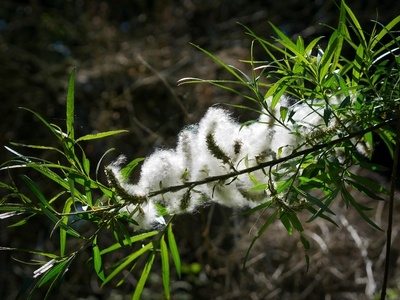
White willow
Large, fast-growing willow of river floodplains and lakeshores. Pale underside on leaves and flexible branches that root easily, common on dynamic riverbanks.
Common ash
Widespread tree of mixed forests and riparian areas. Graceful pinnate leaves and tall habit; under pressure from ash dieback in parts of Europe.
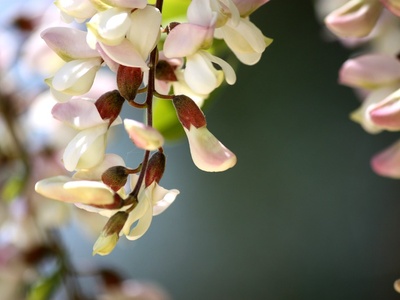
Black locust
Introduced North American tree now widespread in roadsides, open woodlands and disturbed sites. Rapid colonizer with fragrant flowers; can outcompete native vegetation.
Tree-of-heaven
Fast‑growing, tolerant tree of disturbed and urban sites. Large pinnate leaves and prolific seed production make it a common colonizer of ruins and roadsides.
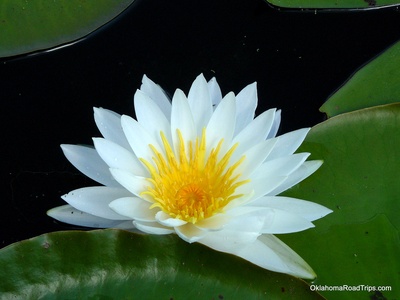
Water lily
Floating-leaved aquatic with large white flowers on lakes and slow ponds. Forms classic pond cover and provides habitat for aquatic invertebrates and birds.
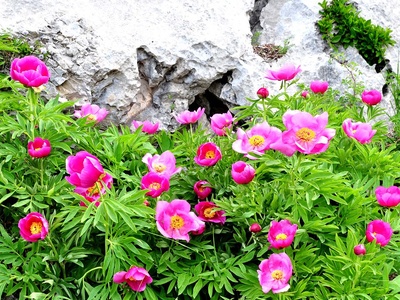
Common peony
Herbaceous perennial of meadows and woodland edges in some inland regions. Large pink-red flowers popular in folklore and traditional gardens.
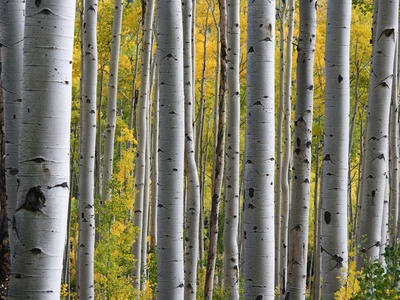
Silver birch
Graceful, white-barked pioneer tree of mountain clearings and secondary woodlands. Light canopy and drooping branches distinguish it in mixed stands.
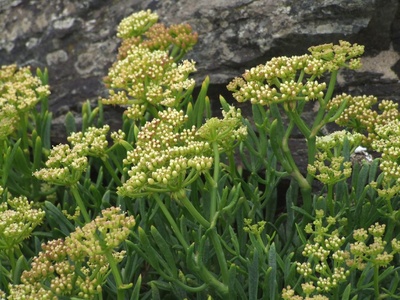
Rock samphire
Succulent, aromatic coastal plant on rocky sea cliffs and headlands. Tolerant of salt spray, historically foraged and used as a condiment.
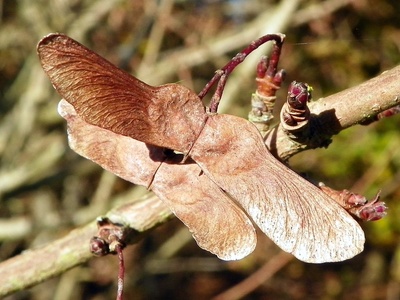
Field maple
Small to medium tree of hedgerows, wood margins and karst basins. Dense canopy and lobed leaves; important for traditional rural landscapes and nesting birds.