Austria’s varied landscapes — from high Alpine ridges to river valleys and mixed woodlands — host a surprising mix of wildlife. Knowing a bit about where species live makes spotting them more rewarding, whether you’re hiking a mountain trail or visiting a lowland reserve.
There are 36 Austria’s native animals, ranging from Alpine ibex to White-tailed eagle; entries show Scientific name,Class,Size (cm) / weight (kg), which you’ll find below.
Where in Austria am I most likely to see these native animals?
Many species are tied to particular habitats: look for Alpine ibex and other mountain specialists above the tree line, birds of prey like the White-tailed eagle near lakes and rivers, and deer or foxes in forests and meadows; visit national parks and nature reserves, go at dawn or dusk, and use binoculars while keeping a respectful distance.
Are any of these species protected or at risk?
Yes — protection and threat levels vary: several species are legally protected and some appear on national or EU red lists due to habitat loss, pollution, or disturbance; check Austria’s official conservation lists or local park information for species-specific status and best practices to help preserve them.
Austria’s Native Animals
| Name | Scientific name | Class | Size (cm) / weight (kg) |
|---|---|---|---|
| Alpine ibex | Capra ibex | Mammal | 120 cm / 70 kg |
| Chamois | Rupicapra rupicapra | Mammal | 100 cm / 35 kg |
| Roe deer | Capreolus capreolus | Mammal | 100 cm / 25 kg |
| Red deer | Cervus elaphus | Mammal | 200 cm / 180 kg |
| Alpine marmot | Marmota marmota | Mammal | 50 cm / 5 kg |
| Eurasian lynx | Lynx lynx | Mammal | 100 cm / 25 kg |
| Red fox | Vulpes vulpes | Mammal | 90 cm / 6 kg |
| European badger | Meles meles | Mammal | 70 cm / 12 kg |
| Eurasian otter | Lutra lutra | Mammal | 100 cm / 10 kg |
| European hare | Lepus europaeus | Mammal | 60 cm / 4 kg |
| Common pipistrelle | Pipistrellus pipistrellus | Mammal | 4 cm / 0.01 kg |
| European hedgehog | Erinaceus europaeus | Mammal | 25 cm / 1 kg |
| Golden eagle | Aquila chrysaetos | Bird | 75 cm / 4 kg |
| White-tailed eagle | Haliaeetus albicilla | Bird | 90 cm / 6 kg |
| Common buzzard | Buteo buteo | Bird | 55 cm / 1.10 kg |
| Peregrine falcon | Falco peregrinus | Bird | 40 cm / 0.90 kg |
| Capercaillie | Tetrao urogallus | Bird | 100 cm / 4.50 kg |
| Black grouse | Lyrurus tetrix | Bird | 60 cm / 1.20 kg |
| Eurasian jay | Garrulus glandarius | Bird | 34 cm / 0.18 kg |
| Common kingfisher | Alcedo atthis | Bird | 17 cm / 0.04 kg |
| Mallard | Anas platyrhynchos | Bird | 60 cm / 1.00 kg |
| Grey heron | Ardea cinerea | Bird | 100 cm / 2.50 kg |
| European adder | Vipera berus | Reptile | 60 cm / 0.10 kg |
| Grass snake | Natrix natrix | Reptile | 120 cm / 0.50 kg |
| Viviparous lizard | Zootoca vivipara | Reptile | 18 cm / 0.02 kg |
| Alpine salamander | Salamandra atra | Amphibian | 15 cm / 0.05 kg |
| Fire salamander | Salamandra salamandra | Amphibian | 20 cm / 0.07 kg |
| European pond turtle | Emys orbicularis | Reptile | 25 cm / 2 kg |
| Common frog | Rana temporaria | Amphibian | 8 cm / 0.05 kg |
| Brown trout | Salmo trutta | Fish | 60 cm / 4 kg |
| European grayling | Thymallus thymallus | Fish | 60 cm / 2.50 kg |
| Huchen | Hucho hucho | Fish | 100 cm / 15 kg |
| European eel | Anguilla anguilla | Fish | 60 cm / 0.50 kg |
| Apollo butterfly | Parnassius apollo | Invertebrate | 7 cm / 0.00 kg |
| Stag beetle | Lucanus cervus | Invertebrate | 7 cm / 0.02 kg |
| Firebug | Pyrrhocoris apterus | Invertebrate | 1 cm / 0.00 kg |
Images and Descriptions
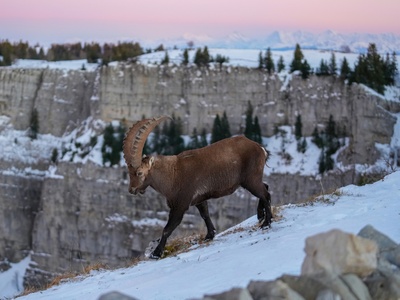
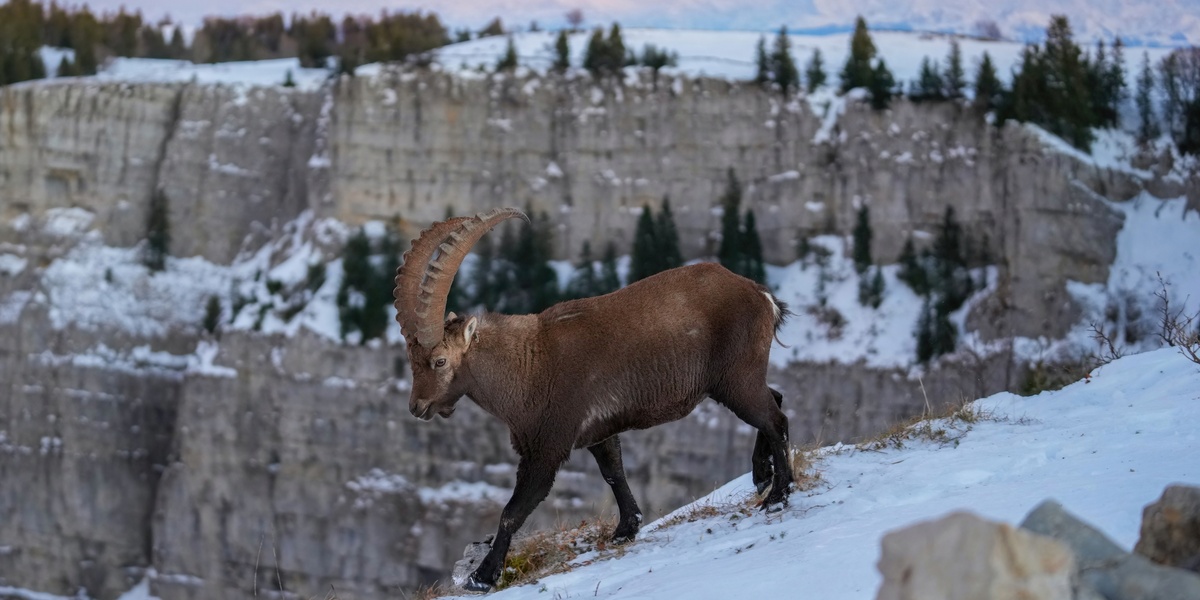
Alpine ibex
Mountain goat of the Alps found in Tyrol and Salzburg (IUCN: LC). Impressive curved horns; best seen on steep limestone faces at sunrise or late afternoon during summer.
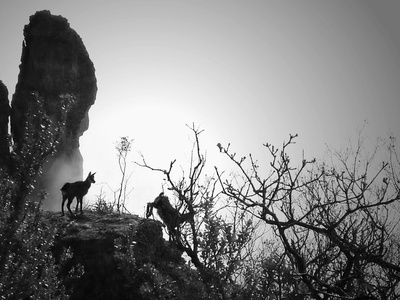
Chamois
Agile Alpine ungulate in high-elevation meadows and rocky slopes (IUCN: LC). Look for quick, bounding silhouettes near tree line; binoculars help at dawn on southern Alpine ridges.
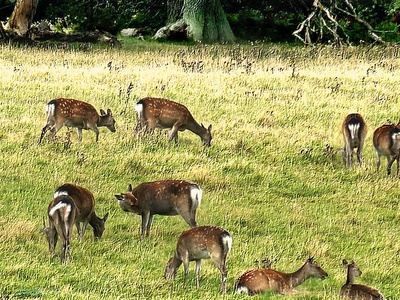
Roe deer
Common in forests, fields and lowland Austria (IUCN: LC). Crepuscular browsers often spotted at forest edges; listen for barking alarm calls in spring.
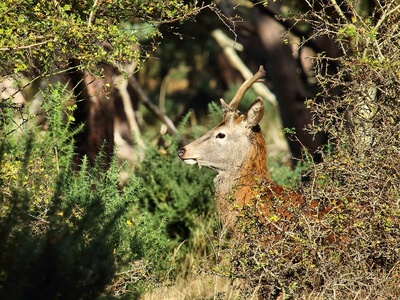
Red deer
Large deer of woodlands and Alpine valleys (IUCN: LC). Dramatic rutting calls in autumn in national parks like Gesäuse; best heard at dawn or dusk.
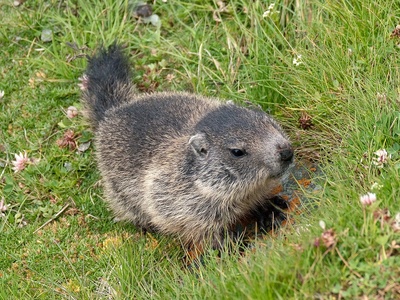
Alpine marmot
Burrowing rodent of high Alpine meadows (IUCN: LC). Whistles alert colonies; visible sunning on rocks in summer near hiking trails above 1,500 m.
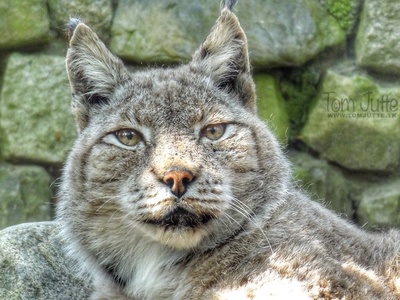
Eurasian lynx
Secretive forest predator returning to parts of Austria (IUCN: LC). Very shy; look for tracks and scrape marks in Bohemian Forest and Karawanks; nocturnal camera traps catch them.
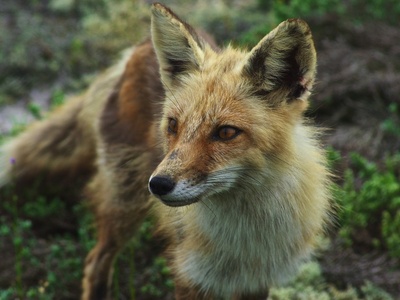
Red fox
Widespread adaptable carnivore in towns, fields and forests (IUCN: LC). Often seen at dusk along country roads and edges of villages; opportunistic feeder.
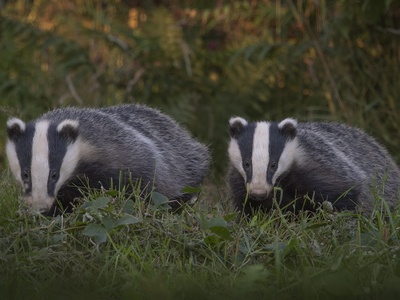
European badger
Nocturnal digger of woodlands and hedgerows (IUCN: LC). Setts are permanent—spot fresh dung or tracks by farm edges after dark with a torch.
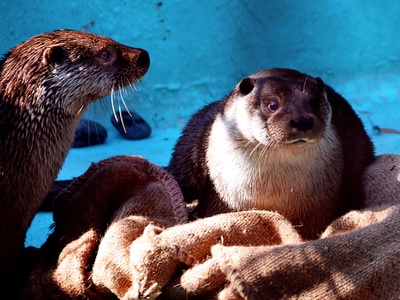
Eurasian otter
Semi-aquatic mammal living in clean rivers and lakes (IUCN: NT). Populations recovering in Danube tributaries; look for slides and spraints on riverbanks at dawn.
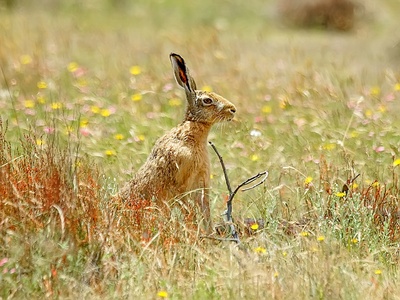
European hare
Open-country lagomorph on meadows and agricultural land (IUCN: LC). Often visible at dusk; impressive daytime shapes in winter against snowy fields.
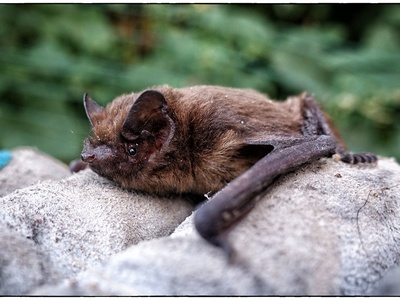
Common pipistrelle
Small, widespread bat of towns and forests (IUCN: LC). Hunt insects at dusk near streetlights and rivers; listen for ultrasonic calls with a detector.
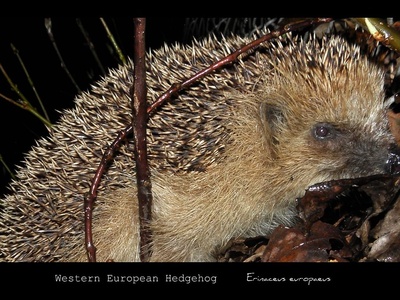
European hedgehog
Nocturnal insectivore in gardens and hedgerows (IUCN: LC). Roll into a ball when approached; spot them at night in suburban gardens during spring and summer.
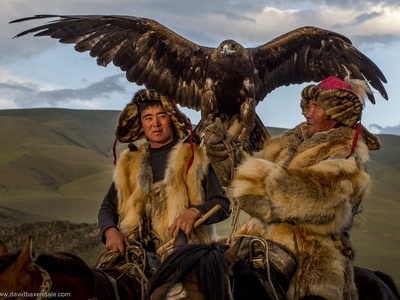
Golden eagle
Majestic raptor of higher Alps and rocky crags (IUCN: LC). Watch soaring birds on thermals above ridgelines in Tirol; keep distance during nesting season.
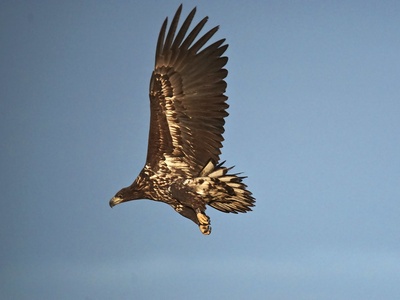
White-tailed eagle
Large fish-eating raptor along lakes and major rivers (IUCN: LC). Increasing in Austria; scan big water bodies like Neusiedl and Danube floodplains for perched adults.
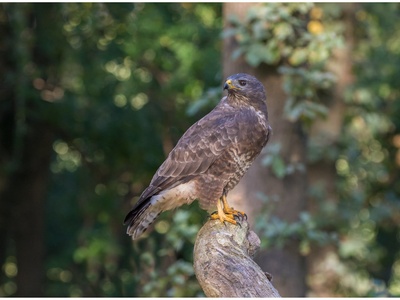
Common buzzard
Frequent soaring raptor over fields and woodlands (IUCN: LC). Often seen circling on thermals along roadsides; variable plumage makes identification a fun challenge.
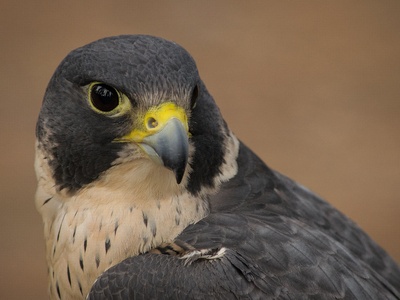
Peregrine falcon
Fast cliff-nesting falcon in mountains and cities (IUCN: LC). Look for high-speed stoops near cliffs or urban skyscrapers; mornings and evenings active.

Capercaillie
Large woodland grouse of mature conifer forests (IUCN: LC). Elusive and declining; dawn lekking displays in spring in remote alpine forests are prime viewing times.
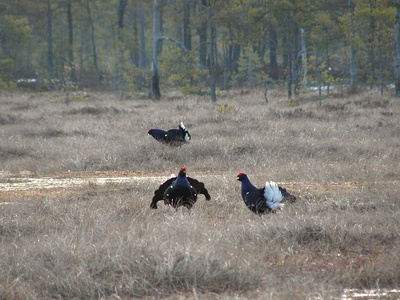
Black grouse
Forest-edge and moorland bird with striking male plumage (IUCN: LC). Watch spring lek sites at dawn in eastern and alpine regions; quiet approach essential.
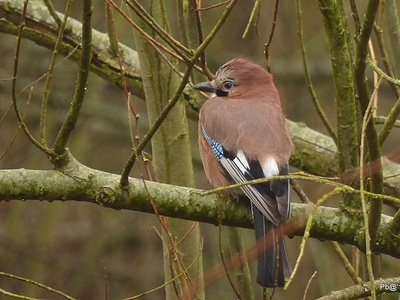
Eurasian jay
Noisy, colorful corvid of woodlands and parks (IUCN: LC). Often seen caching acorns; watch oak forests in autumn for active foraging.
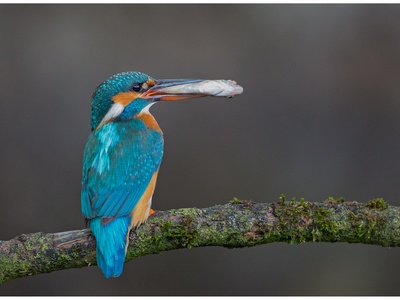
Common kingfisher
Small, bright river bird on clean streams and lakes (IUCN: LC). Flashing turquoise hunting dives; best spotted from hides at slow-moving river bends.
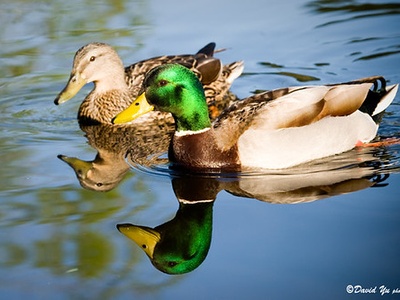
Mallard
Widespread dabbling duck in lakes, ponds and rivers (IUCN: LC). Common year-round; look for pairs and family groups in urban parks and wetlands.
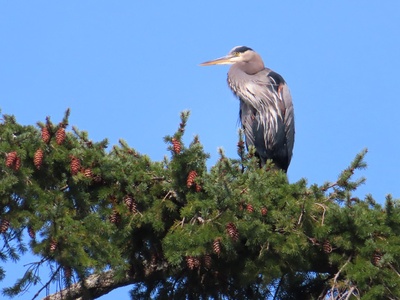
Grey heron
Tall wading bird on wetlands, rivers and floodplains (IUCN: LC). Stands motionless waiting for fish; early morning or dusk gives best sightings along rivers.
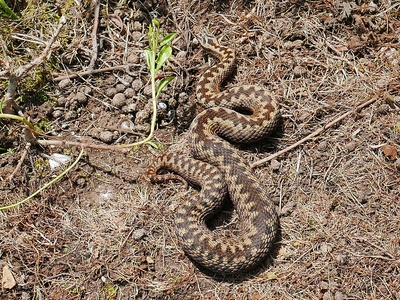
European adder
Venomous but timid snake of heath, forest edge and uplands (IUCN: LC). Often basking on warm rocks in spring; give wide berth and admire from distance.
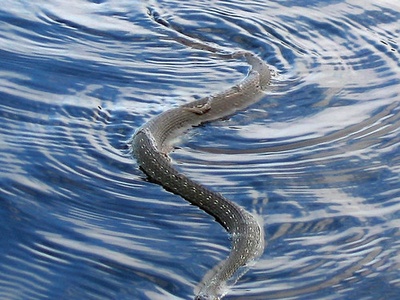
Grass snake
Non-venomous water snake near ponds, rivers and wetlands (IUCN: LC). Good swimmer; watch reed margins and pond edges in lowlands, especially summer evenings.
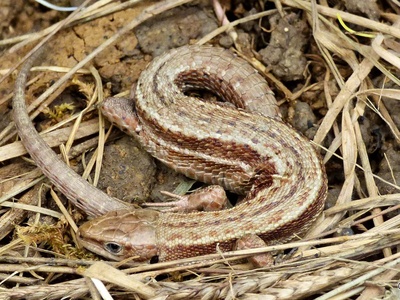
Viviparous lizard
Small cold-tolerant lizard found in alpine meadows and bogs (IUCN: LC). Often seen sunning on stones above tree line; active in daylight even at cool temperatures.
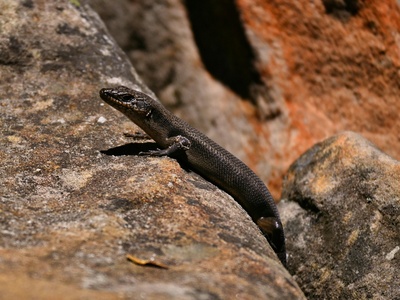
Alpine salamander
Jet-black salamander of high-elevation damp forests and rock faces (IUCN: LC). Live-bearing species; search shady mossy ledges and mountain springs.
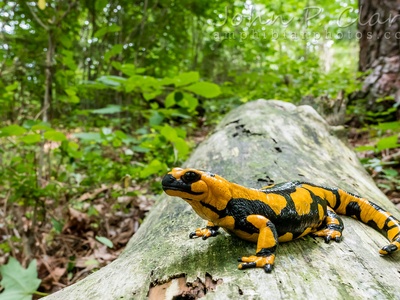
Fire salamander
Black-and-yellow forest amphibian near streams (IUCN: LC). Nocturnal and secretive; spot them after rain at night near woodland brooks.
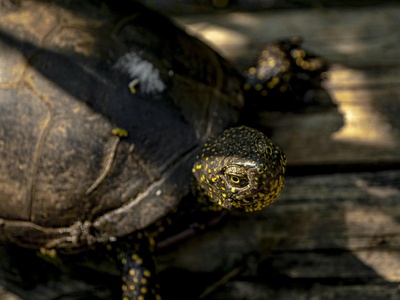
European pond turtle
Freshwater turtle in lowland ponds, marshes and slow rivers (IUCN: NT). Basks on logs in summer; best seen at protected wetlands in eastern Austria.
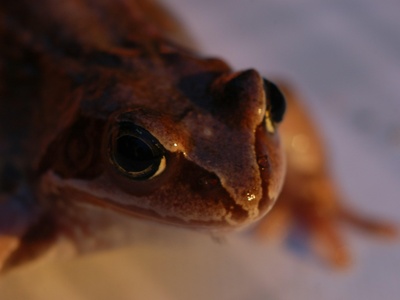
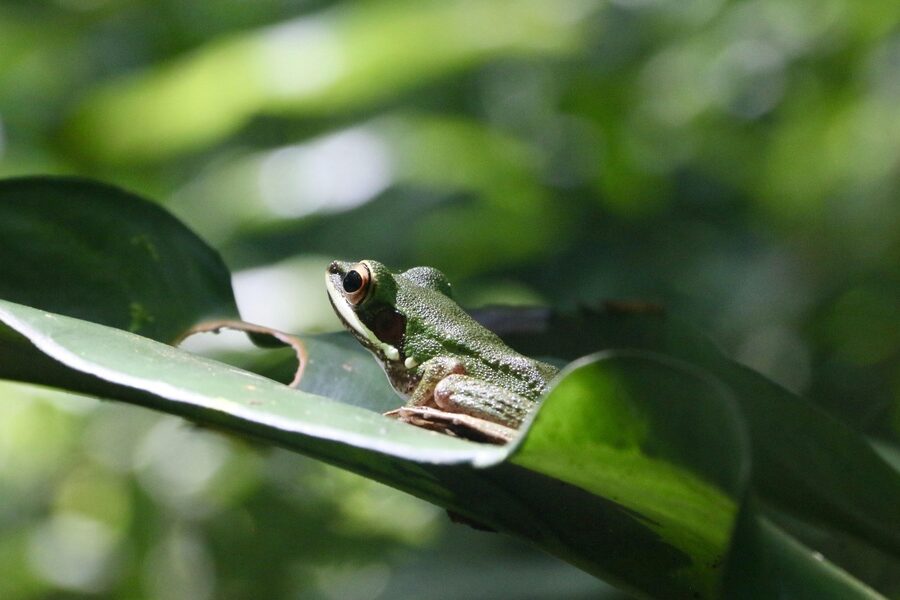
Common frog
Widespread pond-breeding frog in forests and meadows (IUCN: LC). Calls loudly in spring choruses; check garden ponds and forest pools after thaw.
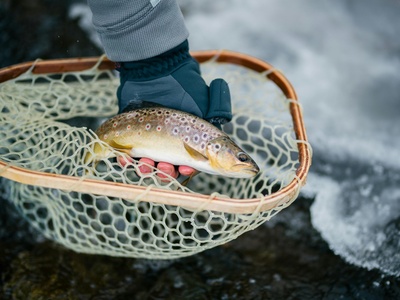
Brown trout
Native river and stream trout across Austria (IUCN: LC). Clear upland streams host resident and migratory forms; look for flashing fish in riffles and pools.
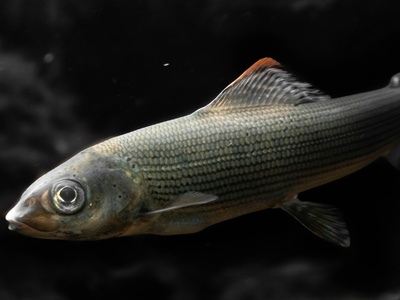
European grayling
Distinct dorsal fin trout relative in cold, fast rivers (IUCN: LC). Visible during low clear water; fish against current in gravel runs of alpine rivers.
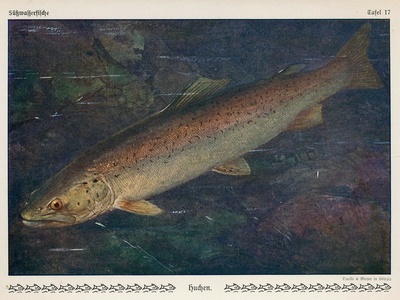
Huchen
Large salmonid of Danube tributaries (IUCN: VU). Iconic and rare; anglers report in the Inn and Salzach—best found in deep, cold, fast-flowing stretches.
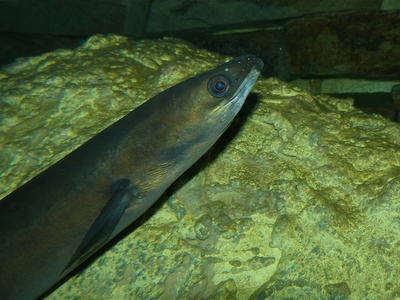
European eel
Long migratory eel using Austrian rivers to reach the sea (IUCN: CR). Critically endangered migrant; nocturnal and secretive—look for them in slow river margins and old oxbows.
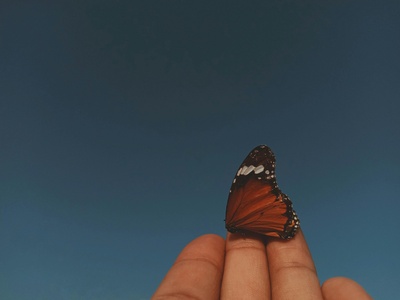
Apollo butterfly
Striking alpine butterfly on sunny herb-rich slopes (IUCN: VU). White wings with red eyespots; best seen in subalpine meadows on warm, calm summer afternoons.
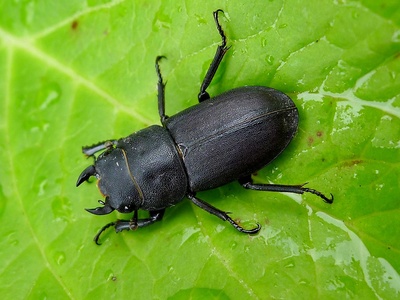
Stag beetle
Large saproxylic beetle of old-growth woodlands and parks (IUCN: NT). Males display large mandibles; spot flying males at dusk in warm June evenings near rotting wood.
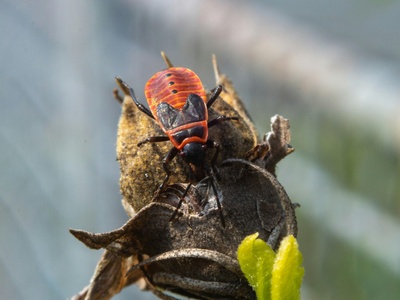
Firebug
Common red-and-black seed-eating bug on linden and lime trees (IUCN: LC). Gregarious clusters on sunny walls and tree trunks in spring; easy to observe in lowlands.