Herbs like mint and basil show up in recipes and medical texts dating back to ancient Greece and Rome, where cooks and physicians prized them for flavor and healing properties.
Those same leaves still pop up in kitchens, gardens, and home remedies today. But swapping one for the other can change a dish, a planting plan, or a remedy in surprising ways.
This piece lays out 8 differences so you can tell mint vs basil apart in the garden, on the plate, and in the medicine cabinet. You’ll get botanical facts, flavor and culinary guidance, growing tips, and practical safety notes—eight concrete contrasts to use right away.
Along the way you’ll see clear examples (peppermint and Genovese basil), a few numbers, and simple, actionable advice for cooks and gardeners alike. Ready? Let’s move into the specifics.
Botanical & Taxonomy Differences
Mint and basil both sit inside the larger Lamiaceae, the mint family, but they belong to distinct genera with different evolutionary histories and appearances.
1. Species and Genus: Mentha versus Ocimum
Most culinary mints are in the genus Mentha, while common basils fall under Ocimum. That single-line difference explains a lot about how each group is bred and used.
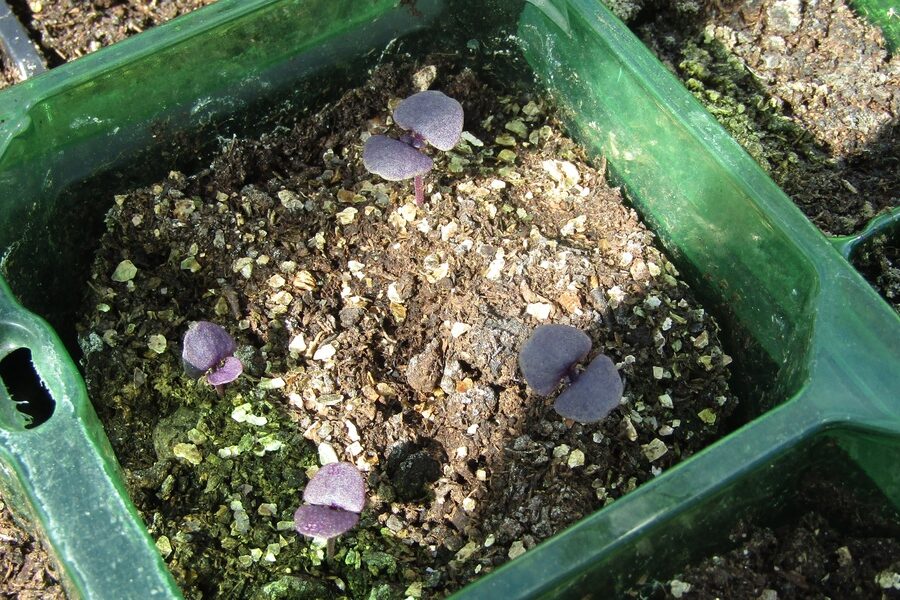
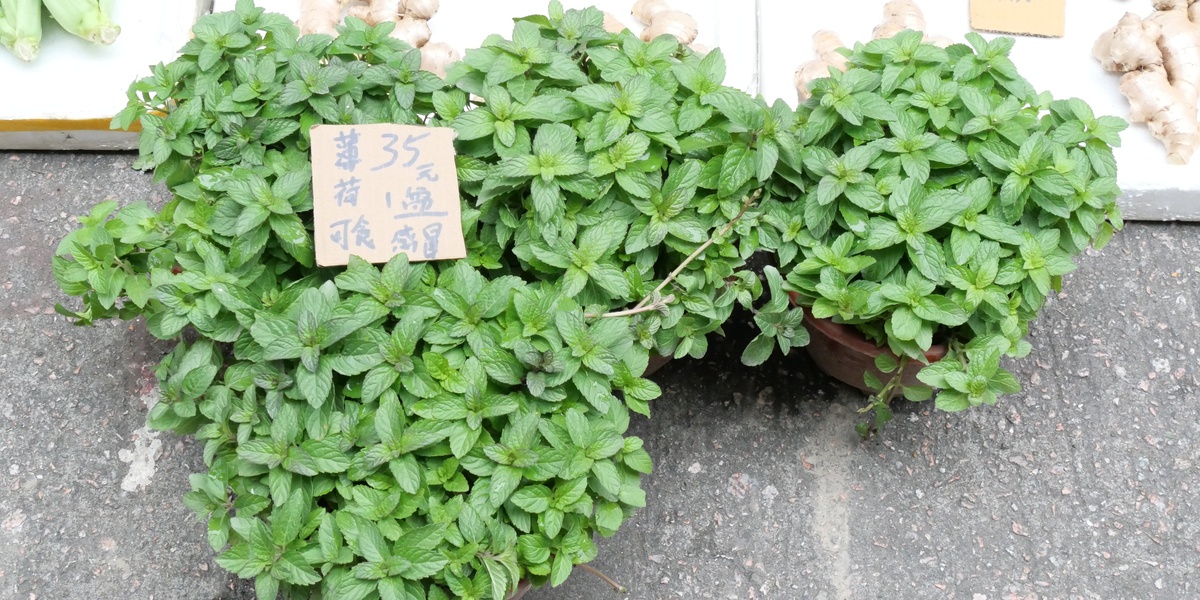
Peppermint (Mentha x piperita) is a well-known Mentha hybrid often grown for its oil, and sweet basil (Ocimum basilicum) includes many cultivars such as Genovese that chefs prize for leaf size and aroma.
Mentha species and hybrids tend to hybridize readily and spread aggressively. Ocimum breeding focuses on leaf shape, aroma chemotypes, and flavors, so there are dozens of culinary basil cultivars aimed at specific tastes.
2. Leaf Shape, Texture and Aroma Chemistry
At a glance, mint leaves often show toothed margins and a textured or slightly fuzzy surface. Basil leaves are typically smoother, broader, and softer to the touch.
The chemistry under those leaves is different too. Many mints are rich in menthol and related terpenes; peppermint oil, for example, can contain roughly 30–50% menthol in common chemotypes.
Basil chemotypes lean on phenylpropanoids and terpenoids such as eugenol, linalool, and estragole. That explains why mint gives a cooling sensation and some basils deliver clove, anise, or floral notes—Thai basil’s anise-like flavor comes from higher estragole levels.
Flavor Profiles and Culinary Uses
Once you understand the aroma chemistry, their culinary roles fall into place. Mint brightens and cools, while basil deepens and sweetens savory dishes.
3. Flavor profile: cooling menthol versus sweet, clove-like basil
Mint’s menthol produces that immediate cooling, almost numbing sensation on the tongue. It refreshes and cuts through fattiness in foods and drinks.
Basil’s volatiles like eugenol and linalool create warm, sweet, and slightly peppery notes that complement tomatoes, cheeses, and olive oil.
Practical pairings are straightforward: mint is a go-to for lamb, yogurt sauces, iced drinks, and desserts. Basil is classic in pesto, caprese salads, and many Mediterranean and Southeast Asian savory preparations.
For a concrete cooking ratio: classic Genovese pesto often uses about 2 cups packed basil leaves to 1/2 cup olive oil and roughly 1/3 cup pine nuts—swap mint and the sauce will shift from savory to bright and herbaceous in an unexpected way.
4. Culinary roles and substitution tips
These herbs occupy different niches in the kitchen, so substitutions need care. Basil typically finishes a dish to preserve delicate aromatics, while mint tolerates both raw additions and brief infusions.
Add basil right at the end of cooking or tear leaves over a hot plate so the heat releases aroma without cooking the leaf to mush. Mint can be bruised for cocktails, steeped for tea, or folded into cold sauces and salads.
Substitution rule of thumb: swapping mint into a tomato–mozzarella salad will feel odd; trying basil in a mojito will lose that cooling lift. Use small test amounts when experimenting—start with a teaspoon of chopped herb and adjust.
Growing Habits and Garden Care
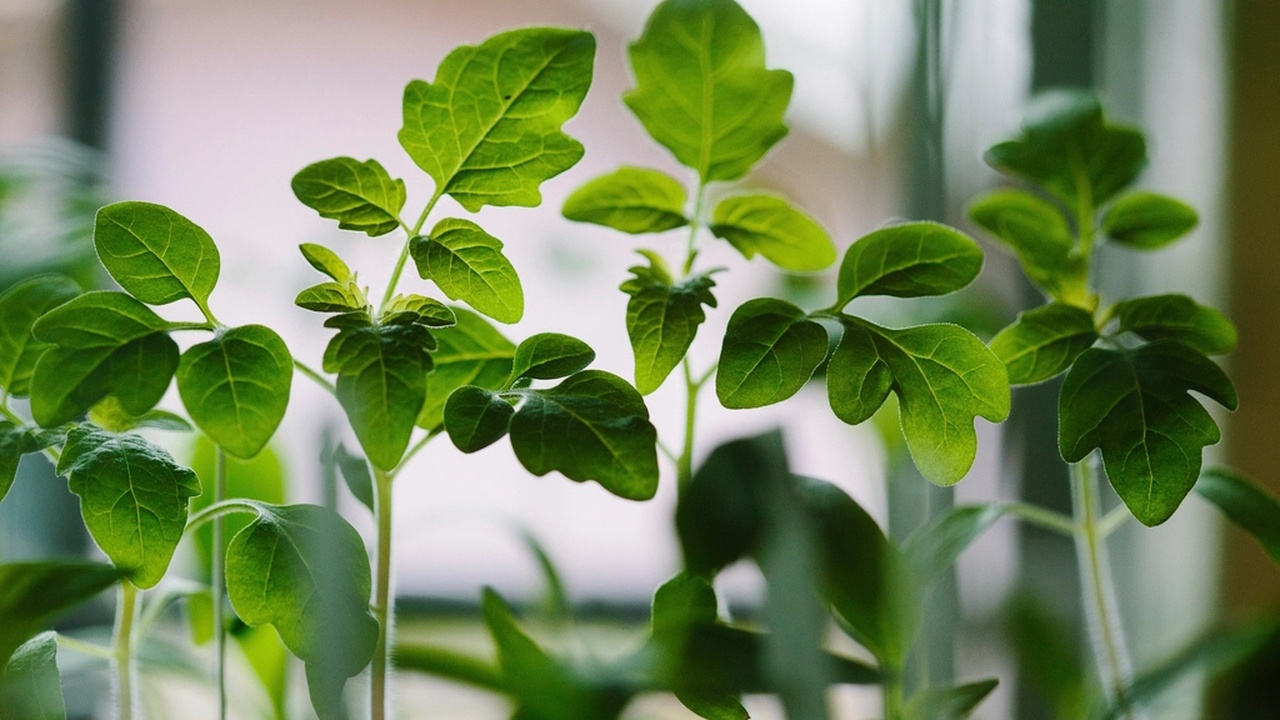
Mint and basil need different homes. Mint often behaves like a hardy, spreading perennial, while basil prefers warmth and is usually treated as a tender annual.
5. Hardiness, lifecycle and space behavior
Mint is typically hardy in roughly USDA zones 3–8 and will return each year in many climates. It spreads by runners and can overtake beds if left unchecked.
Basil thrives in warm weather—optimal daytime temperatures are about 70–85°F (21–29°C). It is frost-sensitive, so plant basil after your last expected frost and treat it like an annual in cooler regions.
Planting tips: space basil about 12–18 inches apart for good airflow. Keep mint in pots or use root barriers to avoid an invasive patch taking over the garden.
6. Propagation, pruning and pest considerations
Mint propagates easily by division and stem rooting. It produces runners that root at nodes, so dividing the crown every 1–2 years keeps vigor in check.
Basil grows quickly from seed and from cuttings. Pinch the growing tips regularly to promote bushiness and delay flowering so you get more leaf production.
Watch for common pests: aphids and flea beetles bother both herbs. Basil can suffer from downy mildew in humid conditions—improve airflow and avoid overhead watering to reduce risk.
Nutritional, Medicinal and Practical Uses
Both herbs add flavor with virtually no calories, but their phytochemical profiles lead to different practical uses in medicine and products.
7. Nutritional profile and kitchen-scale impact
Fresh herbs are used in small quantities. A tablespoon of chopped fresh herb is roughly 1–2 kcal, so they flavor food without adding meaningful calories.
They do supply trace vitamins and antioxidants. For example, basil contributes some vitamin K and polyphenols, but quantities are small unless you use large amounts or make pesto.
Practical point: a spoonful of pesto raises fat and calorie counts because of oil and nuts. By contrast, adding a tablespoon of fresh mint to yogurt brightens flavor for almost no caloric cost.
8. Medicinal uses, essential oils and safety notes
Peppermint oil has a long history in digestive remedies and is studied in adults for relief of functional digestive symptoms. It also appears in topical products and aromatherapy blends.
Basil extracts show antioxidant and anti-inflammatory activity in laboratory and some clinical studies, and the herb is used in traditional remedies in several cultures.
Safety matters. Never apply concentrated essential oils undiluted to skin. Pregnant people should check with a clinician before using concentrated herbal extracts. And if you take blood thinners, be mindful that regular, large intakes of vitamin-K–rich herbs could affect therapy—though culinary amounts are usually negligible.
Consumer products range from peppermint teas and enteric-coated peppermint capsules for adults to diluted basil essential oils in aromatherapy. Keep claims modest and consult health professionals for medical use.
Summary
- Botany: Mint (Mentha) and basil (Ocimum) are both in Lamiaceae but are different genera with different lifecycles—mint tends to be a perennial spreader; basil is usually a tender annual.
- Flavor and use: Mint’s menthol gives cooling brightness for drinks, desserts, and fattier foods; basil’s eugenol and linalool bring warm, savory notes ideal for pesto, caprese, and many sauces.
- Growing: Keep mint contained (pots or barriers); plant basil after the last frost and space plants 12–18 inches for airflow. Basil prefers 70–85°F while many mints tolerate cooler winters (USDA zones ~3–8).
- Practical and safety notes: Both herbs add big flavor for about 1–2 kcal per tablespoon. Peppermint oil appears in digestive products; basil shows antioxidant activity. Dilute essential oils, and consult a clinician for use during pregnancy or with medication.
- Quick experiment: try a small recipe swap—add a tablespoon of chopped mint to yogurt or use 2 cups packed basil leaves to make a classic pesto—and note how each herb shifts the dish.