Have you ever watered a houseplant only to watch the water pour straight through the pot like it never soaked in?
When roots fill a container and start crowding one another, they can no longer support healthy top growth — that condition is called being root bound. A cramped root system reduces water and nutrient uptake, weakens anchorage, and makes plants more prone to pests and disease.
Many common houseplants do best with repotting every 12–24 months, so catching trouble early pays off in brighter leaves and steadier growth. Curious which cues to look for? Below are eight clear signs, grouped into three practical categories: above‑ground symptoms, soil and watering clues, and direct root or pot evidence.
If you’re trying to spot signs your plant is becoming root bound, read on for hands‑on tests and simple fixes.
Above‑ground signs you can see
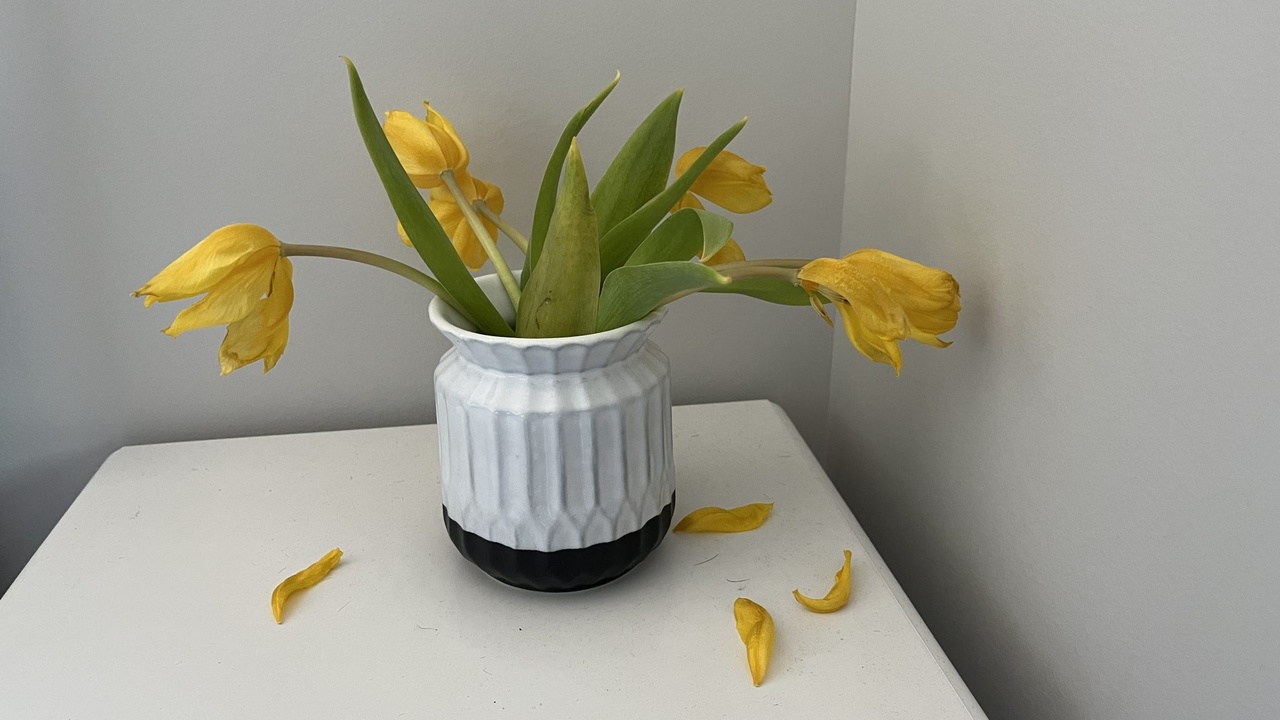
Above‑ground clues are usually the first things owners notice: wilting leaves, slowed growth, or discoloration. Roots that are packed tightly can’t move water and nutrients efficiently, so leaves and stems begin to show stress even when light and humidity are fine.
Fast growers such as Pothos, Philodendron, and Ficus often reveal problems sooner — commonly within 12–18 months when kept in small pots. Slow growers can hide symptoms longer, but once they show stress the underlying root issue is often advanced.
Use above‑ground cues as a prompt to inspect the root ball. If a plant looks thirsty, has smaller new leaves, or shows unusual leaf drop, it’s time to check the pot rather than just increasing light or fertilizer.
1. Wilting or drooping even after you water
Wilting despite fresh watering is a classic sign a plant may be root bound. Dense roots can’t draw water evenly, and sometimes water channels straight through the pot without wetting the root mass.
Test quickly by lifting the pot before and after watering to sense weight, or tip the pot and watch whether water streams out the drainage holes immediately. If a small 6‑inch Pothos still feels light after a thorough soak, dig deeper.
When you inspect, gently tease the root ball; if roots are dense at the surface, move the plant to a pot 1–2 inches larger or loosen the roots and refresh the mix.
2. Stunted or slowed new growth
If new leaves are smaller than last season’s or new nodes appear only rarely, the root system may lack the space to support fresh top growth. Roots need room to expand in order to feed new shoots.
For normally fast growers, no visible new growth for 2–3 months during the growing season is a clear signal to inspect roots. A Philodendron that stopped producing normal‑sized leaves in spring is a common example.
Solutions include pruning circling roots, repotting into fresh mix, or moving up one pot size (about 1–2 inches diameter) to give roots breathing room.
3. Yellowing leaves, sudden leaf drop, or brown leaf edges
Restricted roots create uneven water and nutrient supply, so older leaves often yellow first while newer growth flags. Brown edges can appear when the plant alternates between brief soaking and long drought because the root mass can’t distribute moisture reliably.
You may notice fertilizer seems to do nothing in these pots because the crowded root zone limits nutrient exchange. A snake plant with persistent brown tips despite regular feeding often turns out to be root restricted.
Quick diagnostics: check moisture uniformity across the pot, smell the soil for stale, anaerobic odors, then remove the plant for a closer look if problems persist. Flushing and a partial mix refresh can help short term.
Soil and watering clues
Root crowding changes how the potting mix behaves. The physical presence of roots reduces porosity, channels water, and can create dry pockets or soggy zones depending on the pattern of root growth.
Hands‑on checks reveal the problem: water that runs straight through, surface crusting that repels moisture, or a pot that becomes waterlogged near the roots. Remember the 12–24 month repot guideline for many indoor species when troubleshooting.
Decide whether to refresh the mix or repot entirely based on how much of the pot volume is now roots versus soil. Small refreshes work if roots occupy only a minority of the pot; otherwise move up in pot size and replace the medium.
4. Water runs straight through or pools on the surface
Water behavior gives two opposite but telling patterns: immediate runoff or surface pooling. Compacted root masses can create channels so water rushes out drainage holes, while dense mats at the surface repel moisture and cause pooling.
Do a simple at‑home test: pour slowly for 30–60 seconds and time how long the pot takes to absorb the water. You can also submerge the pot briefly and watch for bubbles, which indicate trapped air and poor uptake.
Remediation ranges from loosening the root ball and replacing some potting mix to full repotting, depending on how clogged the roots appear when you lift the plant.
5. Fertilizer seems ineffective or plants need more frequent feeding
A crowded root ball can reduce nutrient exchange so fertilizer appears to have little effect. Conversely, very small pots simply run out of buffering capacity and need feeding more often because there’s less medium to hold nutrients.
If you’re fertilizing monthly with little response from a Monstera or similar, lift the plant and check the root zone. A quick flush of the pot will reveal excess salts and help diagnose whether buildup is hiding the real issue.
When salt buildup isn’t the main problem and roots dominate the pot, repotting into fresh mix or moving up one pot size is the better long‑term fix.
Direct root and pot evidence
These are the clearest, most mechanical signs: visible roots, circling mats, bulging or cracked pots. Inspecting roots safely gives definitive answers about whether a plant needs more space.
Use a gentle removal technique to avoid damage: support the stem base, invert the pot while cupping the root ball, and tap the rim to loosen. If roughly 70–80% of the pot volume is occupied by roots, plan to repot.
Preventive choices include air‑pruning pots or selecting a pot only 1–2 inches larger in diameter to reduce transplant shock while giving roots needed room.
6. Roots visible at drainage holes or creeping across the soil surface
If roots are escaping through the drainage holes or crawling across the soil surface, the plant is almost certainly root bound. Roots hunt for space and moisture, so they exploit any exit points.
Inspect every 6–12 months on fast growers. To remove the plant safely, support the stem base, turn the pot upside down, and tap the pot rim while holding the root ball. If roots fill more than about 70–80% of the ball, repot.
Surface roots forming a web across the soil are common in English ivy and other vigorous vines; addressing them early prevents girdling and poor water flow.
7. Roots circling the root ball or forming a dense mat
The classic circling pattern appears when roots wrap around the pot’s interior and form a dense mass. Those girdling roots can strangle the plant and reduce anchorage and water uptake.
Gently uncoil or shave the outer layer of roots before repotting; for many plants you can trim an inch or two of the root perimeter with a clean, sharp knife. For woody or older specimens like ficus, prune conservatively or consult a pro.
After loosening, repot into fresh mix and choose the next pot up in diameter — typically 1–2 inches larger — to encourage outward root growth rather than more circling.
8. Pot bulging, cracking, or plants being pushed up out of the pot
Expanding roots can deform containers, split terracotta, or even push lightweight plastic pots upward. That physical pressure is a straightforward signal the root system needs more room.
Handle damaged pots carefully: move them to a tray before lifting, wear gloves, and support the root ball to avoid spills. Long term, replace cracked pots and repot into a sturdier container one size larger.
A cracked terracotta pot around a woody rootball is a common example; swapping to a new pot and refreshing the soil solves both safety and health issues.
Summary
- Look first for above‑ground cues — wilting after watering, smaller new leaves, or yellowing and browning — and treat those as prompts to check the root ball.
- Use simple soil and watering tests: lift a recently watered pot to judge weight, pour slowly for 30–60 seconds to time absorption, or flush to reveal salt buildup before changing fertilizer routines.
- Inspect roots safely by supporting the stem base, inverting the pot, and tapping the rim; if roots occupy roughly 70–80% of the volume, repot into fresh mix and increase diameter by about 1–2 inches.
- Many indoor plants benefit from repotting every 12–24 months. If you spot any one clear sign this weekend, lift the pot, check the roots, and either refresh the mix or move the plant up a size.