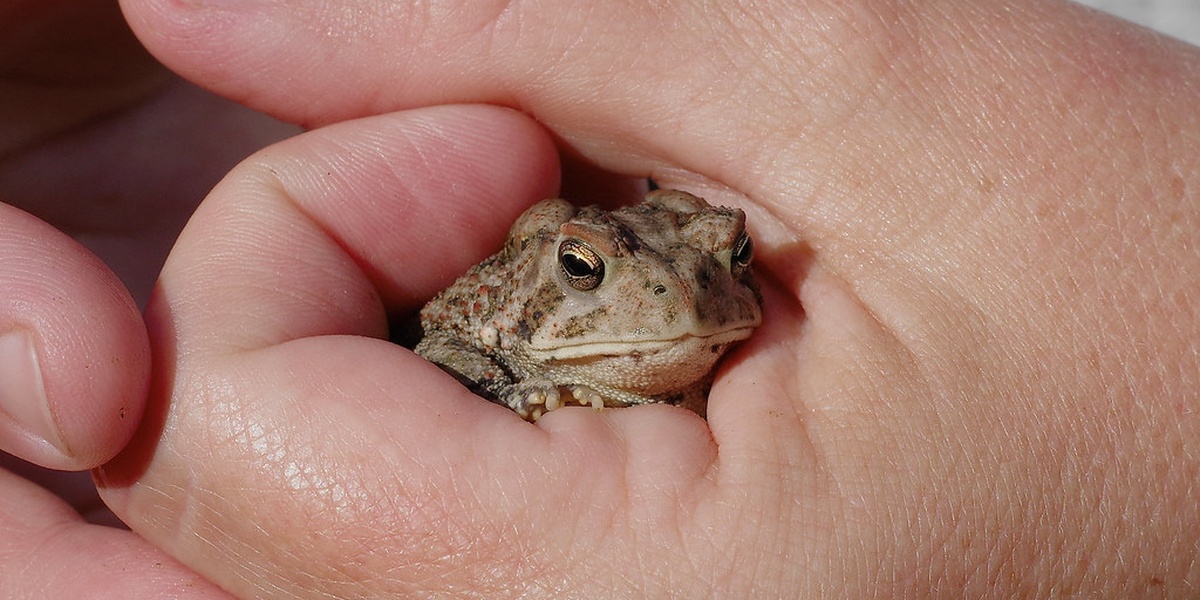
Armenia’s patchwork of mountain valleys, rivers and seasonal wetlands supports a surprising mix of amphibian life despite the country’s modest size. From highland streams to lowland ponds, these species are keyed into specific habitats and seasonal patterns that make field observation both rewarding and manageable.
There are 9 Amphibians of Armenia, ranging from Banded newt to Southern crested/striped newt. For each species you’ll find below Scientific name,IUCN status,Armenia distribution & habitat — a concise summary of identity, conservation standing and where to look in the country. All details are listed below.
Where and when is it easiest to see these amphibians in Armenia?
Spring and early summer — after the thaw and first rains — is the best time: breeding activity brings frogs, toads and newts to ponds, marshes, slow-moving streams and irrigation channels. Elevation matters (some species favor lowland wetlands, others mountain streams), so check local habitat notes and visit at dusk or after rain.
What are the main threats and how are these species monitored?
Threats include habitat loss, water pollution and altered hydrology; some species have restricted ranges and are more vulnerable. Conservation relies on IUCN assessments, protected areas, habitat restoration and periodic field surveys; supporting local monitoring groups helps improve data and protections.
Amphibians of Armenia
| Name | Scientific name | IUCN status | Armenia distribution & habitat |
|---|---|---|---|
| Common toad | Bufo bufo | LC | Widespread lowlands to montane meadows, near ponds |
| European green toad | Bufotes viridis | LC | Steppe, arid foothills, agricultural areas with temporary pools |
| Eastern spadefoot | Pelobates syriacus | LC | Dry steppe, loess soils and lowland temporary pools |
| Marsh frog | Pelophylax ridibundus | LC | Lakes, marshes and slow rivers in lowlands and valleys |
| Long-legged wood frog | Pelophylax macrocnemis | LC | Montane streams, alpine lakes and forested wetlands |
| Oriental tree frog | Hyla orientalis | LC | Riparian trees, orchards and irrigated fields in river valleys |
| Smooth newt | Lissotriton vulgaris | LC | Ponds, slow streams, gardens from lowlands to hills |
| Banded newt | Ommatotriton vittatus | LC | Foothill and montane ponds, rocky streams and wetlands |
| Southern crested/striped newt | Triturus vittatus (Ommatotriton vittatus sensu lato) | LC | Mountain and foothill waterbodies, seasonal pools |
Images and Descriptions
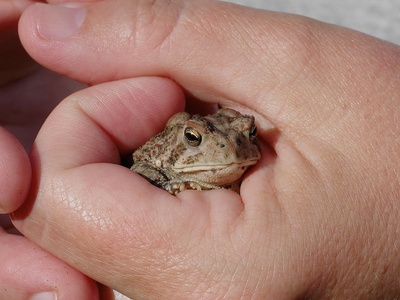
Common toad
A stocky, brown-grey toad common across Armenia; emerges in spring to breed in ponds and slow streams. Tolerant of gardens and farmland but threatened locally by road mortality, drainage and habitat loss.
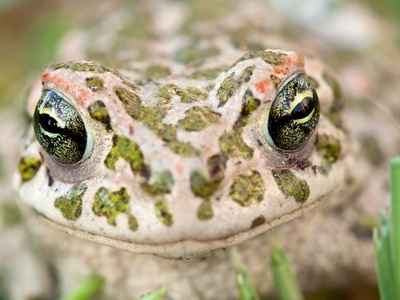
European green toad
Distinctive green blotches on a sandy background; active at night and breeds in ephemeral pools. Adapted to dry habitats and urban edges; populations vary with precipitation and can decline after heavy land-use change.
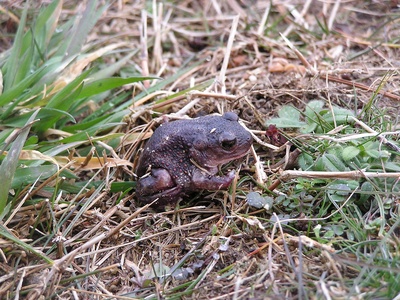
Eastern spadefoot
A subterranean, round-bodied frog with powerful hind feet for digging; emerges after heavy rains to breed explosively in temporary pools. Sensitive to agricultural intensification and pond loss.
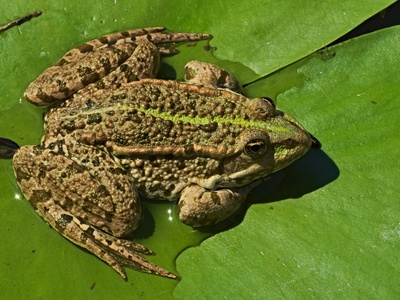
Marsh frog
A large green water frog often heard as loud choruses in summer. Prefers permanent water with vegetation; common but vulnerable to wetland drainage, pollution and introduced fish.
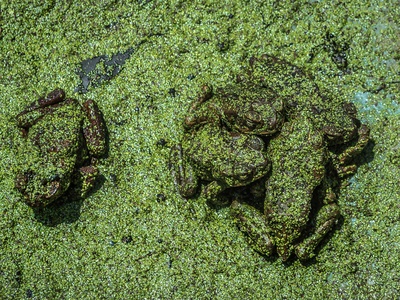
Long-legged wood frog
A robust, long-legged frog of mountain valleys and clear streams; breeds in high-elevation ponds. Often seen at dusk; habitat loss and water pollution are main threats.
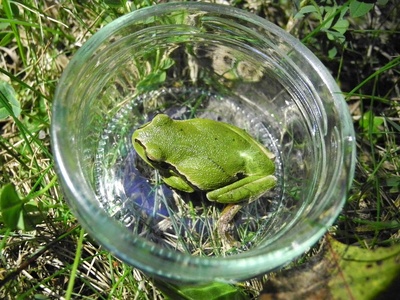
Oriental tree frog
A small, bright tree frog that climbs vegetation near water; sings from shrubs and reeds in spring and summer. Common in irrigated landscapes but sensitive to pesticide use.
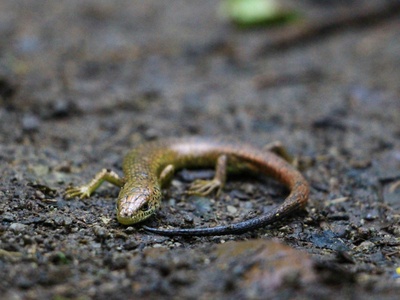
Smooth newt
A slender, orange-bellied newt that breeds in still waters; males display elaborate tails in season. Often overlooked on land; pond loss and fish introductions reduce local numbers.
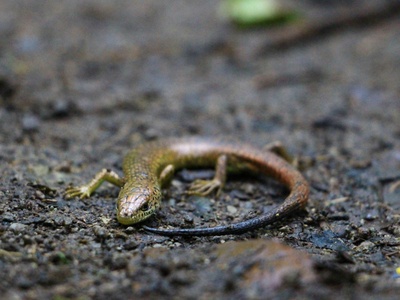
Banded newt
A medium-sized newt with bold dorsal stripes and terrestrial habits outside breeding season. Prefers clean, vegetated pools; threatened locally by water diversion, pollution and habitat fragmentation.

Southern crested/striped newt
Elongated newt with dorsal striping and crested males in breeding season; uses temporary and permanent pools. Populations depend on intact wetland networks and clean water.