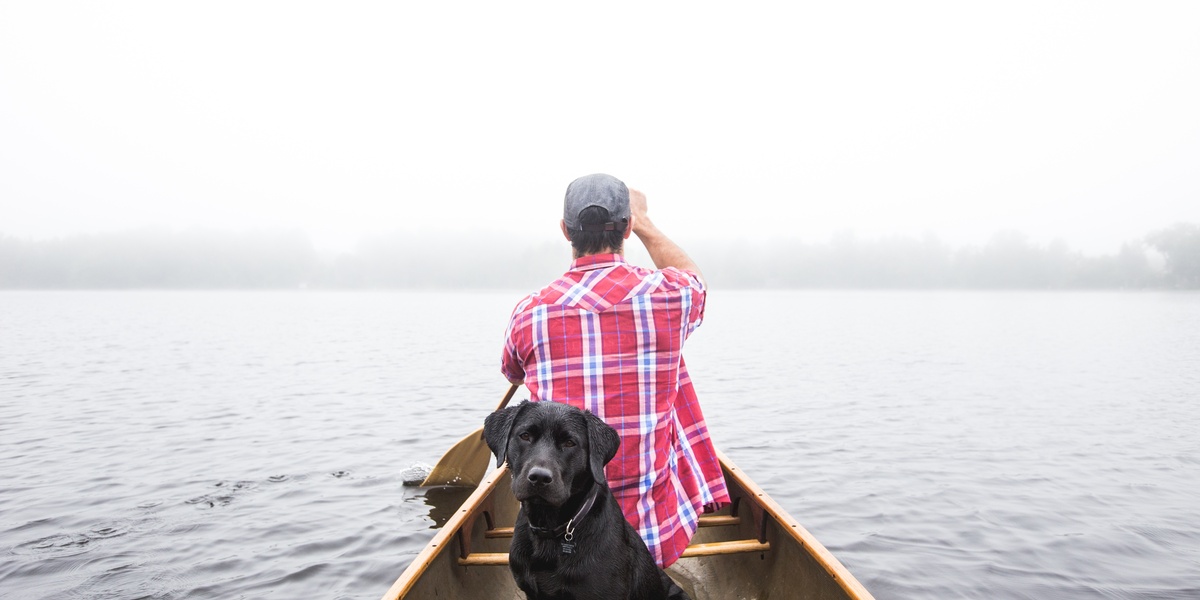
From misty northern lakes to rocky coastal inlets, people have long worked with dogs that love the water and can help bring in nets, gear or fish. Those working partnerships shaped breeds with strong swims, waterproof coats and steady retrieval instincts.
There are 15 fishing dog breeds, ranging from American Water Spaniel to St. John’s Water Dog. For each breed you’ll find below the Scientific name, Size (kg), Water ability & role.
Which fishing dog breeds handle cold water best?
Breeds with thick, oily coats, heavy undercoats and webbed feet—often developed in northern climates—are best for cold-water retrieval; they maintain body heat and stamina for longer swims, so prioritize those traits when choosing a dog for chilly lakes or coastal work.
How should I start training a dog for fishing and safe water work?
Begin with solid obedience, short supervised swims and positive-reinforcement retrieves, add a life jacket for confidence, then gradually introduce boats, waves and wet gear; consistent recall, release commands and endurance-building sessions keep both dog and equipment safe.
Fishing Dog Breeds
| Breed | Scientific name | Size (kg) | Water ability & role |
|---|---|---|---|
| Newfoundland | Canis lupus familiaris | 45–68 | Powerful swimmer; net hauling, rescue, boat retrieval |
| Labrador Retriever | Canis lupus familiaris | 25–36 | Excellent swimmer; fish and net retrieval, boat companion |
| St. John’s Water Dog | Canis lupus familiaris | 23–30 | Historic fishing boat retriever and net helper |
| Portuguese Water Dog | Canis lupus familiaris | 16–23 | Agile swimmer; herded fish, retrieved, carried messages between boats |
| Spanish Water Dog | Canis lupus familiaris | 14–22 | Versatile water worker; retrieving and coastal assistance |
| Barbet | Canis lupus familiaris | 18–28 | Marsh and river retriever; waterfowl and boat assistance |
| Poodle (Standard) | Canis lupus familiaris | 20–32 | European water retriever; fetches waterfowl, boat work |
| Chesapeake Bay Retriever | Canis lupus familiaris | 25–36 | Rugged waterfowl retriever; icy bay and boat work |
| Curly-Coated Retriever | Canis lupus familiaris | 25–37 | Waterfowl and shoreline retriever; strong swimmer |
| Flat-Coated Retriever | Canis lupus familiaris | 25–36 | Buoyant water retriever; shore and boat retrieval |
| Golden Retriever | Canis lupus familiaris | 25–34 | Reliable water retriever; waterfowl and boat-friendly |
| Irish Water Spaniel | Canis lupus familiaris | 20–27 | Freshwater retriever; lake and river work |
| American Water Spaniel | Canis lupus familiaris | 11–20 | Compact lake and river retriever; boat-capable swimmer |
| Nova Scotia Duck Tolling Retriever | Canis lupus familiaris | 17–23 | Toller and retriever; lures and fetches waterfowl near boats |
| Otterhound | Canis lupus familiaris | 25–40 | River otter hunter; strong swimmer protecting fisheries |
Images and Descriptions

Newfoundland
Massive, gentle working breed from Newfoundland. Historically boarded fishing boats, hauled nets, retrieved people and gear, and excelled in cold-water rescue. Suited to anglers wanting a calm, strong companion for boat life and heavy water work.
Labrador Retriever
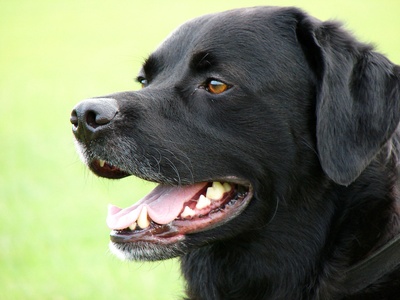
Versatile gundog originating from St. John’s dogs. Famously ferried alongside fishermen, retrieved nets and fish, and excels at swimming and soft-mouth retrieval. Popular with anglers for steady temperament, trainability, and willingness to ride boats.
St. John’s Water Dog
Extinct working dog from Newfoundland and Labrador; ancestors of modern Labradors and Newfoundlands. Used heavily by 18th–19th‑century fishermen for retrieving fish and towing lines. Important historical connection to fishing communities and boat work.
Portuguese Water Dog
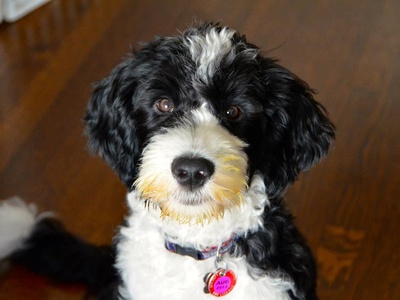
Traditional companion of Portuguese fishermen. Bred to herd fish into nets, carry messages between boats, and retrieve items from water. Agile swimmer with webbed feet, well-suited to life aboard small fishing vessels and coastal work.
Spanish Water Dog
Spanish working breed used across coasts and inland waterways for retrieving, herding fish, and helping fishermen in some regions. Strong swimmer, versatile worker, and loyal companion for anglers who favor an energetic, intelligent boat dog.
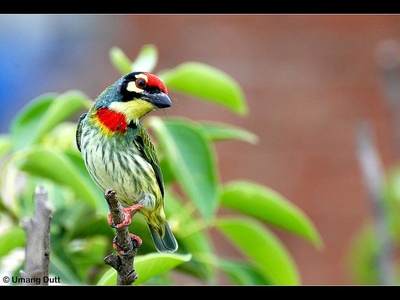
Barbet
Old French water dog traditionally used to retrieve waterfowl and assist fishermen in marshes and rivers. Dense curly coat and strong swimming instinct make it useful for boat and shoreline retrieval tasks; affectionate and trainable.
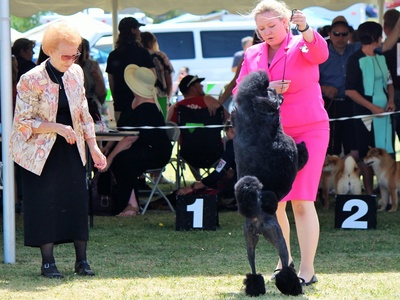
Poodle (Standard)
Standard Poodle began as a European water retriever, used to fetch waterfowl and work around boats. Highly intelligent, excellent swimmer, and valued for water-retrieving skills despite modern pet roles; often still used by enthusiasts for boat work and hunting.
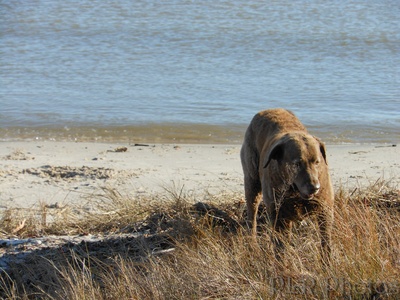
Chesapeake Bay Retriever
Developed in North America’s Chesapeake Bay to retrieve waterfowl in icy, rough conditions. Dense waterproof coat and powerful swimming make it ideal for hard water retrievals and work alongside watermen and hunters.
Curly-Coated Retriever
One of the oldest retriever breeds, used for retrieving game from water and rough shorelines. Curly waterproof coat and strong drive make it capable on boats and at water’s edge for anglers and gunners.
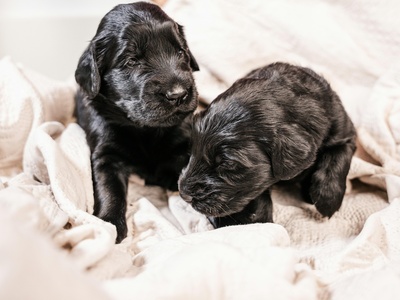
Flat-Coated Retriever
19th‑century British gundog used to retrieve from water and shore. Buoyant, enthusiastic swimmer with a friendly temperament; adaptable for anglers wanting an energetic, reliable boat or shoreline retrieval partner and family companion.
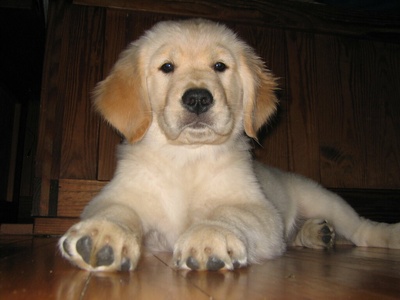
Golden Retriever
Bred as a game retriever on British estates, widely used for waterfowl retrieval. Strong swimmer with soft mouth and trainable nature; popular with anglers seeking a friendly, obedient water-working companion.
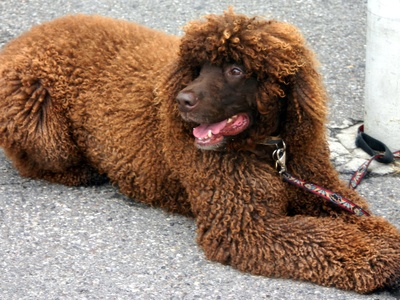
Irish Water Spaniel
Distinctive curly-coated spaniel developed to retrieve from Irish lakes and rivers. Excellent swimmer with water-repellent coat; historically used by gunners and outdoorsmen for tough freshwater retrievals near boats and shorelines.
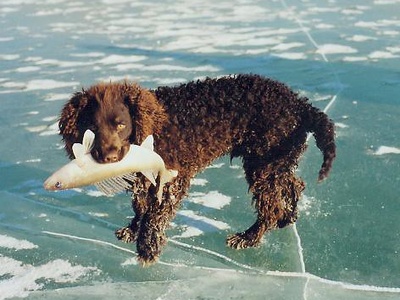
American Water Spaniel
Midwestern American gundog created for hunting and retrieving on lakes and rivers. Compact, versatile swimmer often used by anglers and hunters in small boats and tight shoreline conditions and valued for willingness to ride and work from boats.
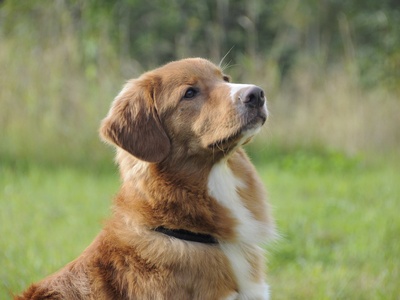
Nova Scotia Duck Tolling Retriever
Small Canadian gundog developed to lure and retrieve waterfowl near coasts and lakes. Agile, excellent swimmer, and often used by duck hunters and anglers working from boats or shorelines and prized for intelligence and stamina.
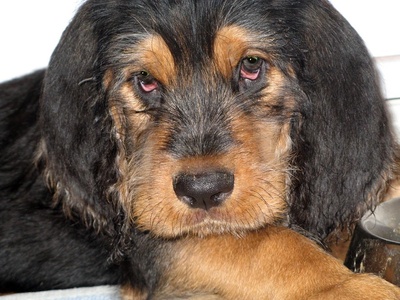
Otterhound
British scent hound bred to track and hunt otters on rivers and marshes. Strong swimmer with webbed feet; historically protected fishery interests and worked alongside river communities for otter control.