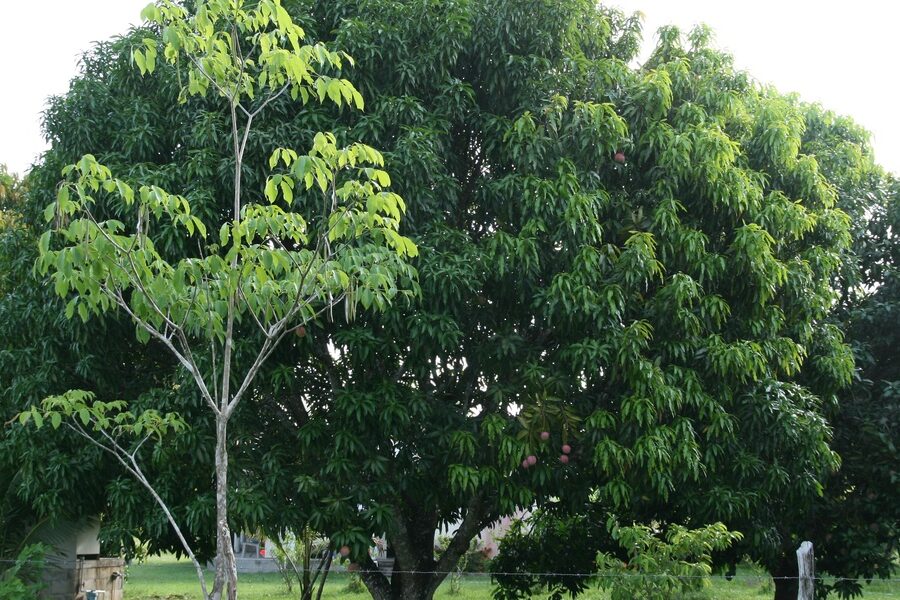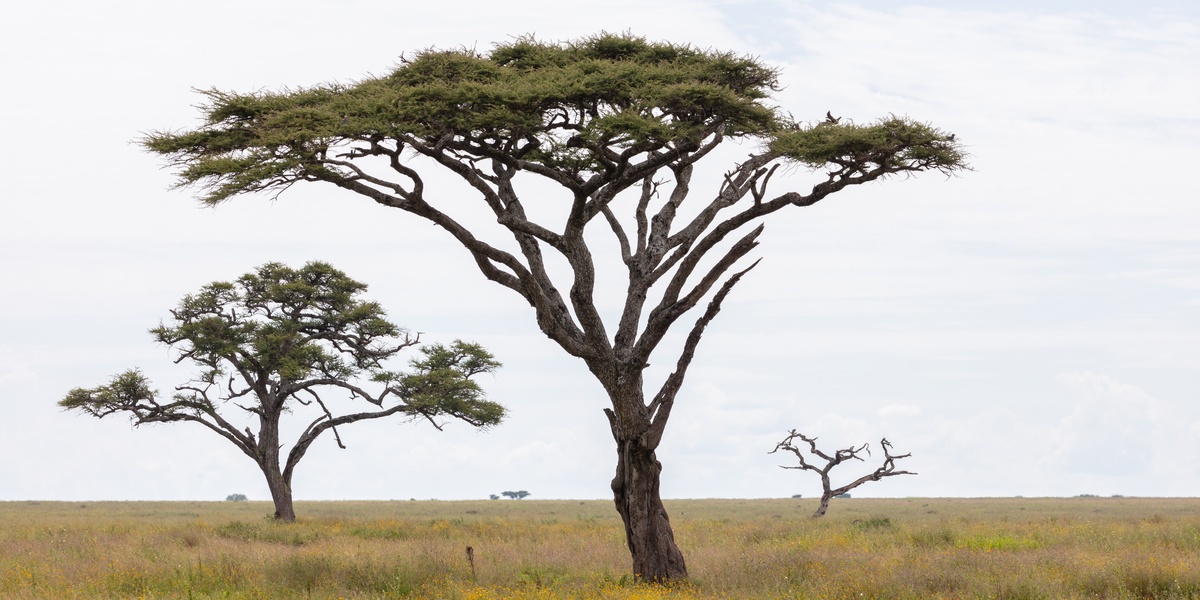
The Serengeti’s grasslands, woodlands and riverine pockets host a diverse mix of plants that shape grazing patterns, provide shelter and influence fire regimes. Knowing which species occur where helps researchers, guides and curious visitors make sense of seasonal changes across the plains.
There are 31 Serengeti Plants, ranging from Aloe secundiflora to Whistling thorn. For each entry you’ll find below the data organized as Scientific name,Growth form,Height (m) so you can quickly compare form and size while in the field — you’ll find below.
How can I use this list to identify plants when I’m out in the Serengeti?
Use the Scientific name to confirm species when possible, then check Growth form and Height (m) against what you see: a shrub, a tree or a succulent has different clues. Take photos of leaves, flowers and habitat, note the location and season, and cross-reference the table below for a quick match.
Are any of these species especially important for wildlife or conservation?
Yes — several species provide key forage, nesting sites or browse for herbivores and birds, while others stabilize soils or resist drought. Conservation status varies, so use the scientific names from the list to check local protection rules or IUCN listings and report notable sightings to park authorities.
Serengeti Plants
| Name | Scientific name | Growth form | Height (m) |
|---|---|---|---|
| Baobab | Adansonia digitata | Tree | 10 |
| Marula | Sclerocarya birrea | Tree | 8 |
| Umbrella thorn | Vachellia tortilis | Tree | 8 |
| Whistling thorn | Vachellia drepanolobium | Shrub | 4 |
| Red acacia | Vachellia seyal | Tree | 8 |
| Black thorn | Senegalia mellifera | Shrub | 4 |
| Desert date | Balanites aegyptiaca | Tree | 7 |
| Buffalo thorn | Ziziphus mucronata | Shrub | 4 |
| Velvet bushwillow | Combretum molle | Shrub | 6 |
| Bushwillow | Combretum collinum | Shrub | 5 |
| Terminalia brownii | Terminalia brownii | Tree | 10 |
| Myrrh/Incense shrub | Commiphora africana | Shrub | 4 |
| Grewia bicolor | Grewia bicolor | Shrub | 3 |
| Faidherbia albida | Faidherbia albida | Tree | 12 |
| Monkey orange | Strychnos spinosa | Tree | 4 |
| Jackalberry | Diospyros mespiliformis | Tree | 15 |
| Sausage tree | Kigelia africana | Tree | 10 |
| Red oat grass | Themeda triandra | Grass | 1 |
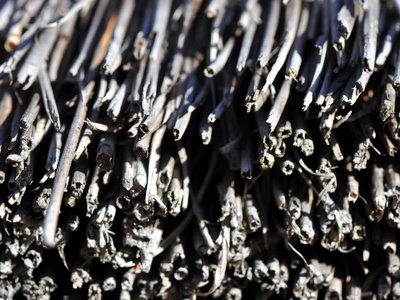
| Thatching grass | Hyparrhenia filipendula | Grass | 1 |
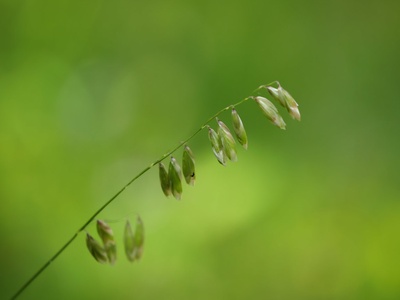
| Melic grass | Eragrostis superba | Grass | 1 |
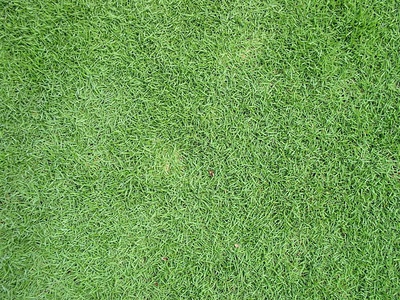
| Bermuda grass | Cynodon dactylon | Grass | 0.2 |
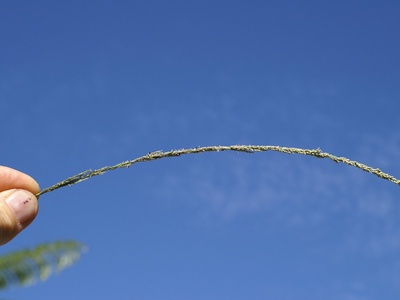
| Sporobolus grass | Sporobolus pyramidalis | Grass | 1 |
| Common reed | Phragmites australis | Wetland | 3 |
| Cattail | Typha domingensis | Wetland | 1.5 |
| Papyrus | Cyperus papyrus | Wetland | 3 |
| Bitter apple | Solanum incanum | Forb | 1 |
| Aloe secundiflora | Aloe secundiflora | Forb | 1 |
| Euphorbia tirucalli | Euphorbia tirucalli | Shrub | 6 |
| Native indigo | Indigofera spp. | Forb | 1 |
| Maerua triphylla | Maerua triphylla | Shrub | 3 |
| Terminalia-veld shrub | Terminalia spinosa | Shrub | 5 |
Images and Descriptions
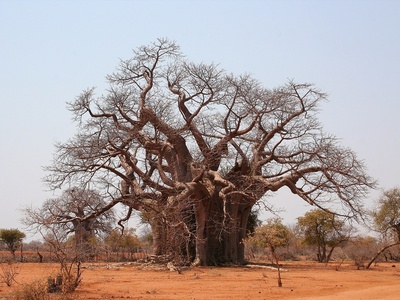
Baobab
Iconic massive tree with a swollen trunk and sparse, seasonal canopy. Found on drier Serengeti plains and rocky kopjes, it stores water, bears edible fruit eaten by animals and people, and has a unmistakable silhouette on the horizon.
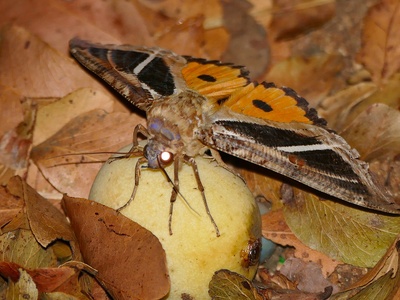
Marula
Medium deciduous tree common in woodland and savanna margins. Produces fleshy, tangy fruits loved by birds, mammals and local people; bark and seeds have traditional uses. Often found near seasonal watercourses and grazing areas.
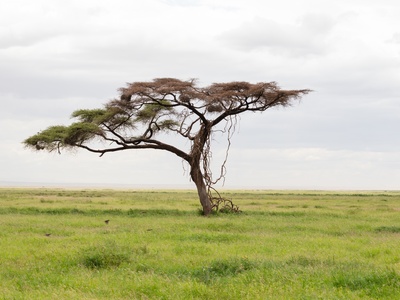
Umbrella thorn
Flat-topped acacia with spreading canopy typical of open savanna. Thorny branches and small bipinnate leaves provide shade and browse for herbivores. Flowers are fragrant, and the species tolerates dry soils and heavy grazing.
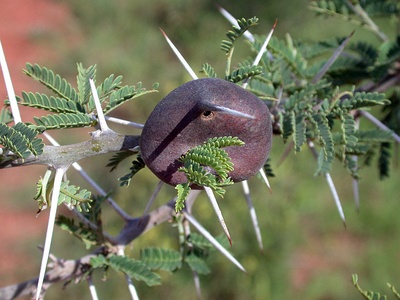
Whistling thorn
Low, often multi-stemmed thorny shrub dominating parts of Serengeti plains and termite mounds. Named for hollow swollen thorns inhabited by ants that make a whistling sound. Important browse for browsers and a distinctive savanna plant.
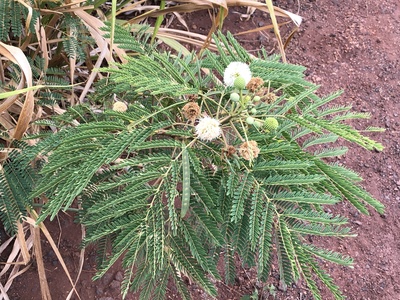
Red acacia
Small to medium tree often along drainage lines and plains. Reddish bark peels in papery strips; small pinnate leaves and yellow puffball flowers. Provides shade, browse and nesting sites for birds and mammals.

Black thorn
Spiny, dense shrub or small tree forming impenetrable thickets in some grasslands. Produces creamy flower clusters and pod-like seeds; common on disturbed soils and drier slopes, useful for fuelwood and shelter for wildlife.
Desert date
Tough, drought-tolerant tree with oblong edible fruits and thorny branches. Grows in drier savanna and riverine fringes; fruits are an important food source for birds and mammals, while seeds and oil have local uses.
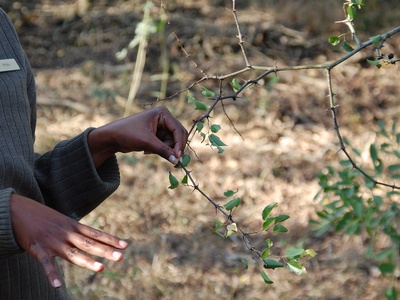
Buffalo thorn
Spiny shrub or small tree with glossy leaves and yellow-green flowers followed by reddish fruits. Common in woodlands and riverine areas, fruits are eaten by many animals; stems used for fencing and traditional medicine.
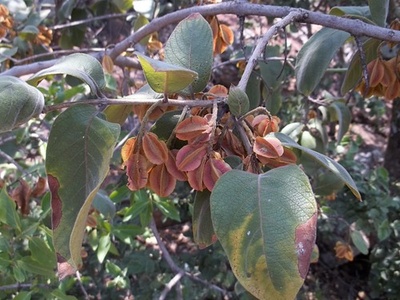
Velvet bushwillow
Soft-foliaged shrub or small tree of woodlands and bushveld edges. Leaves felted beneath, producing winged fruits and small clustered flowers. Provides browse and contributes to woodland understory diversity.
Bushwillow
Sturdy shrub or small tree found on slopes and plains. Recognizable by paired winged fruits and seasonal clusters of small flowers. Common in transitional woodland-savanna habitats and used locally for fuel and shade.
Terminalia brownii
Tall, spreading tree of riverine and woodland habitats. Produces distinctive clustered fruits and smooth grey bark. Often found along drainage lines and supports a variety of birds and insects in the Serengeti ecosystem.
Myrrh/Incense shrub
Gnarled, aromatic shrub common on dry soils and rocky areas. Peeling fragrant bark yields resins, while sparse leaves and thorny branches provide browse; typical of arid and semi-arid parts of the Serengeti.
Grewia bicolor
Small shrub with rough leaves and sweet, pulpy fruits enjoyed by birds and mammals. Occurs in open woodlands and along plains; fruits and bark have traditional uses and it is easily recognized by its fruit clusters.
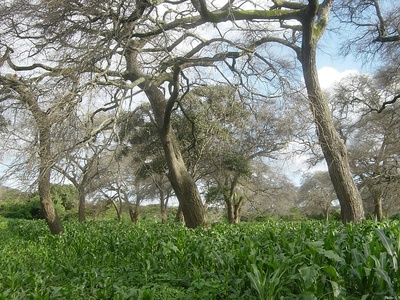
Faidherbia albida
Large, winter-deciduous acacia relative notable for green foliage in dry seasons and leaf drop in rains (reverse phenology). Common in floodplains and fertile soils, it enriches soil nitrogen and is valued by pastoralists and wildlife.
Monkey orange
Spiny small tree bearing hard-shelled, aromatic fruits called monkey oranges. Found on woodlands and savanna edges; fruits attract mammals and birds. Distinctive when fruiting and used locally for food and flavoring.
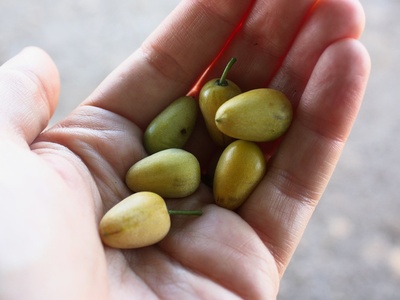
Jackalberry
Shade-giving riparian and riverine tree with dark bark and edible orange-black fruits. Common along watercourses in the Serengeti, it supports birds and mammals and provides durable timber and local uses.
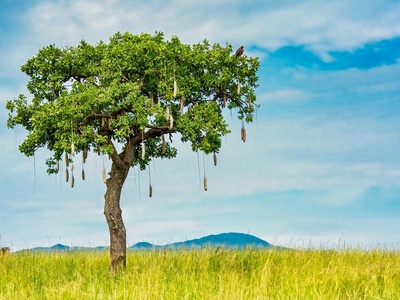
Sausage tree
Large riverine tree with long sausage-like hanging fruits and large tubular flowers that attract bats and pollinators. Common in wet fringes and along rivers, its dramatic fruit and flowers make it easily identifiable.
Red oat grass
Tussock-forming perennial grass dominating many Serengeti plains after fires and seasonal rains. Produces reddish seed heads, provides high-quality forage for grazers, and influences fire behavior and grazing patterns across the ecosystem.
Thatching grass
Clump-forming perennial grass widespread in open savanna and grasslands. Coarser than some species, it dominates burned areas and provides important dry-season fodder for grazers and nesting material for birds.
Melic grass
Tufted perennial grass common on plains and lowland grasslands. Produces fine-textured foliage and dense seed heads; favored by many grazers during green-up and common in mixed grass communities.
Bermuda grass
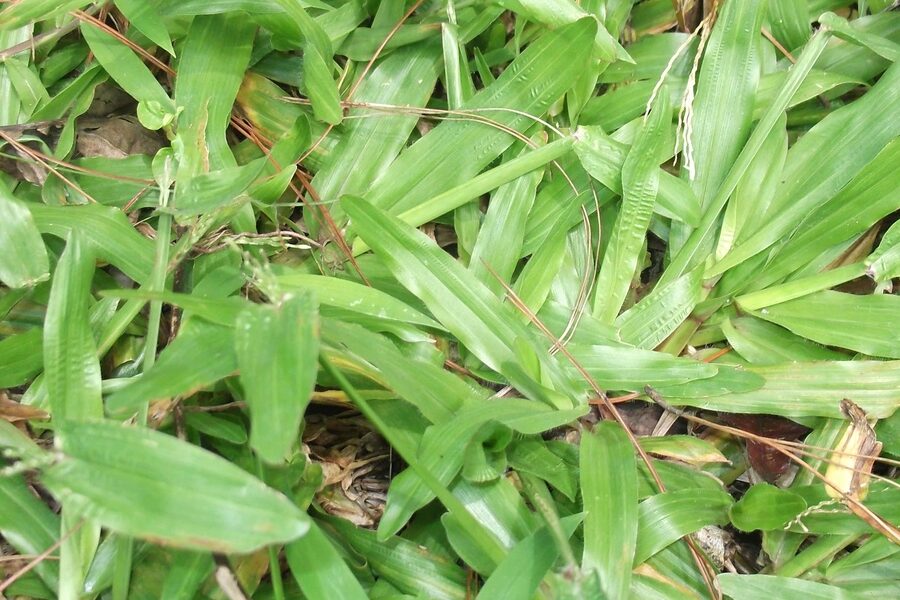
Low-spreading perennial grass found along tracks, wetlands and disturbed soils. Tolerant of trampling, it forms dense mats and provides grazing close to watercourses and campsites in the Serengeti.
Sporobolus grass
Robust tufted grass common in savanna and open grasslands. Forms tall seed-bearing stems after rains and is important forage for large grazers; tolerates heavy grazing and periodic fire.
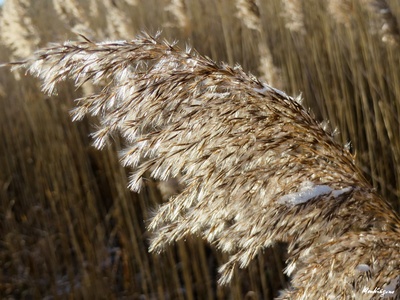
Common reed
Tall perennial reed forming dense stands in marshes, wetland edges and slow-moving streams. Provides nesting habitat for birds and bank stabilization; conspicuous in Serengeti wetland and swampland areas.
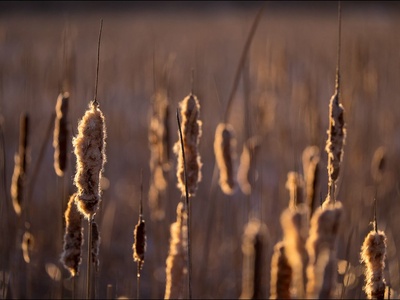
Cattail
Robust wetland plant with cylindrical brown seed spikes and long blade-like leaves. Dominates shallow water margins and marshes, providing cover for wildlife and material used in local crafts.
Papyrus
Tall sedge forming dense reedbeds in swamps and river margins. In Serengeti riverine marshes and lakes it creates habitat for birds and supports aquatic food webs; historically used for weaving and traditional crafts.
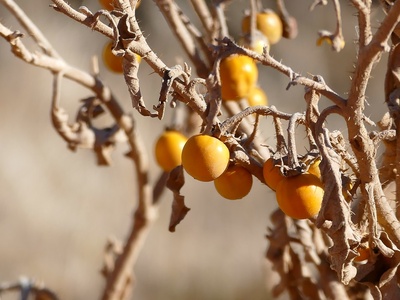
Bitter apple
Spiny, scrambling shrublet with pale purple flowers and bitter yellow fruits. Occurs in dry bushveld and savanna margins; toxic to livestock if eaten in quantity but an important wildlife food and habitat component.
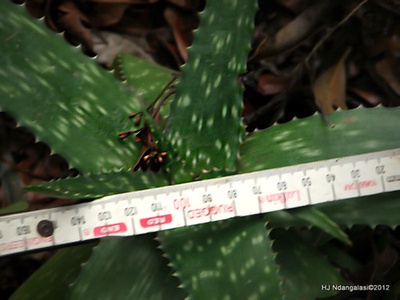
Aloe secundiflora
Green rosette succulent often found on rocky outcrops and open woodland edges. Produces tall stalks of tubular orange-red flowers attracting sunbirds; drought-tolerant and a familiar sight around kopjes and rims.
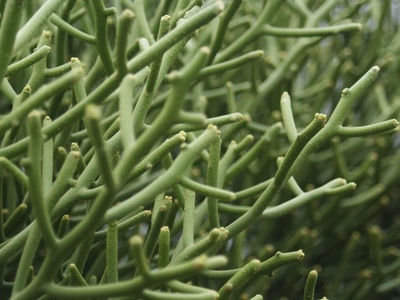
Euphorbia tirucalli
Slender, succulent, pencil-like branching shrub sometimes found on dry slopes and degraded sites. Milky latex is toxic; forms open thickets and is noticeable by its stick-like stems and resilience in arid patches.
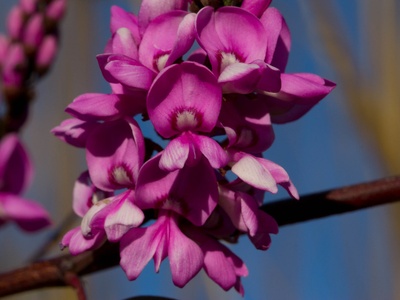
Native indigo
Small shrubs and herbaceous legumes scattered through woodlands and grassland margins. Produce pinnate leaves and pea-like flowers that fix nitrogen and attract pollinators; several Indigofera species occur across the Serengeti.
Maerua triphylla
Open-branched shrub of dry woodlands and plains, with trifoliate leaves and small fragrant flowers. Common on sandy soils, it provides browse for browsers and is part of the understorey shrub layer.
Terminalia-veld shrub
Small to medium tree or shrub occurring on drier slopes and woodland edges. Recognizable by clustered fruits and smooth bark; provides shade and food for wildlife during fruiting seasons.