When DDT was banned in the United States in 1972, peregrine falcons began recolonizing city skyscrapers within a decade. Their return—nesting on ledges that mimic cliff faces—was an early, striking example of wildlife adapting to built environments.
That same adaptability shows up across species in predictable ways: behavioral shifts, dietary flexibility, altered reproduction and closer interactions with human infrastructure. These characteristics of urban wildlife explain why pigeons, raccoons, foxes, coyotes, peregrine falcons, rats, bats and even white‑tailed deer now make cities part of their life histories. With more than half the world living in cities (about 55% in 2007) and the UN projecting roughly 68% urbanization by 2050, these traits matter for public health, biodiversity and urban planning. Below are eight key characteristics, illustrated with concrete examples and practical steps cities use to reduce conflict and support coexistence.
Behavioral Adaptations
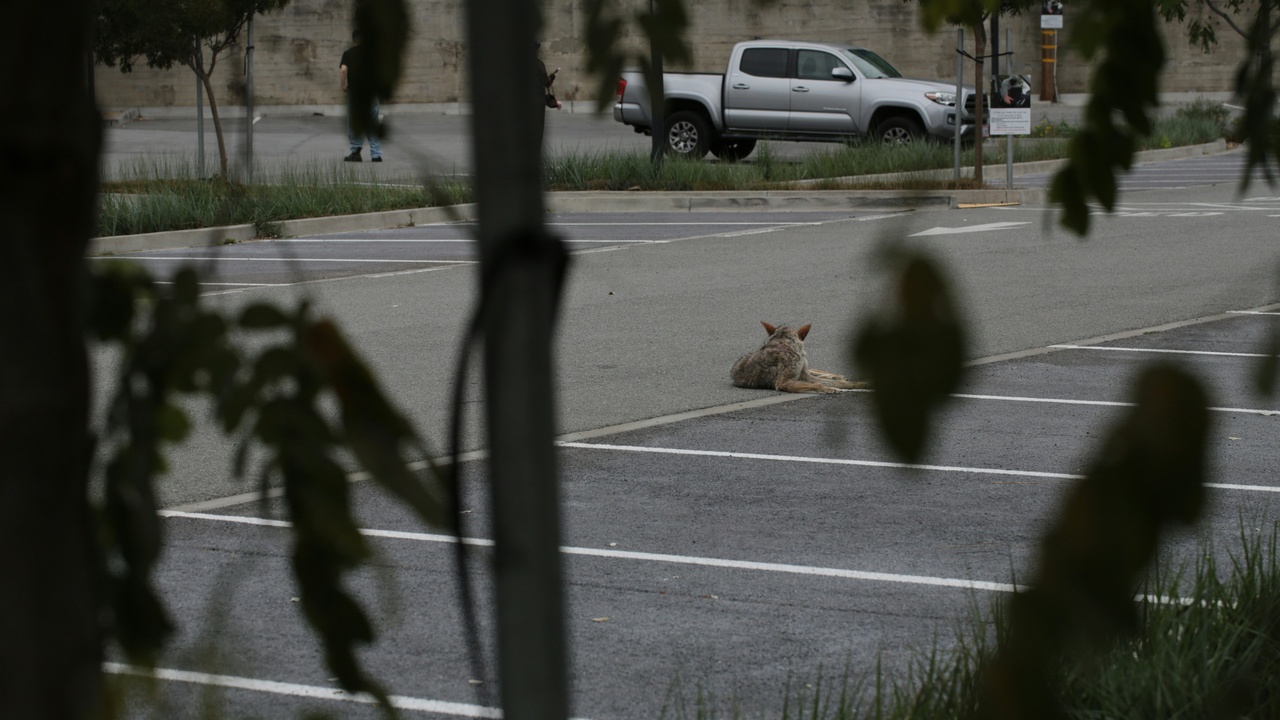
Animals that colonize cities commonly change how they behave around people and in space. Two broad shifts stand out: reduced fear of humans (habituation and shorter flight distances) and altered activity timing, including increased nocturnality or crepuscular habits. Those shifts let animals access food, nesting and shelter—but they also reshape conservation outcomes, with some species booming while others decline.
1. Boldness and habituation to people
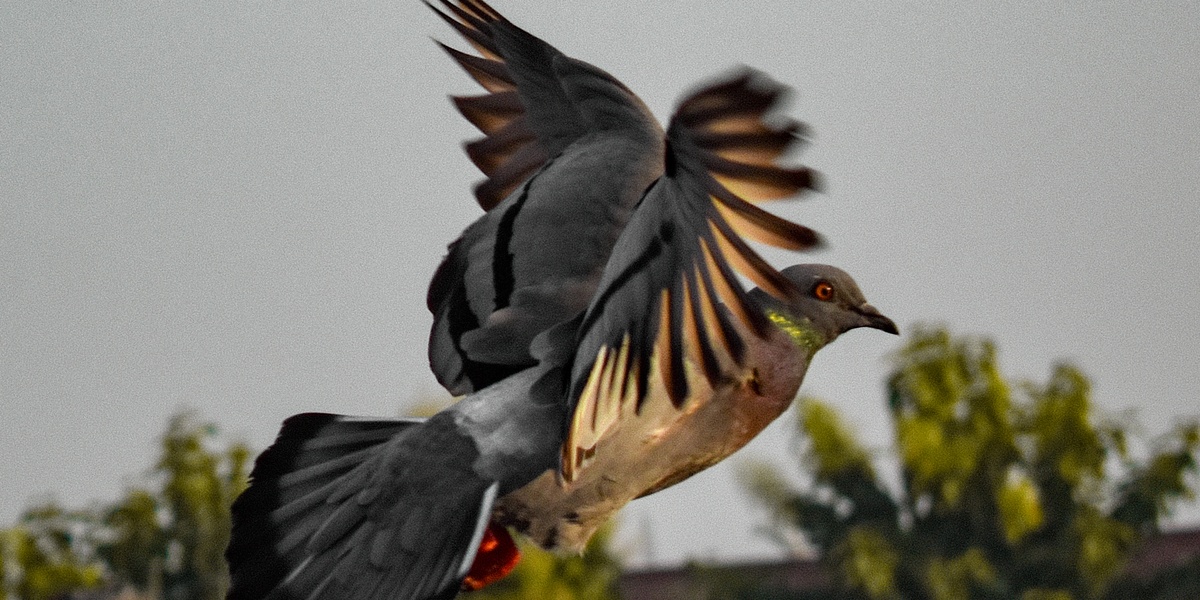
Many urban animals show markedly reduced fear of people and shortened flight‑initiation distances, a phenomenon ecologists call habituation. Tolerating human presence opens up ledges, rooftops and alleyways for nesting and foraging—pigeons and urban raptors have capitalized on these opportunities, and red foxes routinely scavenge near restaurant alleys.
Research in urban ecology finds that individuals and populations that tolerate humans often gain access to concentrated resources and safer nesting sites. That creates easy wildlife‑watching opportunities (peregrine falcons on skyscrapers are a popular example) but also increases the frequency of encounters that can lead to nuisance reports, pet conflicts or disease concerns.
Managers face trade‑offs: encouraging viewing and raptor conservation (via nest boxes or ledge management) while reducing human–wildlife problems through exclusion, education and targeted deterrence. As one urban ecologist put it, habituation is both a mechanism of urban colonization and a driver of the conflicts that follow.
2. Shifted activity patterns (nocturnality and flexibility)
City animals often change when they’re active to avoid people or to match human schedules. Diurnal species moving through high‑traffic zones may become more crepuscular or nocturnal to reduce encounters and take advantage of quieter streets.
Drivers include traffic volume, noise, light pollution and the timing of human activity. Studies in North American cities document coyotes shifting toward primarily nocturnal movement in places like Los Angeles and Chicago, while some bat species adjust foraging times around streetlight patterns.
Those timing shifts have practical implications: they influence the peak hours for road collisions, affect when to conduct monitoring or management actions, and determine the schedule for public messaging about pets and outdoor food storage.
Diet and Foraging Strategies
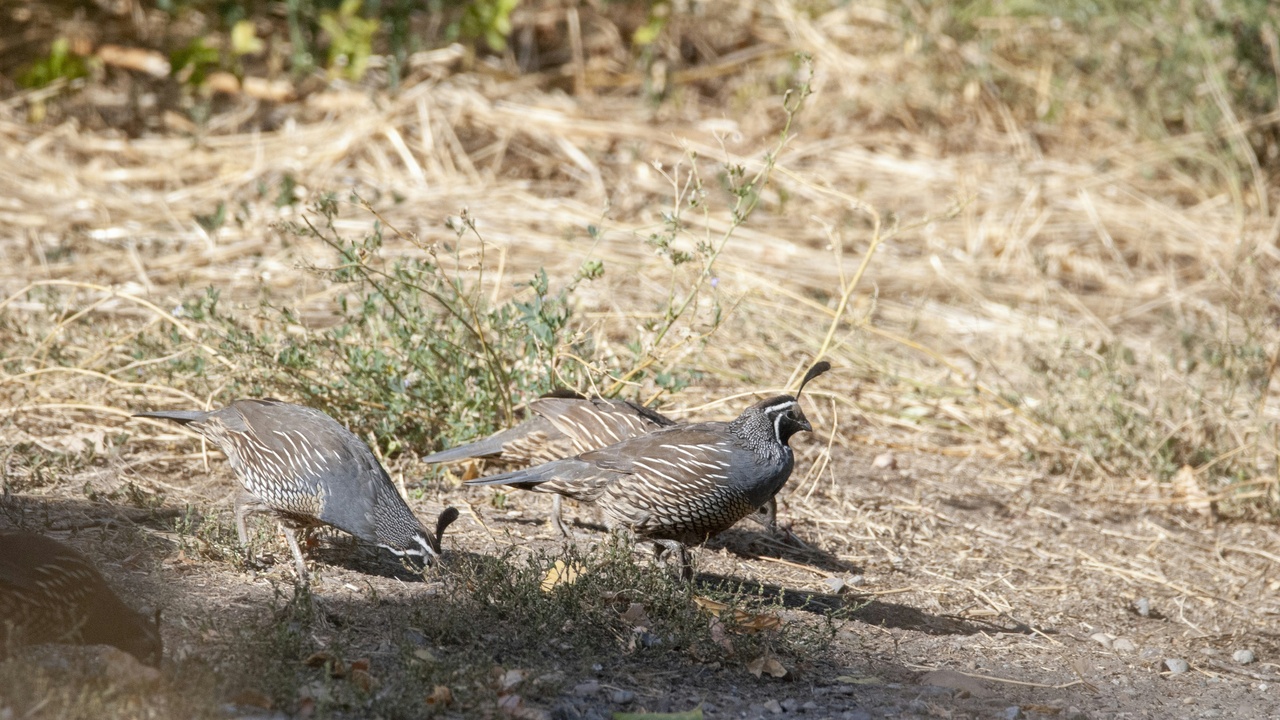
Many successful city dwellers broaden diets to include human food, exploit refuse, or switch prey types. Dietary flexibility—called synanthropy when species live near and benefit from humans—is one of the strongest predictors of urban success. Scavenging and opportunistic feeding concentrate animals near people and can change body condition, behavior and local food webs.
Examples are familiar: raccoons, Norway rats and gulls routinely exploit garbage and food waste, while pigeons thrive on handouts. That flexibility alters nutrient cycles in parks and waterways, raises some public‑health concerns, and can reduce the prevalence of native specialist species where generalists dominate.
3. Dietary flexibility and synanthropy
Species with broad diets are far likelier to colonize cities. Synanthropic animals—pigeons, house sparrows, Norway rats—exploit grain, refuse and structures to nest, letting them persist in dense human settlements where specialists cannot.
Dietary breadth reshapes urban ecological networks. Gulls in port cities, for instance, have shifted from fish to a mix of fishery discards and landfill food, changing scavenger hierarchies and increasing interactions with people. That shift influences predator–prey dynamics and poses management questions about waste handling and fishery practices.
4. Scavenging behavior and use of human food sources
Scavenging around dumpsters, markets and picnic areas is a defining urban foraging strategy. Concentrated food sources produce high local densities of opportunists that may forage nightly or learn to open containers—raccoons prying lids and bears breaking into bins near suburban edges are common examples.
Those behaviors raise health and conflict concerns: animals that feed on refuse often carry higher parasite loads and can habituate to people. Practical solutions—secure bear‑resistant or wildlife‑proof bins, timed collections and public education—reduce resource availability and thus the incentive for wildlife to frequent human spaces.
Reproduction, Movement, and Habitat Use
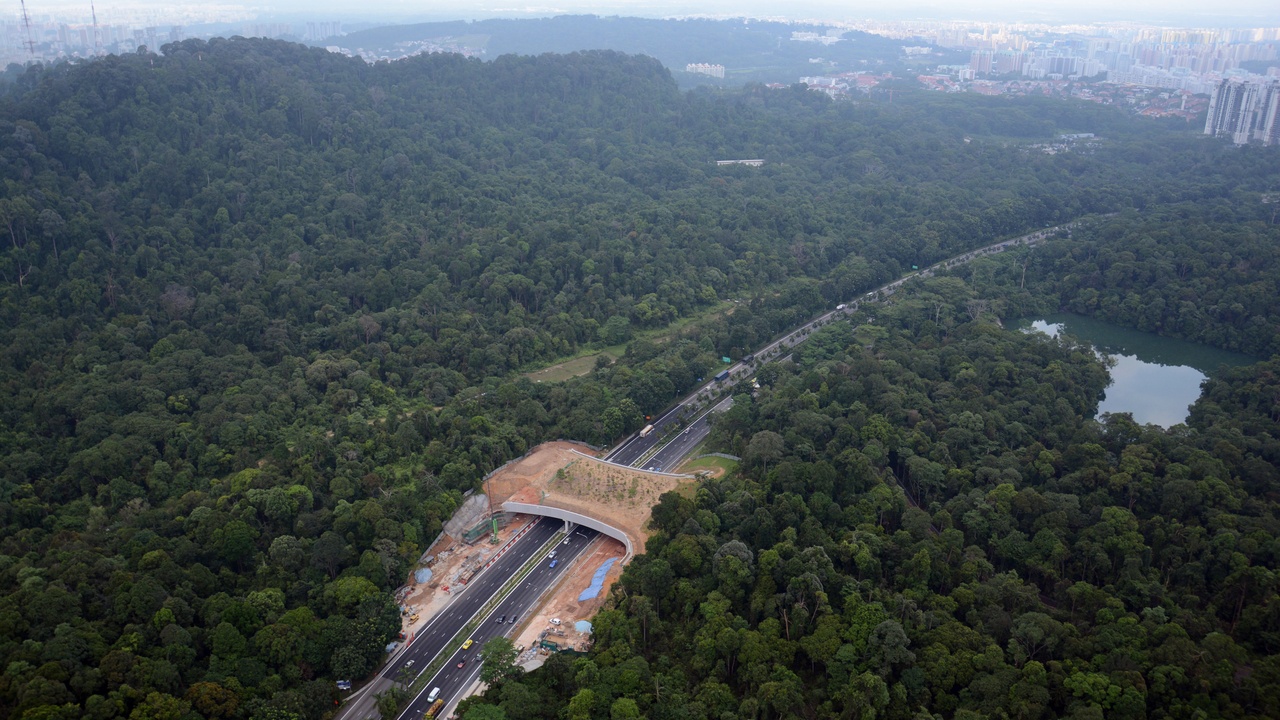
Cities offer novel nesting and denning sites, smaller but resource‑dense territories, and fragmented but usable green patches. Built structures can substitute for cliffs and cavities, while parks, vacant lots and greenways function as microhabitats and movement corridors. At the same time, roads and impermeable surfaces create barriers to movement.
How animals reproduce and move in cities affects genetic flow, local densities and human encounters. Planners can reduce negative outcomes by providing stepping‑stone habitats and designing safe crossings to maintain connectivity.
5. Nesting and denning in built structures
Many species exploit buildings and bridges as substitutes for natural nest and den sites. Peregrine falcons returned to skyscraper ledges after DDT declines (their U.S. recovery accelerated in the 1980s), while swifts, starlings and feral pigeons nest in eaves and rafters.
Urban breeding success can be high in protected pockets, which creates conservation opportunities as well as nuisance issues (noise and droppings). Cities have installed raptor nest boxes and monitoring programs since the 1980s; those programs demonstrate that guided coexistence improves fledging success while reducing conflicts.
6. Reduced home ranges and microhabitat specialization
Predictable, concentrated resources often shrink animals’ home ranges in cities. Urban mammals frequently use much smaller territories than their rural counterparts, concentrating life in parks, alleys and green strips where food and shelter are available.
Smaller ranges affect gene flow and local densities, sometimes increasing disease transmission or conflict. Urban planners counter these effects with green corridors, overpasses or underpasses that reconnect populations; examples include wildlife crossing structures on highways near suburban preserves and connected park networks that act as movement pathways.
Health, Ecology, and Human Interactions
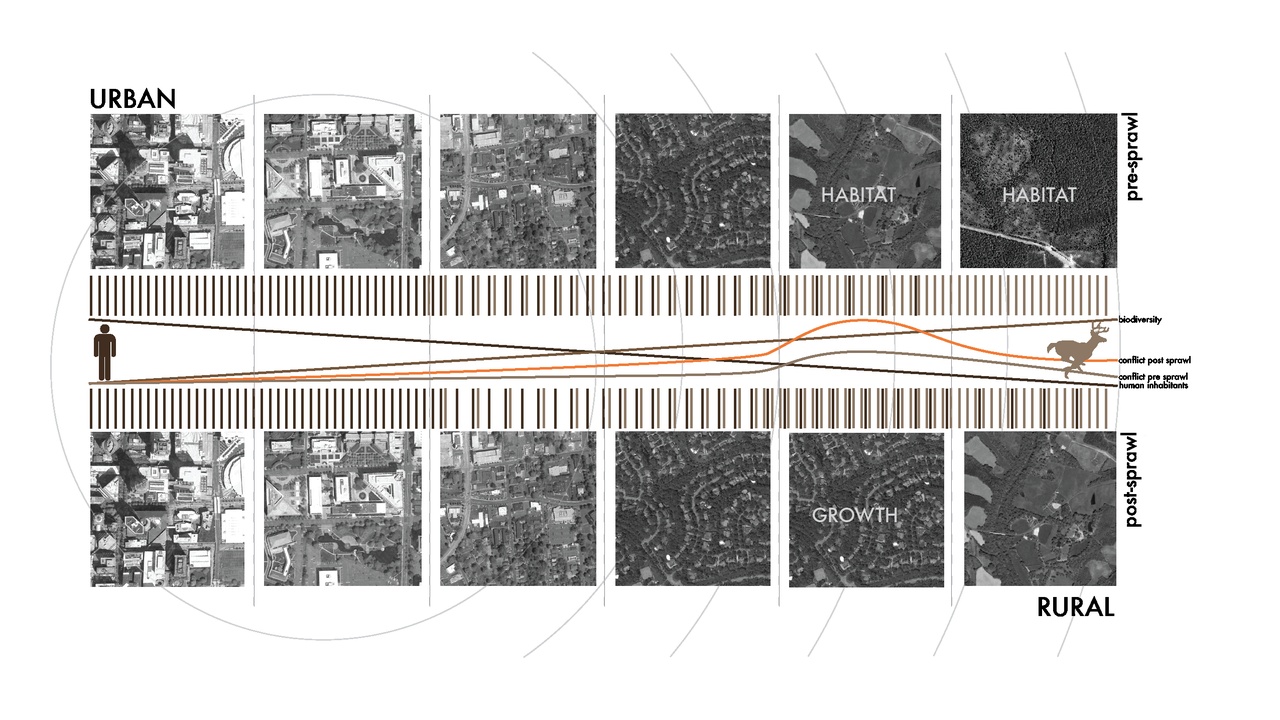
The characteristics of urban wildlife shape disease exposure and patterns of interaction with people and infrastructure. Close contact, high local densities and anthropogenic diets alter microbiomes, parasite loads and the potential for zoonotic spillover. That reality makes surveillance, sanitation and public outreach critical components of urban wildlife management.
Cities increasingly combine wildlife response teams, public‑health departments and conservation groups to monitor risks and reduce conflicts. Practical tactics—secure waste collection, vaccination or trapping in targeted cases, and community education—cut both health risks and the number of nuisance encounters.
7. Increased disease exposure and microbiome shifts
Proximity to people and denser urban populations change disease dynamics. Scavenging species often show higher parasite loads and different gut microbiomes when compared with rural conspecifics, likely because of diet and contact with human waste.
Rodents and some urban bats can carry pathogens of public‑health concern, which is why many municipalities run joint surveillance programs with local health departments. Coordinated monitoring—regular trapping surveys, pathogen testing and rapid reporting—helps managers target interventions before outbreaks grow.
8. Frequent interactions with people and infrastructure (conflict and coexistence)
Frequent interactions with people and built infrastructure are a hallmark of city life for wildlife. Those interactions range from ecosystem services (insect control by bats) to conflicts like garbage‑raiding, property damage and vehicle collisions—U.S. transportation safety research has reported roughly 1.5 million deer–vehicle collisions annually in some datasets, illustrating the scale of risk.
Cities use a mix of mitigation strategies: secure bins, fencing in high‑risk suburban edges, wildlife crossings on busy roads and public education campaigns about feeding wildlife and pet safety. Programs—such as neighborhood coyote outreach in North America and raccoon management efforts in San Francisco—show that proactive, education‑forward approaches reduce harms while keeping urban nature intact.
Summary
- Dietary flexibility and scavenging predict which species succeed in cities; generalists like pigeons, rats and gulls exploit food waste and handouts.
- Built structures often substitute for natural habitat—peregrine falcons on skyscrapers and nest boxes installed since the 1980s show how urban design can aid conservation.
- Behavioral shifts—habituation and altered activity timing—reduce fear of people but increase encounter rates, which requires balanced management between viewing and safety.
- Practical steps—secure waste systems, habitat connectivity (corridors and crossings), and coordinated surveillance with public‑health agencies—make coexistence safer and more predictable.