In the late 1800s, naturalists cataloging North American mammals repeatedly singled out the chipmunk’s striped face and rapid movements as a field mark that amateur and professional observers loved.
That curiosity still pays off today. Backyard naturalists, gardeners, and anyone who shares green space with small mammals benefit from knowing a few clear traits: how to tell a chipmunk from a young tree squirrel, when the animals are most active, and what their presence means for seeds and soil. About 25 chipmunk species are recognized worldwide, and many identification cues are surprisingly consistent across them.
This piece breaks those clues into ten observable points—grouped under physical traits, behavior and life cycle, diet and ecology, and human interactions—so spotting and understanding these little striped rodents gets easier. For deeper species-level details, consult resources such as the Cornell Lab of Ornithology and the IUCN Red List.
Physical characteristics
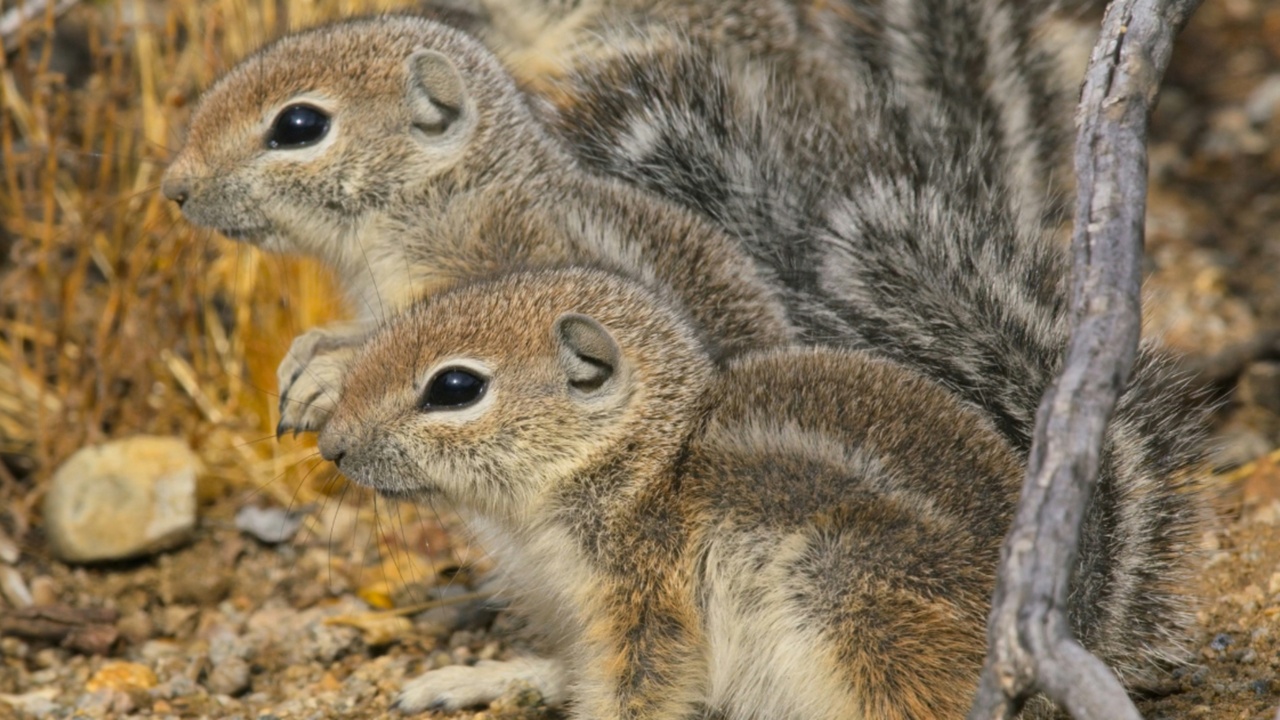
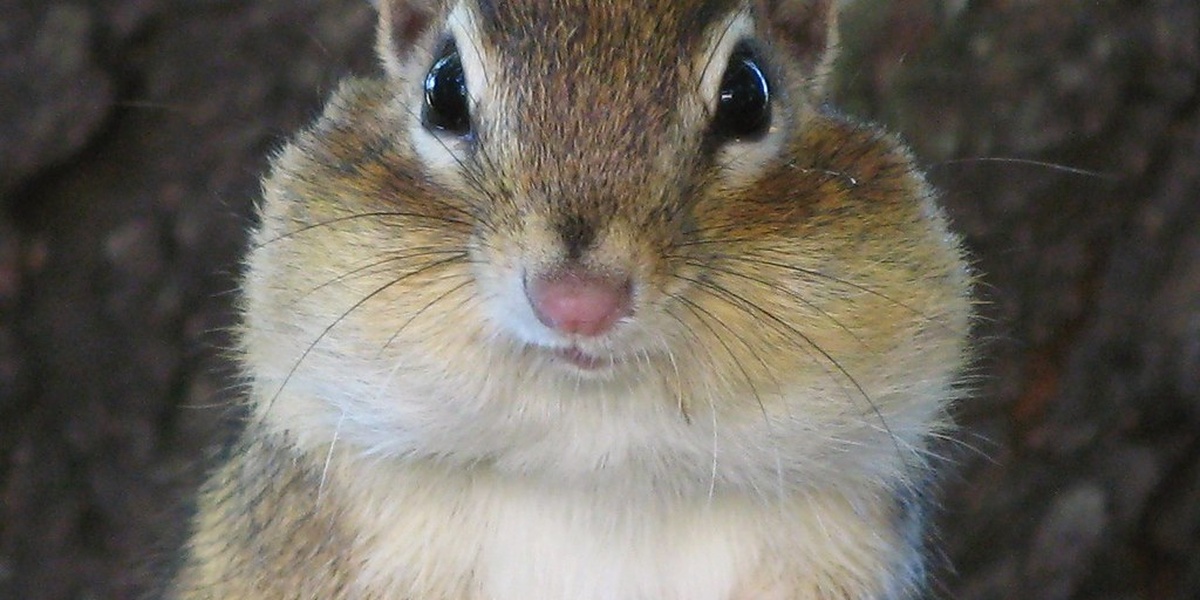
Chipmunks are among the most instantly recognizable small mammals in temperate forests and many backyards. They’re compact, squirrel-like rodents with bold dorsal and facial stripes, a noticeably bushy tail, and external cheek pouches for hauling food. Although patterns and exact size vary among taxa, most North American species fall within a predictable size range and share the same basic body plan.
Taxonomy can be confusing: the familiar eastern chipmunk is Tamias striatus, while the least chipmunk is Neotamias minimus; the Siberian chipmunk is often placed in Eutamias. Across those groups, expect similar marking patterns and the same adaptations for ground foraging and caching.
Measured ranges help with ID: body lengths, tail proportions, weight ranges, stripe counts, and the dramatic expansion of cheek pouches are all reliable field cues that separate chipmunks from other rodents such as tree squirrels and ground squirrels.
1. Size and body proportions
Chipmunks are small, compact ground squirrels typically 13–20 cm (5–8 in) long for body only, with tails around 8–12 cm long.
Weights commonly range from roughly 70 to 150 g depending on species and season, with the least chipmunk (Neotamias minimus) near the lower end and the eastern chipmunk (Tamias striatus) toward the upper end.
Size is a practical ID tip: a small striped rodent with a shortish, somewhat bushy tail is likely a chipmunk rather than a juvenile tree squirrel, which is usually larger and has a fuller, longer plume of a tail.
2. Distinctive stripes and markings
Most North American chipmunks show five dorsal stripes—alternating dark and pale lines running from shoulders to rump—and pronounced facial stripes that frame the eyes.
Stripe contrast is often sharp: dark bands against tawny or reddish fur. Facial striping helps separate chipmunks from ground squirrels (which usually lack facial stripes) and from young gray squirrels (which don’t have the same paired eye-to-ear lines).
For comparison, the Siberian chipmunk (Eutamias sibiricus) displays very bold striping and a more rufous ground color, a useful reminder that pattern intensity varies by species and region.
3. Tail shape and uses
Chipmunks carry a relatively bushy tail that’s shorter and less plume-like than a tree squirrel’s tail; proportionally it aids balance during hops and quick turns.
Behaviorally, tails are also signaling tools: a quick flick or lateral twitch often accompanies alarm calls and can advertise agitation to nearby chipmunks and predators.
The tail also helps with thermoregulation—tucked over the back for warmth or spread slightly to shed heat—which you can observe if you watch an animal through different weather conditions.
4. Expandable cheek pouches
Chipmunks have external, expandable cheek pouches that can balloon outward as they stuff in seeds, nuts, or berries for transport.
These pouches are for carrying food to cache sites rather than for immediate consumption, and they can hold several sizable items—sunflower seeds, acorns, and small nuts are common examples.
In yards you’ll often spot the behavior near feeders: a chipmunk will load its cheeks and scurry to a nearby log or burrow to stash the haul for later.
Behavior and life cycle
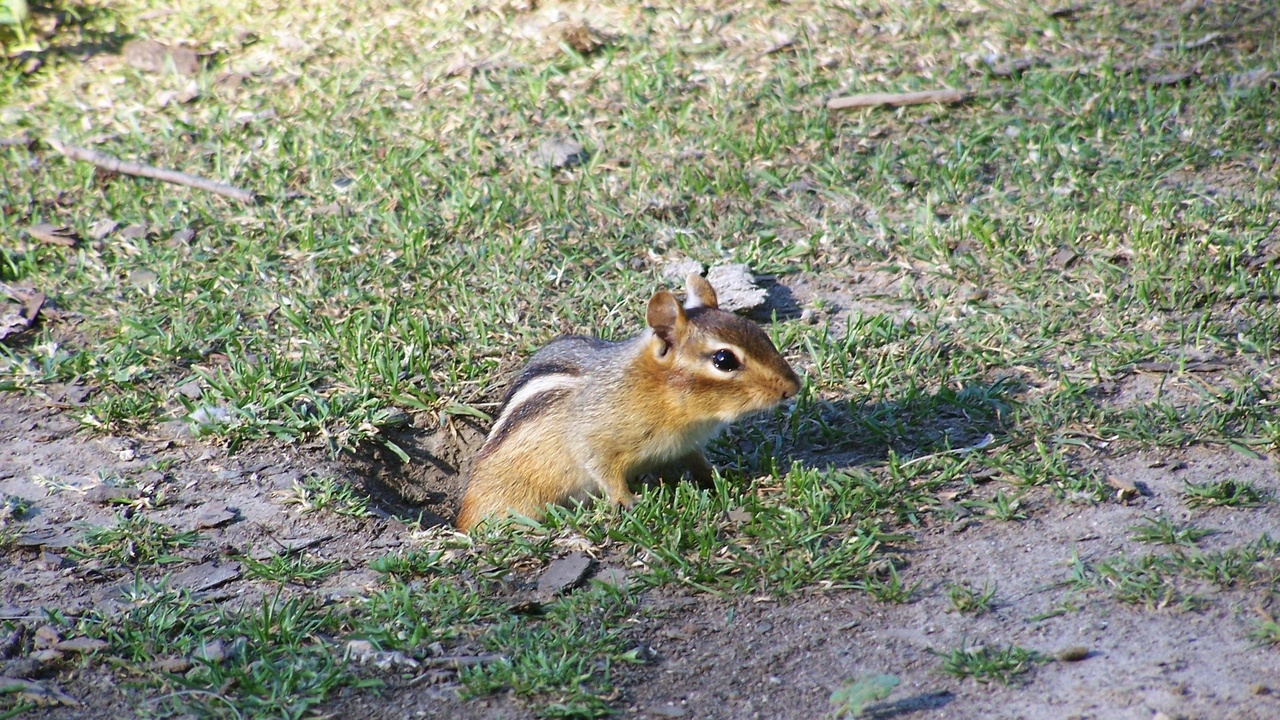
Chipmunks are active, vocal, and territorial small mammals whose daily routines and seasonal cycles are easy to observe if you know where to look. They’re chiefly diurnal, digging complex burrows with separate chambers for nesting and food storage, and many species produce one or two litters per year. Average litter sizes run about 2–6 pups, and lifespans in the wild are short—commonly 2–3 years—though some individuals live 8 years or more in captivity.
Knowing these life-history facts makes it easier to interpret what you see: juvenile sightings in mid-summer mean recent breeding, repeated alarm calls suggest a nearby nest or burrow, and late-summer fattening often signals upcoming cache-building for winter.
5. Diurnal habits and vocalizations
Chipmunks are primarily active during daylight, with activity peaks in the morning and late afternoon.
They use a range of short, sharp vocalizations—often a repeated “chip” or a rapid chattering—as alarm calls and contact notes, and tail flicks or upright postures frequently accompany those sounds.
Listening for repetitive chip notes near brush piles or stone walls is a reliable way to detect their presence before you see them; many natural history collections and the Cornell Lab offer field recordings that match what you’ll hear in the yard.
6. Burrowing and territorial behavior
Many chipmunks construct elaborate burrow systems with distinct entrances, nesting chambers, and storage rooms for cached food.
Burrows may have multiple visible entrances and small soil mounds outside them; typical locations include stone walls, log piles, hedgerows, and foundations where soil is loose and cover is nearby.
Territorial defense is common around burrows and caches: individuals or small family groups will chase intruders and give loud alarm calls, especially during the breeding season and when young are present.
7. Reproduction and lifespan
Most species have one to two litters per year, with breeding often in spring and a possible second bout in late summer for species like the eastern chipmunk.
Gestation for eastern chipmunks is roughly 30–31 days, and typical litter sizes are 2–6 pups; juveniles are often seen from mid-summer onward as they emerge and explore near the natal burrow.
Survival rates are low in the wild—2–3 years is common—because of predation and environmental pressures, though captive individuals have been recorded living 8 or more years.
Diet, foraging, and ecological role
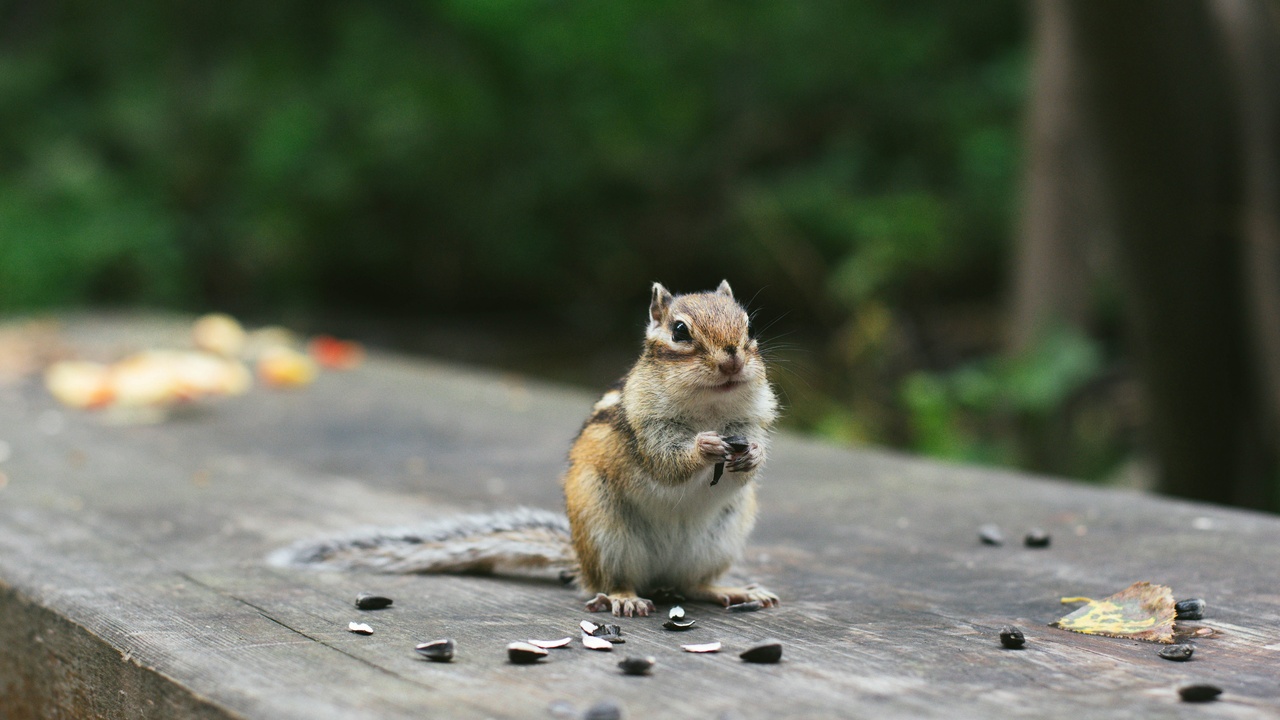
Chipmunks are opportunistic omnivores that lean heavily on seeds and nuts but supplement their diet with insects, fruits, and occasional eggs or small vertebrates. Food caching is central to their ecology: many individuals gather intensively in late summer and autumn to build stores that will support intermittent winter activity and short bouts of torpor. Their foraging and caching behavior also makes them important seed dispersers and contributors to soil turnover, while they themselves provide prey for hawks, foxes, and small carnivores.
Ecological studies and extension notes (see university wildlife pages and IUCN species accounts) document how these combined roles influence local plant recruitment and predator diets across temperate woodlands.
8. Omnivorous diet and preferred foods
Seeds and nuts—acorns, beechnuts, and sunflower seeds from feeders—make up much of a chipmunk’s diet, especially in autumn when caches are being built.
In summer, protein-rich foods such as insects and small invertebrates become more important, particularly for growing juveniles. They’ll also take berries, fungi, and occasionally bird eggs if easy to access.
Gardeners who want to discourage visits should tidy spilled seed under feeders and avoid putting seed directly on the ground; conversely, leaving natural leaf litter and native plants supports the invertebrates chipmunks eat.
9. Food caching and winter strategies
Chipmunks stash food in specialized storage chambers inside their burrows or scatter-hoard shallow caches nearby; some field studies report individuals caching hundreds of items over a season, though numbers vary by habitat and species.
Rather than true continuous hibernation, several species enter periods of torpor and periodically wake to feed on stored food—eastern chipmunks are a classic example of this pattern.
Those caches unintentionally aid plant regeneration: a fraction of buried seeds escape recovery and germinate, so chipmunks act as small-scale but meaningful dispersers in many forests.
Interactions with people and conservation
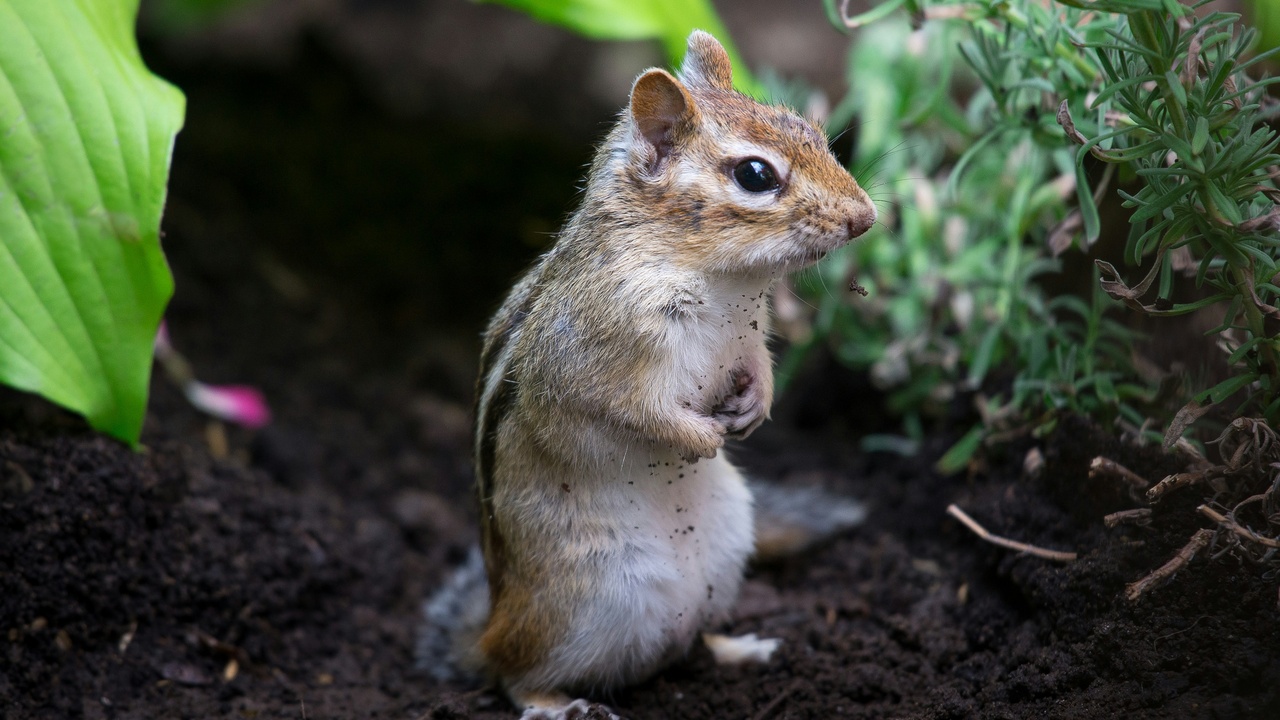
Chipmunks commonly inhabit suburban yards and rural woodlots, where they’re sometimes seen as charming visitors and other times as garden nuisances. They help disperse seeds and aerate soil but will raid small-scale plantings and birdseed piles. From a public-health perspective, small mammals can carry ticks, so regular tick checks on pets are sensible in areas where tick-borne disease is a concern.
Most chipmunk species are considered of Least Concern globally, but habitat loss and local pressures can cause declines in particular populations. For species-level statuses, check the IUCN Red List and guidance from state or provincial wildlife agencies.
10. Ecosystem roles, human interactions, and conservation status
Chipmunks contribute to seed dispersal, soil mixing, and the diet of many predators, yet they can damage bulbs, seedlings, or stored seed in gardens.
Practical coexistence tips include securing compost, removing accessible birdseed from the ground, and sealing small foundation gaps to deter burrowing near homes. These nonlethal measures reduce conflict while preserving the chipmunk’s ecological benefits.
For conservation context, most North American species are stable, but check regional assessments (IUCN Red List entries or state wildlife pages) if you’re curious about a local population or a nonnative species such as the Siberian chipmunk.
Summary
- Small, striped, and quick: chipmunks are compact rodents with five dorsal stripes, bushy tails, and external cheek pouches for hauling food.
- Behavioral cues matter: they’re diurnal, vocal (sharp “chip” calls), and dig multi-chamber burrows that reveal themselves as soil mounds or multiple entrances.
- Food and ecology: omnivorous but seed-focused, they cache food (sometimes hundreds of items) and support winter survival while aiding seed dispersal and soil turnover.
- Coexistence and care: most species aren’t globally threatened; reduce conflicts by protecting seed stores, checking pets for ticks, and consulting IUCN or Cornell Lab resources to learn more.