Ethiopia’s varied landscapes—from highland plateaus and rift valleys to arid lowlands and riverine woodlands—support a surprising range of reptile life. Whether you’re walking a farm edge, scanning rocky outcrops, or visiting wetlands, reptiles are part of the country’s ecological tapestry and worth a closer look.
There are 19 Reptiles of Ethiopia, ranging from the African house snake to the Variable skink. For each species, you’ll find below clear entries organized with Scientific name,IUCN status,Distribution (Ethiopia) so you can quickly see identity, conservation status, and where it occurs—you’ll find below.
How many of these reptiles are considered at risk?
Check the IUCN status column for each species; assessments vary by taxon and are updated periodically. Expect a mix: several species may be listed as Near Threatened, Vulnerable, or worse, while others are Least Concern. Use the table below as a starting point and consult IUCN or local conservation reports for the latest listings.
Where in Ethiopia am I most likely to see these species?
Look to habitat types rather than broad regions: rocky hills and outcrops, savanna and scrub, wetlands and riverbanks, and agricultural margins all host different reptiles. Some, like the African house snake, tolerate human areas, while skinks and specialized species prefer specific microhabitats—see the Distribution (Ethiopia) column for location details.
Reptiles of Ethiopia
| Common name | Scientific name | IUCN status | Distribution (Ethiopia) |
|---|---|---|---|
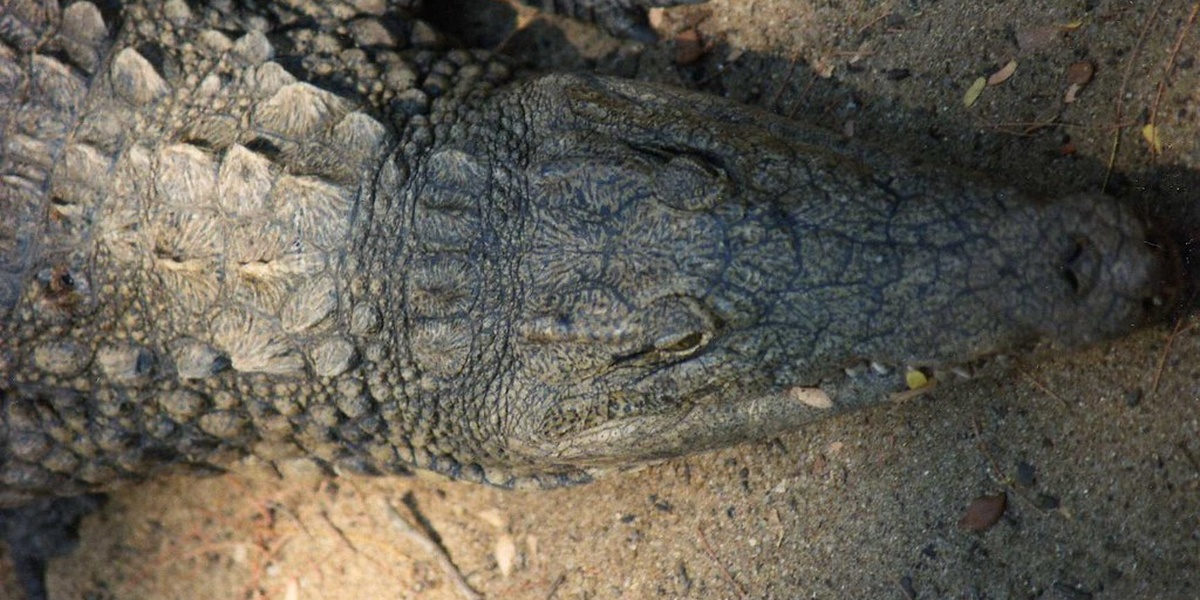
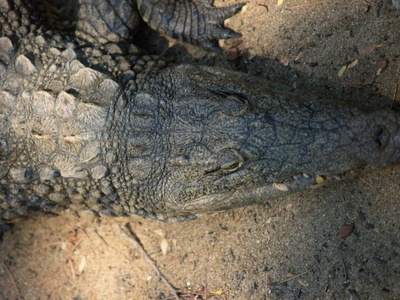
| Nile crocodile | Crocodylus niloticus | Least Concern | Rivers, lakes and wetlands nationwide, especially lowland river systems |
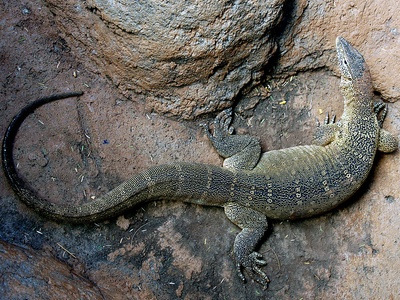
| Nile monitor | Varanus niloticus | Least Concern | Riverbanks, floodplains and wetlands across lowland Ethiopia |
| African softshell turtle | Trionyx triunguis | Vulnerable | Major rivers and lakes (Blue Nile, Omo, lowland wetlands) |
| Helmeted turtle | Pelomedusa subrufa | Least Concern | Ponds, marshes and seasonal pools across lowland and central Ethiopia |
| African rock python | Python sebae | Near Threatened | Riparian woodlands and floodplain forests in western and southern Ethiopia |
| Boomslang | Dispholidus typus | Least Concern | Wooded hills, riverine forests and savanna woodlands |
| Puff adder | Bitis arietans | Least Concern | Savannas, grasslands and agricultural areas throughout Ethiopia |
| Saw-scaled viper | Echis pyramidum | Least Concern | Dry lowlands, semi-desert and scrub in northeastern and eastern regions |
| Black-necked spitting cobra | Naja nigricollis | Least Concern | Dry lowlands, savanna and farmland across much of Ethiopia |
| Egg-eating snake | Dasypeltis scabra | Least Concern | Savannas, woodland edges and near bird colonies nationwide |
| Common agama | Agama agama | Least Concern | Rocky outcrops, walls and savanna across much of Ethiopia |
| Eastern tree agama | Acanthocercus atricollis | Least Concern | Riverine trees, rocky hills and scrublands in lowland Ethiopia |
| Striped skink | Trachylepis striata | Least Concern | Open habitats, gardens and savannas across Ethiopia’s lowlands |
| African house snake | Boaedon fuliginosus | Least Concern | Human settlements, fields and savannas in lowland Ethiopia |
| Common house gecko | Hemidactylus frenatus | Least Concern | Urban areas, buildings and peridomestic sites nationwide (introduced) |
| Kenyan sand boa | Eryx colubrinus | Least Concern | Sandy soils, dry scrub and semi-desert areas of eastern and southern Ethiopia |
| Rough-scaled worm lizard | Blanus mettetali | Least Concern | Rocky, dry highlands and scrub (northern/central highlands) |
| Spotted bush snake | Philothamnus semivariegatus | Least Concern | Wooded riverine habitats and savanna trees in lowland Ethiopia |
| Variable skink | Trachylepis varia | Least Concern | Rocky hills and open woodlands in central and southern Ethiopia |
Images and Descriptions
Nile crocodile
Large freshwater predator found along major rivers and lakes; powerful swimmer, ambush hunter. Populations locally depleted by hunting and habitat loss but still widespread in suitable lowland waterways.
Nile monitor
Large semi-aquatic lizard common along watercourses. Opportunistic predator and scavenger, often seen basking on logs; tolerant of human disturbance but hunted locally for skins.

African softshell turtle
Flattened, leathery-shelled turtle that buries in mud and ambushes fish. Vulnerable from overharvest and habitat degradation of river systems; notable for quick forward snatching bite.
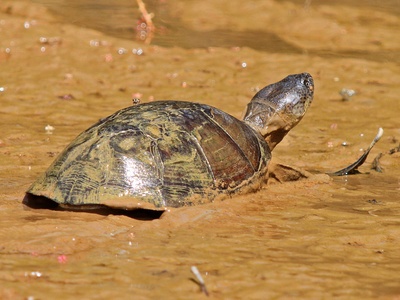
Helmeted turtle
Small, broad-shelled freshwater turtle often in temporary waters. Hardy species that breathes and estivates in mud; common in rural ponds and farm reservoirs.
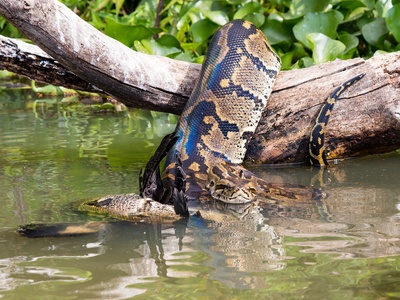
African rock python
Massive constrictor that preys on mammals and birds; secretive but occasionally seen near water at night. Faces pressure from persecution and collection for trade.
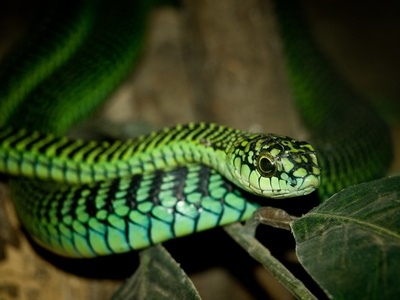
Boomslang
Large-eyed arboreal snake known for excellent binocular vision and potent hemotoxic venom. Generally shy and feeds on birds and chameleons, often found in trees and bushes.
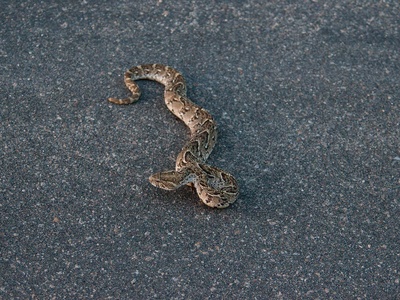
Puff adder
Stout, well-camouflaged ambush viper with distinctive hiss. Responsible for many bites due to cryptic coloration and ground-dwelling habits; tolerates disturbed habitats.
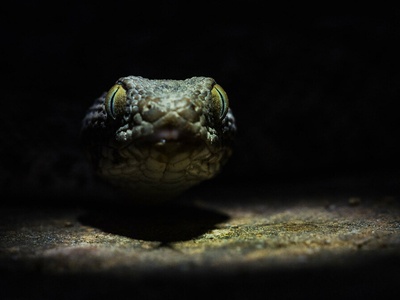
Saw-scaled viper
Small but highly dangerous viper found in arid and rocky areas. Characteristic rasping threat and rapid strikes; common in dry agricultural margins.
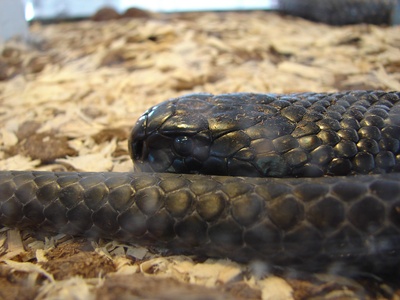
Black-necked spitting cobra
Medium-sized cobra that can spit irritating venom to eyes. Adapts to human-altered landscapes; feeds on rodents, frogs and other snakes.
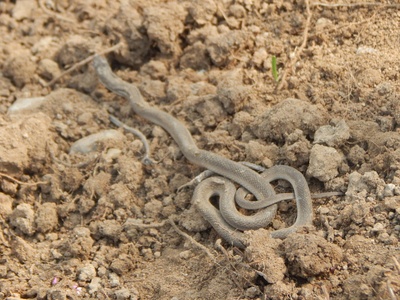
Egg-eating snake
Specialist snake that feeds almost exclusively on bird eggs, swallowing them whole and cracking with vertebral projections. Harmless to humans and often found near nesting sites.
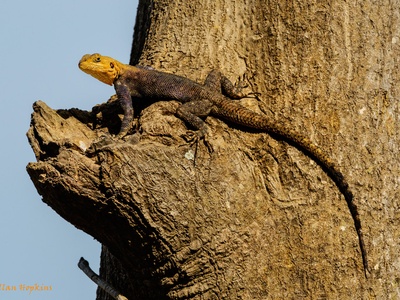
Common agama
Colorful, diurnal lizard often seen basking on rocks and walls. Males display bright heads and bodies during breeding; very common in towns and countryside.
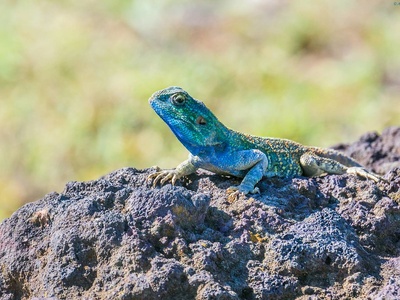
Eastern tree agama
Arboreal agama with flattened body and long tail; males develop vivid blue heads in breeding season. Frequently found on trees and cliff faces near water.
Striped skink
Active daytime skink with glossy scales and longitudinal stripes. Common in urban gardens and natural grasslands; feeds on insects and small invertebrates.
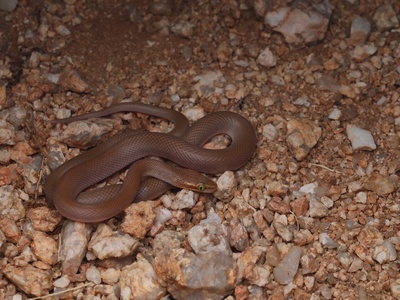
African house snake
Docile nocturnal snake commonly found near houses where it hunts rodents. Often tolerated and useful for pest control; variable coloration makes identification by sight tricky.
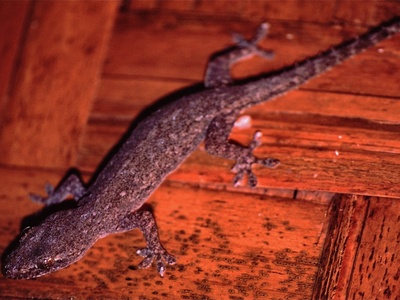
Common house gecko
Small nocturnal gecko that thrives around lights and homes, eating insects. Introduced species that easily colonizes towns and villages across Ethiopia.
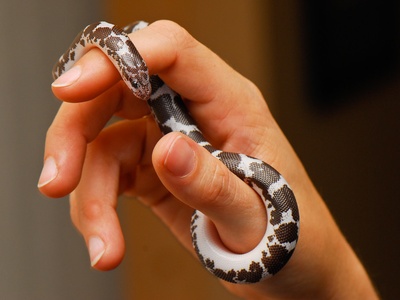
Kenyan sand boa
Stout, burrowing boa that ambushes small mammals from under sand. Slow-moving and nonvenomous, often mistaken for a venomous snake due to stocky appearance.
Rough-scaled worm lizard
Fossorial amphisbaenian (legless lizard) that lives under stones and soil; little seen but locally common in dry rocky highlands. Feeds on insects and small invertebrates.
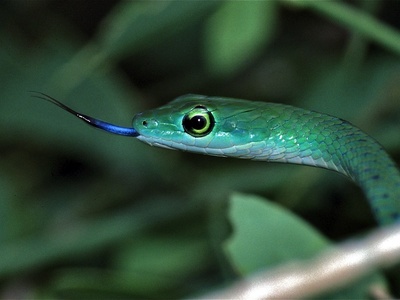
Spotted bush snake
Slender, greenish arboreal snake active by day, feeding mainly on frogs and lizards. Nonvenomous and usually fast-moving through branches.
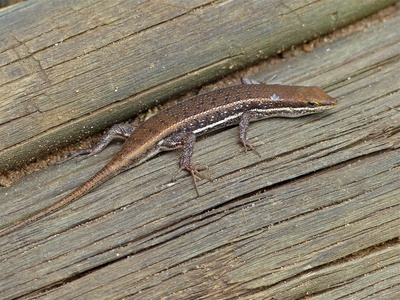
Variable skink
Small, active skink with variable dorsal patterning and smooth scales. Basks on sunlit rocks and feeds on insects; adaptable to disturbed habitats.