In the 1980s, scientists working in Nicaragua’s Bosawás Reserve helped reveal one of Central America’s last great strongholds for large tropical wildlife — a discovery that reshaped regional conservation priorities.
That finding still matters because Nicaragua’s wildlife supports biodiversity, critical ecosystem services, and a growing ecotourism economy. There are roughly 700 bird species recorded in the country, and many mammals, amphibians, and marine species play outsized roles in forest regeneration, coastal fisheries, and local livelihoods. This piece profiles 10 emblematic species and groups — organized into three categories (mammals/primates; birds/reptiles; amphibians/invertebrates/marine life) — to show why protecting these systems is urgent and practical. For conservation status and species-level data, consult authoritative sources such as the IUCN Red List and regional agencies like MARENA.
Mammals and Large Terrestrial Species

Large mammals shape forest dynamics as seed dispersers, browsers, and apex predators. They create heterogeneity in vegetation, move seeds long distances, and regulate prey populations. Key threats are deforestation and hunting, and local IUCN listings often reflect declining trends in landscape fragments.
Conservation hotspots for these species include Bosawás, Indio Maíz, and the Río San Juan basin, where protected corridors and community reserves aim to reduce fragmentation. Local groups such as MARENA and Fundación del Río partner on monitoring and patrols to protect core populations.
1. Mantled Howler Monkey (Alouatta palliata)
The mantled howler is common in lowland forests and riparian corridors and is famous for loud, far-carrying calls. Groups typically number 6–20 individuals, and their leaf-heavy folivorous diet means they move seasonally through the canopy.
Howlers help forest regeneration by dispersing smaller seeds and by indicating canopy connectivity; healthy howler populations often signal intact canopy links used by other arboreal species. They occur in protected areas such as Indio Maíz and are popular with visitors to eco-lodges (see Smithsonian/National Zoo for species details).
2. Jaguar (Panthera onca)
The jaguar is the top terrestrial predator in Nicaragua’s largest forest blocks and plays a central role in controlling herbivore populations. The species is listed as Near Threatened on the IUCN Red List, with habitat loss and human-wildlife conflict as major threats.
Camera-trap surveys in Bosawás and Río San Juan have documented jaguar presence in recent decades, supporting efforts to map corridors and prioritize protection. Community-led monitoring and responsible wildlife tourism can provide incentives to reduce retaliatory killings and maintain landscape connectivity.
3. Baird’s Tapir (Tapirus bairdii)
Baird’s tapir is Central America’s largest land mammal and inhabits wet forests and riverine corridors. It is listed as Endangered by the IUCN Red List and occurs at low densities across remaining habitat patches.
Tapirs are keystone seed dispersers of large-fruited trees; protecting them often protects a broader set of species, so they function as umbrella species. Local tapir surveys and conservation programs (partnering with NGOs and reserve managers) help inform protected-area design and corridor restoration.
Birds and Reptiles — Colorful Signs of Ecosystem Health
Nicaragua supports extraordinary avian diversity, with roughly 700 recorded bird species, many of which act as pollinators, seed dispersers, and indicators of habitat quality. Birds attract international birdwatchers, and community guides and lodges in places like Selva Negra and Mombacho rely on that interest for income.
Reptiles range from freshwater crocodiles and estuarine apex predators to four species of nesting sea turtles on Nicaraguan beaches. Conservation efforts for birds and reptiles often overlap through protected forests, mangrove preservation, and beach-hatchery programs.
4. Resplendent Quetzal (Pharomachrus mocinno)
The resplendent quetzal is a jewel of cloud forests, known for iridescent plumage and long tail streamers. In Nicaragua, it’s mainly found in highland cloud forests of Matagalpa and Jinotega, where cooler, humid conditions persist.
Breeding typically occurs regionally from March–June, and quetzals help disperse the seeds of avocado-like and other large-fruited trees. Loss of cloud-forest habitat threatens local populations, and many birdwatchers travel specifically for quetzal sightings at highland lodges.
5. Scarlet Macaw (Ara macao)
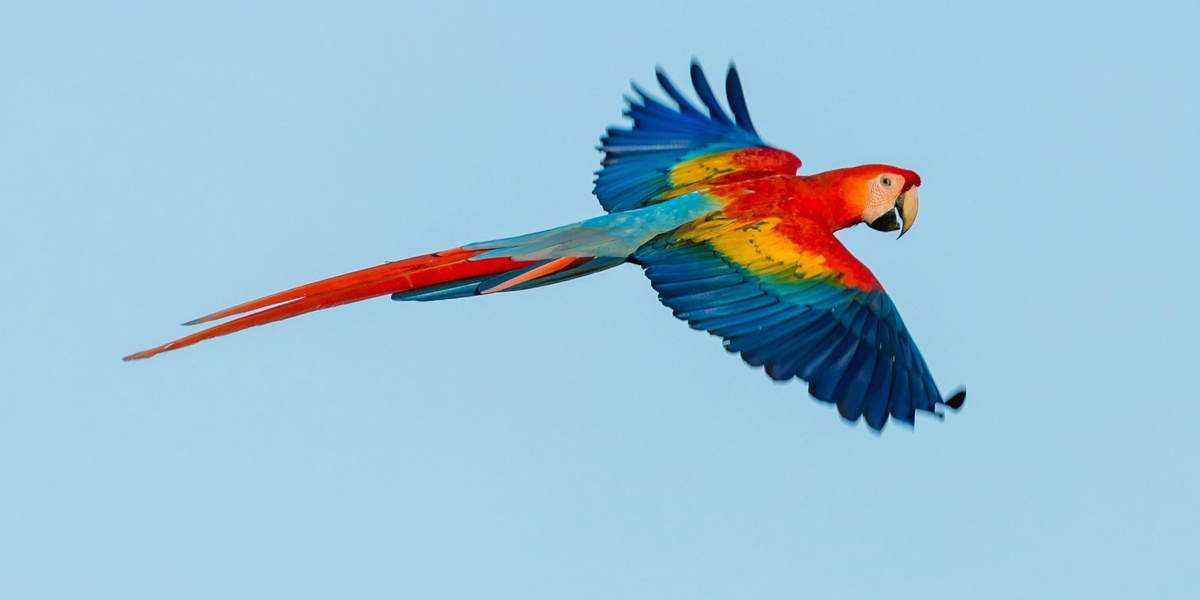
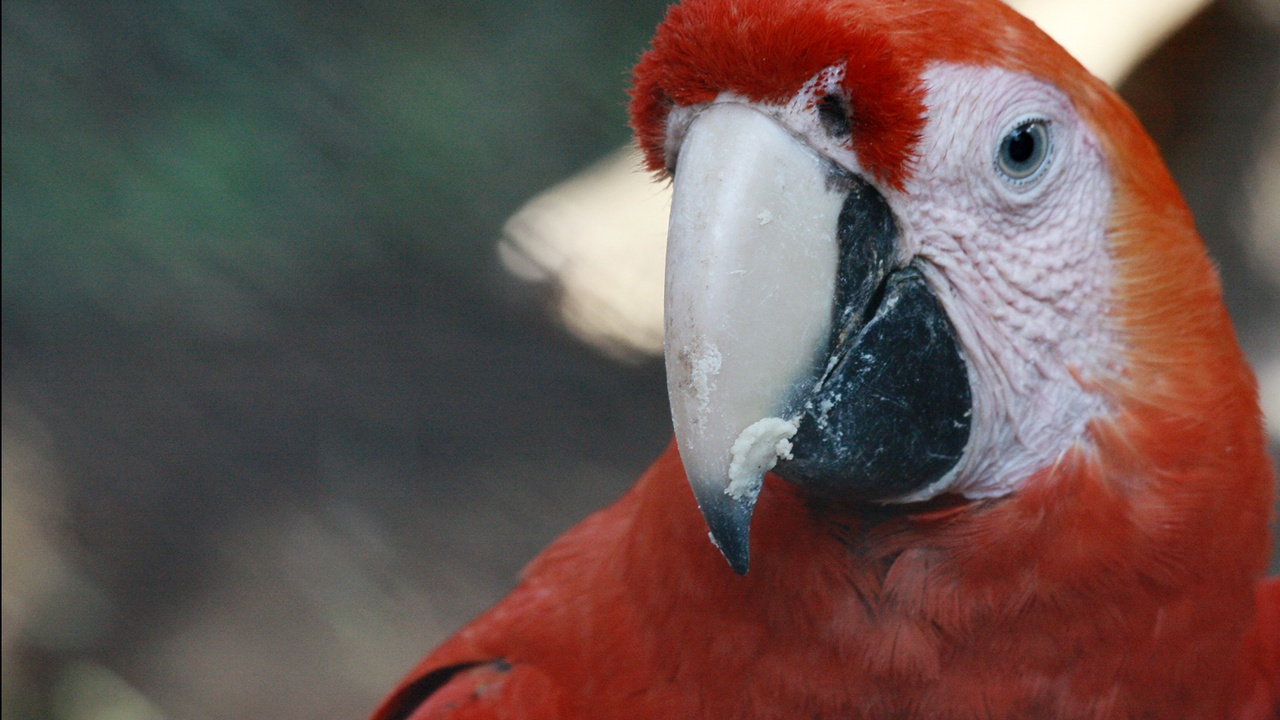
The scarlet macaw’s red, blue, and yellow plumage is unmistakable in lowland tropical and gallery forests. Macaws disperse large seeds and help maintain tree diversity, but trapping for the pet trade and habitat loss have reduced local numbers in some regions.
Populations persist in Bosawás and Río San Juan buffer zones, where monitoring and occasional reintroduction efforts occur. Community reserves and guided macaw-watching can provide alternatives to unsustainable capture and raise local incomes.
6. Green Sea Turtle (Chelonia mydas)
Green sea turtles are one of four sea turtle species that nest on Nicaraguan beaches (green, leatherback, hawksbill, and olive ridley). Nesting seasons vary by coast, but many sites see peak activity from May–October.
The species is listed as Endangered on the IUCN Red List, and community-run hatcheries and beach patrols have become key conservation tools. These programs protect nests, generate ecotourism revenue, and foster local stewardship of sandy beaches.
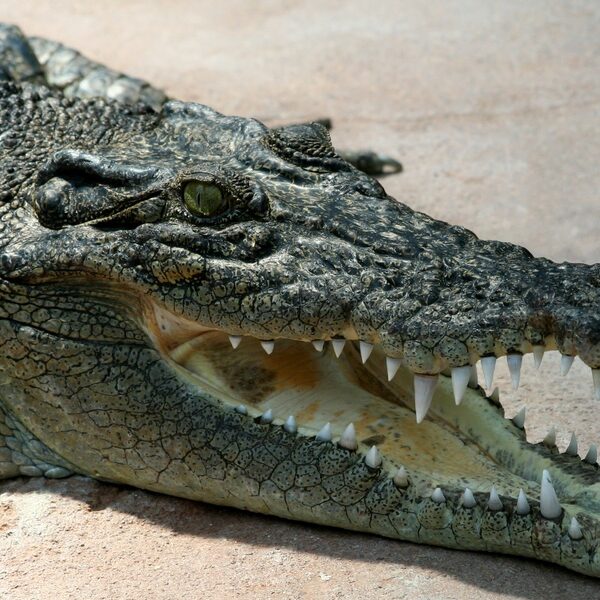
7. American Crocodile (Crocodylus acutus)
American crocodiles inhabit estuaries, mangroves, and coastal lagoons such as those around Río San Juan and Caribbean inlets. Adults commonly reach 3–4 meters in length and function as apex aquatic predators that influence fish and bird communities.
Human-wildlife interactions are managed through protected mangrove conservation and local education programs. Maintaining healthy mangroves benefits crocodiles and supports fisheries that local communities depend on.
Amphibians, Invertebrates, and Marine Life — Small Species, Big Impacts
Smaller fauna underpin food webs, pollination, nutrient cycling, and coastal economies. Globally, roughly 40% of amphibian species are considered threatened, which makes amphibian monitoring a key early-warning system for ecosystem stress (IUCN).
In Nicaragua, wetlands, reefs, and coastal lagoons connect terrestrial and marine biodiversity, so protecting small species often yields outsized benefits for both inland and coastal communities. The next three examples show the range of ecological roles small fauna play.
8. Red-eyed Tree Frog (Agalychnis callidryas)
The red-eyed tree frog is an unmistakable species of humid lowland forests, known for bright eyes and green bodies. It breeds by laying eggs on leaves above temporary pools, where tadpoles drop into water after hatching.
As both insect predator and prey for birds and snakes, the frog sits mid-way in forest food webs. Amphibian monitoring at community reserves and eco-lodges helps track habitat alteration and water quality over time.
9. Blue Morpho Butterfly (Morpho peleides)
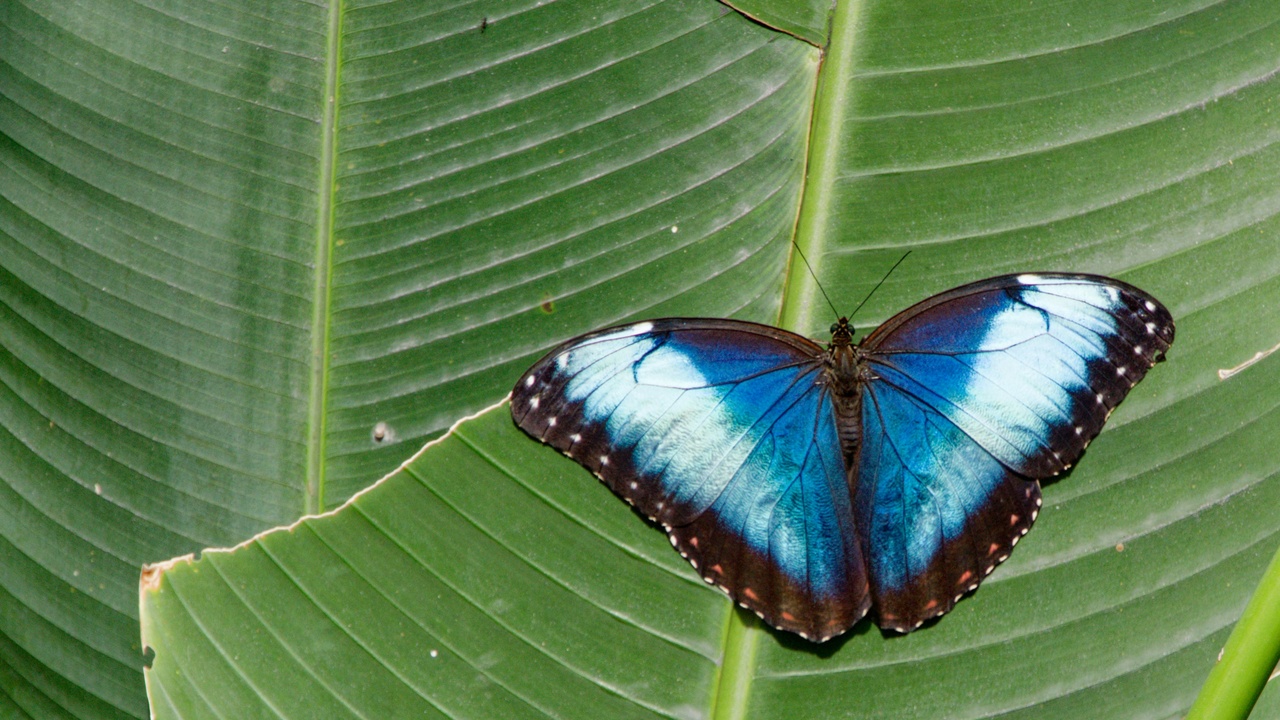
The blue morpho’s metallic-blue wings flash through the forest understory and edges, making it a favorite of photographers. Typical wingspan is about 12–15 cm, and larvae feed on a range of host plants in the understory.
Morphos act as pollinators and as prey for birds and reptiles, and butterfly-viewing supports small-scale ecotourism and butterfly farms in some communities. Their presence often signals intact understory habitat and continuous forest.
10. Leatherback Sea Turtle (Dermochelys coriacea)
The leatherback is the largest sea turtle species and is classified as Critically Endangered globally. Adults can reach roughly 1.5–2 meters in carapace length and weigh up to around 900 kg, and they undertake long-distance migrations between nesting beaches and feeding grounds.
Nicaraguan beaches on both coasts are important for nesting, and community patrols and hatcheries monitor nests each season (see marine turtle programs and Global Sea Turtle assessments for recent figures). Protecting leatherback nesting sites protects coastal livelihoods and marine food webs.
Summary
- Nicaragua’s tropical fauna — from jaguars and tapirs in Bosawás and Indio Maíz to quetzals in cloud forest and nesting beaches for leatherbacks — provide essential ecological functions and support local economies.
- Many species carry formal conservation statuses (e.g., jaguar: Near Threatened; Baird’s tapir: Endangered; leatherback: Critically Endangered) per the IUCN Red List, underscoring the need for protected corridors and beach protection.
- Community-based programs (beach hatcheries, camera-trap monitoring, reserve patrols) and support for organizations like MARENA and Fundación del Río create practical, locally led conservation gains.
- Supporting the fauna of nicaragua means choosing responsible ecotourism, backing local NGOs, and advocating for continued habitat protection to secure both biodiversity and livelihoods.