North Korea’s mix of mountains, lowland wetlands and river valleys supports a small but distinct set of amphibian species. Because field surveys are limited compared with neighboring countries, assembling a clear list helps researchers, naturalists and curious readers understand what lives there and where to look.
There are 10 Amphibians of North Korea, ranging from the Amur frog to Stejneger’s toad. For each species the table lists Scientific name,Size (adult length cm),IUCN status,DPRK range & habitat so you can compare identification, conservation status and likely locations — you’ll find these details below.
Are any of these amphibians endangered or at risk in North Korea?
IUCN classifications among the listed species vary from Least Concern to categories like Near Threatened or Data Deficient; limited national surveys mean some statuses may not reflect current local trends. Main threats are habitat loss, wetland drainage, pollution and localized collection, so conservation attention and updated monitoring are important.
Where in North Korea are you most likely to see these species in the wild?
Expect amphibians in wetlands, rice paddies, lowland ponds, forest streams and montane streams depending on the species—Amur frogs favor lowland wetlands while Stejneger’s toad is more tied to forested areas; look at dusk or during spring breeding choruses and near standing or slow water for the best chance to observe them.
Amphibians of North Korea
| Common name | Scientific name | Size (adult length cm) | IUCN status | DPRK range & habitat |
|---|---|---|---|---|
| Japanese tree frog | Dryophytes japonicus | 5 | Least Concern | Widespread lowlands and wetlands across DPRK |
| Black‑spotted pond frog | Pelophylax nigromaculatus | 7 | Least Concern | Lowlands, ponds, agricultural wetlands nationwide |
| Amur frog | Rana amurensis | 7 | Least Concern | Northern provinces, forested wetlands and marshes |
| Dybowski’s frog | Rana dybowskii | 6 | Least Concern | Wooded hills and streams, northern to central DPRK |
| Oriental fire‑bellied toad | Bombina orientalis | 4 | Least Concern | Lowland ponds, rice paddies, and slow streams |
| Asian common toad | Bufo gargarizans | 10 | Least Concern | Widespread, gardens, fields, forest edges across DPRK |
| Korean salamander | Hynobius leechii | 10 | Least Concern | Mountain streams and moist forests, throughout peninsula |
| Siberian salamander | Salamandrella keyserlingii | 8 | Least Concern | Cold northern bogs, tundra-edge wetlands in DPRK north |
| Fischer’s clawed salamander | Onychodactylus fischeri | 15 | Least Concern | Mountain stream valleys and wet forests in northern DPRK |
| Stejneger’s toad | Bufo stejnegeri | 9 | Least Concern | Rocky forest streams and adjacent lowlands in DPRK |
Images and Descriptions
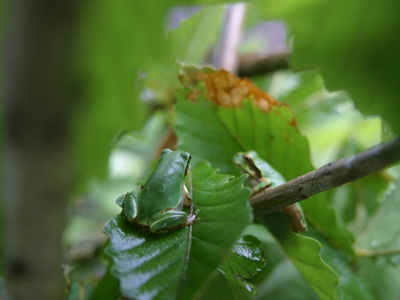
Japanese tree frog
Small green tree frog often heard near rice paddies and ponds. Common across North Korea’s lowlands and towns, it climbs vegetation and calls in spring. Least Concern; easy to spot at night near water.
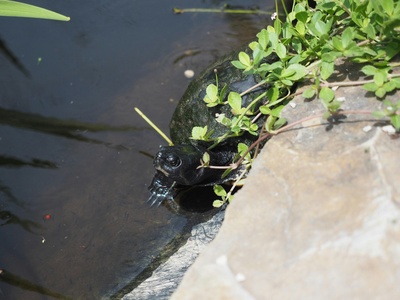
Black‑spotted pond frog
Medium-sized greenish frog with dark blotches that breeds in ponds and rice fields. Widespread in North Korea’s wetlands, adaptable to disturbed habitats. Least Concern; a common pond-side species and good indicator of freshwater health.
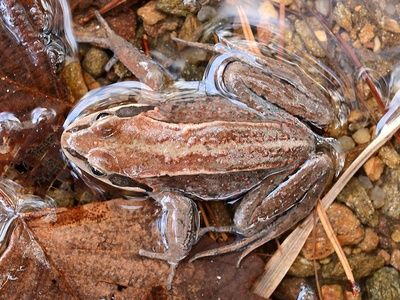
Amur frog
A robust brown frog of cooler northern regions. Found in DPRK’s northern forests and marshes, it tolerates cold and breeds in spring meltwater. Least Concern; characteristic of boreal-edge habitats.
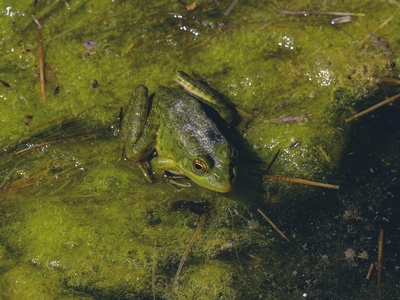
Dybowski’s frog
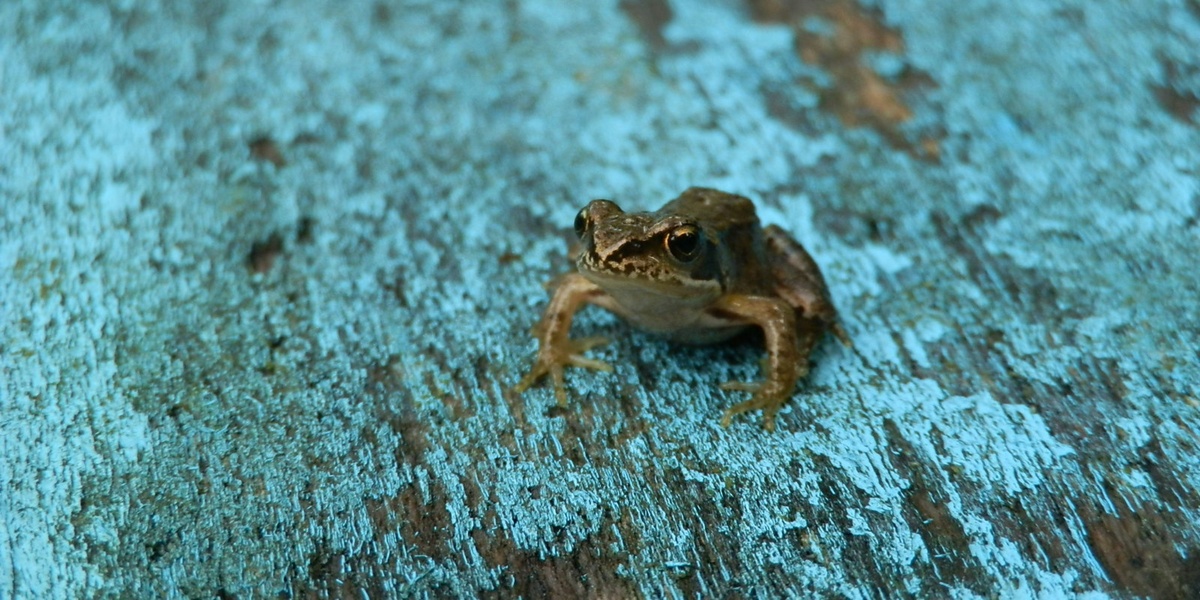
A stout, squat frog with mottled skin found along forest streams and hills. Present in North Korea’s cooler woodlands. Least Concern; often associated with rocky streamside habitats.
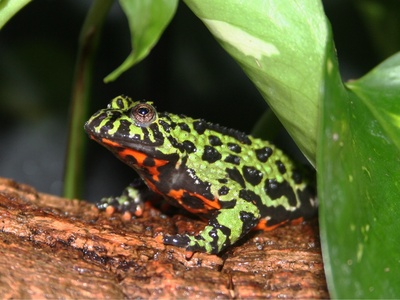
Oriental fire‑bellied toad
Small, brightly patterned toad with a warning orange belly seen in lowland wetlands. Common in DPRK rice landscapes and shallow ponds. Least Concern; its vivid underside deters predators.
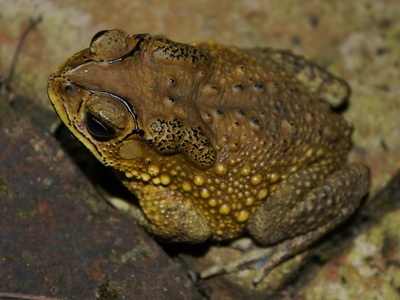
Asian common toad
A stocky toad with warty skin that tolerates human-altered habitats. Found broadly in North Korea’s fields and gardens. Least Concern; often seen on warm nights near lights.

Korean salamander
A slender, lungless salamander breeding in cool mountain pools and streams. Present in DPRK hills and forested slopes. Least Concern; secretive but locally common in suitable habitats.
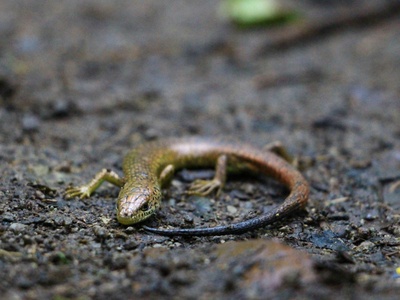
Siberian salamander
Small, cold-tolerant salamander found in northern marshes and bogs of North Korea. Survives freezing winters and breeds in shallow water. Least Concern; notable for cold resilience.
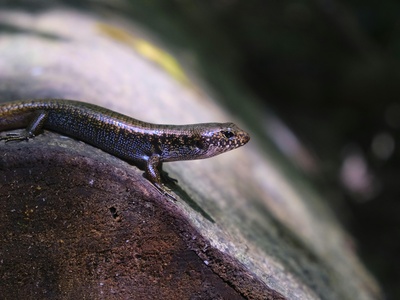
Fischer’s clawed salamander
A long, claw‑toed salamander tied to clear, cool mountain streams. Reported from North Korea’s northern forested valleys. Least Concern; specialized for streamside life.
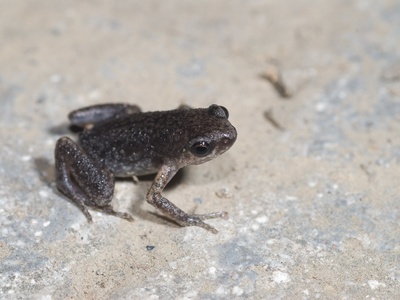
Stejneger’s toad
Medium toad often found near rocky streams and forest margins. Occurs in parts of North Korea, favoring cooler, well-vegetated areas. Least Concern; less commonly seen than widespread toads.