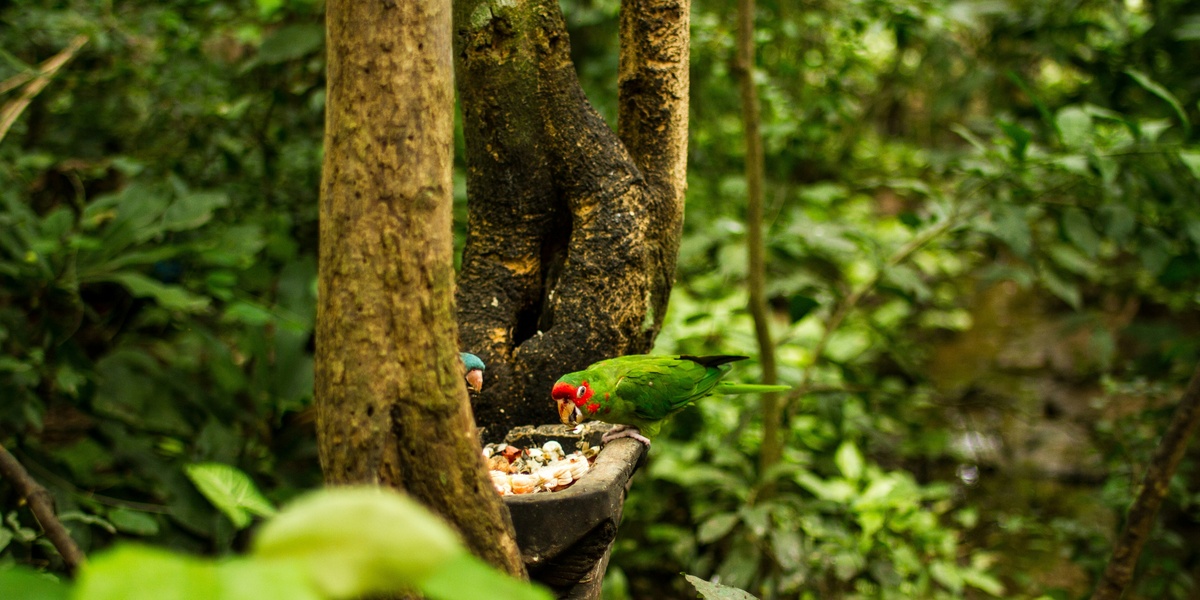
Belize is a compact country with huge ecological variety — from coastal lagoons and barrier reefs to lowland rainforests and mountain slopes. That diversity means wildlife encounters range from reptiles basking in mangroves to large mammals moving through forested corridors.
There are 33 Belize’s native animals, ranging from the American crocodile to the White-lipped peccary. For each species you’ll find below the columns Scientific name, Class, Habitat/where found in Belize to help identify and locate them, and you’ll find below.
How likely am I to see these animals in Belize on a typical visit?
Sightings depend on habitat and season: shorebirds and coastal species are common around cayes and estuaries, while mammals like peccaries and tapirs are more elusive in dense forests and often best seen on guided early-morning or night walks in protected areas.
Which of these species need special attention for conservation or safety?
Some species are protected or declining due to habitat loss and hunting (check local regulations), and others like the American crocodile require caution near water; follow park guidelines, keep distance, and ask local guides about recent sightings or safety measures.
Belize’s Native Animals
| Name | Scientific name | Class | Habitat/where found in Belize |
|---|---|---|---|
| Jaguar | Panthera onca | Mammal | Maya Mountains,Cockscomb Basin and lowland rainforests |
| Baird’s tapir | Tapirus bairdii | Mammal | Maya Mountains,Toledo lowland rainforest and riverine forests |
| Howler monkey | Alouatta pigra | Mammal | Lowland rainforest,Community Baboon Sanctuary,Caracol and riversides |
| Geoffroy’s spider monkey | Ateles geoffroyi | Mammal | Forest canopy in Maya Mountains and protected reserves |
| Ocelot | Leopardus pardalis | Mammal | Lowland forest,savanna margins and private reserves |
| White-lipped peccary | Tayassu pecari | Mammal | Lowland rainforest and pine forest tracts,Toledo and Maya regions |
| Collared peccary | Pecari tajacu | Mammal | Dry forest,scrub,wetlands and near farms across Belize |
| Central American agouti | Dasyprocta punctata | Mammal | Forest edges,reserves and agricultural areas countrywide |
| Keel-billed toucan | Ramphastos sulfuratus | Bird | Lowland rainforest canopy,Maya Mountains and archaeological sites |
| Scarlet macaw | Ara macao | Bird | Maya Mountains,southern Toledo and community reserves |
| Ocellated turkey | Meleagris ocellata | Bird | Lowland forests,near Maya ruins and protected areas |
| Harpy eagle | Harpia harpyja | Bird | Large tracts of rainforest,Maya Mountains and remote forest blocks |
| Great curassow | Crax rubra | Bird | Lowland forest and large reserves including Maya regions |
| Jabiru stork | Jabiru mycteria | Bird | Freshwater wetlands,lagoons and northern river systems |
| Boat-billed heron | Cochlearius cochlearius | Bird | Mangroves,lagoons and freshwater wetlands like Crooked Tree |
| Resplendent quetzal | Pharomachrus mocinno | Bird | Cloud forests and higher elevations in the Maya Mountains |
| American crocodile | Crocodylus acutus | Reptile | Coastal lagoons,mangroves and river mouths including cayes |
| Morelet’s crocodile | Crocodylus moreletii | Reptile | Freshwater rivers,lagoon systems and wetlands across Belize |
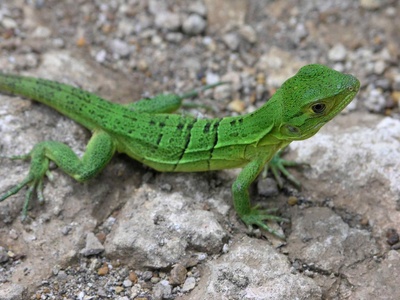
| Green iguana | Iguana iguana | Reptile | Lowland forest,mangroves and urban waterways countrywide |
| Black spiny-tailed iguana | Ctenosaura similis | Reptile | Dry forest,rocky areas,coastlines and ruins in northern Belize |
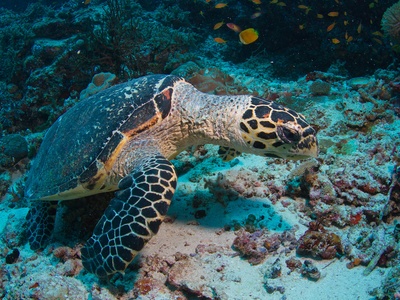
| Hawksbill turtle | Eretmochelys imbricata | Reptile | Belize Barrier Reef,coral reefs and nesting cay beaches |
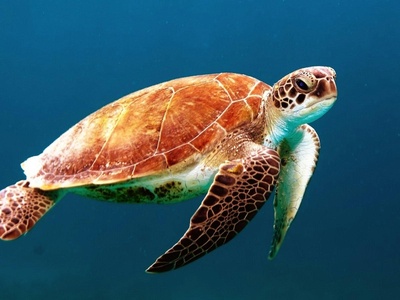
| Loggerhead turtle | Caretta caretta | Reptile | Offshore waters and foraging grounds around Belize Barrier Reef |
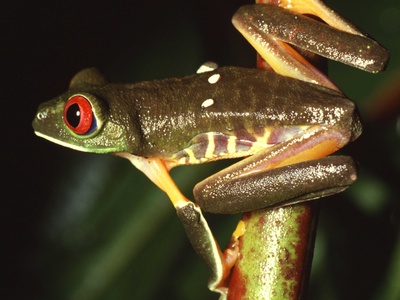
| Red-eyed tree frog | Agalychnis callidryas | Amphibian | Lowland rainforest and riparian forests,especially southern Belize |
| Cane toad | Rhinella marina | Amphibian | Varied habitats including forest edges,gardens and wetlands countrywide |
| Mexican tree frog | Smilisca baudinii | Amphibian | Ponds,streams and forest edges in lowland and foothill forests |
| Nassau grouper | Epinephelus striatus | Fish | Reef slopes and historical spawning aggregation sites on Belize Barrier Reef |
| Bonefish | Albula vulpes | Fish | Shallow flats and inshore waters around Placencia,Turneffe and Ambergris Caye |
| Tarpon | Megalops atlanticus | Fish | Mangroves,estuaries and nearshore waters of Belize |
| Queen conch | Lobatus gigas | Invertebrate | Seagrass beds and shallow sandy bottoms around cayes and reef flats |
| Caribbean spiny lobster | Panulirus argus | Invertebrate | Reef crevices,mangrove-connected reefs and shallow reefs Belize Barrier Reef |
| Elkhorn coral | Acropora palmata | Invertebrate | Shallow reef fronts and nearshore reef crests of Belize Barrier Reef |
| Blue morpho butterfly | Morpho peleides | Invertebrate | Lowland rainforest,river corridors and canopy in southern Belize |
| Glasswing butterfly | Greta oto | Invertebrate | Forest edges,streams and gardens in lowland Belize |
Images and Descriptions
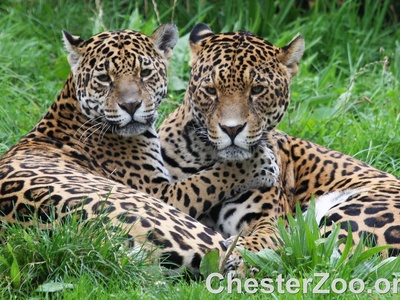
Jaguar
Large spotted cat up to about 100 kg and Belize’s top predator, nocturnal and secretive. Best viewing odds are in Cockscomb Basin and Maya Mountains via guided night drives or camera traps. Iconic species central to Belizean conservation. IUCN: Near Threatened
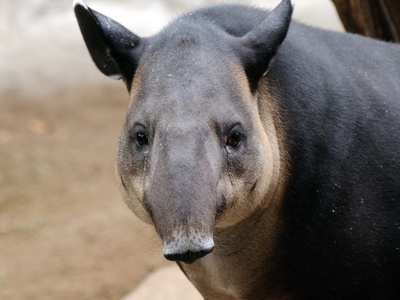
Baird’s tapir
Heavy browsing mammal roughly 150–300 kg and Belize’s largest terrestrial mammal; mostly nocturnal and fond of water. Seen at reserve waterholes and along forest trails in the Maya Mountains and Toledo. Strong conservation focus due to declining numbers. IUCN: Endangered
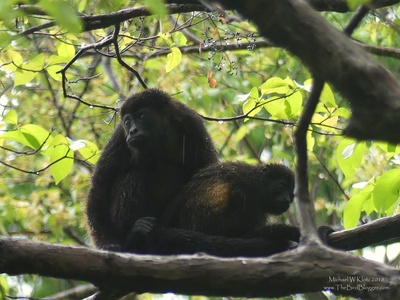
Howler monkey
Robust primate weighing about 3–7 kg whose male howls can carry kilometers; primarily leaf-eating and highly social. Common in lowland forest and near Maya ruins, easy to locate by sound at dawn. IUCN: Endangered
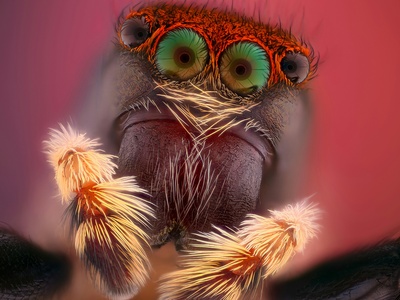
Geoffroy’s spider monkey
Long-limbed, prehensile-tailed frugivore about 6–9 kg that moves acrobatically through the canopy. Best seen in intact forest canopies of the Maya Mountains and large reserves; sensitive to habitat loss and hunting. IUCN: Endangered
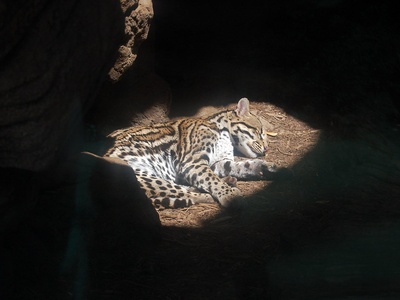
Ocelot
Medium-sized spotted cat 8–18 kg, nocturnal and elusive but locally common in good habitat. Often detected by camera traps or early-morning tracks in private reserves and national parks; solitary predator. IUCN: Least Concern
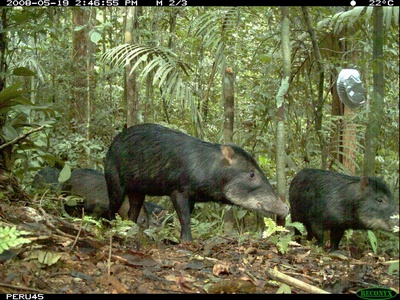
White-lipped peccary
Social pig-like mammal 20–35 kg that travels in large herds and influences seed predation and dispersal. Recorded frequently by camera traps in remote lowland forests; vulnerable to fragmentation and hunting. IUCN: Vulnerable
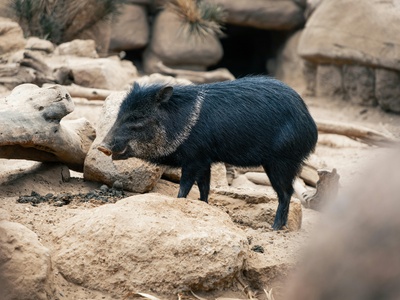
Collared peccary
Sturdy, adaptable pig 12–25 kg found in dry forest, scrub and wetlands. Travels in small groups, commonly seen along trails and roads, tolerant of human-altered landscapes and widespread across Belize. IUCN: Least Concern
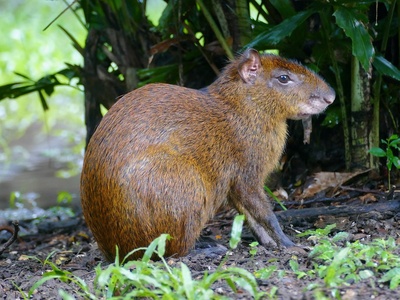
Central American agouti
Rabbit-sized rodent 3–6 kg that buries and disperses seeds; diurnal and often bold around trails. Frequent in Community Baboon Sanctuary, reserve edges and gardens; important for forest regeneration. IUCN: Least Concern
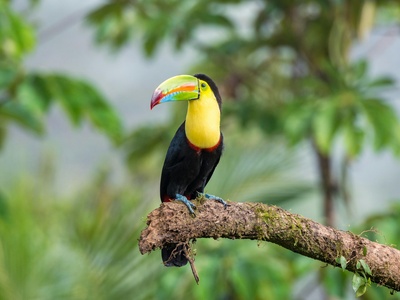
Keel-billed toucan
Large colorful toucan 42–55 cm with an oversized multicolored bill; noisy canopy bird of lowland forests and ruins. Regularly seen in Caracol, Community Baboon Sanctuary and forest reserves by birders and photographers. IUCN: Least Concern
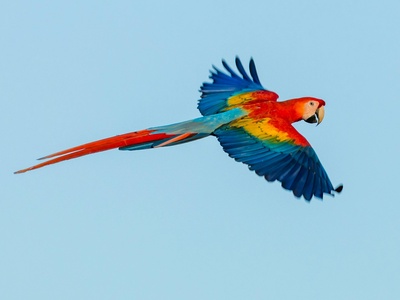
Scarlet macaw
Vivid red, yellow and blue parrot 80–90 cm, social and often nesting in tall emergent trees. Seen in southern Belize near Red Bank and community reserves where nest protection and reintroduction programs assist recovery. IUCN: Least Concern (locally pressured)
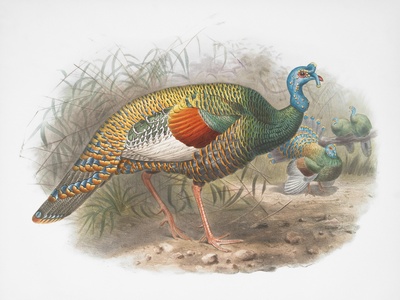
Ocellated turkey
Striking ground-dwelling turkey 70–90 cm with iridescent plumage and eye-like tail spots; shy and most active at dawn. Found in intact lowland forest near ruins and protected areas; culturally notable species. IUCN: Near Threatened
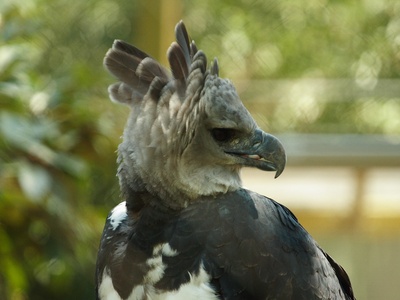
Harpy eagle
One of the world’s most powerful eagles, weighing up to about 9 kg with massive talons and a ~2 m wingspan. Extremely rare in Belize; recorded in remote Maya Mountain forests and sought by specialist birders. IUCN: Near Threatened
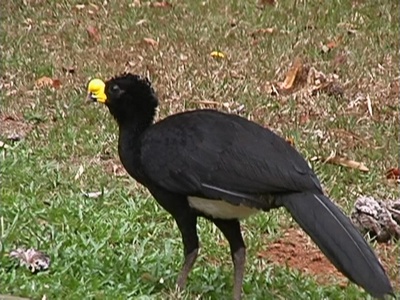
Great curassow
Heavy, pheasant-like bird 75–100 cm with a prominent crest; shy and often heard before seen. Occurs in intact lowland forest and large reserves; vulnerable to hunting and habitat loss. IUCN: Vulnerable
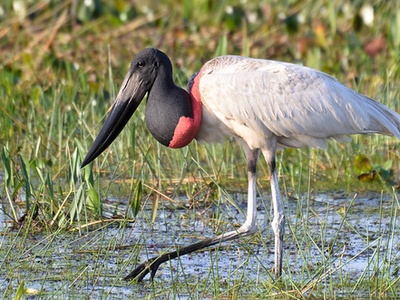
Jabiru stork
Tall white stork up to 1.5 m with a bare black head and huge bill; frequents Crooked Tree Wildlife Sanctuary and northern wetlands. Feeds on fish and amphibians in shallow waters and is an emblematic wetland species. IUCN: Least Concern
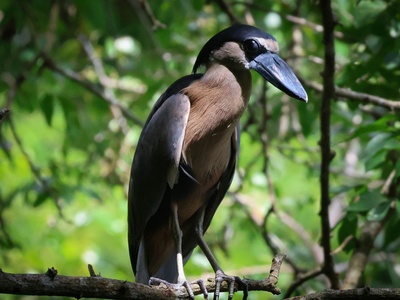
Boat-billed heron
Stocky, nocturnal heron ~40–50 cm with an unusually broad, boat-shaped bill used for catching fish. Best seen at dusk and dawn in mangroves and lagoon edges around Belize River and Crooked Tree. IUCN: Least Concern
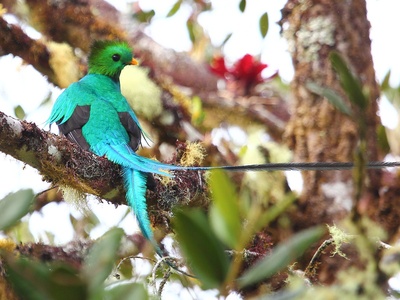
Resplendent quetzal
Brilliantty colored trogon 36–40 cm (males with long tail streamers), a canopy specialist of cloud forests. Sought by birders in Mountain Pine Ridge and high Maya Mountain reserves; shy and localized. IUCN: Near Threatened
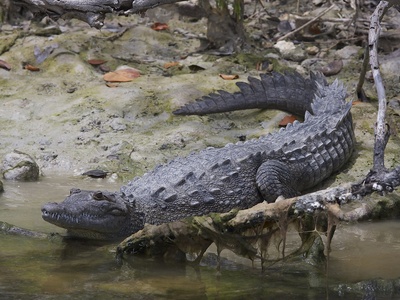
American crocodile
Large estuarine crocodile often 4–6 m, apex predator of coastal lagoons and mangrove creeks. Seen around Sittee River and southern coastal areas; wary but potentially dangerous to people and boats. IUCN: Vulnerable
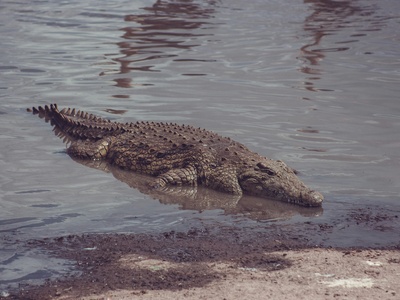
Morelet’s crocodile
Midsized crocodile up to 3–4 m common in freshwater rivers, lagoons and wetlands. Frequently seen in Belize River, Crooked Tree and inland wetlands; more freshwater-oriented than the American crocodile. IUCN: Least Concern
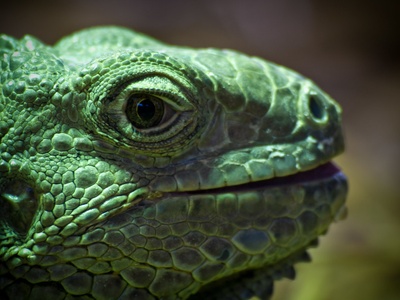
Green iguana
Large arboreal lizard up to about 1.5 m, bright green and long-tailed, often sunning on branches or walls near water. Common across Belize in mangroves, riversides and disturbed areas. IUCN: Least Concern
Black spiny-tailed iguana
Fast-running, crested lizard 40–60 cm that basks on rocks, masonry and ruins. Frequently seen around archaeological sites and coastal dry forests; conspicuous and tolerant of human presence. IUCN: Least Concern
Hawksbill turtle
Medium-sized sea turtle 80–100 cm carapace, reef specialist that feeds on sponges and nests on cay beaches. Critically important to reef health; heavily endangered and a conservation priority in Belize. IUCN: Critically Endangered
Loggerhead turtle
Large-headed sea turtle 90–120 cm that forages on reefs and offshore waters. Seen by divers and fishers in Belize waters; less common than other sea turtles but regularly recorded in the region. IUCN: Vulnerable
Red-eyed tree frog
Bright green arboreal frog 5–7 cm with distinctive red eyes and adhesive toe pads; nocturnal and commonly seen on foliage near streams. Popular with eco-tours in Maya Mountain foothills and lowland rainforest. IUCN: Least Concern

Cane toad
Robust toad up to about 15 cm, warty and nocturnal; often found near lights and standing water. Native to Central America and common in a wide range of habitats across Belize. IUCN: Least Concern
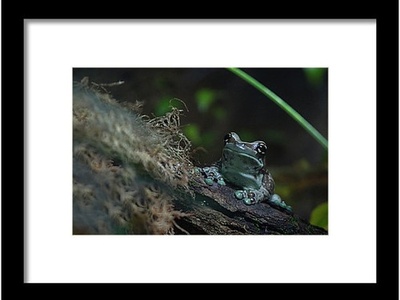
Mexican tree frog
Medium tree frog 5–8 cm with a loud breeding call after rains; found around ponds and streams in lowland and foothill forests. Common during wet season and easy to hear at night. IUCN: Least Concern
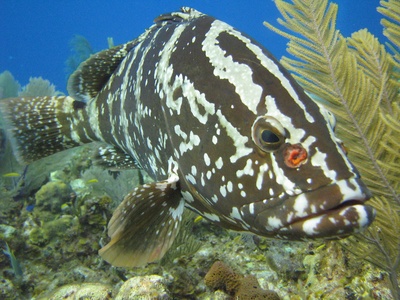
Nassau grouper
Large reef grouper up to about 1 m that forms seasonal spawning aggregations and was overfished across the Caribbean. A flagship species for Belize fisheries management and reef conservation efforts. IUCN: Critically Endangered
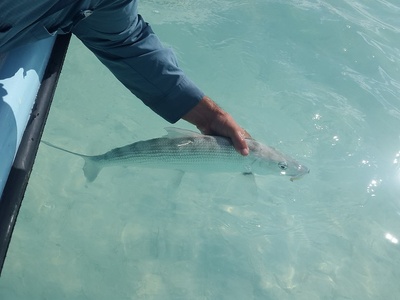
Bonefish
Silver, torpedo-shaped flats fish 60–80 cm prized by fly and light-tackle anglers. Abundant on Belize’s flats, especially at Turneffe and Placencia, and central to sustainable catch-and-release tourism. IUCN: Near Threatened
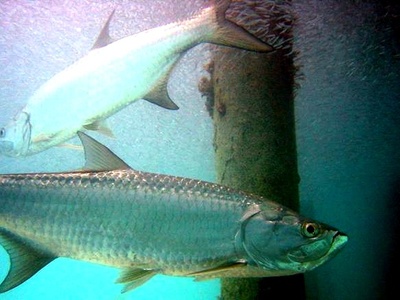
Tarpon
Large, powerful silver gamefish reaching up to about 2 m, famed for acrobatic leaps during angling fights. Found in mangrove estuaries and nearshore waters, targeted by sport fishermen for its strength. IUCN: Vulnerable
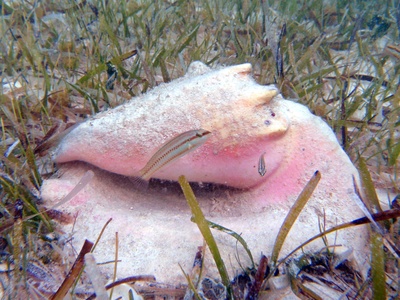
Queen conch
Large edible marine snail with a thick pink interior shell up to ~25 cm, living on seagrass and sand flats. Economically and culturally important; subject to harvesting regulations and conservation monitoring. IUCN: Vulnerable
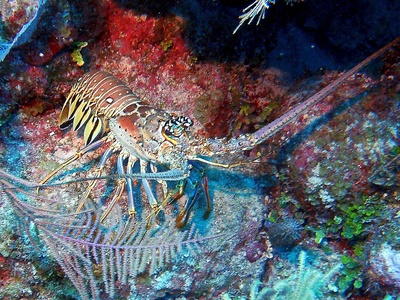
Caribbean spiny lobster
Nocturnal crustacean up to about 60 cm that shelters in reef crevices and migrates in groups; major fishery species around Turneffe, Ambergris Caye and Lighthouse Reef. IUCN: Least Concern
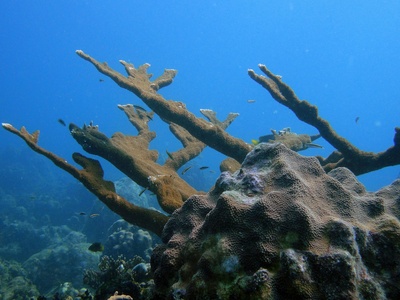
Elkhorn coral
Branching stony coral that once dominated shallow reef fronts and provided crucial habitat and wave protection. Has suffered severe declines from disease and bleaching; priority for reef restoration. IUCN: Critically Endangered
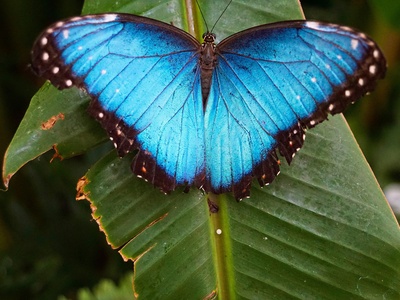
Blue morpho butterfly
Large iridescent blue butterfly with a 12–15 cm wingspan; flashes through sunlit gaps in the rainforest and along rivers. Popular with eco-tourists and photographers in southern Belize. IUCN: Not Evaluated
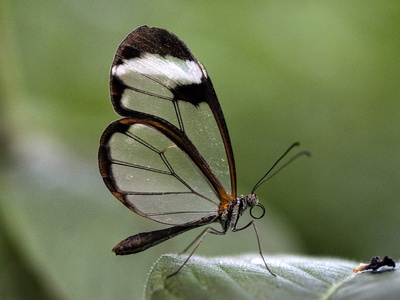
Glasswing butterfly
Delicate butterfly 6–8 cm with transparent wings and slow, drifting flight. Often seen near streams and forest openings; prized by photographers for its unusual clear wing panels and subtle flight. IUCN: Not Evaluated