A 2014 Chinese survey counted roughly 1,864 wild giant pandas — a figure that surprised many and helped change the species’ conservation status in 2016.
Giant pandas are cultural icons, conservation success stories, and ecological specialists. Characteristics of a panda — from a pseudo‑thumb to a bamboo-only diet — shape how they move, feed, reproduce, and how people design reserves and captive care. This article explains ten distinctive traits, organized into three categories: physical traits, behavior and diet, and reproduction, lifespan, and conservation.
Physical characteristics
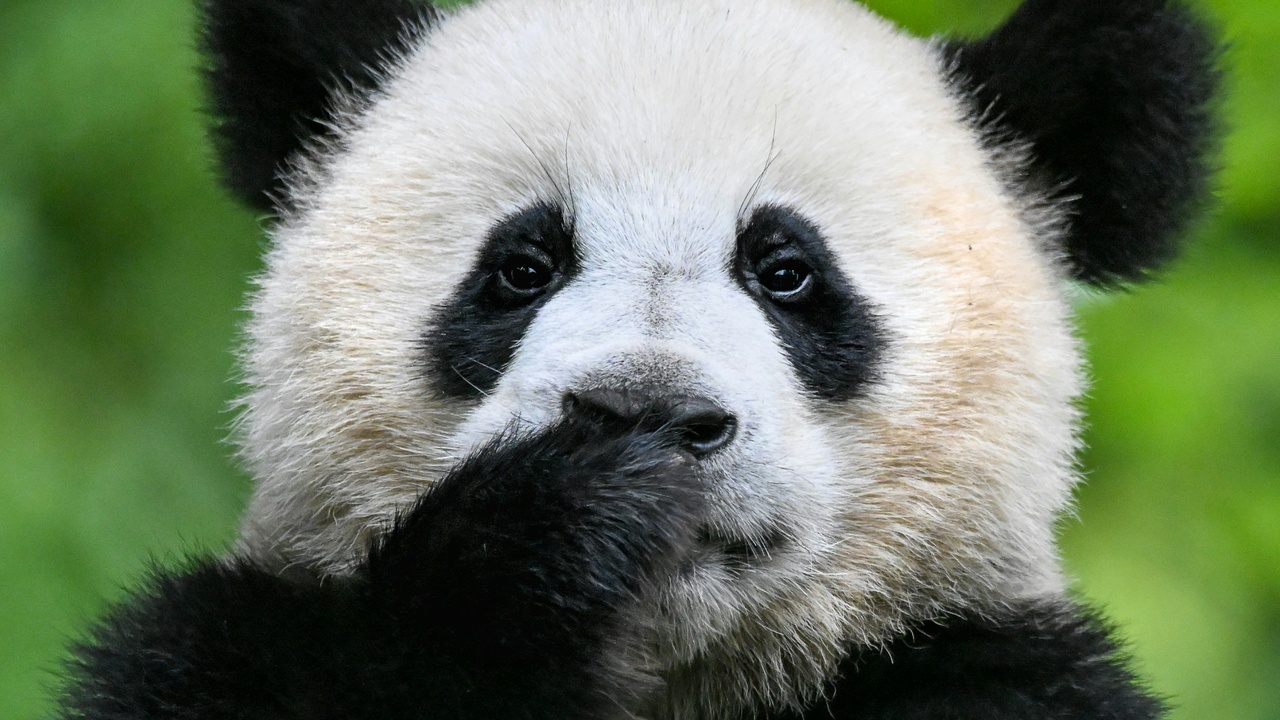
Pandas’ appearance and anatomy are central to how they survive. Their dense, insulating fur, heavy build, specialized wrist bone and strong jaws all reflect adaptations to a bamboo-focused niche—and they can also be constraints, for instance limiting speed and digestive efficiency.
Below are four physical features that most define a panda and influence both wild ecology and captive management.
1. Distinctive black-and-white coat
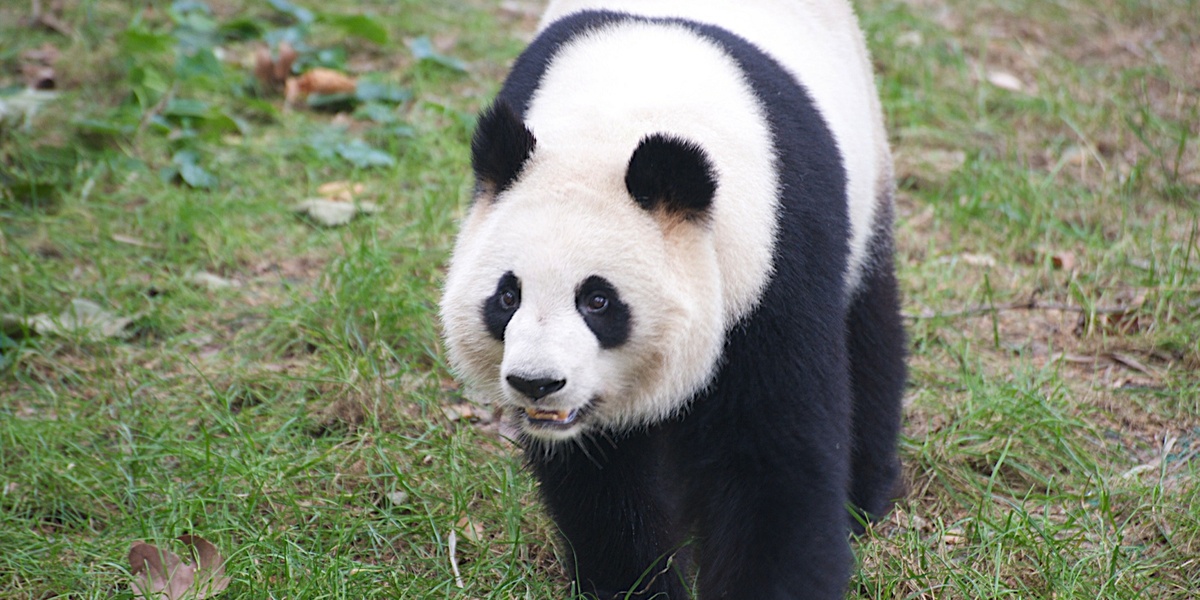
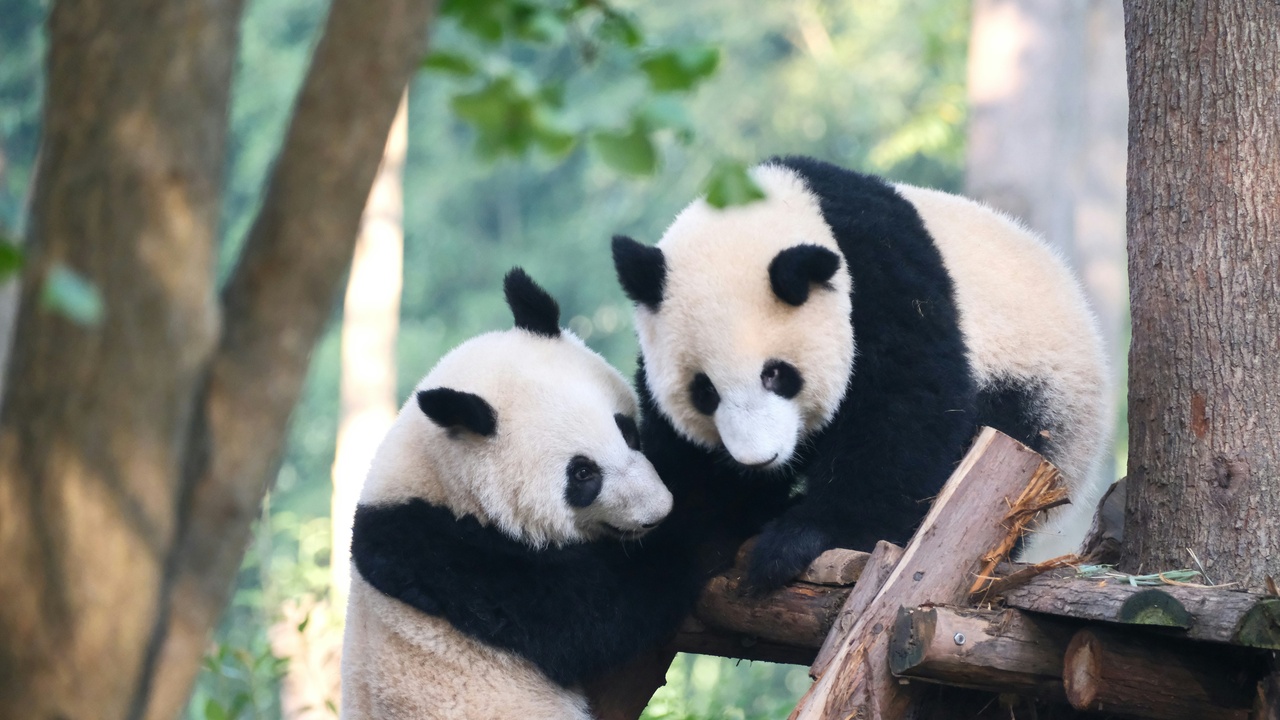
The panda’s bold black-and-white pelage likely serves several purposes: camouflage in snowy and shaded forest patches, intraspecific recognition, and thermal regulation thanks to a dense undercoat and coarse guard hairs. Pelage markings are remarkably symmetric across individuals, and researchers routinely match stripe patterns and facial markings in camera-trap studies to identify animals in Sichuan reserves.
Field teams at places like the Chengdu Research Base and Wolong use coat-pattern catalogs when reviewing thousands of camera-trap images, which improves population estimates and anti-poaching monitoring. In captive records, coat patterns help link photos to long-term medical and breeding files.
2. Robust, heavy body and size range
Adult giant pandas typically weigh between about 70–125 kg, with females toward the lower end and males toward the higher end, and shoulder height around 60–90 cm when on all fours. That bulk supports a slow, energy-conserving lifestyle tied to low-calorie bamboo.
In zoos and reserves the animals’ mass informs enclosure design, transport protocols, and anesthesia dosing. Facilities like Chengdu report average weights for adults and maintain hoists, wider transport crates, and specialized bedding to accommodate the species’ size during veterinary procedures.
3. The ‘pseudo-thumb’ — a sixth digit
Pandas have an enlarged radial sesamoid bone that functions as a pseudo‑thumb, effectively a sixth digit that helps them grasp bamboo stalks. Anatomical studies and museum specimens show how this wrist adaptation evolved to improve handling rather than true opposability.
Keepers exploit that grasping ability when designing enrichment and feeding devices—bamboo holders and puzzles mimic natural handling motions—and surgeons must account for the extra sesamoid in wrist radiographs during clinical exams.
4. Powerful jaws and specialized teeth
Pandas retain carnivore skull features but have broad, flat premolars and molars and a pronounced sagittal crest for large jaw‑muscle attachments, adaptations that let them crush and grind tough bamboo. Bite force measurements and comparative skull studies show a robust crushing capability relative to other bears.
Those dental traits shape feeding methods and captive diet preparation: veterinarians at Wolong and other centers follow routine dental checks, and keepers cut bamboo to manageable lengths to reduce wear and the risk of tooth damage.
Behavior and diet
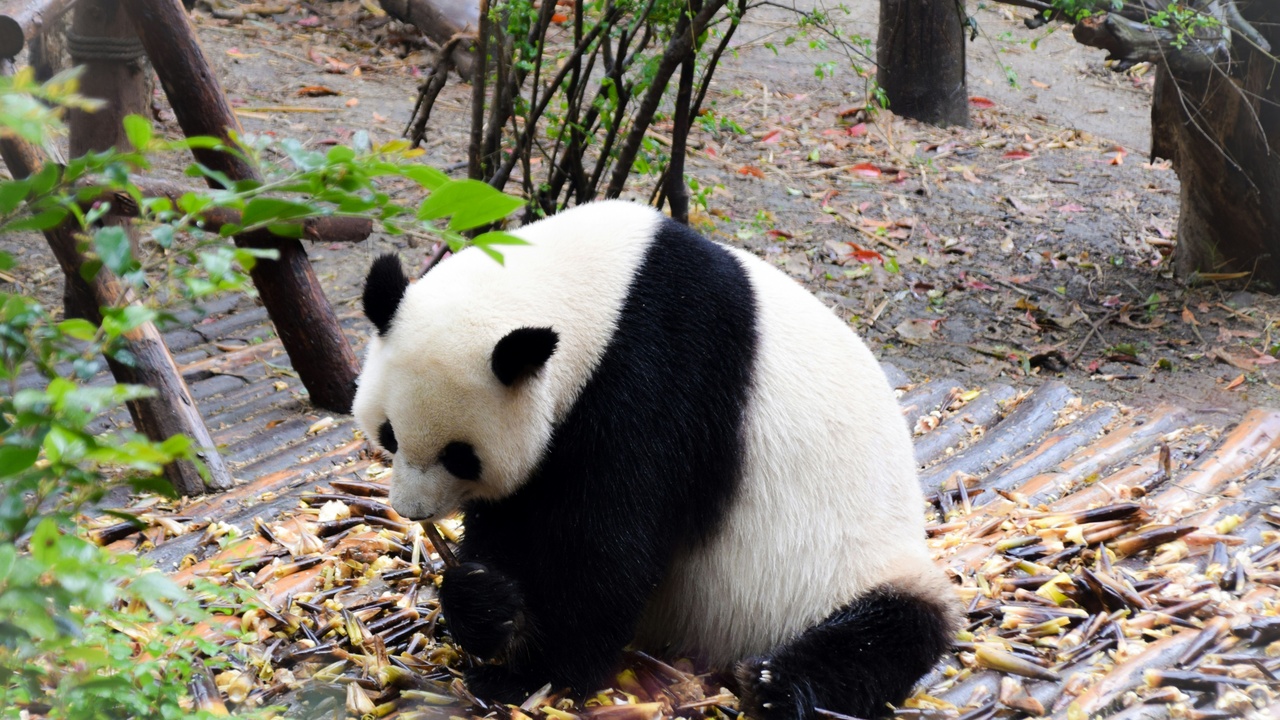
Although pandas belong to the order Carnivora, their behavior and ecology center on bamboo. That single-food dependence influences daily time budgets, low activity levels, and solitary space use, punctuated by brief social interactions such as mating season or play.
5. Bamboo specialist diet
Wild pandas eat more than 99% bamboo, consuming roughly 12–38 kg per day depending on season and which plant parts they target. They feed on leaves, stems, and nutrient‑rich shoots, shifting seasonally to take advantage of fresh growth.
Pandas’ digestive tracts still resemble those of carnivores, so they extract little energy per kilogram of food and must eat large volumes. Captive institutions like the Chengdu Research Base manage complex bamboo supply chains to provide tons of fresh material annually and adjust menus (including supplemental fruits or specially formulated biscuits) when necessary.
6. Low-energy lifestyle and time budgeting
Pandas spend much of the day feeding—field studies report roughly 10–16 hours occupied with eating—and spend the rest of their time resting or moving slowly to conserve energy. Short, vigorous bouts of climbing or play occur but are brief.
Zoos mirror these rhythms with scheduled feeding and low‑stress enrichment sessions; aligning caretaking routines with natural activity patterns can improve welfare and has been linked to better reproductive outcomes at several institutions.
7. Solitary, territorial tendencies with seasonal sociality
Giant pandas are largely solitary and maintain individual home ranges marked by scent posts. They communicate with scent‑marking and a range of vocalizations during rare interactions, particularly in the breeding season when territories overlap more often.
Radio‑tracking in Sichuan shows altitudinal movements as pandas follow bamboo phenology, sometimes moving hundreds of meters seasonally. Conservation corridors that connect fragmented patches help maintain these movements and reduce human–panda encounters.
Reproduction, lifespan, and conservation
Biology and life history traits—short annual fertility windows, delayed implantation, and sensitivity to habitat change—directly affect conservation strategies. The 2014 survey of roughly 1,864 wild pandas and subsequent habitat protections contributed to the IUCN’s 2016 downlisting from endangered to vulnerable, reflecting targeted conservation work.
The next three points cover reproduction challenges, lifespan differences, and why pandas remain a flagship species requiring specific management.
8. Slow reproduction and low cub survival challenges
Female pandas are fertile only about 2–3 days each year, and gestation is variable—roughly 95–160 days—because of delayed implantation. Twins are relatively common, but in the wild typically only one cub survives without human intervention.
These constraints drive intensive captive‑breeding and neonatal care programs at sites such as Chengdu and Wolong, where surrogate rearing and round‑the‑clock monitoring increase cub survival. Captive centers report dozens of cub births annually across the network, making managed breeding a key component of population recovery.
9. Lifespan differences: wild vs. captive
Wild pandas typically live around 14–20 years, while captive individuals often reach 25–30+ years thanks to regular veterinary care, steady food supplies, and protection from predation and disease. Improved husbandry has pushed captive longevity upward in the last few decades.
Long lifespans in captivity create planning needs: institutions track geriatric care, record chronic conditions, and coordinate transfers. Notable long-lived individuals (named pandas at major zoos) serve as both ambassadors and case studies for geriatric management.
10. Conservation icon with specific management needs
Features such as strict bamboo dependence, low reproductive rate, and limited dispersal make the characteristics of a panda both a conservation rallying point and a management challenge. The 2014 estimate of ~1,864 wild pandas and the IUCN’s 2016 status change reflect measurable gains from protected areas and anti‑poaching efforts.
Effective measures include creating connected habitat (the Giant Panda National Park initiative), restoring bamboo forests, and international captive‑breeding partnerships (China with accredited foreign zoos). Long-term monitoring and corridor creation remain essential to guard against bamboo die-offs and fragmentation.
Summary
Giant pandas combine unusual anatomy, a highly specialized diet, and challenging reproductive biology; those traits shaped the conservation actions that produced measurable recovery in the 2010s.
- Unique anatomy—pseudo‑thumb, heavy build, and powerful jaws—directly supports a bamboo specialist lifestyle and guides captive care practices.
- Behavioral patterns—10–16 hours of feeding, solitary home ranges, and seasonal movements—drive reserve design and the need for habitat corridors.
- Reproduction limits—2–3 day estrus windows and delayed implantation—make captive breeding and neonatal care vital to boosting populations.
- Conservation progress (2014 survey ≈1,864 wild pandas; 2016 IUCN downlisting) shows targeted protection works but requires ongoing habitat connectivity and monitoring.
- Support reputable organizations (WWF, IUCN) or visit accredited centers (e.g., Chengdu Research Base) to help maintain gains and ensure long-term habitat protection.