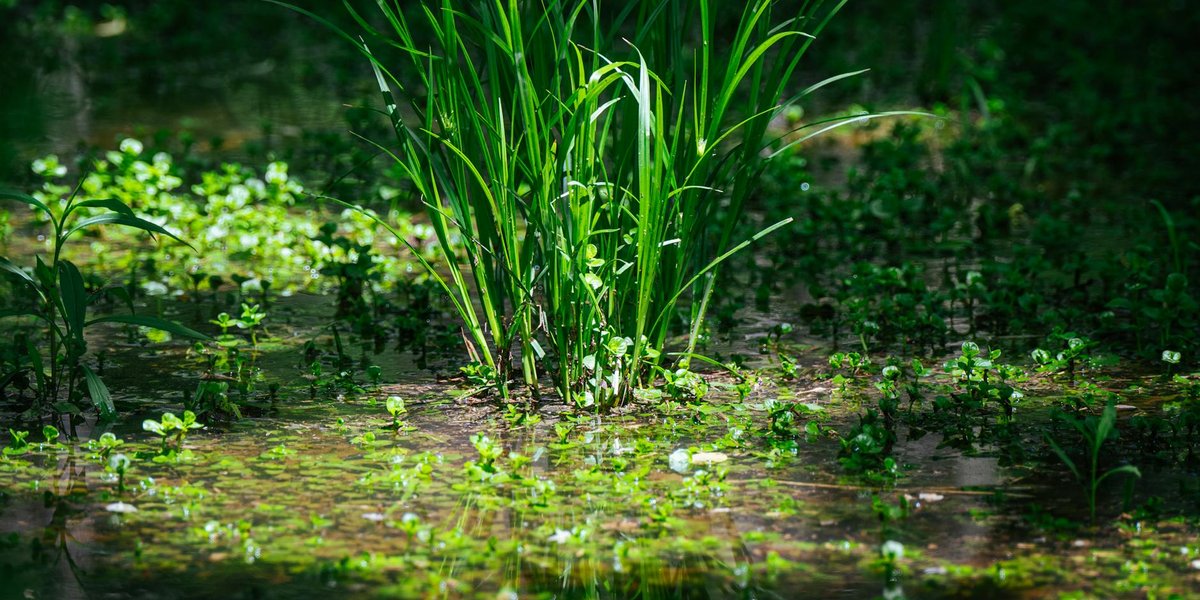
Wetlands look messy from a distance. Marshes, bogs, fens, swamps, shallow ponds. Mud, reeds, sedges, floating leaves, and a lot of mosquitoes.
They’re also among the most productive habitats on Earth, which is exactly why endangered wetland plants keep showing up on conservation watchlists. Drain a marsh, straighten a river, pollute a floodplain, or let invasive species take over, and the plants built for wet feet usually lose first.
Table of contents
- TL;DR
- What counts as a wetland plant?
- Why endangered wetland plants decline
- Examples of endangered wetland plants
- How these plants are protected
- What helps wetlands recover
- Final thoughts
TL;DR
Endangered wetland plants are species that depend on saturated soils, shallow water, seasonal flooding, or peat bog conditions and are slipping toward extinction because their habitats are disappearing or being altered. The biggest threats are drainage, dams, pollution, invasive species, fire suppression, and climate change. Protecting them usually means protecting the whole wetland, not just the plant itself.
What counts as a wetland plant?
Wetland plants are species adapted to live in waterlogged soils or shallow standing water. Some float. Some root in muck. Some survive long dry periods and then explode into growth after flooding.
A plant can be tied to a wetland even if it doesn’t look “aquatic” in the way people picture lilies or cattails. Sedges, orchids, carnivorous plants, rushes, and tiny floating species can all be wetland specialists. For a broader regional view of wetland flora, see the List of Plants Of Brazil.
Conservation groups usually treat a plant as endangered when its wild populations have dropped so far, or its habitat has become so fragmented, that extinction risk is high. The IUCN Red List is the best-known global reference for that kind of status.
Why endangered wetland plants decline
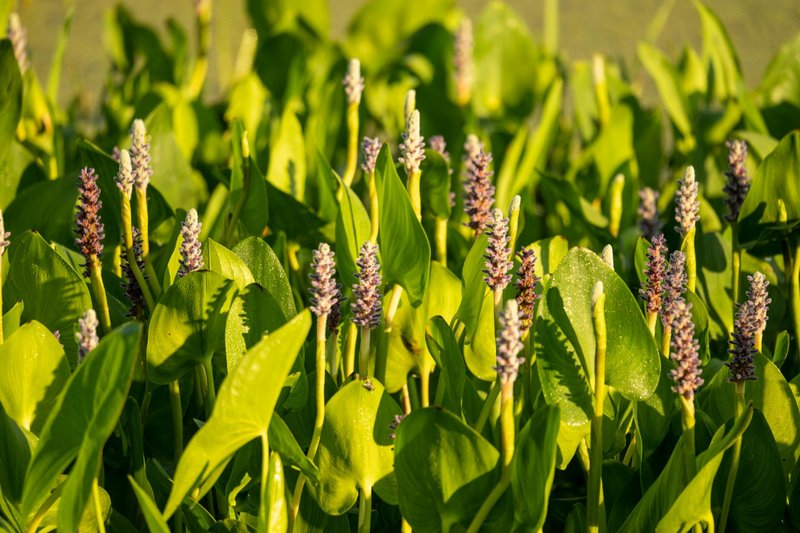
Wetlands fail in very ordinary, very human ways.
Drainage and land conversion
This is the big one. Once a marsh is drained for farming, roads, housing, or industrial use, the plants that need saturated soils don’t get a backup plan. They get a ditch.
Altered hydrology
Dams, levees, water diversions, and groundwater pumping can change flood timing and water depth. Many wetland plants depend on seasonal cycles. Take away the spring pulse or keep water levels too stable, and reproduction can collapse.
Pollution and nutrient loading
Fertilizer runoff and wastewater can overwhelm low-nutrient wetlands. Fast-growing species then crowd out slower, specialized plants. Some rare aquatics are especially sensitive to changes in water chemistry.
Invasive species
Reed canary grass, purple loosestrife, water hyacinth, and other aggressive invaders can take over open marshes and swamp edges. Once they form dense stands, light and space disappear.
Climate change
Sea-level rise, saltwater intrusion, drought, hotter temperatures, and more extreme storms all squeeze wetland plants from different directions. Coastal marsh species are getting pinched between rising seas and human-built barriers.
Small population size
Rare plants often exist in only a few sites. That makes them vulnerable to bad years, disease, and random events. One fire, one drought, one illegal collection — game over gets less hypothetical.
Examples of endangered wetland plants
Here are some notable endangered wetland plants from different parts of the world. Status can change as new assessments are published, so treat these as examples rather than a permanent roster. For a broader regional look, see Plants of Kiribati: Native Flora, Crops, and Coastal Survivors.
1. Florida torreya (Torreya taxifolia)
This conifer grows along steep ravines near the Apalachicola River in Florida and Georgia, where seepage keeps the ground moist. It’s one of North America’s rarest trees and is critically endangered. Disease, habitat loss, and poor natural regeneration have hammered what’s left of the species. The U.S. Fish and Wildlife Service has extensive recovery information on it.
2. Virginia spiraea (Spiraea virginiana)
A shrub of riverbanks and floodplains in the Appalachian region, Virginia spiraea depends on open, scoured stream edges that don’t stay undisturbed for long. Flood control and river modification have reduced suitable habitat. The plant needs disturbance, but not the kind that turns a river into a concrete canal. That’s the trick.
3. Lakeside daisy (Hymenoxys acaulis var. glabra)
Found on Great Lakes shorelines, this plant survives in thin, rocky, calcareous soils where wave action helps keep competitors down. Shoreline development and erosion changes have reduced habitat. It’s a good example of a plant that needs a very specific kind of “messy” shore.
4. Texabama croton (Croton alabamensis var. texensis)
This rare shrub occurs in seepage slopes and wet limestone habitats in Texas. It depends on groundwater-fed systems that can be disrupted by development and hydrologic change. These seep communities are easy to overlook and easy to damage.
5. Killarney fern (Trichomanes speciosum)
This delicate fern prefers damp, shaded, humid habitats and is highly sensitive to drying. In parts of Europe, it’s considered vulnerable or endangered depending on the population. It survives in cave-like, spray-moist places where the air feels permanently wet.
6. Kihansi spray toad plant community
This one is a little different. The Kihansi Gorge in Tanzania became famous for the spray-dependent ecosystem around a waterfall that was altered by hydropower development. The plant community there lost the constant mist it needed. The better-known conservation story involves the Kihansi spray toad, but the wetland-like spray habitat shows how quickly a narrow ecological niche can unravel.
7. Floating waterplantain (Luronium natans)
Native to parts of Europe, this aquatic plant depends on clean, still or slow-moving water. Drainage, pollution, and eutrophication have made many populations patchy and fragile. It is one of those plants that looks almost too delicate to be real, which is sadly not the same thing as safe.
8. Marsh gentian (Gentiana pneumonanthe)
This species grows in wet meadows and marshy grasslands across parts of Europe. It has declined because traditional grazing and mowing regimes have changed, and because wet grasslands have been drained or intensified for agriculture. Lose the management, and the habitat turns into something else fast.
9. American chaffseed (Schwalbea americana)
This plant occurs in wet pine savannas and seasonally moist habitats in the southeastern United States. Fire suppression has been a major problem because the species depends on open, lightly shaded conditions maintained by periodic burning. No fire, no habitat structure. Simple, brutal, effective.
10. Bunchberry dogwood wetland relatives
Some plant groups are threatened not because every species is globally endangered, but because wetland populations have been cut off and reduced to fragments. Many regional sedges, orchids, and bog-specialist herbs fall into this category. Local lists often matter more than broad global headlines here, because a plant can be common in one place and nearly gone in another.
How these plants are protected
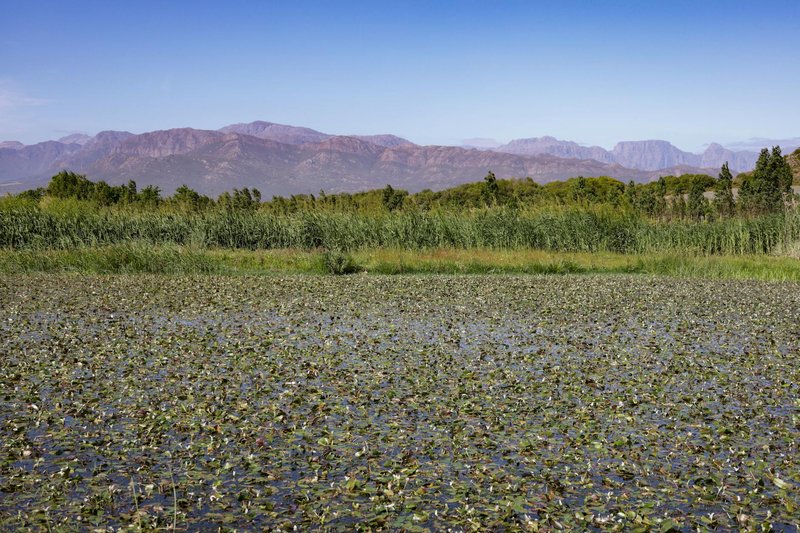
Protection usually starts with the habitat, not the individual plant.
Preserve water flow
If a wetland plant needs seasonal flooding or constant seepage, hydrology has to stay intact. That may mean removing drainage tiles, restoring floodplains, adjusting dam releases, or protecting groundwater recharge areas.
Control invasive species
Mechanical removal, careful herbicide use, and long-term monitoring can keep invaders from taking over. The key word is “long-term.” Wetlands have excellent memory and terrible patience.
Use prescribed fire where appropriate
For wet prairies, savannas, and some marsh-edge systems, fire is part of the ecological script. Controlled burns can reset competition and keep habitat open for rare species like American chaffseed.
Protect seed banks and ex situ collections
Botanical gardens, seed banks, tissue culture labs, and propagation programs can act as a genetic safety net. They don’t replace wild habitat, but they buy time.
Restore native plant communities
A single rare plant often depends on a whole support cast of neighbors, microbes, soils, and water chemistry. Restoration works best when it rebuilds the full plant community instead of dropping in one symbolic species and calling it success. For a broader regional context, see List of Endangered Species in Asia.
For a broader conservation framework, the Ramsar Convention on Wetlands is a useful starting point. It focuses on wise use and habitat protection, which is exactly where wetland plant recovery begins.
What helps wetlands recover
Healthy wetlands aren’t glamorous. They’re wet, uneven, stubborn, and a little ugly in the best possible way.
Recovery usually means:
- reconnecting rivers to floodplains
- reducing fertilizer and sediment runoff
- protecting peatlands from drainage and extraction
- keeping coastal marshes room to migrate inland
- managing grazing, mowing, or fire where the historic disturbance regime matters
The U.S. Fish & Wildlife Service and similar national agencies often publish species recovery plans that spell out what works on the ground. The pattern is consistent: stop degrading the hydrology, then help the habitat act like a wetland again.
Final thoughts
Endangered wetland plants don’t just tell us that a species is in trouble. They tell us that a whole water system is off balance.
That’s why wetland plant conservation is rarely about one rare orchid, fern, or aquatic herb in isolation. Protect the marsh, bog, seep, or floodplain, and the plants have a fighting chance. Ignore the hydrology, and all the rare labels in the world won’t matter much.
If you care about endangered wetland plants, start with the obvious but unexciting move: protect the water. That’s the whole game.