Table of Contents
- TLDR
- What Makes a Berry Rare?
- Rare Berries From the Wild
- Tropical and Exotic Rare Berries
- Cultivated Berries You Still Probably Won’t Find Easily
- Safety Notes Before You Taste Anything
- Can You Grow Rare Berries at Home?
- Final Thoughts
TLDR
Rare berries aren’t just “berries you’ve never heard of.” The interesting ones are uncommon because they’re hard to find, hard to grow, geographically limited, or closely tied to a specific habitat. Some are delicious, some are ornamental, and some are best left alone unless you enjoy unexpected stomach drama.
If you want the quick shortlist: cloudberries, salmonberries, serviceberries, huckleberries, miracle fruit, and jabuticaba are among the best-known rare or uncommon berries worth learning about. A few are seasonal wild foods, a few are tropical curiosities, and a few are the kind of fruit you’ll only see if someone’s backyard tree is having a very good year.
What Makes a Berry Rare?
A berry can be rare for a few different reasons:
- It grows in a very specific climate or ecosystem.
- It has a short harvest window.
- It’s difficult to transport because it bruises easily.
- It’s wild-harvested in limited regions.
- It’s grown commercially, but in tiny volumes.
That last one matters. A fruit can be “rare” in grocery stores without being rare in nature. Cloudberries are a good example: common enough in parts of northern Europe, but hard to find anywhere else because they don’t love shipping across continents.
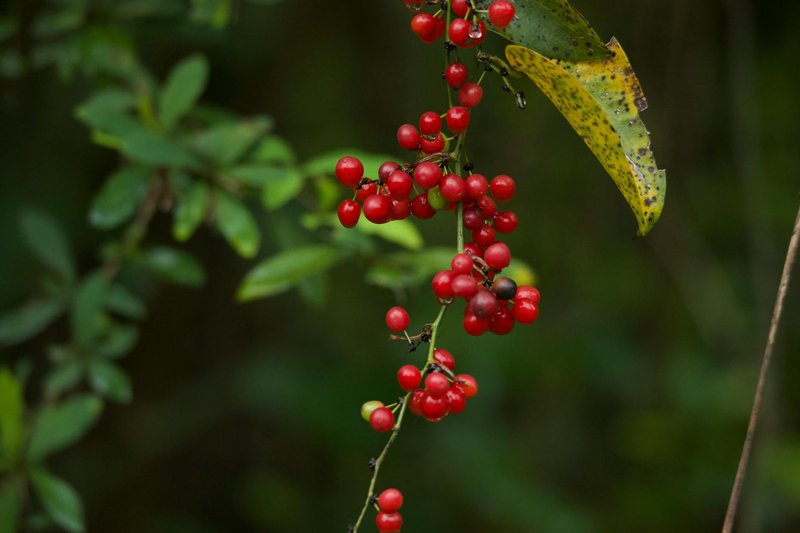
Botanically speaking, people also use the word berry loosely. Tomatoes, bananas, and avocados technically count as berries in the botanical sense, which is deeply unhelpful if you’re just trying to identify something in a bowl. For this article, “rare berries” means unusual, lesser-known, or hard-to-find berry-like fruits people actually call berries.
Rare Berries From the Wild
1. Cloudberry
Cloudberries grow in peat bogs and wet tundra across northern Europe, Canada, and Alaska. They look like golden raspberries and taste like a cross between apricot and honey, with a little tartness to keep things honest. In Scandinavia, they’re a prized seasonal fruit, often turned into jam or dessert sauce.
They’re rare in the sense that the habitat is picky and the harvest is small. You won’t see them casually piled up in most supermarkets, which is a shame because they’re excellent.
2. Huckleberry
Huckleberries grow wild in North America, especially in mountainous and forested areas. They resemble blueberries, but the flavor is usually more intense and less sugary. Some species are true huckleberries, while others are related enough that the naming gets messy fast.
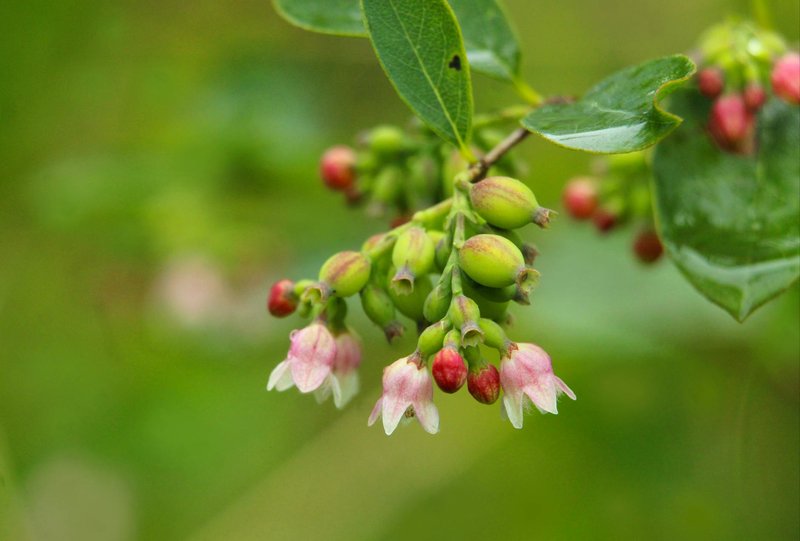
Western huckleberries are especially famous in parts of the Pacific Northwest and Rockies. They’re beloved by foragers and famously annoying to gather in quantity because the berries are small and the shrubs don’t exactly hand them over.
3. Serviceberry
Serviceberries are native to North America and often go by juneberry or shadbush. The fruit is sweet, mild, and a little almond-like, with a texture that lands somewhere between a blueberry and a tiny apple.
They’re not impossible to find, but they’re definitely underappreciated. Birds know this. They usually beat humans to the harvest.
4. Salmonberry
Salmonberries grow along the Pacific coast of North America, especially in moist forests and stream edges. The berries can be yellow, orange, or red, and they look a bit like shiny raspberries. Flavor-wise, they’re delicate and mildly sweet, not as punchy as a raspberry.
They’re more common in the wild than in commerce, which is why many people have never tasted one despite living near them.
5. Thimbleberry
Thimbleberries are native to North America and stand out for their soft, flat-topped fruit. They’re fragile enough that you can practically crush them by looking too hard. The flavor is bright and tart-sweet, but the berries don’t store or ship well at all.
That weakness is also why they stay rare outside foraging circles. They’re a “eat immediately or regret everything” kind of berry.
6. Black huckleberry
Black huckleberries grow in eastern North American forests and acidic soils. They’re small, dark, and flavorful, with a sweetness that’s a little richer than a wild blueberry. In some regions, they’re a staple for foragers and wildlife alike.
You’re much more likely to find them in the woods than in a store, which is usually how rare berries work when nature’s involved.
7. Oregon grape
Oregon grape isn’t a true grape and it’s not exactly a berry you want to snack on raw by the handful. The blue-purple fruit is technically edible when prepared, and it’s used more often in preserves than fresh eating. The plant is better known for its bright yellow flowers and holly-like leaves.
It’s a good reminder that “edible” and “pleasant raw” are not the same thing.
Tropical and Exotic Rare Berries
8. Jabuticaba
Jabuticaba is one of the strangest-looking berries around. The fruit grows directly on the trunk and branches of the tree, which makes it look like the tree has broken out in black pearls. It’s native to Brazil and tastes like a sweet grape with a soft, floral edge.
Fresh jabuticaba is highly perishable, which keeps it rare outside its home range. If you ever see it growing, take a picture first. Then eat the fruit.
For a broader look at Brazil’s native flora, see The Complete List of Plants Of Brazil.
9. Miracle fruit
Miracle fruit is famous for the way it changes taste perception. Eat the berry, and sour foods taste sweet for a while afterward. The fruit itself is small, red, and not especially flavorful on its own, but the berry contains miraculin, the compound responsible for the effect.
It’s a novelty fruit, yes, but not a fake one. It has actual chemistry, which is better than most party tricks can claim.
10. White mulberry
White mulberries aren’t rare everywhere, but certain cultivars and fruiting forms are unusual enough to earn a place here. The berries can be pale pink to white and taste sweet, sometimes with a mild floral note. They’re easier to grow than many tropical berries, but still less common in standard produce aisles than blackberries or blueberries.
11. Noni berry
Noni fruit is often called a berry in casual use, though people tend to know it more as a medicinal tropical fruit than a snack. It has a strong, cheese-adjacent smell that makes the phrase “acquired taste” sound generous.
It’s rare in everyday diets for a reason. The juice market keeps it visible, but the fresh fruit is not exactly a picnic favorite.
12. Vaccinium berries from the Andes
Several Andean berry species, including rare blueberries and relatives, grow in high-altitude regions of South America. These fruits can be extremely local, shaped by elevation, climate, and soil. Some are used in jams or local foods, while others remain mostly wild.
The exact species vary, but the theme is the same: small range, small harvest, big flavor.
Cultivated Berries You Still Probably Won’t Find Easily
13. Maqui berry
Maqui berries come from southern Chile and Argentina. They’re dark purple, loaded with pigments, and taste like a cross between blackberry and something slightly wine-like. They’ve become popular in supplement form, but the fresh berries are still hard to find outside their native region.
That makes maqui a classic modern “rare berry” — visible in powder, elusive in fruit.
14. Aronia berry
Aronia, also called chokeberry, is cultivated in some places but still unfamiliar to many shoppers. The berries are astringent when raw, but they work well in jams, syrups, and juices. The dark fruit is often marketed for its antioxidant content, though flavor-wise it’s not trying to be candy.
15. Lingonberry
Lingonberries are well known in Scandinavia and parts of northern Europe, but less common elsewhere. They’re tart, glossy red berries often served with meat dishes, especially in Nordic cuisine. In the wild, they’re low-growing and tied to acidic soils and conifer forests.
They’re not rare in a global botanical sense, but in a grocery-store sense they absolutely qualify.
16. Sea buckthorn
Sea buckthorn berries are bright orange, tart, and packed with oil-rich pulp. The shrubs are thorny and tough, often planted for erosion control as much as for fruit. The berries are used in juices, oils, teas, and jams.
They’re a hassle to harvest, which is one reason they remain niche. The plant is not trying to make friends.
17. Elderberry
Elderberries are widely known now, but fresh fruit still isn’t common in many markets because the raw berries need careful handling and preparation. The cooked berries are used in syrups, pies, and preserves. Raw elderberries and other parts of the plant can cause problems if mishandled.
They’re a good example of a berry that’s familiar in name but still rare in the way most people actually encounter it.
Safety Notes Before You Taste Anything
Not every rare berry is safe to eat raw, and some are not safe at all. Positive identification matters. So does preparation.
A few hard rules:
- Don’t eat a wild berry unless you know the species for sure.
- Don’t trust color alone. Plenty of toxic berries are bright and beautiful.
- Cook or process berries only when reliable sources say that’s the correct preparation.
- Keep children and pets away from unknown berries in the landscape.
For foraging basics, the USDA Plants Database and university extension guides are useful starting points, but local identification matters more than generic internet advice. If you’re unsure, leave it on the plant.
Can You Grow Rare Berries at Home?
Some rare berries are surprisingly manageable if you have the right climate and patience.
- Serviceberry and elderberry are among the easiest to grow in temperate climates.
- Huckleberries can be stubborn because they like specific soil conditions, especially acidity.
- Jabuticaba needs warmth and usually does best in frost-free or protected settings.
- Sea buckthorn handles poor soil and cold well, but you need space and usually both male and female plants for fruit.
- Miracle fruit is more of a container plant for warm climates or indoor growers than a casual backyard shrub.
The big constraint is usually not the seed packet. It’s the climate, soil, and how long you’re willing to wait for fruit.
For gardeners, the Missouri Botanical Garden has solid plant profiles, and your local cooperative extension can tell you which “rare” berries are actually realistic where you live.
Final Thoughts
Rare berries are interesting because they sit at the overlap of ecology, food culture, and plain old scarcity. Some are rare because they grow in bogs or mountain forests. Some are tropical fruits that bruise if you so much as glare at them. Some are common in one country and practically mythical in another.
If you’re exploring rare berries out of curiosity, start with the ones that have a real food culture behind them: cloudberries, serviceberries, huckleberries, jabuticaba, and maqui. They’ve earned their reputations for a reason.
And if you’re foraging? Get the ID right first. Berry regret is a bad hobby.