A winterberry in January is a bare gray shrub hung with thousands of red beads, and it’s the best argument for planting colorful berries. Most gardens go flat after the…
Fruits of Wales: Heritage Apples, Wild Berries & More
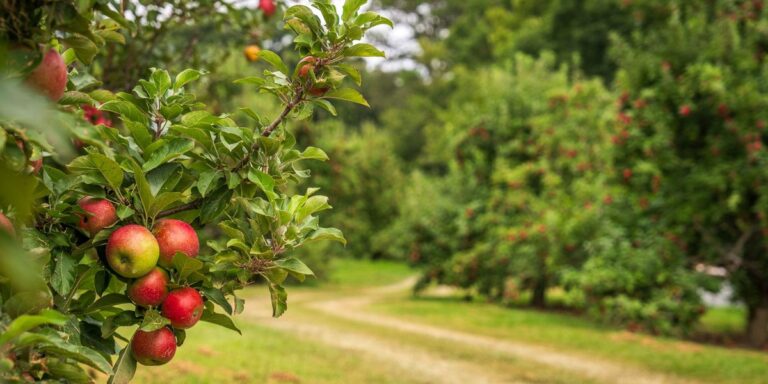
Contents The apple came first Ask what the fruits of Wales are and the honest answer starts with one tree. Apples have grown here for roughly a thousand years, and…
Plants of Scotland: A Habitat-by-Habitat Field Guide
Scotland has roughly 1,600 vascular plants, around 1,000 bryophytes (mosses and liverworts) and about 1,500 lichens. That’s a lot of plant life for a country of cold winters and thin…
Hydrangeas vs Lilacs: Which Shrub Should You Plant?
TLDR Lilacs bloom in spring, smell incredible, tolerate brutal winters and want little care. Hydrangeas bloom from summer into fall, have almost no scent, offer more color and size options,…
Black Berries: Facts, Nutrition and How to Pick Them
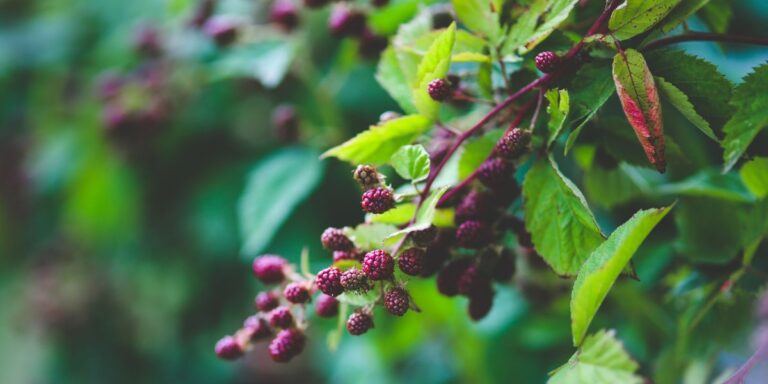
Black berries are blackberries: the dark, glossy fruit of bramble bushes in the rose family. “Black berries” is just the two-word spelling, and it means the same fruit. Botanically they…
Flowers of Suriname: The Faya Lobi and the Rainforest’s Wild Bloom
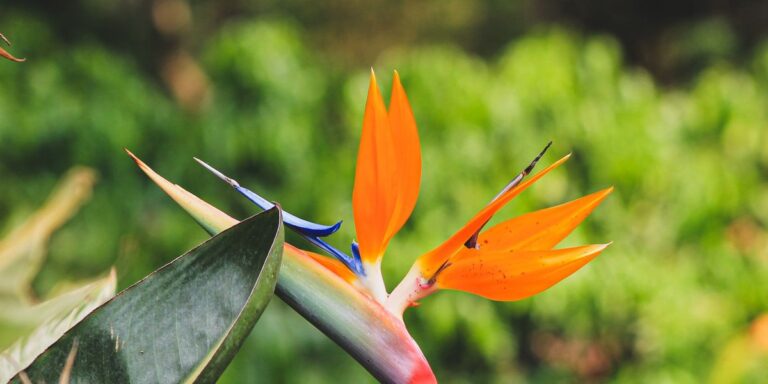
Ask someone what grows in Suriname and you’ll probably get “rainforest” as the answer, full stop. Fair enough — over 90% of the country is unbroken Amazonian forest, one of…
Invasive Species in East Timor: The Full Field Guide
Timor-Leste covers a little under 15,000 square kilometers, sits inside the Wallacea biodiversity hotspot, and has never had a comprehensive, species-by-species accounting of what’s eating it from the inside. Most…
Rare Berries: 21 Unusual Fruits Worth Knowing
Table of Contents TLDR Rare berries aren’t just “berries you’ve never heard of.” The interesting ones are uncommon because they’re hard to find, hard to grow, geographically limited, or closely…
List of Arctic Fruits
Explore a curated list of 13 arctic fruits found across tundra and boreal coasts, from cloudberry and crowberry to sea buckthorn and dwarf cranberries. Each entry lists scientific name, typical berry size, and seasonal months—perfect for foragers, gardeners, and anyone curious about cold-climate edible plants.