Contents
- The apple came first
- Heritage apples worth knowing
- Perry pears and cider
- Wild fruit of the hedgerow and hillside
- Welsh fruit at a glance
- Where to see and taste Welsh fruit
- Summary
The apple came first
Ask what the fruits of Wales are and the honest answer starts with one tree. Apples have grown here for roughly a thousand years, and the medieval laws attributed to Hywel Dda in the 10th century already put a legal value on an apple tree. Welsh legend goes further: the island of Avalon, where King Arthur was taken to heal, is Ynys Afallon in Welsh, the Isle of Apples.
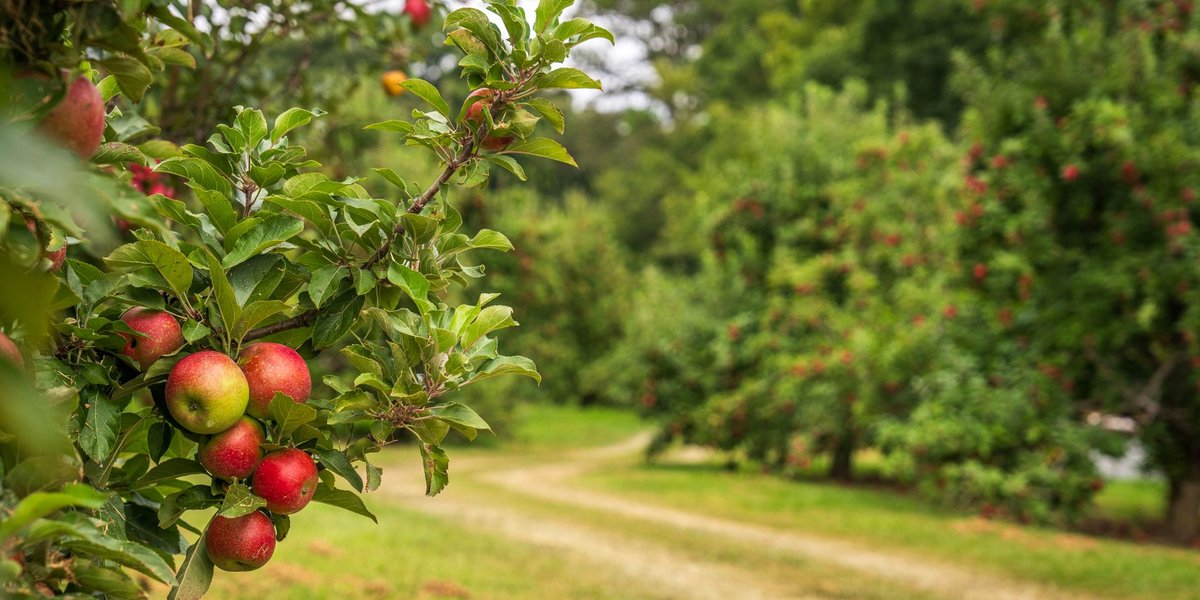
That history left a landscape full of small, odd orchards. Farms, chapels, monasteries and cottage gardens each planted what thrived in their own wet, windy corner, and over centuries those choices turned into local varieties with local names. Many were lost when farms were abandoned or grubbed out for something tidier. Some survived by accident, as one forgotten tree behind a wall.
Wales is not an apple-only country, though. Its uplands produce wimberries, its hedges carry blackberries and sloes, and a smaller tradition of pears and plums runs alongside the apples. This guide covers all of it, with the Welsh names, the seasons and the places you can go to see the trees.
Heritage apples worth knowing
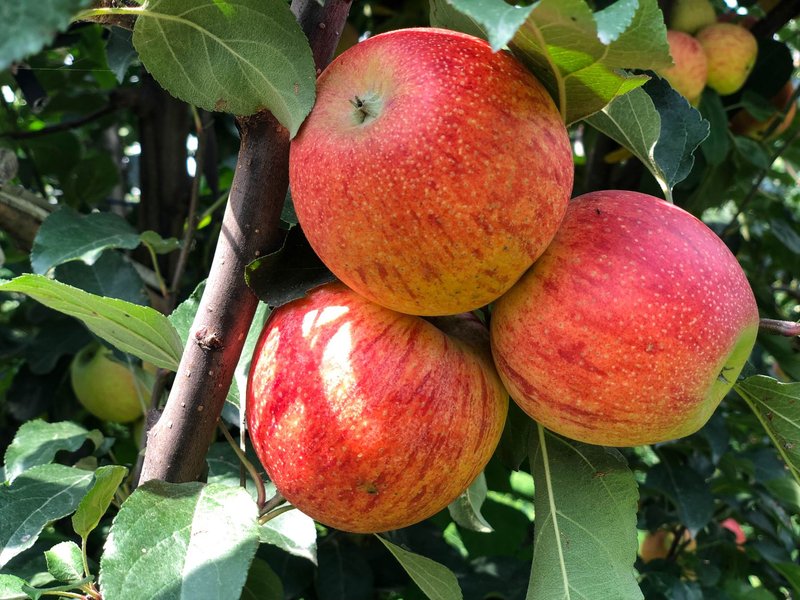
In 2025 the National Trust Cymru announced a National Register of Welsh apple varieties, a formal list of 29 varieties with a documented Welsh origin. It gives growers and nurseries one reference point for what counts as a Welsh apple, which matters because several old names had drifted, merged or been used for the wrong tree.
A few varieties show how varied the list is.
Bardsey (Afal Enlli). The most famous of the group. It was found in 1998 on Bardsey Island (Ynys Enlli), off the tip of the Llŷn Peninsula, where a lone old tree turned out to match no known variety. Grafts from it now grow in orchards across Wales and beyond. It’s a late-ripening dessert apple with a pink-flushed skin, and it has become a symbol of the whole recovery effort.
Croen Mochyn. The name means “pig skin,” a reference to the thick, rough russet skin. It’s a tough, keeping apple, the sort farmhouses stored through winter. If you only know shiny supermarket apples, the first bite of a russet is a surprise: dry, nutty, a bit like a pear.
Morgan Sweet. A sweet cider apple associated with Glamorgan. It has very little acidity or bitterness, so cider makers blend it with sharper fruit to balance a pressing.
Pig Aderyn. “Bird’s beak,” named for the pointed shape of the fruit. Welsh variety names often describe the apple itself, which is why they stick in the memory.
Sugar Loaf Pippin. A small pippin tied to the Abergavenny area, named for the Sugar Loaf mountain on the town’s doorstep.
Welsh heritage apples tend to share a few traits. They’re tough, because the climate is wet and the soil is often thin. They ripen late, typically from late September into November. And many are dual-purpose, good for eating, cooking or pressing, since no farm had room to plant a tree for every job.
Perry pears and cider
Cider is the apple’s other life, and Wales has a modern cider scene built on old orchard stock. Makers across the country press local fruit, and some now work with the varieties on the new register rather than imported cider apples.
Pears are a smaller story. Perry pear trees, which are grown for fermenting rather than eating, are most strongly linked to the English border counties of Herefordshire, Worcestershire and Gloucestershire. Welsh perry grows along the same border, in Monmouthshire and the Marches, and a handful of old trees remain in Welsh farm orchards. The fruit is hard, tannic and close to inedible raw. Fermented, it becomes something pale and delicate.
Eating pears exist too. The Welsh for a pear is gellygen, and old walled gardens at estates such as Erddig grew espaliered pears against sunny walls, where a tree could ripen fruit that open ground couldn’t.
If you want to try the local drinks, look for small-batch producers at farmers’ markets and orchard open days. A tasting flight will show you what a sweet apple like Morgan Sweet does to a blend.
Wild fruit of the hedgerow and hillside
Foraged fruit is half of what a Welsh landscape offers, and it’s what most overviews skip. For the full picture of the plants behind these hedgerows and hillsides, see the complete list of native plants in Wales, which runs from coastal wildflowers to upland heathers and ancient woodland trees.
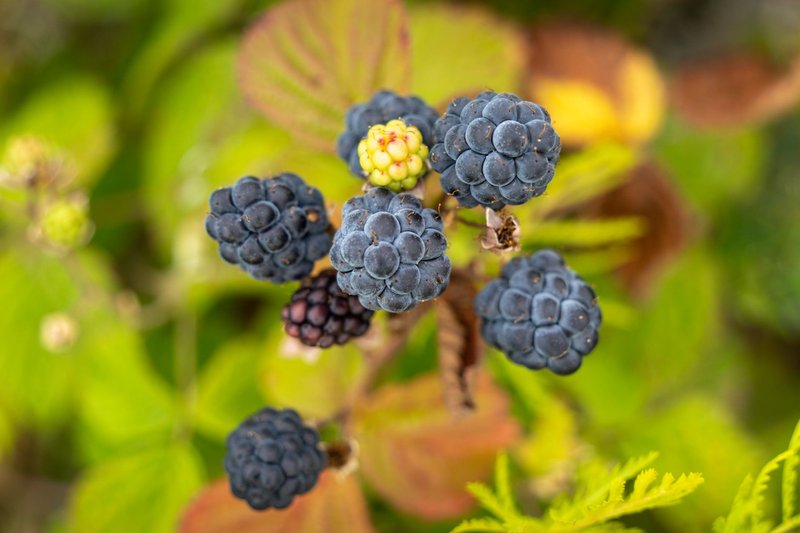
Wimberries (llus). Wimberry is the border and Welsh English name for the bilberry, Vaccinium myrtillus. The plants grow low on acidic moorland and mountain slopes, including Snowdonia and the Brecon Beacons. The berries ripen from July into August and are smaller and darker than cultivated blueberries, with a purple juice that stains your fingers and teeth. Pickers have gathered them for generations for pies, jam and the traditional wimberry tart. They’re slow to pick, because each berry hangs alone rather than in clusters.
Blackberries (mwyar duon). Wales has them on every verge. The season runs from August into October, and folklore says to stop picking by the end of September or early October, when damp and mould take over the late fruit. Welsh hedgerows hold dozens of micro-species of bramble, which is why blackberries from two different lanes can taste noticeably different.
Sloes (eirin tagu). The small blue-black fruit of the blackthorn is astringent enough to dry out your mouth. Foragers pick them in autumn, often after the first frost, and steep them in gin for several months. The result is sloe gin, a standard Christmas gift across Britain.
Crab apples (afal surion). The wild ancestors of the orchard apple. They’re small, sour and packed with pectin, so they set jelly well. In a farm hedge, a crab apple tree might be a seedling of a long-gone cultivated tree, which makes some of them accidental heritage fruit.
Elderberries, rowan and wild strawberries. Elderberries (aeron ysgaw) ripen from August to September and need cooking, since raw berries can upset your stomach. Rowan berries (criafol) are bitter but make a classic jelly to serve with game. Wild strawberries (mefus gwyllt) are tiny and appear in June and July on banks and woodland edges.
Cloudberries (mwyar Berwyn). A rarity. The cloudberry grows on a few upland bogs in Britain, including the Berwyn range in north Wales, which gives it its Welsh name. It’s rare enough that you should photograph it and leave it where it grows.
One rule for all foraging: pick only what you can identify, take a fraction, and ask permission on private land.
Welsh fruit at a glance
The table below pulls the main fruits together.
| Welsh name | English name | Season | Typical use |
|---|---|---|---|
| Afal | Apple | September to November | Eating, cooking, cider |
| Gellygen (plural: gellyg) | Pear / perry pear | September to October | Eating, perry |
| Llus | Wimberry / bilberry | July to August | Tarts, jam, pies |
| Mwyar duon | Blackberry | August to October | Crumbles, jam, wine |
| Eirin tagu | Sloe | September to November | Sloe gin, jelly |
| Afal surion | Crab apple | September to October | Jelly, verjuice |
| Mefus | Strawberry | June to July | Eating fresh, preserves |
| Mafon | Raspberry | July to August | Eating fresh, jam |
| Aeron ysgaw | Elderberry | August to September | Syrup, cordial, wine (cooked) |
| Criafol | Rowan berry | August to September | Jelly |
Where to see and taste Welsh fruit
You can read about a variety and still have no idea how it tastes. Four places let you meet the trees in person.
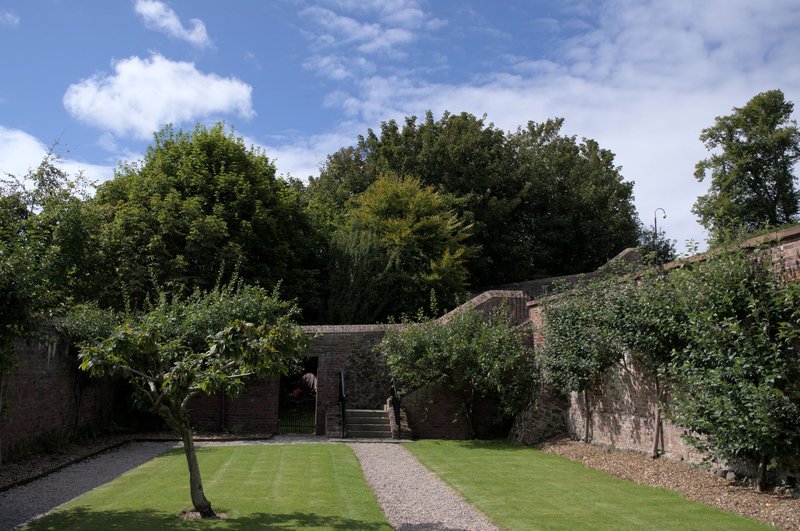
Erddig, Wrexham. A National Trust country house with a restored walled garden and a historic fruit collection. It’s one of the best places in north Wales to see old apple and pear trees trained along warm brick. Details are on the National Trust page for Erddig.
Penrhyn Castle, Gwynedd. The walled garden here shelters fruit trees in the lee of the Snowdonia foothills. Visit in autumn to catch the harvest.
Llanerchaeron, Ceredigion. A small Georgian estate in the Aeron valley, with working walled gardens and orchards. It’s a good place to find old Welsh farm varieties still being grown for the table.
National Botanic Garden of Wales, Carmarthenshire. The garden at Middleton Hall runs events through the year, and its apple and orchard plantings include Welsh varieties. Check the events calendar for autumn tastings.
Apple Day, held every 21 October, is the best single date for tasting. Orchards and gardens across the country put on identification stalls, juice pressing and tastings, and you can often buy a young tree to take home.
Summary
The fruits of Wales start with apples: a thousand-year tradition, 29 varieties now documented on the National Register, and standouts like the Bardsey apple, Croen Mochyn and Morgan Sweet. Around them sit cider, a small perry-pear tradition, and the wild fruit of the uplands and hedges, from wimberries in July to sloes in November.
If you want to taste Wales rather than read about it, go in autumn. Visit a walled garden, find an Apple Day stall, and pick up a russet with a pig’s-skin name. It’ll taste nothing like the apples in the supermarket, and that’s the point.