TLDR
Lilacs bloom in spring, smell incredible, tolerate brutal winters and want little care. Hydrangeas bloom from summer into fall, have almost no scent, offer more color and size options, and drink more water. Cold climate and a sunny spot: lilac. Warm climate, part shade or a need for late-season color: hydrangea. Plant both and you get roughly six months of flowers.
- Side-by-side comparison
- Bloom time and scent
- Climate and hardiness
- Sun, soil and water
- Pruning: the part that trips people up
- Wildlife, deer and cut flowers
- Choose a lilac if, choose a hydrangea if
- Growing hydrangeas and lilacs together
- Cultivar picks
- FAQ
Side-by-side comparison
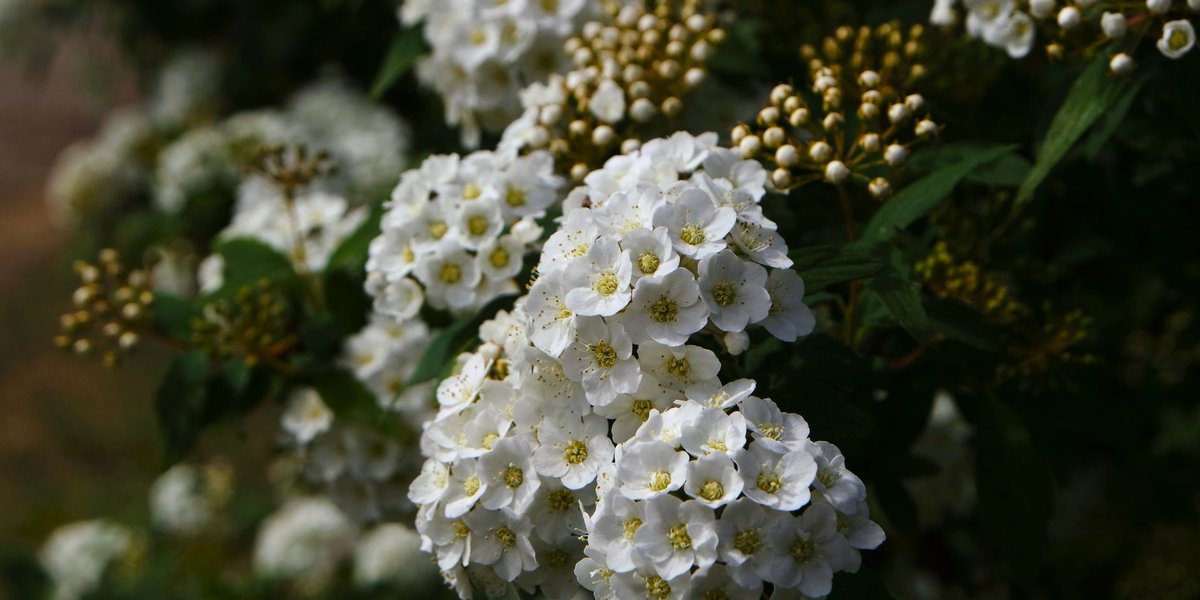
Both shrubs produce big, rounded or cone-shaped flower clusters, which is why people confuse them from across a yard. Everything after the flowers is different.
| Lilac (Syringa) | Hydrangea (Hydrangea) | |
|---|---|---|
| Bloom window | Late April to early June, about 2 to 3 weeks | June to October, depending on type |
| Scent | Strong, classic | Faint to none |
| Typical size | 4 to 15 ft tall | 3 to 10 ft tall |
| Hardiness zones | 3 to 7 (most common lilacs) | 3 to 9, depending on species |
| Soil pH | Neutral to slightly alkaline | Acidic to neutral (pH changes bigleaf color) |
| Sun | Full sun, 6+ hours | Part shade to full sun, depending on type |
| Pruning | Right after flowering | Late winter for most; after flowering for bigleaf |
| Water | Moderate, drought-tolerant once established | Regular, drought-sensitive |
| Deer | Usually left alone | Often browsed |
| Pollinator value | Good early nectar | Mixed: low in mophead types, better in lacecap, panicle and oakleaf |
Bloom time and scent
Lilacs go first. Common lilac (Syringa vulgaris) opens in late April in mild regions and late May in cold ones, and the show lasts two to three weeks. Then it’s done, and you have a green shrub for the rest of the year.
Hydrangeas start when lilacs finish. Bigleaf and smooth types open in June, panicle types in July, and many keep going into October, with flowers aging to pink, bronze or parchment instead of dropping. If your goal is a shrub that looks good in September, that’s a hydrangea.
Scent is the other big split. Lilac fragrance is the reason people plant them under windows. Hydrangeas offer almost none, and a few panicle types smell faintly sweet at close range. If you want scent, the choice is already made.
Climate and hardiness
Check your zone on the USDA Plant Hardiness Zone Map before you buy anything. Sources disagree on exact zone ranges, and the difference is usually the species, so match the number to the specific plant tag.
Common lilacs thrive in zones 3 to 7. They need a real winter: without enough cold, they leaf out poorly and bloom thinly. In zone 8 and warmer, most lilacs struggle or fail outright.
Hydrangeas cover more ground, but the type matters:
- Smooth hydrangea (H. arborescens, such as Annabelle): zones 3 to 9.
- Panicle hydrangea (H. paniculata, such as Limelight): zones 3 to 8.
- Bigleaf hydrangea (H. macrophylla): zones 5 or 6 to 9. In the cold end of that range, late frosts can kill flower buds.
- Oakleaf hydrangea (H. quercifolia): zones 5 to 9.
If you’re in zone 8 or 9 and you love lilacs, you’ll get more joy from a hydrangea, or from a Southern stand-in with a similar spring-to-summer role like crape myrtle or chaste tree (Vitex). A few lilac hybrids sold as low-chill varieties exist, but expect smaller displays.
Sun, soil and water
Lilacs want sun and drainage. Six hours of direct light is the working minimum, and soil that stays wet is the usual cause of death. They prefer neutral to slightly alkaline soil. Poor air circulation brings powdery mildew, which looks ugly in late summer but rarely harms the plant.
Hydrangeas want consistent moisture. The name comes from the Greek for “water vessel,” and the leaves show it: a bigleaf hydrangea in afternoon heat wilts dramatically, then recovers after a drink. Most do best with morning sun and afternoon shade. Panicle and smooth hydrangeas tolerate more sun than bigleaf types if water is available.
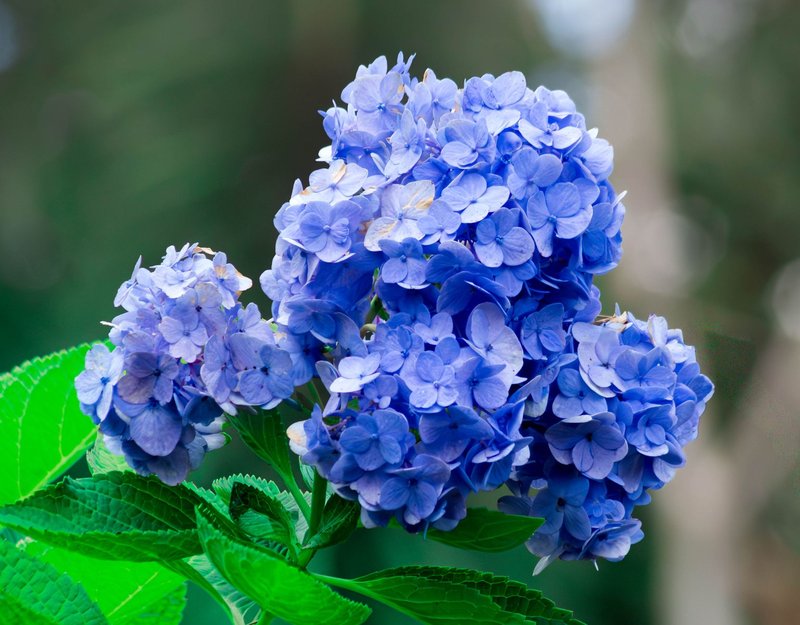
Soil pH matters differently for each. Bigleaf hydrangeas turn blue in acidic soil (below about pH 5.5) and pink in neutral to alkaline soil, because aluminum availability changes with pH. White hydrangeas don’t change, and panicle and smooth types stay as bred. Lilacs don’t change color at all, but they sulk in acidic soil. A bed that gives you blue hydrangeas is a poor lilac bed.
Pruning: the part that trips people up
Both shrubs set flower buds at specific times, so pruning at the wrong moment removes the flowers.
Lilacs bloom on old wood. Prune within a few weeks after the flowers fade. By midsummer they’re forming next spring’s buds, and a late cut takes them off. For an overgrown lilac, remove up to a third of the oldest stems at the base each year for three years instead of cutting everything down at once.
Hydrangeas split into two camps:
- Panicle and smooth hydrangeas bloom on new wood. Prune in late winter or early spring before growth starts. Cutting back hard even encourages stronger stems.
- Bigleaf and oakleaf hydrangeas mostly bloom on old wood. Prune right after flowering, and lightly. Reblooming bigleaf types, such as the Endless Summer series, flower on both old and new wood and forgive mistakes.
Hence the clash if you grow both: lilacs get pruned in late spring, panicle hydrangeas in late winter. Put the dates in your calendar and the problem goes away.
Wildlife, deer and cut flowers
Lilac flowers feed early butterflies and bees when little else is blooming. Hydrangea value varies. Mophead types have mostly sterile showy sepals and little nectar. Lacecap, panicle, smooth and oakleaf types have fertile flowers that bees visit, and the Missouri Botanical Garden Plant Finder lists the traits of each species.
Deer tend to leave lilacs alone and nibble hydrangeas, especially new growth. In deer country, that tips the scales toward lilac or a fence.
As cut flowers, lilacs are short-lived, typically about four to seven days. Split or crush the stem bases and strip most leaves to help them drink. Hydrangeas wilt fast when fresh, though a dip of the cut stem in alum powder helps. They’re better dried: leave blooms on the plant until the sepals turn papery in autumn, then hang them upside down.
Choose a lilac if, choose a hydrangea if
Choose a lilac if:
- You live in zones 3 to 7, especially cold, snowy zones.
- You have a sunny, well-drained spot.
- Scent matters more than anything else.
- You want a low-maintenance shrub that handles dry spells.
- Deer are a recurring problem.
Choose a hydrangea if:
- You want color from midsummer to fall.
- Your yard has part shade or morning sun.
- You live in zone 8 or 9, where lilacs usually fail.
- You can water regularly.
- You want flowers that dry well for arrangements.
Space: a common lilac can reach 12 feet tall and wide, so it suits a hedge or a back corner. Hydrangeas come in compact forms of 3 to 4 feet that suit foundation beds.
Growing hydrangeas and lilacs together
You can, with some planning. The payoff is staggered color: lilacs in May, hydrangeas from June until frost.
Three conflicts to manage:
- Water and soil. Lilacs want drier, more alkaline soil, and hydrangeas want moist, slightly acidic soil. Plant them in different parts of the bed, with the lilac on the higher, sunnier, better-draining side and the hydrangea lower and shadier.
- Light. Lilacs shade out hydrangeas as they grow. Put hydrangeas where a lilac’s afternoon shadow helps them, to the east or north of it.
- Pruning dates. Lilacs after bloom, panicle and smooth hydrangeas in late winter. Different seasons, so they rarely collide.
Give each plant about 6 to 10 feet of space, depending on variety, so mildew-prone lilacs get air.
Cultivar picks
Lilacs
- Bloomerang series: reblooms in summer and fall after the spring flush, grows 4 to 6 feet tall, zones 3 to 7. Best for people who want more than one show.
- Miss Kim (Syringa pubescens subsp. patula): compact, 4 to 7 feet, with late blooms and good mildew resistance.
- Common lilac (S. vulgaris) cultivars: the classic scent and the largest size.
Hydrangeas
- Annabelle and Incrediball (smooth): huge white blooms, cold-hardy, and Incrediball has stronger stems that don’t flop.
- Limelight and Little Lime (panicle): sun-tolerant, with lime-to-pink flowers, the full-size and dwarf versions.
- Endless Summer (bigleaf): reblooms, good for cold-edge zone 5 gardens.
- Oakleaf types such as Snow Queen: bold leaves, red fall color, tolerates dry shade better than bigleaf.
FAQ
Which blooms first, a lilac or a hydrangea? Lilacs. They bloom in spring, usually April to May. Hydrangeas start in June at the earliest.
Can you plant hydrangeas and lilacs together? Yes, if you give lilacs the sunnier, drier spot and hydrangeas the moister, shadier one. Space them to avoid shading.
Which needs more care? Hydrangeas, mostly because of watering. Lilacs need little once established.
Do lilacs grow in zone 8 or warmer? Most don’t. They need winter chill to bloom well.
Are hydrangeas or lilacs better for cut flowers? Lilacs for fragrance in a vase for a few days. Hydrangeas for dried arrangements.
What shrubs look like lilacs or hydrangeas? Butterfly bush (Buddleia) has lilac-like cones, and viburnum snowball types resemble hydrangea mopheads.
Summary
Lilacs and hydrangeas aren’t really rivals. They fill different seasons. Match the plant to your zone, light and water situation first. Then decide whether you want spring perfume or long summer color, or put in one of each and get both.