Estonia markets itself as bear country, and the number backs that up — somewhere between 500 and 1,000 brown bears live in its forests, one of the densest populations left in Europe. So if you’re searching “dangerous animals in Estonia” because you’re picturing a bear encounter on a forest trail, you’re worried about the wrong animal. The species that will actually cost you a hospital visit or a body shop bill this year are smaller, slower, and nowhere near as photogenic.
Table of Contents
- TLDR
- The Real Danger Isn’t a Bear
- 9 Animals Worth Knowing About
- Where to See Them (Safely)
- A Practical Safety Checklist
TLDR
- Ticks do more damage than every large predator combined. Estonia logs thousands of Lyme disease cases and well over a hundred tick-borne encephalitis cases most years, with risk concentrated in specific counties.
- Moose, wild boar, and roe deer cause the collisions that actually land people in the ER — nearly 2,000 vehicle strikes a year during one recent decade, worst at dusk in autumn.
- Brown bears, wolves, and lynx are genuinely common here, but attacks on people are close to nonexistent. These animals are built to avoid you, not confront you.
- The one venomous snake, the European adder, bites rarely and kills almost never.
- Raccoon dogs look feral but Estonia has been officially rabies-free since 2013.
- The real safety habits: a tick check after every walk through undergrowth, slower driving and full headlights at dusk from September through November, and keeping distance from bears instead of closing in for a photo.
The Real Danger Isn’t a Bear
Every “dangerous animals” list wants a bear on the cover, and Estonia has plenty to photograph. But look at what actually sends people to a doctor or a repair shop, and the picture flips. According to the ECDC, Estonia sits among the European countries with rising numbers of tick-borne encephalitis cases, and it shares that unwelcome distinction with Latvia, Lithuania, and the Czech Republic — the whole Baltic-to-Central-Europe tick belt. Add Lyme disease, which has no vaccine, and ticks are responsible for more confirmed illness in this country than bears, wolves, and lynx combined, by a wide margin.
Then there’s the road. A peer-reviewed study of moose-vehicle collisions and a matching analysis of wild boar collisions both point to the same pattern: large mammals cross rural roads constantly, collisions spike at dusk, and the danger isn’t the animal’s temperament — it’s a half-ton moose meeting a windshield at 90 km/h. Estonia recorded roughly 19,500 collisions with moose, roe deer, and wild boar combined over one recent ten-year stretch, close to 2,000 a year.
Meanwhile, the animals everyone Googles — bear, wolf, lynx — cause approximately zero confirmed attacks on people in a typical year. That’s not luck. It’s biology: all three evolved to avoid humans, and Estonia’s forests give them plenty of room to do it.
9 Animals Worth Knowing About
Ticks (Ixodes ricinus)
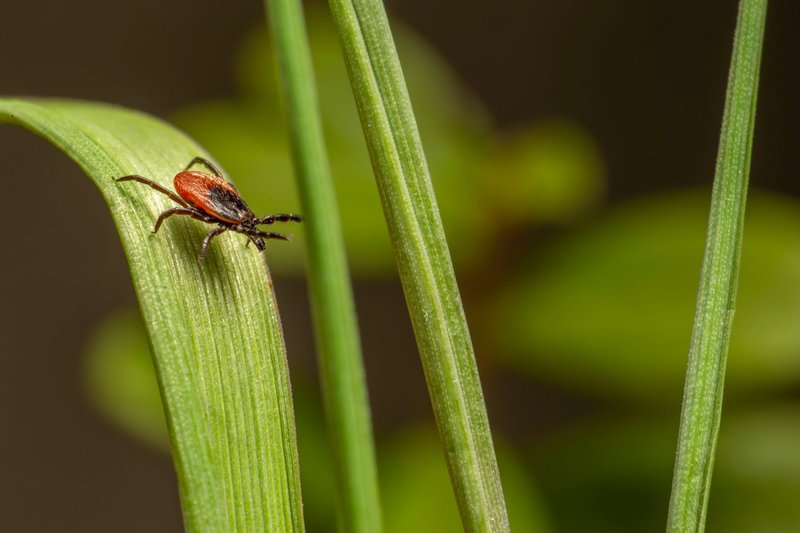
Ticks are the animal actually worth planning around. Estonia’s tick season runs from April through October, with two case types that matter: Lyme disease, which is treatable with antibiotics if caught early, and tick-borne encephalitis (TBE), which has no cure and can cause lasting neurological damage. Risk isn’t evenly spread — Lääne-Viru County has the heaviest Lyme burden, while Saaremaa records the most TBE cases, so a walk through tall grass on the island carries different stakes than one near Tallinn. A vaccine exists for TBE; none exists for Lyme, which is the actual reason to tuck your pants into your socks before a forest walk instead of after you’ve pulled a tick off your ankle.
Moose (Alces alces)
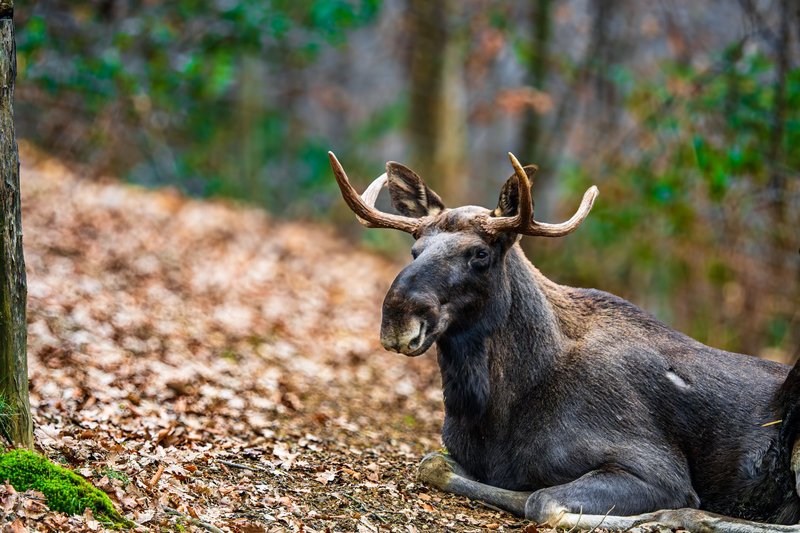
A moose isn’t aggressive toward people, but it’s the animal most likely to actually hurt you, almost always through a windshield rather than an attack. Moose graze along road verges at dawn and dusk, and collisions cluster hard in autumn during the rut, when bulls are distracted and moving more. A bull can weigh over 500 kg, tall enough that a collision sends the body through the windshield rather than under the bumper — the reason moose-vehicle crashes carry a disproportionately high injury rate compared to hitting a deer or boar.
European Adder (Vipera berus)
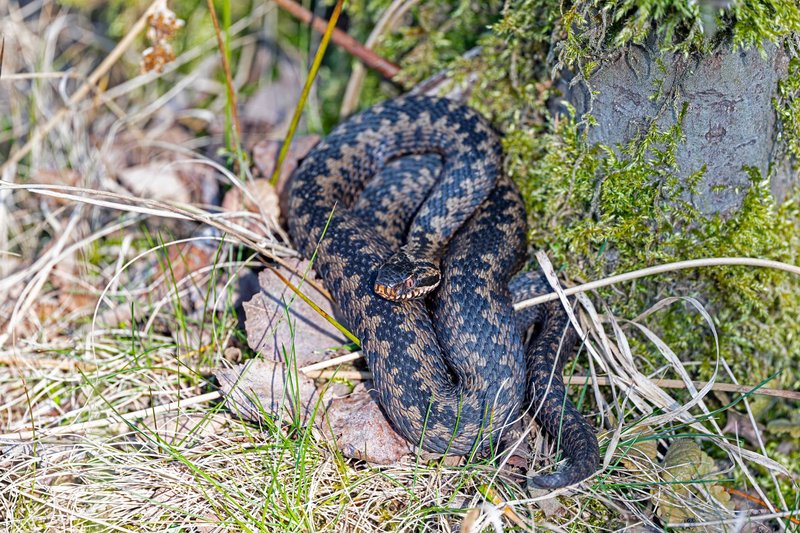
Estonians call it rästik, and it’s the only venomous snake native to the country — also the only snake species found this far north anywhere in the world. It’s not aggressive; adders bite when stepped on, grabbed, or cornered, not on sight. The venom is haemotoxic and cytotoxic rather than fast-acting, bites are rarely fatal to a healthy adult, and most incidents happen to someone who reached into a woodpile or brush pile without looking. Give it space and it disappears into the heather long before you notice it was there.
Brown Bear (Ursus arctos)
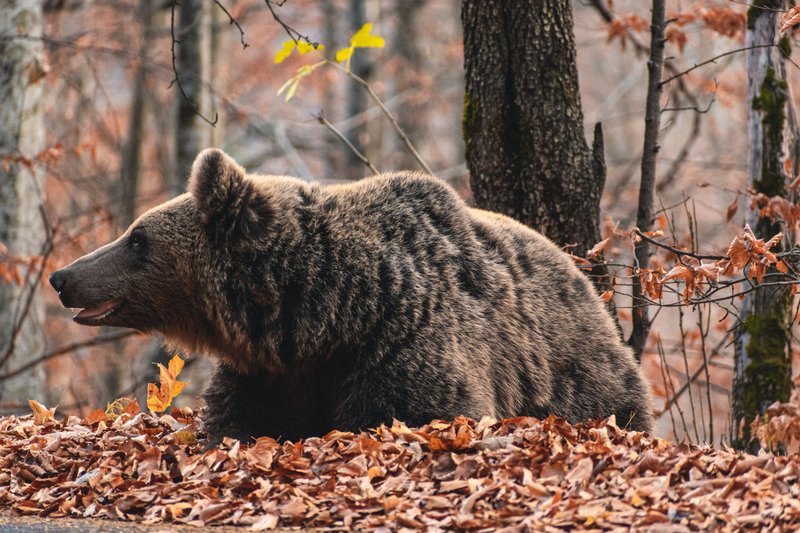
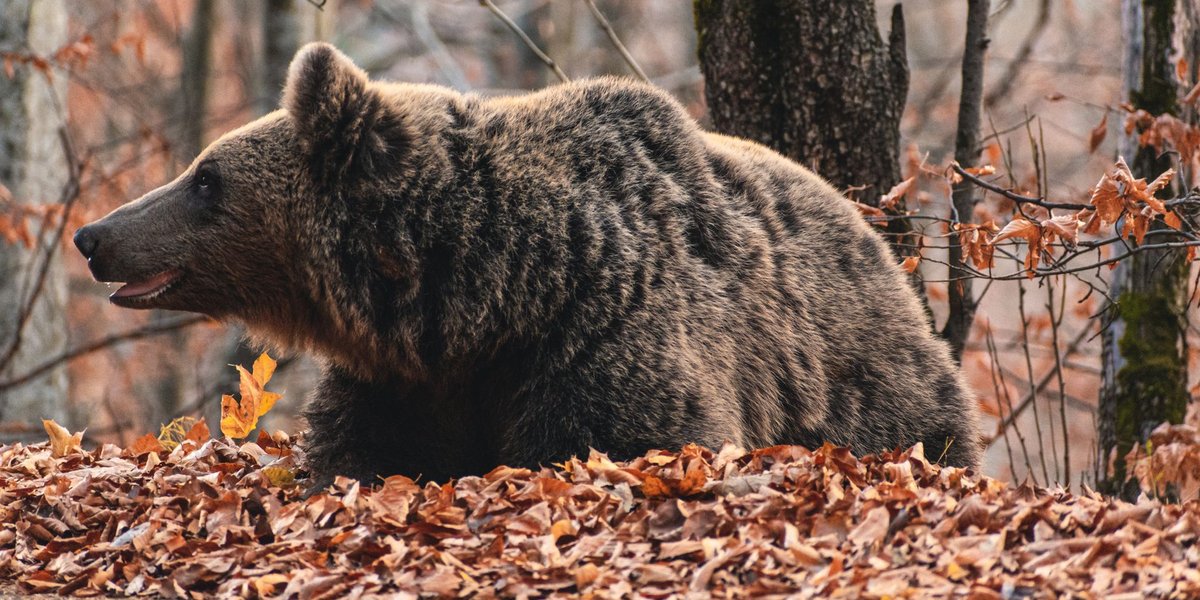
Estonia’s brown bear population sits somewhere between 500 and 1,000 animals, concentrated in the taiga forests of the east. That’s a remarkable density for a country this size, and European Commission wildlife data puts Estonia’s bears among the healthier large-carnivore populations left in the EU. Despite the numbers, confirmed attacks on people are essentially unheard of — bears here have abundant forest, low human density, and no real incentive to approach a person. If you do see one at a hide or from a distance, the standard advice holds: don’t run, don’t approach for a closer shot, and back away slowly while talking in a normal voice.
Wolf (Canis lupus)
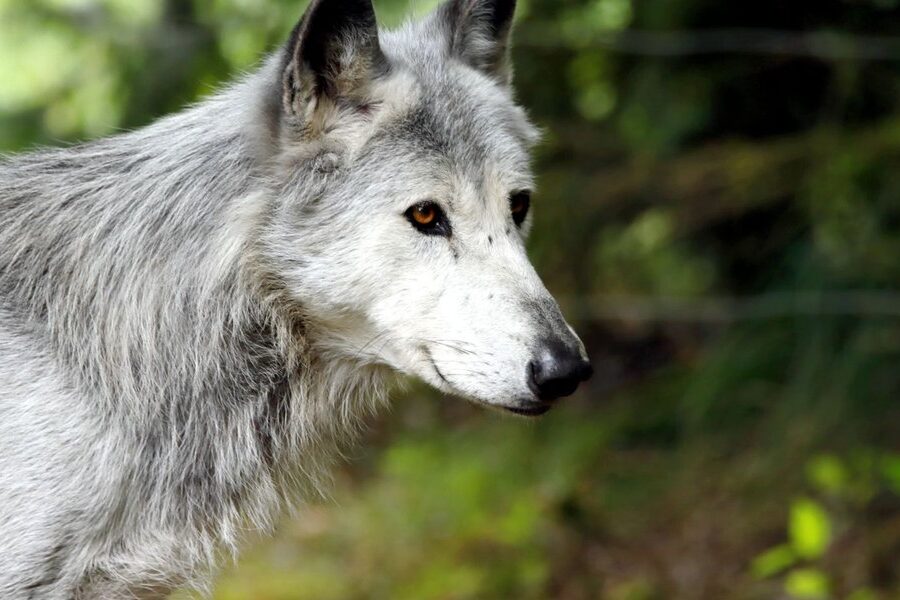
Estonia’s wolf population runs around 200 animals, slightly above what wildlife managers consider the optimal range for the habitat available. Wolves here hunt roe deer and wild boar, not people, and stay deep in forest cover most of the year — sightings are rare enough that even guided wildlife tours can’t promise one. The oral vaccination campaigns that eliminated rabies in the country’s foxes and raccoon dogs removed the one real historical risk factor tied to wolf encounters.
Eurasian Lynx (Lynx lynx)
Around 700 to 800 lynx live in Estonia’s forests, most concentrated in Alutaguse and Lahemaa. A lynx is a solitary ambush hunter built for roe deer, not confrontation with anything person-sized, and it will vanish at the first sign of a human long before you’d get close enough to notice. The species is a genuine conservation success story in the Baltics — one more reason to appreciate it from a distance rather than treat it as a threat.
Wild Boar (Sus scrofa)
Wild boar aren’t a predator risk, but a startled sow with piglets will charge if she feels cornered, and males carry tusks capable of a serious gash. The bigger everyday risk is the same one as moose: boar cross roads at night in family groups, and collisions spike in the same autumn window when acorns and beech mast draw them toward forest edges near roads.
Raccoon Dog (Nyctereutes procyonoides)
Raccoon dogs look unsettling — a fox-shaped animal with a raccoon’s masked face, often seen scavenging near bear hides after dark. They were once the country’s main rabies reservoir, but oral vaccination campaigns that began in 2005 wiped it out; Estonia has been officially rabies-free since 2013. A raccoon dog will scavenge, hiss, and bluff, but it isn’t a public health threat the way it was two decades ago.
Wasps and Bees
The least glamorous entry on this list is also one of the more statistically relevant ones anywhere in Europe: stinging insects cause more anaphylaxis emergencies than every wild mammal on this list combined, particularly in late summer when wasp colonies peak in size and aggression. If you know you’re allergic, carrying an epinephrine auto-injector on a summer hike matters more than any advice about bears.
Where to See Them (Safely)
Estonia has three national parks that concentrate almost everything on this list, and each has its own character.
Alutaguse National Park, in Ida-Viru County near the Russian border, is the country’s brown bear stronghold — more than 44,000 hectares of taiga, peat bog, and dune forest holding an estimated 500 bears in the region. Purpose-built forest hides let you watch bears (and the raccoon dogs, badgers, and occasional wolf or lynx that pass through) without either side noticing the other. The best viewing windows run late April through mid-July, then again mid-August through October.
Lahemaa National Park, less than 80 km from Tallinn and one of the largest national parks in Europe, holds lynx, wolves, bears, and moose across a mix of forest, bog, and coastline — the most accessible option if you’re based in the capital and don’t have days to spare.
Soomaa National Park is Estonia’s wetland wildcard: rivers and bogs that are only reachable by kayak or canoe during the spring flood season locals call the “fifth season.” Wild boar, elk, wolves, bears, and lynx all use the park, and the water access means fewer visitors bump into them by accident.
A Practical Safety Checklist
- After any walk through grass, undergrowth, or forest edge: do a full tick check, focusing on hairline, behind the ears, armpits, waistband, and behind the knees. Remove attached ticks with fine-tipped tweezers, pulling straight out — twisting or crushing increases infection risk.
- Driving in rural Estonia between September and November: slow down at dusk and dawn, use full headlights, and treat “moose crossing” signage as a real warning rather than decoration. Rutting season is when collisions spike hardest.
- If you see a bear: stay put, don’t run, and don’t approach for a photo. Back away slowly while speaking in a calm, normal voice. Bears here have no history of predatory behavior toward people, but surprise and food smells are what change that.
- In brush, woodpiles, or rock piles: watch where you put your hands. Adder bites almost always happen when someone reaches somewhere without looking first.
- If you carry an epinephrine auto-injector for insect stings: bring it on any summer walk, especially in late summer when wasp activity peaks.
None of this requires treating the forest like a threat. It just means paying attention to the small, unglamorous risks instead of the ones that make a good photo caption.