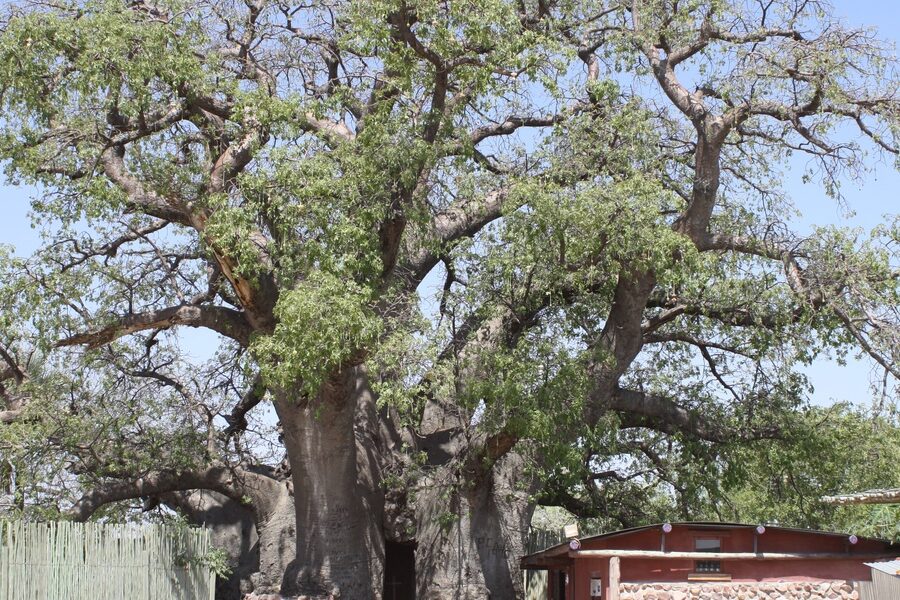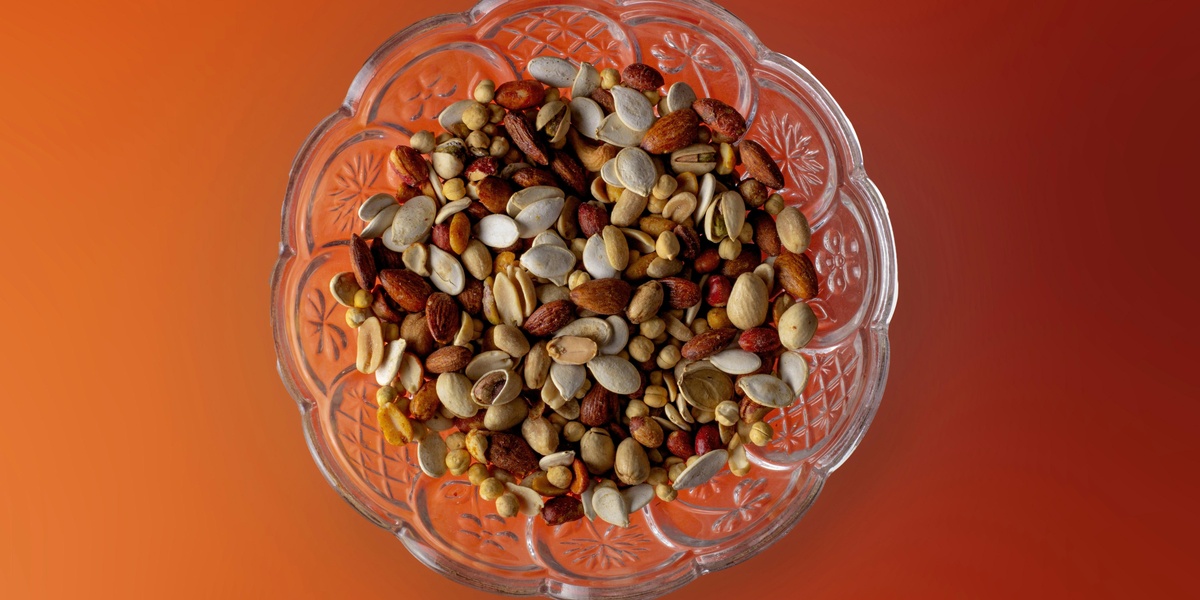
The Amazon basin is a living pantry: countless wild plants supply ingredients that shape regional cooking, medicine, and commerce. In river towns and Indigenous communities, spice use reflects local ecosystems and centuries of culinary practice rather than global trends.
There are 19 amazon rainforest spices, ranging from Aji amarillo to Tucupi. For each entry you’ll find below Scientific name,Region (countries/areas),Flavor profile so you can quickly compare where each comes from and how it tastes — you’ll find below.
How were these amazon rainforest spices chosen for the list?
The selection focuses on plants and flavorings with documented regional use or culinary importance in Amazonian communities, cross-checked against botanical sources and ethnobotanical records; it’s intended as a practical guide rather than an exhaustive inventory.
Can I buy or grow these spices outside the Amazon?
Some items (like Aji amarillo) are widely sold and cultivated elsewhere, while others are tied to local preparation or have export and sustainability limits; look for reputable suppliers, respect harvest laws, and consider ethical or legal constraints before attempting to grow or trade them.
Amazon Rainforest Spices
| Name | Scientific name | Region (countries/areas) | Flavor profile |
|---|---|---|---|
| Annatto | Bixa orellana | Brazil,Peru,Ecuador,Colombian Amazon | Earthy,slightly peppery,mildly nutty |
| Tonka bean | Dipteryx odorata | Amazon basin:Brazil,Venezuela,Guyana | Warm,vanilla-like,almond notes,coumarin |
| Jambu | Acmella oleracea | Brazilian Amazon,northern Brazil,Peruvian Amazon | Numbing,tingly,slightly citrusy,herbaceous |
| Priprioca | Cyperus articulatus | Brazilian Amazon,Pará,Amazonas | Earthy,woody,soft floral,slightly spicy |
| Tucumã | Astrocaryum aculeatum | Western Amazon,Brazil,Peru | Rich,buttery,slightly nutty,earthy |
| Patawa | Oenocarpus bataua | Amazon basin:Brazil,Peru,Colombia,Bolivia | Creamy,olive-like,slightly fruity |
| Buriti | Mauritia flexuosa | Brazilian Amazon,Peru,Bolivia | Sweet,fruity,earthy,slightly floral |
| Cupuaçu | Theobroma grandiflorum | Northern Brazil,Peru,Colombia | Tropical,citrusy,chocolatey,creamy |
| Sacha inchi | Plukenetia volubilis | Peruvian Amazon,Ecuador,Brazil | Nutty,roasted,earthy |
| Guaraná | Paullinia cupana | Brazilian Amazon,especially Pará,Manaus | Sweet,fruity,bitter,high-caffeine |
| Aji amarillo | Capsicum baccatum | Peruvian Amazon,Eastern Andes foothills,Amazonia | Fruity,bright,medium heat |
| Ají charapita | Capsicum chinense | Peruvian Amazon,Bolivian Amazon | Tiny,intensely hot,fruity,aromatic |
| Pink peppercorn | Schinus terebinthifolius | Amazon basin,Brazil,Peru | Bright,fruity,peppery,slightly resinous |
| Matico | Piper aduncum | Amazon basin,Brazil,Peru,Colombia | Peppery,herbal,slightly camphorous |
| Camu camu | Myrciaria dubia | Peruvian and Brazilian Amazon | Sharply sour,citrus-like,bright |
| Tucupi | Manihot esculenta | Brazilian Amazon,Pará state,riverine areas | Sour,fermented,umami,earthy |
| Genipap | Genipa americana | Amazon basin,Brazil,Peru,Colombia | Tart,astringent,earthy,fruity |
| Brazil nut oil | Bertholletia excelsa | Western Amazon,Brazil,Peru,Bolivia | Rich,buttery,woody,deep nutty |
| Murici | Byrsonima crassifolia | Amazon basin,Brazil,Peru,Guyana | Pungent,cheesy,tropical,tangy |
Images and Descriptions
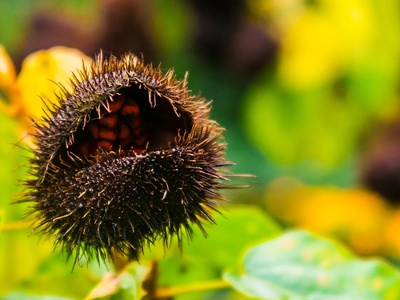
Annatto
Annatto seeds and paste color and lightly season stews, rice, fish and grilled foods across the Amazon. Harvested from wild and cultivated shrubs, it’s sold as seeds, paste or oil; sustainable smallholder harvests dominate regional markets.

Tonka bean
Tonka beans are aromatic seeds used sparingly as a vanilla-like flavor in desserts and sweets across the Amazon. Collected from wild trees, they add deep sweet-spicy notes; note regulatory limits in some countries due to natural coumarin content.
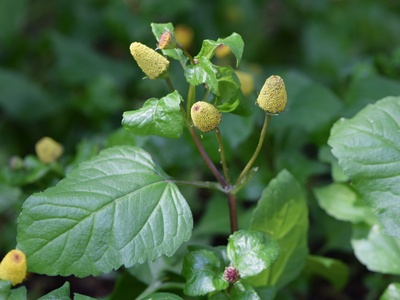
Jambu
Jambu (buzz button) leaves and flowers add a mouth‑tingling, numbing sensation to soups and cold dishes like tacacá. Widely gathered and cultivated locally, it’s a signature Amazonian herb prized for texture and novelty in modern cuisine.
Priprioca
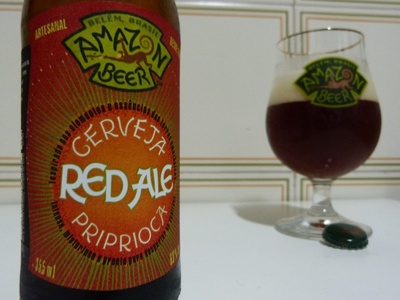
Priprioca is a fragrant root used fresh or dried to perfume sweets, breads and regional drinks. Harvested from swampy areas, its aromatic rhizomes are important to local economies and artisanal perfumery; wild populations need careful management.
Tucumã
Tucumã palm fruit pulp is mashed into spreads, fillings and sandwiches in Amazonian Brazil. The dense, oily pulp is locally sold fresh or frozen; harvest is mainly small-scale and supports riverine communities.
Patawa
Patawa (patauá) palm oil is a dark, flavorful cooking oil and finishing condiment used like olive oil in salads and stews. Cold-pressed from wild fruits, it’s valued regionally and often sold by cooperatives practicing sustainable harvests.
Buriti
Buriti palm fruit yields an orange oil and pulp used in sauces, sweets and beverages. Harvested from swamps and palm groves, buriti products are traditionally consumed locally and increasingly marketed as sustainable specialty ingredients.
Cupuaçu
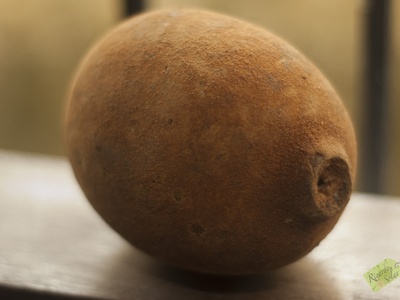
Cupuaçu pulp is prized for desserts, juices and flavoring blends in Amazonian cuisine, offering tart, chocolatey notes. Wild and cultivated trees supply regional markets; pulp and butter are common exports from sustainable smallholder cooperatives.
Sacha inchi
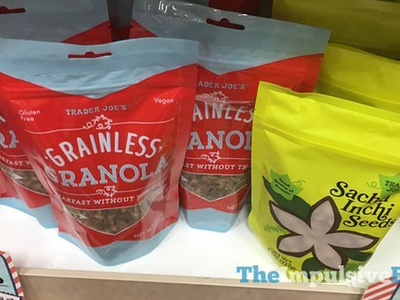
Sacha inchi seeds are roasted or pressed for a nutty flavor and a high‑omega oil used as a finishing oil or supplement. Traditionally harvested and increasingly cultivated, seeds and oil are marketed as Amazonian specialty foods.

Guaraná
Guaraná seeds are roasted and ground into pastes or syrups to flavor drinks, sweets and sauces; they add lively bitterness and caffeine. Wild and cultivated in the Amazon, guaraná is a major regional crop and flavor export.
Aji amarillo
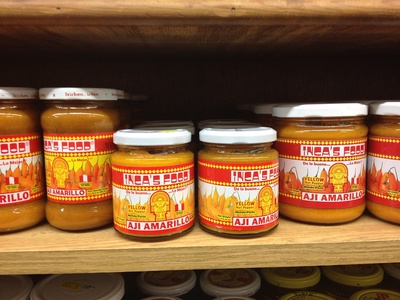
Aji amarillo is a staple Amazonian chili used fresh, mashed or dried in sauces, marinades and stews. Its fruity heat defines many Peruvian and Amazonian dishes; cultivated widely but rooted in wild Amazonian pepper diversity.
Ají charapita
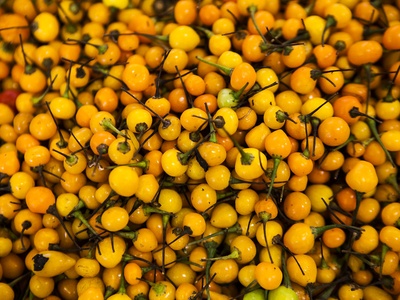
Ají charapita are tiny wild chiles prized for concentrated fruity heat in sauces and condiments. Traditionally foraged and sometimes cultivated locally, they’re rare outside the region and used sparingly as a potent flavoring.

Pink peppercorn
Pink peppercorns from Brazilian pepper trees are used like pepper in blends, sauces and as a finishing spice. Harvested from native trees, small-scale collection supplies local markets and gourmet producers; some people may be allergic.
Matico
Matico leaves and crushed stems are used traditionally as a peppery herb to season soups, stews and grilled meats. Often gathered from wild stands, Piper aduncum has local culinary uses alongside its more famous medicinal applications.
Camu camu
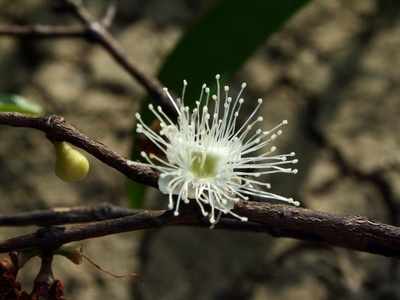
Camu camu berries are dried or powdered to tartly flavor drinks, sauces and desserts; prized for high vitamin C. Wild harvests dominate, with growing smallholder cultivation; powders and purees are exported as Amazonian superfruit ingredients.
Tucupi
Tucupi is a long-fermented cassava broth used as a savory sauce and seasoning in regional dishes like pato no tucupi. Made from bitter manioc that must be processed to remove toxins, tucupi is a cornerstone Amazonian condiment produced by traditional methods.
Genipap
Genipap (huito) pulp flavors drinks, jellies and desserts and is used as a natural dye. Foraged from native trees, its tart, fragrant pulp is a traditional Amazonian ingredient with limited commercial reach but strong local culinary presence.
Brazil nut oil
Cold-pressed Brazil nut oil is used as a finishing oil or in sauces by Amazonian communities. Nuts are harvested from wild forest trees under extractive systems; sustainable certification and community management are key to protecting native stands.
Murici
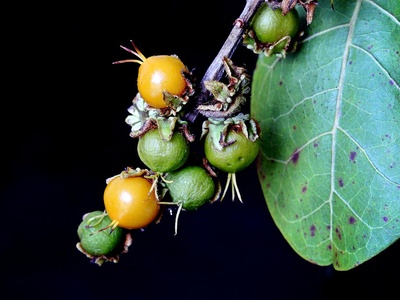
Murici fruit pulp is used to flavor sauces, sweets and regional drinks, offering a distinct tangy, pungent aroma. Collected locally from wild trees and shrubs, murici is a niche Amazonian flavor celebrated in traditional desserts and snacks.