Mongolia’s wide-open steppes, highland wetlands and taiga edges host a surprisingly compact set of cold-tolerant amphibians adapted to short summers and long winters. From seasonal ponds to mossy streams, these species are visible clues to local water quality and shifting climates.
There are 5 Amphibians of Mongolia, ranging from Amur frog to Siberian salamander. For each species we list Scientific name,Size (length cm),IUCN status to help you compare ranges and conservation concerns — details you’ll find below.
Which species am I most likely to see in Mongolia and where should I look?
The Amur frog is the most frequently encountered in lowland ponds, irrigation ditches and marshy steppe during the short breeding season, while other species tend to be patchier; check wet meadows, slow streams and boggy areas in spring and early summer for the best chances.
What are the main conservation concerns and how can visitors help?
Threats include habitat loss, water pollution and climate-driven changes to breeding windows; visitors can help by avoiding disturbance of breeding sites, not releasing pet amphibians, reporting sightings to local biodiversity projects, and supporting wetland protection efforts.
Amphibians of Mongolia
| Common name | Scientific name | Size (length cm) | IUCN status |
|---|---|---|---|
| Mongolian toad | Bufotes raddei | 8 | Least Concern |
| Siberian salamander | Salamandrella keyserlingii | 7 | Least Concern |
| Amur frog | Rana amurensis | 6 | Least Concern |
| Dark-spotted frog | Pelophylax nigromaculatus | 7 | Least Concern |
| European green toad | Bufotes viridis | 7 | Least Concern |
Images and Descriptions
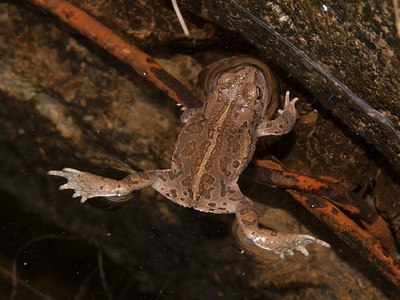
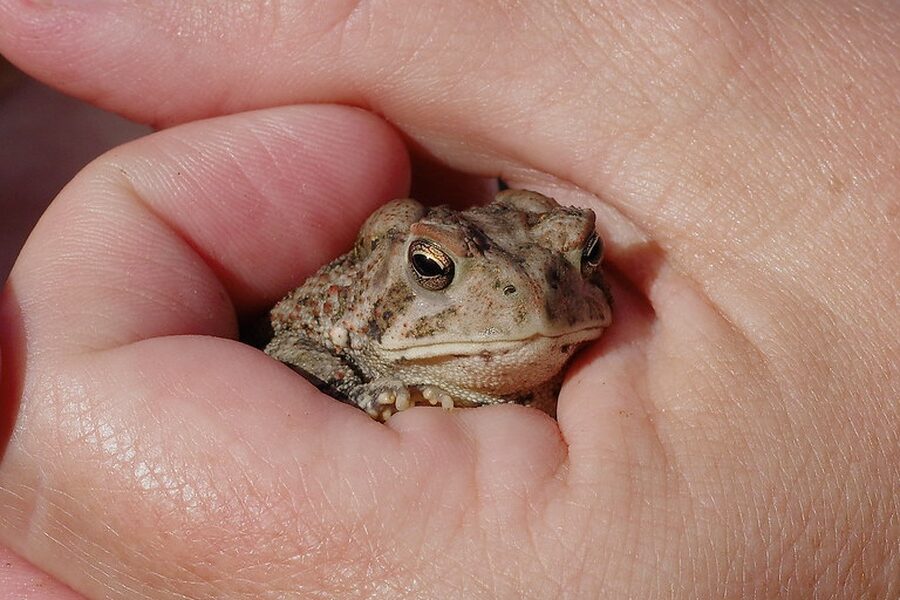
Mongolian toad
Stocky, warty toad with greenish‑brown blotches; found across Mongolian steppes and semi‑deserts near temporary pools and irrigation ditches. Breeds in spring and tolerates cold, arid conditions; often hides in rodent burrows to escape drought and frost.

Siberian salamander
Small, slender salamander with smooth dark skin and a long tail; inhabits taiga, bogs and cold mountain streams in northern Mongolia. Remarkable for surviving deep freezes by tolerating ice formation in tissues, re‑emerging in spring to feed.
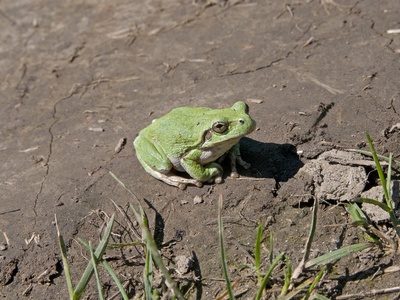
Amur frog
Medium-sized brown/olive frog with a rounded snout and subtle dorsolateral folds; common in northern Mongolian wetlands, river valleys and ponds. Breeds soon after snowmelt and tolerates low temperatures, often active while ice still thins.
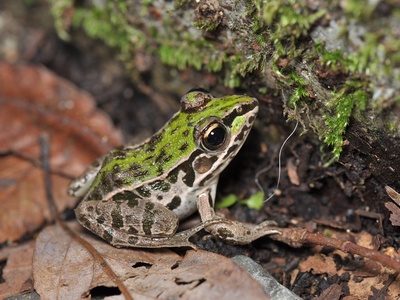
Dark-spotted frog
Greenish pond frog with prominent dark spots and webbed feet; occurs in marshes, lakeshores and slow rivers in eastern and northern Mongolia. Strong swimmer that basks on vegetation and breeds in permanent water bodies.
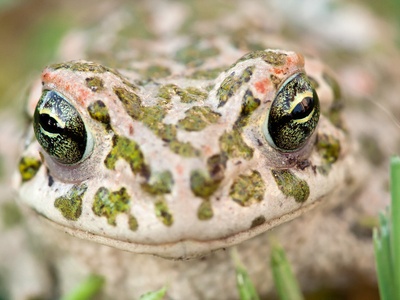
European green toad
Pale toad patterned with bright green blotches; found in western and southern Mongolian steppes, semi‑deserts and saline oases. Nocturnal breeder in temporary pools; notable for tolerance of salinity and dry, harsh conditions.