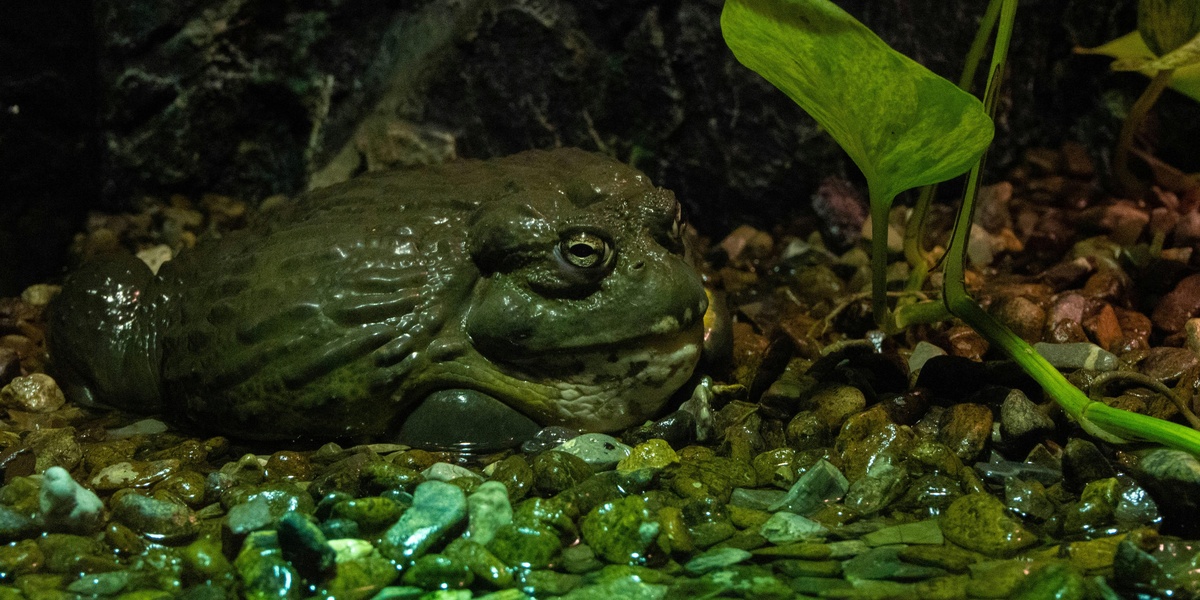
Mozambique’s mix of coastal wetlands, miombo woodlands and seasonal floodplains supports a diverse amphibian fauna that helps control insects and links aquatic and terrestrial food webs. Local rainy seasons and temporary pools shape where and when different frogs and toads appear.
There are 16 Amphibians of Mozambique, ranging from African bullfrog to Striped reed frog. For each species, you’ll find below Scientific name,IUCN status,Distribution & habitat.
Which amphibians in Mozambique are most at risk?
Check the IUCN status column in the table below to see which species are listed as Vulnerable, Endangered or Critically Endangered; those are most threatened by habitat loss, pollution, invasive species and diseases like chytridiomycosis. The status plus the Distribution & habitat notes will show where conservation attention is most needed.
Where and when am I most likely to see species like the African bullfrog or Striped reed frog?
Look in wetlands, seasonal pools, marshes and reedbeds during the rainy season when frogs are breeding and calling. African bullfrogs are often on open floodplains and temporary pools, while reed frogs stick to vegetation at pond margins and lowland coastal areas—see the Distribution & habitat column below for localities and protected sites.
Amphibians of Mozambique
| Common name | Scientific name | IUCN status | Distribution & habitat |
|---|---|---|---|
| Guttural toad | Sclerophrys gutturalis | LC | Maputo, Gaza, Inhambane; savanna, gardens, ponds |
| African common toad | Sclerophrys regularis | LC | Widespread: coastal to inland provinces; savanna, farmland, gardens |
| Mozambique grass frog | Ptychadena mossambica | LC | Maputo to Nampula; grassland, floodplains, seasonal pools |
| Mascarene grass frog | Ptychadena mascareniensis | LC | Widespread coastal and inland provinces; savanna, marshes |
| Natal puddle frog | Phrynobatrachus natalensis | LC | Lowland provinces: Maputo to Zambezia; puddles, marshes, moist forest edges |
| African clawed frog | Xenopus laevis | LC | Coastal rivers and wetlands; Maputo, Inhambane, Sofala |
| Müller’s platanna | Xenopus muelleri | LC | Wetlands and slow rivers across provinces; floodplains |
| Mozambique tree frog | Leptopelis mossambicus | LC | Woodland edges, savanna trees: Manica, Sofala, Maputo |
| Painted reed frog | Hyperolius marmoratus | LC | Coastal and inland wetlands: Maputo to Nampula; reeds, pans |
| Striped reed frog | Hyperolius argus | LC | Marshy lowlands and coastal provinces; reedbeds, ponds |
| Running frog | Kassina senegalensis | LC | Savanna and open areas across Mozambique; grassland, pools |
| African bullfrog | Pyxicephalus adspersus | LC | Savanna floodplains: Maputo, Gaza, Inhambane; temporary pools |
| Delalande’s sand frog | Tomopterna delalandii | LC | Sandy soils, savanna pans: Maputo, Gaza, central provinces |
| Fornasini’s spiny reed frog | Afrixalus fornasini | LC | Coastal forest mosaic: Inhambane, Maputo; forest edges, reedbeds |
| Painted froglet | Cacosternum nanum | LC | Grasslands and marsh edges in southern provinces; temporary pools |
| River frog | Amietia angolensis | LC | Rivers, rocky streams: highlands and montane zones |
Images and Descriptions
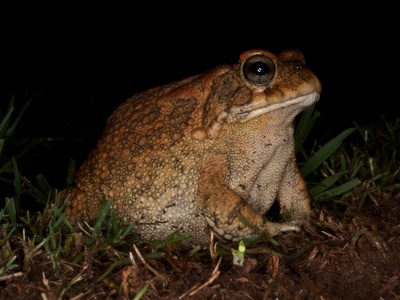
Guttural toad
A sturdy, adaptable toad often found near people. Loud, vibrating call at night; breeds in temporary pools and can tolerate disturbed habitats, making it a common sight around villages and agricultural areas.
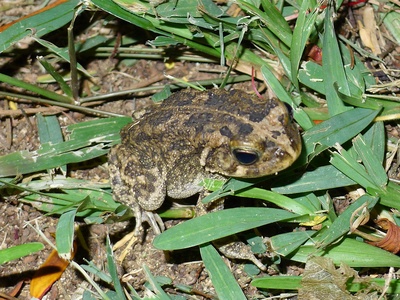
African common toad
A large, ground-dwelling toad seen after rains. Tolerant of human-altered landscapes, it feeds on insects and invertebrates and is easily recognized by its stocky build and dry, warty skin.

Mozambique grass frog
A quick, long-legged frog of wet grasslands and floodplains. Active in daytime and after rains, it makes a series of high-pitched calls and is a common sight close to seasonal pools and irrigated fields.
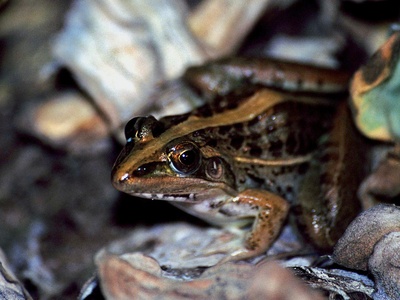
Mascarene grass frog
A widespread, slender frog adapted to open, grassy wetlands. It jumps long distances, breeds explosively after heavy rains, and is frequently encountered near slow-moving water or flooded grass.
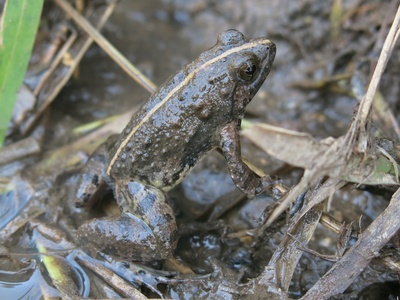
Natal puddle frog
A small, active puddle frog that breeds in shallow, temporary water. Often seen hopping among leaf litter and grasses; slender body and a quick, high trill make it easy to spot after rains.
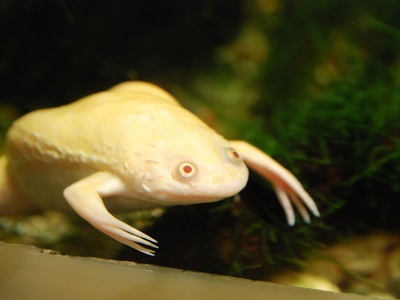
African clawed frog
A fully aquatic frog with flattened body and strong claws on hind feet. Common in ponds and slow rivers, it feeds by sucking in prey and is notable for its lateral line system and smooth skin.
Müller’s platanna
Similar to the African clawed frog but generally smaller. Lives in still or slow-moving water, often in large populations; feeds on invertebrates and small fish and breeds year-round in tropical wetlands.
Mozambique tree frog
A medium-sized tree frog with a loud, booming call. Perches in shrubs and trees near water; noticeable for its camouflage coloring and strong toe pads that help it cling to vegetation.
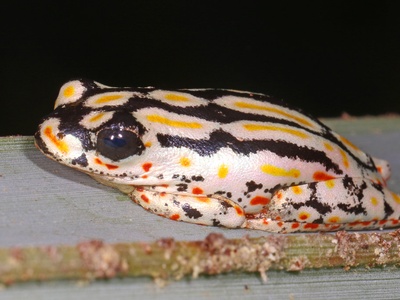
Painted reed frog
A colourful small reed frog often found on reeds and emergent vegetation. Males call from vegetation over water; variable patterns and bright tones make it one of the more eye-catching species.
Striped reed frog
A small, arboreal reed frog with striped patterns. Common in reedbeds and flooded grass, males call from vegetation and breeding takes place in shallow water after rains.
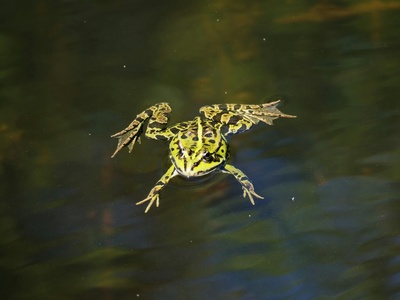
Running frog
A distinctive frog that walks or runs rather than hops. Often seen on open ground near water; it has a soft, low call and is adapted to drier grassy habitats compared with many other frogs.
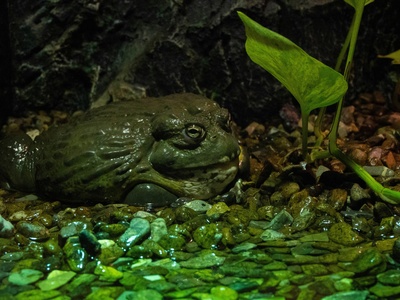
African bullfrog
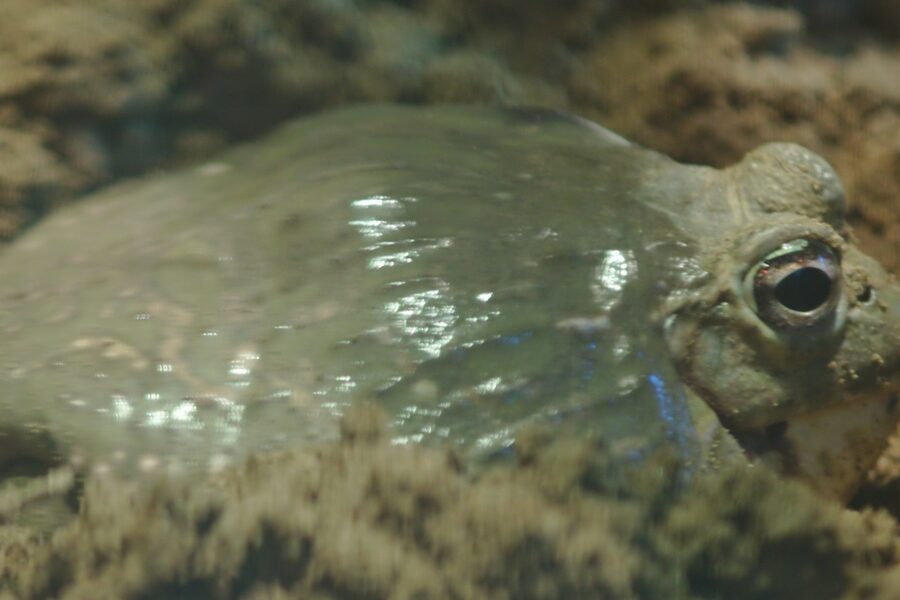
A large, aggressive bullfrog that breeds in seasonal ponds. Males can guard tadpole-filled pools; impressive size and burrowing behaviour make it a memorable species during the wet season.
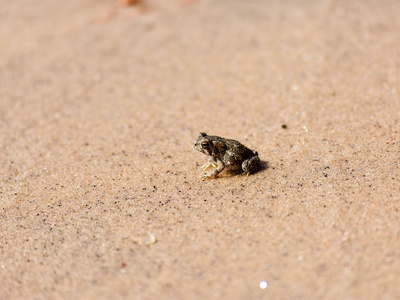
Delalande’s sand frog
A burrowing sand frog that emerges after rains to call from bare ground. Stocky with short limbs, it’s adapted to dry, sandy habitats and is most often noticed by its rhythmic call after heavy showers.
Fornasini’s spiny reed frog
A small, delicate reed frog associated with coastal forest patches and wetlands. Often occurs at forest edges and marshy clearings; notable for its leaf-folding egg-laying behaviour and striking markings.
Painted froglet
A tiny, lively frog found in damp grass and near ephemeral pools. Quick-moving and often overlooked, it breeds rapidly when rains create shallow wetlands and is common in suitable grassy areas.
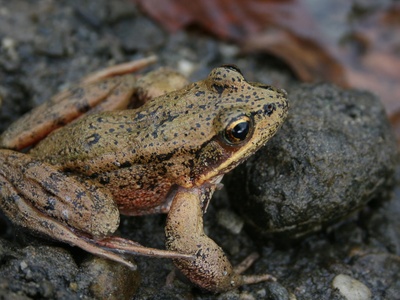
River frog
A medium-sized, robust frog tied to flowing water and rocky stream margins. Strong legs and a rounded snout help it navigate stream habitats; common along forested rivers and higher-altitude streams.