Saint Vincent and the Grenadines’ mix of volcanic slopes, rainforest pockets and coastal wetlands supports a small but distinct set of amphibians adapted to island life, and spotting them adds a different angle to any nature visit.
There are 2 Amphibians of Saint Vincent and the Grenadines, ranging from the Cane toad to Johnstone’s whistling frog. For each species you’ll find below data organized with Scientific name,IUCN status,Island presence to help you compare conservation concerns and where each has been recorded—you’ll find the details below.
Are either of these species considered at risk on the islands?
Check the IUCN status column for official assessments; island species can be vulnerable due to limited ranges, habitat loss or invasive predators, while introduced species like the Cane toad often have different management concerns. Use the IUCN status and island presence fields below to see local risk and distribution.
How can I reliably identify and report a sighting?
Use the Scientific name column for precise identification, take clear photos or audio of calls, note the island and habitat, and report observations to local conservation groups or biodiversity databases—those details (Scientific name,IUCN status,Island presence) make records most useful.
Amphibians of Saint Vincent and the Grenadines
| Name | Scientific name | IUCN status | Island presence |
|---|---|---|---|
| Johnstone’s whistling frog | Eleutherodactylus johnstonei | Least Concern | Saint Vincent,Bequia,Mustique,Canouan,Union,Mayreau |
| Cane toad | Rhinella marina | Least Concern | Saint Vincent |
Images and Descriptions
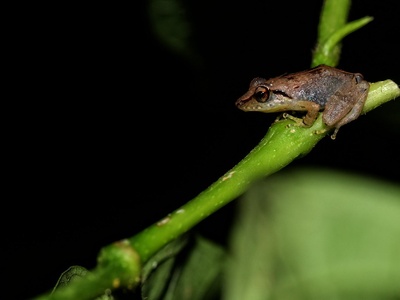
Johnstone’s whistling frog
Small, often greenish-brown frog with smooth skin and loud high-pitched call. Found in gardens, secondary forest and near houses; active by night and tolerant of human disturbance. Spread by humans; not currently at high conservation risk.
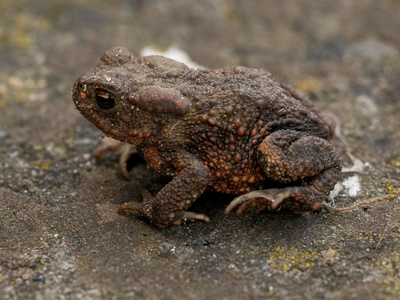
Cane toad
Stout, large toad with warty skin and parotoid glands; variable brownish coloring. Common in disturbed habitats, near water and around settlements. Introduced and can impact native fauna through predation and toxic secretions; often subject to control efforts.