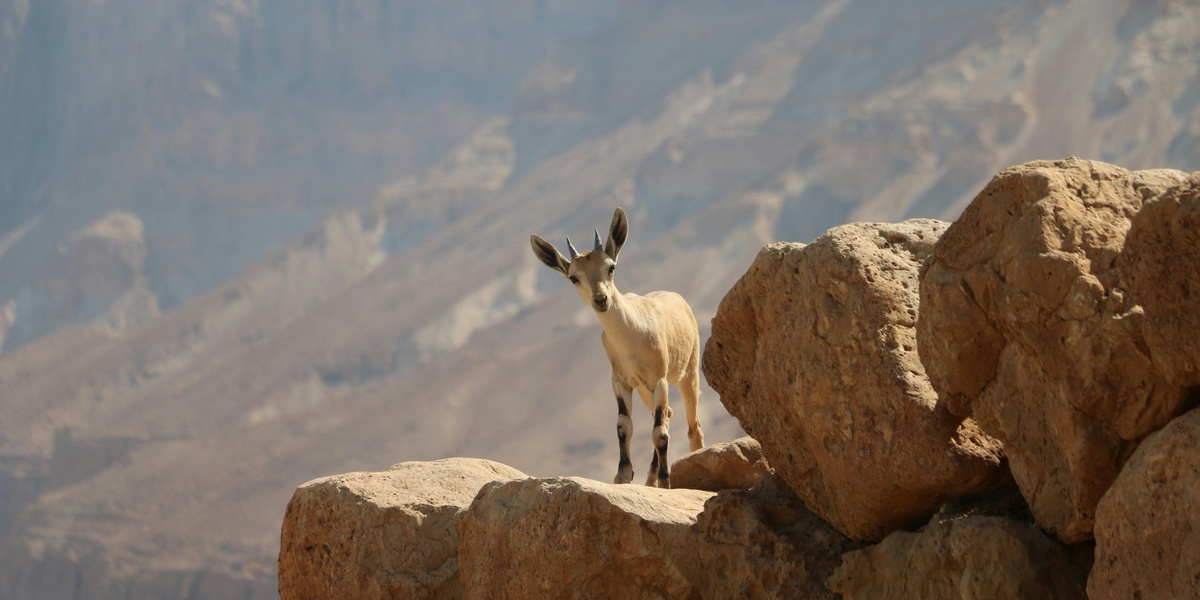
Israel’s varied habitats — coastal marshes, Mediterranean woodlands, the Galilee hills and the Negev desert — create a compact but diverse stage for wildlife. Migratory routes and local ecosystems mean you can see seabirds, raptors, small mammals and more within short drives of major cities.
There are 42 Animals of Israel, ranging from Barn swallow to Wild boar. For each entry you’ll find below a concise table organized with Scientific name, Size (cm), Where to find so you can compare identification details and typical locations quickly — you’ll find below.
Where in Israel am I most likely to spot these animals?
Coastal wetlands (like Hula and the Ein Afek reserves), national parks (Carmel, Ein Gedi), the Galilee and Jordan Valley, and desert oases in the Negev are prime spots. Early morning or dusk increases sightings, and local nature centers and guided tours help target seasonal migrants and resident species.
Are any of these species protected or unsafe to approach?
Many birds and mammals are protected under Israeli law or international treaties, so observe from a distance and follow park rules. Large mammals such as wild boar can be unpredictable — avoid close contact — and photographing or handling animals may require permits in some reserves.
Animals of Israel
| Name | Scientific name | Size (cm) | Where to find |
|---|---|---|---|
| Nubian ibex | Capra nubiana | 100–125 cm | Eilat mountains, Negev cliffs |
| Mountain gazelle | Gazella gazella | 80–110 cm | Galilee, Carmel, Negev plains |
| Dorcas gazelle | Gazella dorcas | 60–90 cm | Negev desert, Arava |
| Striped hyena | Hyaena hyaena | 95–125 cm | Negev, Galilee scrub, remote hills |
| Golden jackal | Canis aureus | 70–85 cm | Coastal plains, Carmel, Negev, agricultural areas |
| Rock hyrax | Procavia capensis | 35–45 cm | Negev, Judean Desert cliffs, rocky outcrops |
| Wild boar | Sus scrofa | 100–150 cm | Galilee, Golan, Carmel woodlands |
| Caracal | Caracal caracal | 60–90 cm | Negev, Arava, northern hills |
| Red fox | Vulpes vulpes | 45–90 cm | Widespread; fields, deserts, suburbs |
| Egyptian fruit bat | Rousettus aegyptiacus | 10–15 cm | Caves, old buildings, orchards |
| White stork | Ciconia ciconia | 100–115 cm | Hula Valley, coastal wetlands, migration stopovers |
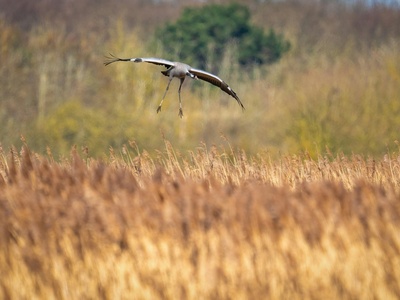
| Common crane | Grus grus | 100–120 cm | Hula Valley, inland wetlands during migration |
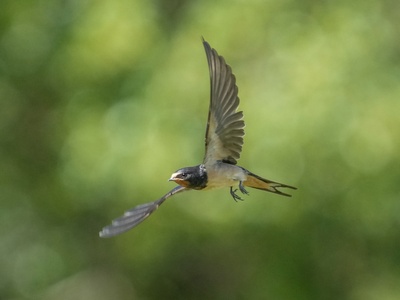
| Barn swallow | Hirundo rustica | 17–20 cm | Across country, open fields and towns |
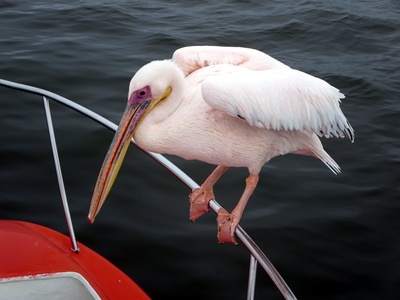
| Great white pelican | Pelecanus onocrotalus | 140–180 cm | Hula Valley, coastal lagoons and estuaries |
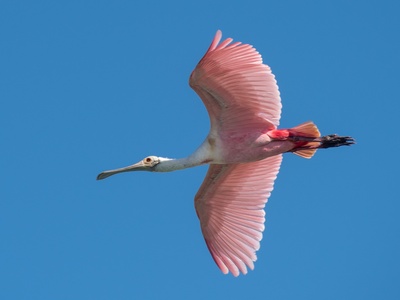
| Spoonbill | Platalea leucorodia | 80–95 cm | Coastal marshes, Hula and Sharon wetlands |
| Griffon vulture | Gyps fulvus | 95–110 cm | Mountains, cliffs; Golan, Negev ridges |
| Egyptian vulture | Neophron percnopterus | 60–75 cm | Open country, migration corridors; scarce breeder |
| Peregrine falcon | Falco peregrinus | 34–58 cm | Coastal cliffs, cities, migration routes |
| Common kestrel | Falco tinnunculus | 34–39 cm | Fields, cliffs, urban areas year‑round |
| Hoopoe | Upupa epops | 25–32 cm | Gardens, orchards, open woodlands; migratory |
| Palestine sunbird | Cinnyris osea | 9–12 cm | Gardens, acacia scrub, Negev, Galilee |
| Tristram’s starling | Onychognathus tristramii | 24–27 cm | Eilat, Arava cliffs, desert oases |
| White-spectacled bulbul | Pycnonotus xanthopygos | 20–22 cm | Gardens, woodlands, oases across Israel |
| Chukar partridge | Alectoris chukar | 30–35 cm | Rocky slopes, Judean hills, Golan plateaus |
| Rock dove | Columba livia | 30–35 cm | Cities, cliffs, widespread |
| Little egret | Egretta garzetta | 55–65 cm | Wetlands, coasts, marshes nationwide |
| Spur-winged plover | Vanellus spinosus | 29–32 cm | Freshwater marshes, agricultural fields, Hula region |
| European bee-eater | Merops apiaster | 25–28 cm | Sandbanks, open country; spring–autumn migrant and breeder |
| Palestine viper | Daboia palaestinae | 60–100 cm | Rocky hills, scrub in Judean Mountains and Negev |
| Spur-thighed tortoise | Testudo graeca | 20–40 cm | Steppe, scrub, Galilee, northern Negev |
| Loggerhead sea turtle | Caretta caretta | 70–95 cm | Mediterranean beaches, coastal feeding grounds |
| Green sea turtle | Chelonia mydas | 80–110 cm | Red Sea and Mediterranean coasts; occasional nesting |
| Desert monitor | Varanus griseus | 60–150 cm | Arava, Negev sand plains, rocky wadis |
| Mediterranean house gecko | Hemidactylus turcicus | 6–9 cm | Urban walls, ruins, coastal towns |
| Levant water frog | Pelophylax bedriagae | 6–10 cm | Ponds, streams, Hula Valley, irrigated fields |
| Syrian spadefoot | Pelobates syriacus | 5–10 cm | Temporary pools, winter-breeding in Negev and north |
| Green toad | Bufotes viridis | 6–9 cm | Seasonal pools, Mediterranean coastal plains and north |
| Common bottlenose dolphin | Tursiops truncatus | 200–300 cm | Mediterranean and Red Sea coastal waters |
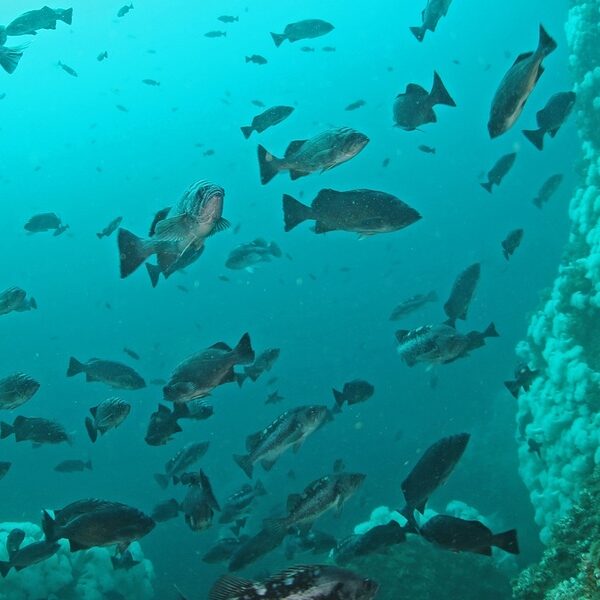
| Dusky grouper | Epinephelus marginatus | 60–120 cm | Rocky reefs off the Mediterranean Israeli coast |
| Painted lady butterfly | Vanessa cardui | 4.5–5.5 cm | Across Israel, mass migrants in spring and autumn |
| Deathstalker scorpion | Leiurus quinquestriatus | 6–8 cm | Desert areas, Negev, Sinai border habitats |
| Western honey bee | Apis mellifera | 1.2–1.5 cm | Agricultural areas, gardens nationwide (managed and wild) |
Images and Descriptions
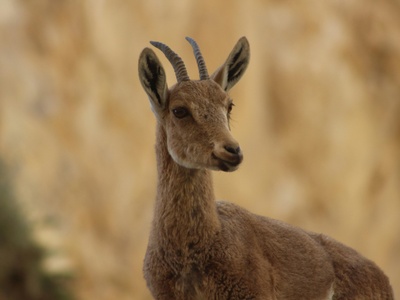
Nubian ibex
A sure‑footed mountain goat of steep desert cliffs, males with dramatic curved horns. Resident year‑round near Eilat and the Negev. Locally protected and popular with wildlife-viewers; populations recover with reserve protection and anti-poaching efforts.
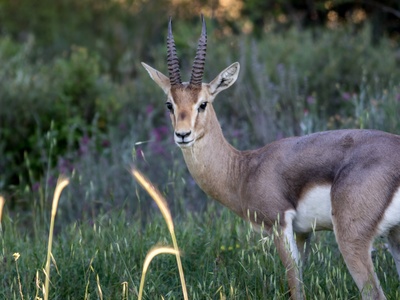
Mountain gazelle
Graceful small gazelle of open woodlands and scrub. Often seen at dawn or dusk across northern and central Israel. Fragmented by development; conservation programs and protected areas maintain many local populations.
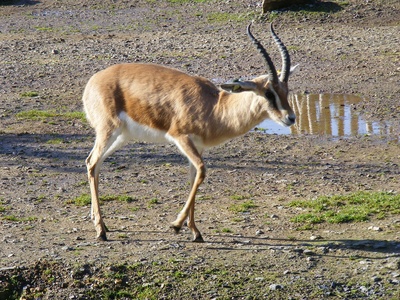
Dorcas gazelle
Small desert specialist adapted to arid plains and dunes. Can survive long dry spells and shows seasonal movements. Vulnerable to habitat loss and hunting; watchable in protected desert reserves.
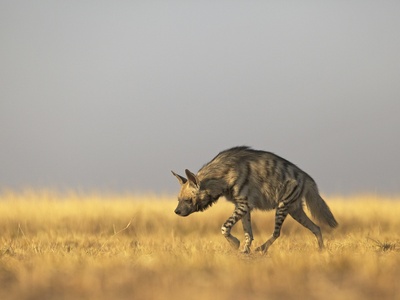
Striped hyena
Nocturnal scavenger with striped flanks and robust build. Mostly active at night, visiting villages and deserts. Rare and shy; protected but still threatened by persecution and road mortality.
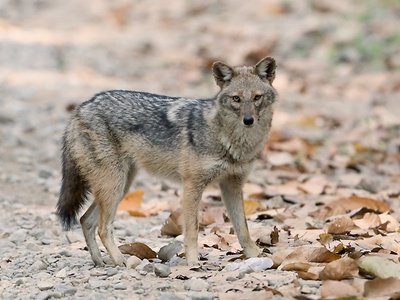
Golden jackal
Adaptable omnivore living near farmland, scrub and suburbs. Often active at night but increasingly seen by day. Common and expanding in Israel; sometimes conflicts with humans but largely protected.
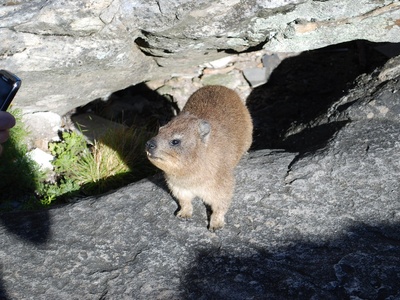
Rock hyrax
Small, furry mammal that basks on sunlit rocks; social colonies and loud calls. Resident in rocky habitats across south and center. Locally common and a distinctive part of desert fauna.
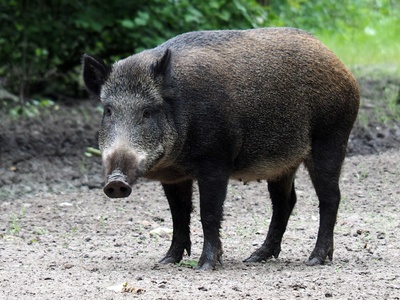
Wild boar
Heavily built omnivore of woodlands and wetlands. Active at night; roots soil and feeds on crops. Populations fluctuate; protected in many areas but can be locally problematic.
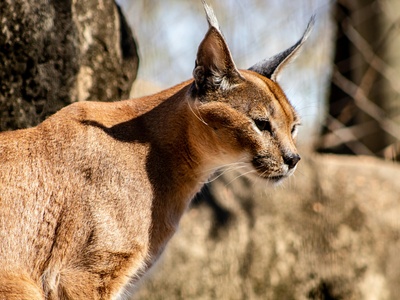
Caracal
Medium-sized wild cat with tufted ears and powerful hind legs. Elusive and mostly nocturnal, lives in desert and mountainous scrub. Rare and protected; sightings prized by naturalists.
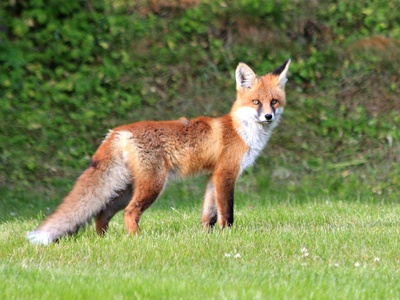
Red fox
Versatile omnivore frequenting farmland, desert margins and urban edges. Active dawn and dusk; breeds year-round in mild climates. Common and adaptable though vulnerable to vehicle collisions.
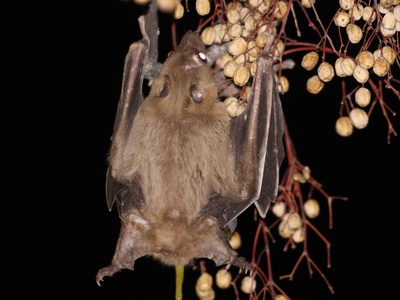
Egyptian fruit bat
Nocturnal frugivore and pollinator commonly roosting in caves and ruins. Active year‑round in warmer areas, important for seed dispersal. Locally common and legally protected in many sites.
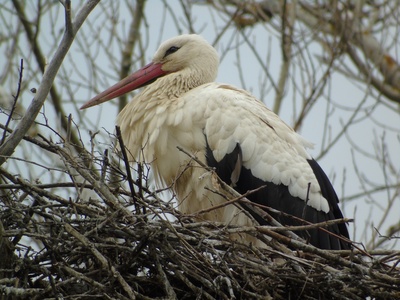
White stork
Large migratory wader that nests on poles and rooftops. Passes through Israel on spring and autumn migrations; some summer breeders. Widely observed at wetlands; conservation programs preserve key stopovers.
Common crane
Tall migratory bird staging in Hula wetlands each spring and autumn. Spectacular flocks draw birdwatchers; dependent on wetland protection. Population benefits from managed reserves and feeding sites.
Barn swallow
Slim, fork‑tailed aerial insectivore common spring–autumn migrant and summer breeder. Seen swooping over fields and water. Very familiar species; populations respond to insect availability and weather.
Great white pelican
Huge, social fish‑eating bird that stages in Hula and coastal wetlands during migration and breeding. Spectacular flocks and feeding displays. Conservation dependent on wetland management and fish stocks.
Spoonbill
Long-legged wader with spatulate bill used to sweep for small aquatic prey. Seasonal visitor and breeder in suitable marshes. Sensitive to wetland drainage; protected in key sites.
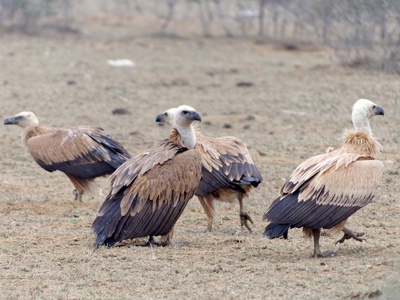
Griffon vulture
Large soaring scavenger on cliffs and plateaus. Breeds in rocky cliffs; uses thermals to travel widely. Vulnerable to poisoning and food shortages; local conservation focuses on safe feeding sites.
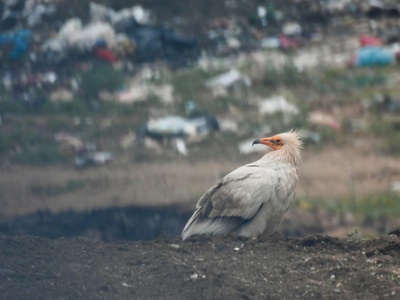
Egyptian vulture
Small white vulture seen on migration and in isolated breeding sites. Feeds on carrion and eggs; globally endangered, locally rare and protected with targeted conservation actions.
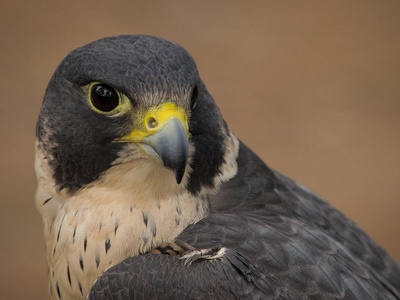
Peregrine falcon
Powerful aerial predator known for high‑speed stoops. Nests on cliffs and tall urban structures; migrants pass through in large numbers. Conservation improved after pesticide bans.
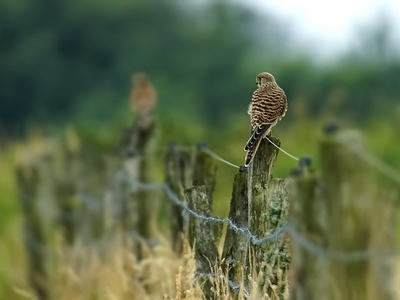
Common kestrel
Open-country falcon that hovers while hunting small mammals and insects. Resident breeder and winter visitor; common and adaptable in varied habitats.
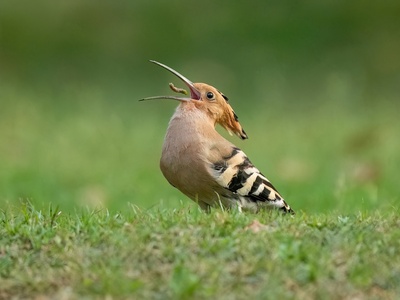
Hoopoe
Distinctive crested bird feeding on insects; migratory populations arrive in spring and depart in autumn. Cultural icon and widely seen in gardens and parks.
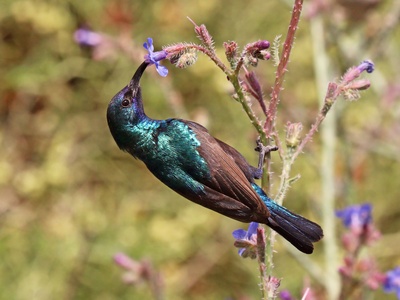
Palestine sunbird
Tiny, iridescent nectar‑feeder often visiting flowers and gardens. Resident in arid and semi‑arid areas; an attractive, readily seen species and important pollinator.
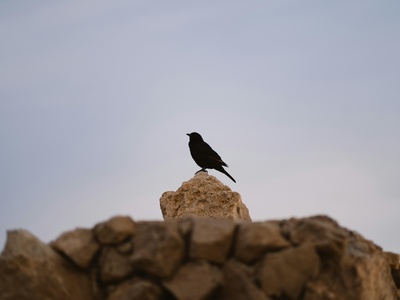
Tristram’s starling
Glossy dark starling endemic to the southern deserts, recognizable by orange wing patches. Resident around Eilat and desert cliffs; popular and conspicuous near hotels and oases.
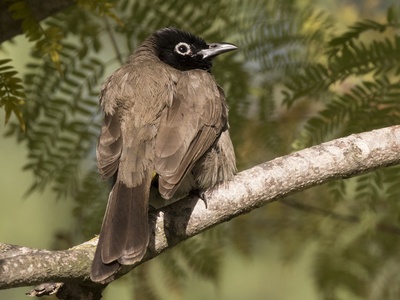
White-spectacled bulbul
Common, vocal songbird in gardens and scrub with white eye-ring. Resident year‑round, often tame in urban parks. Increasing with garden habitat and irrigation.
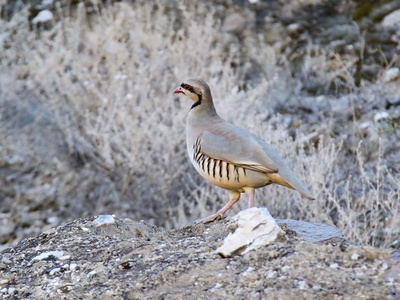
Chukar partridge
Stocky ground bird of rocky hills and terraces. Often flushed from cliffs and agricultural terraces. Hunted historically but present in protected areas and upland reserves.
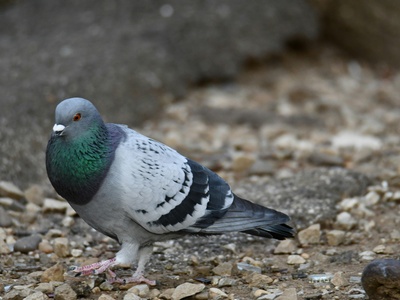
Rock dove
Original wild cliff pigeon now ubiquitous as feral pigeons in cities. Nests on buildings and cliffs; common and easily observed in urban centers and harbors.
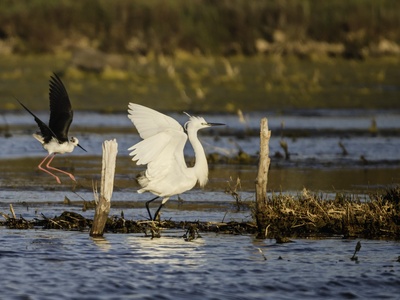
Little egret
Slim white heron with black bill and yellow feet, often seen stalking fish in shallow water. Breeds and winters in Israel; benefited from wetland conservation.
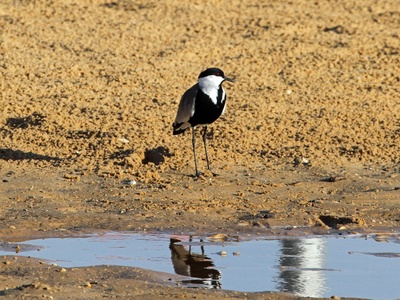
Spur-winged plover
Bold wader with distinctive spur on wing metacarpus; frequents marshes and irrigated fields. Resident and migratory populations; benefits from wetland protection but sensitive to drainage.
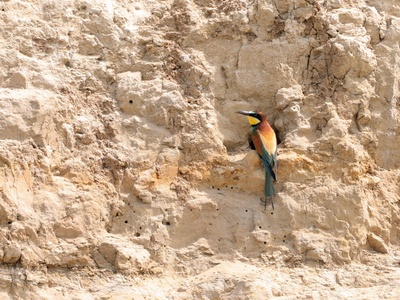
European bee-eater
Colorful aerial insectivore that nests in sandbank tunnels. Arrives in spring to breed, spectacular colony displays; attracted to open landscapes with insect prey.
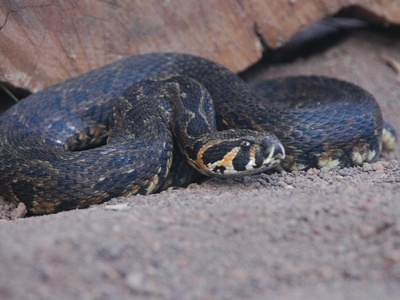
Palestine viper
Venomous, stout viper of rocky and scrub habitats. Usually nocturnal or crepuscular in hot months; locally common but shy. Medical awareness and habitat protection important.
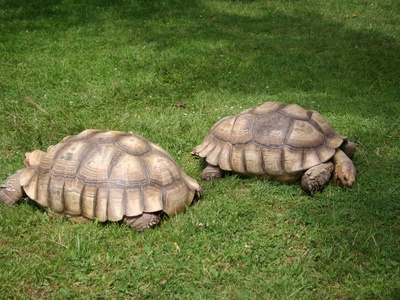
Spur-thighed tortoise
Terrestrial tortoise grazing on herbs and grasses. Slow‑moving and long‑lived, active in wetter seasons. Threatened by collection and habitat loss; protected in reserves.
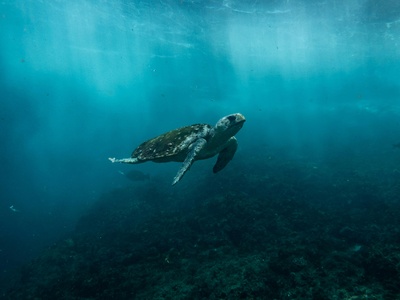
Loggerhead sea turtle
Large marine turtle that nests on some Mediterranean beaches; migratory foraging in coastal waters. Conservation focuses on nesting protection and reducing bycatch.
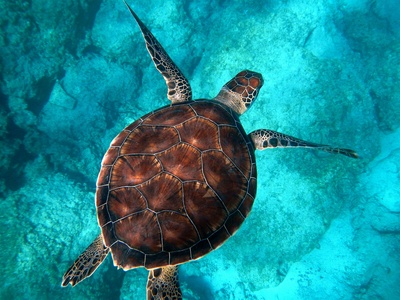
Green sea turtle
Large, herbivorous sea turtle occurring in Red Sea and eastern Mediterranean. Protected and monitored; threatened globally by fisheries and habitat disturbance.
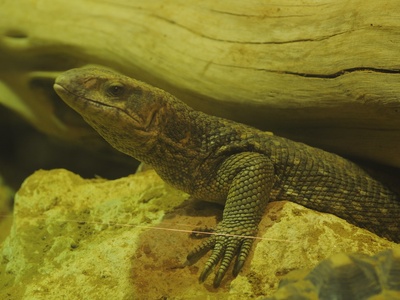
Desert monitor
Large lizard of arid landscapes, active by day hunting reptiles and rodents. Shelters in burrows and rock crevices. Local populations vulnerable to habitat change and road mortality.
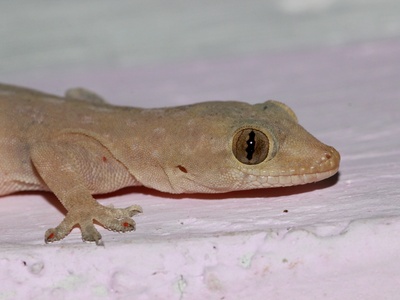
Mediterranean house gecko
Small nocturnal gecko often seen on lit walls hunting insects. Introduced/commensal with humans but well established across coastal and urban areas.
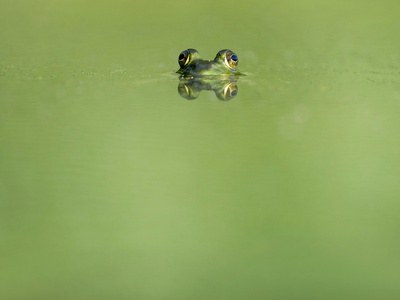
Levant water frog
Common green frog of wetlands and irrigation ditches. Vocal in spring and summer breeding seasons. Populations linked to water availability and protected wetland habitats.
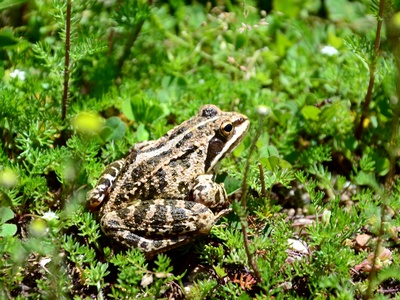
Syrian spadefoot
Burrowing amphibian emerging after rains to breed in ephemeral pools. Secretive most of the year; dependent on seasonal wetlands and rainfall patterns.
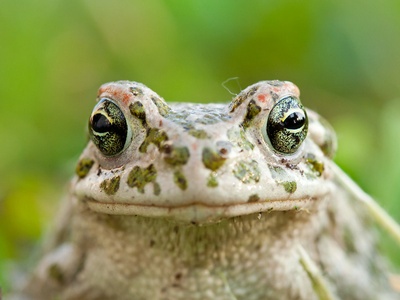
Green toad
Robust toad breeding in temporary freshwater pools after winter rains. Tolerant of disturbed habitats but reliant on breeding sites; monitored locally.
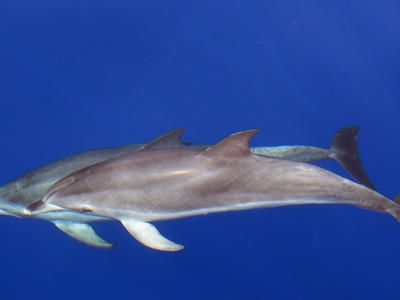
Common bottlenose dolphin
Familiar coastal dolphin seen in small groups hunting fish. Resident and transient populations in both seas; attracts wildlife-watching boats. Protected but impacted by fisheries and pollution.
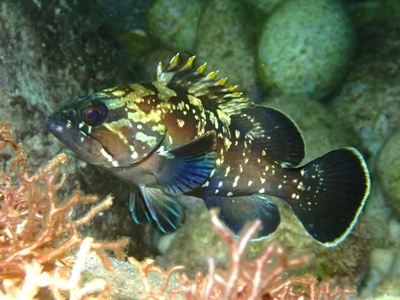
Dusky grouper
Large reef fish often occupying caves and rocky ledges. Slow‑growing and long‑lived; vulnerable to overfishing. Protected areas help local recovery of populations.
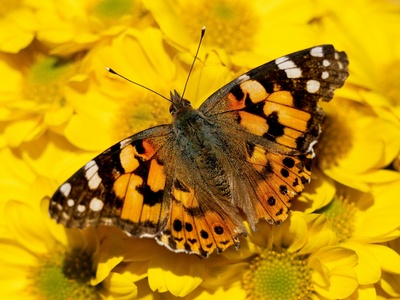
Painted lady butterfly
Widespread migratory butterfly that appears in large numbers during seasonal movements. Visits gardens and fields; not threatened and a familiar sign of migration pulses.
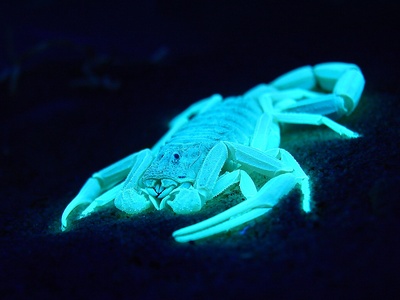
Deathstalker scorpion
Highly venomous desert scorpion active at night in arid habitats. Common in sandy and rocky deserts; caution advised. Important part of desert ecosystems and medically significant.
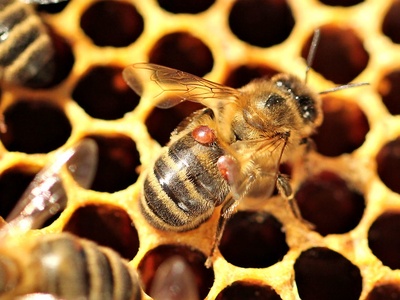
Western honey bee
Key pollinator of crops and wild plants, managed in hives but also feral. Active in warm months; conservation focuses on disease control and habitat for forage.