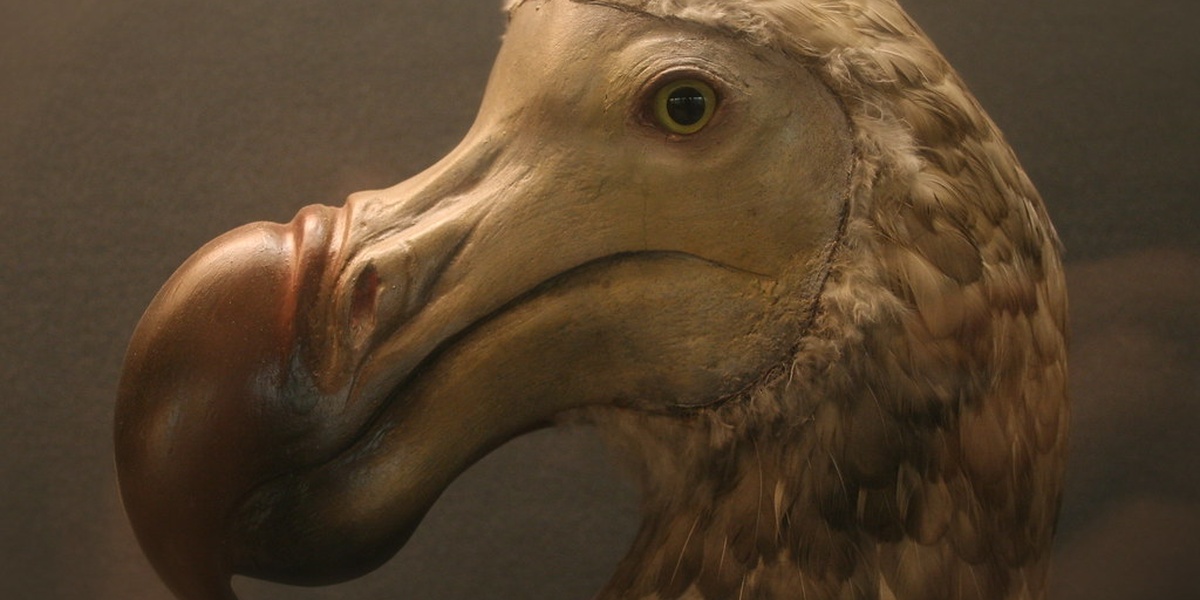
Mauritius is an island of rich habitats — from coral reefs and coastal cliffs to remnant forests and wetlands — that support a unique mix of wildlife. Its animals tell a story of isolation, human impact, and ongoing recovery efforts, so a quick overview helps make sense of what you can find here.
There are 35 Animals of Mauritius, ranging from Aldabra giant tortoise, White-tailed tropicbird to show the diversity of land and sea life. For each species you’ll find below the Scientific name,Status,Typical habitat/location so you can see where they live and how they’re faring, and use that at a glance when planning visits or research — you’ll find below.
Which species on Mauritius face the biggest threats?
Many native species are vulnerable due to habitat loss, invasive predators (rats, cats, pigs), and past overexploitation; island endemics are especially at risk because their ranges are small. Conservation programs focus on habitat restoration, predator control and captive breeding to stabilize populations, so look to the Status column for current risk levels and recent recovery actions.
Where are the best places to see these animals in the wild?
You can encounter wildlife in national parks, nature reserves, coastal bird colonies and marine protected areas; some species are only visible in restored forest patches or offshore islets. Follow local guidelines, join guided tours for better sightings and minimal disturbance, and check the Typical habitat/location column below to plan visits.
Animals of Mauritius
| Common name | Scientific name | Status | Typical habitat/location |
|---|---|---|---|
| Dodo | Raphus cucullatus | Extinct | Lowland forests and coastal plains (historic) |
| Mauritius kestrel | Falco punctatus | Endemic | Native forest, Black River Gorges |
| Echo parakeet | Psittacula eques | Endemic | Native evergreen forest fragments and islets |
| Pink pigeon | Nesoenas mayeri | Endemic | River gorges and native forest reserves |
| Mauritius blue pigeon | Alectroenas nitidissima | Extinct | Lowland native forest (historic) |
| Broad-billed parrot | Lophopsittacus mauritianus | Extinct | Lowland forest (historic) |
| Mauritius fody | Foudia rubra | Endemic | Forest edges, plantations, offshore islets |
| Olive white-eye | Zosterops chloronothos | Endemic | Coastal and mangrove forest fragments, islets |
| Mauritius bulbul | Hypsipetes olivaceus | Endemic | Native and secondary forests, plantations |
| Blue-tailed day gecko | Phelsuma cepediana | Endemic | Gardens, coastal vegetation, forest edges |
| Ornate day gecko | Phelsuma ornata | Native | Forests, plantations, gardens |
| Guimbeau’s day gecko | Phelsuma guimbeaui | Endemic | Lowland forest fragments and rocky outcrops |
| Mauritian flying fox | Pteropus niger | Native | Native forests and offshore islets |
| Small Mauritian flying fox | Pteropus subniger | Extinct | Native forests (historic) |
| Black rat | Rattus rattus | Introduced | Urban, agricultural, forests |
| Norway rat | Rattus norvegicus | Introduced | Ports, urban areas, farmland |
| House mouse | Mus musculus | Introduced | Human habitations and fields |
| Small Indian mongoose | Herpestes auropunctatus | Introduced | Lowland scrub, plantations, forests |
| Feral cat | Felis catus | Introduced | Urban, rural, forest edges |
| Feral pig | Sus scrofa | Introduced | Woodland, scrub, agricultural areas |
| Feral goat | Capra hircus | Introduced | Grasslands, degraded forests, hills |
| Aldabra giant tortoise | Aldabrachelys gigantea | Introduced | Nature reserves, offshore islets, rewilding sites |
| Green sea turtle | Chelonia mydas | Native | Seagrass beds and nesting beaches |
| Hawksbill turtle | Eretmochelys imbricata | Native | Coral reefs, nesting beaches |
| Common bottlenose dolphin | Tursiops truncatus | Native | Coastal waters and bays |
| Spinner dolphin | Stenella longirostris | Native | Offshore pelagic waters |
| Humpback whale | Megaptera novaeangliae | Native (seasonal) | Offshore migration routes and deeper waters |
| White-tailed tropicbird | Phaethon lepturus | Native | Sea cliffs, offshore islets, pelagic waters |
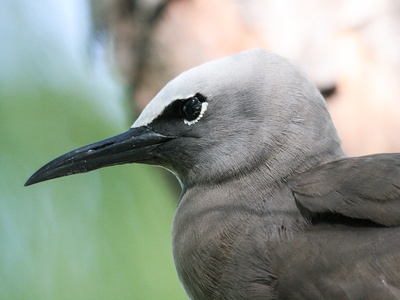
| Common noddy | Anous stolidus | Native | Offshore islets and coral reefs |
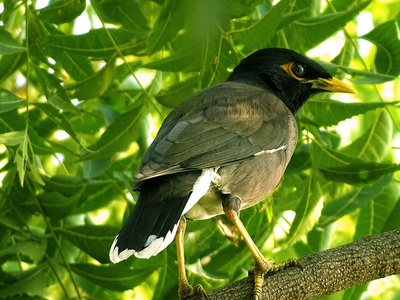
| Common myna | Acridotheres tristis | Introduced | Urban, agricultural, open habitats |
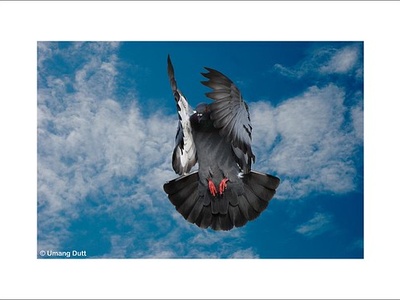
| Rock pigeon | Columba livia | Introduced | Urban areas, ports, cliffs |
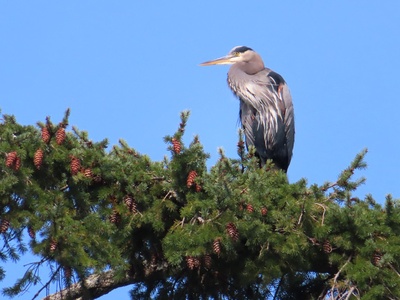
| Grey heron | Ardea cinerea | Native | Wetlands, lagoons, coastal marshes |
| Reef heron (Eastern reef egret) | Egretta sacra | Native | Rocky shores, reefs, tidal flats |
| Barn owl | Tyto alba | Native | Open woodlands, farmland, buildings |
| Mauritius shrew (historical) | Suncus murinus? (historic record uncertain) | Extinct? (historical records uncertain) | Woodland and human habitations (historic) |
Images and Descriptions
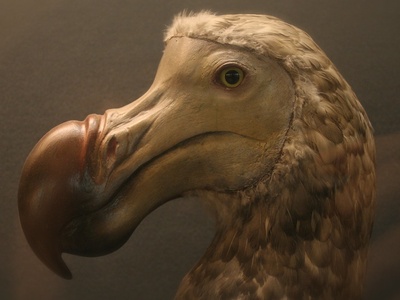
Dodo
A famously extinct, flightless pigeon-like bird about 1 m tall, endemic to Mauritius. It vanished after human arrival and introduced animals; its loss symbolizes island extinctions and the fragility of isolated ecosystems.

Mauritius kestrel
A small raptor about 25–35 cm, once reduced to single digits but recovered via intensive conservation. Hunts lizards and small birds; a flagship success story found in forest clearings and reserve edges.
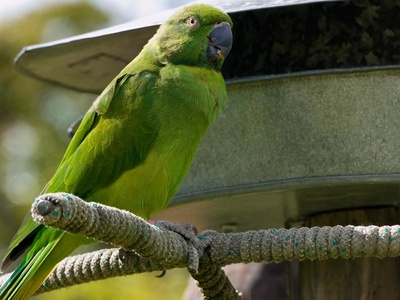
Echo parakeet
A striking green parrot about 35–40 cm with noisy calls; once perilously rare but boosted by captive-breeding. Endemic to Mauritius, found in remnant forests and offshore islets, symbolizing recovery efforts.
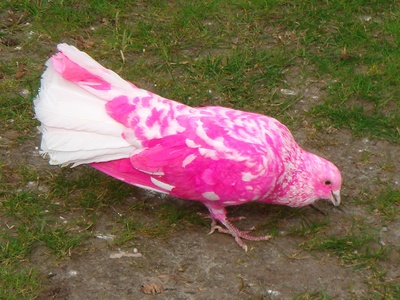
Pink pigeon
A chunky, rosy-pink pigeon around 40–45 cm, endemic and once critically low in numbers. Conservation breeding and habitat protection have helped populations rebound; listen for its soft cooing in protected forests.
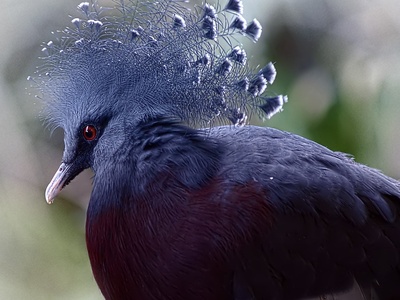
Mauritius blue pigeon
A glossy, deep-blue forest pigeon roughly 25–30 cm, endemic to Mauritius. Driven to extinction by hunting and habitat loss shortly after human settlement; known from travelers’ accounts and subfossil remains.
Broad-billed parrot
A large endemic parrot around 50 cm with a powerful bill for cracking seeds. Extinct from hunting and deforestation; a remarkable lost species known from museum specimens and historical descriptions.
Mauritius fody
A small finch-like bird about 12–14 cm with red male plumage; endangered and endemic. Common in edge habitats and islets; threatened by habitat loss and introduced predators, subject to active conservation.
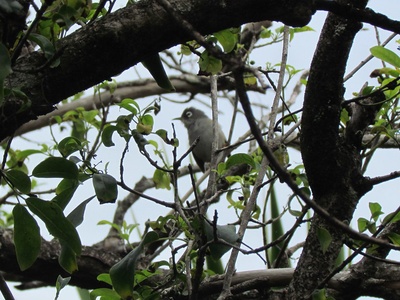
Olive white-eye
A tiny olive-green bird about 10–12 cm, critically endangered and restricted to a few coastal fragments and islets. Vocal and active, it’s a high conservation priority for predator control and habitat protection.
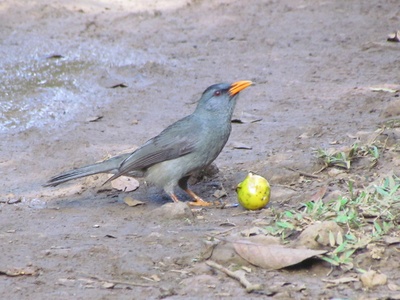
Mauritius bulbul
A medium-sized brown bulbul around 20–24 cm, endemic and common in native and disturbed forests. Notable for loud calls; faces habitat pressures but remains one of the island’s familiar forest birds.
Blue-tailed day gecko
A bright green day gecko 12–15 cm with a vivid blue tail and red markings; diurnal and common on trees and buildings. Active insectivore and pollinator, easily spotted across Mauritius.
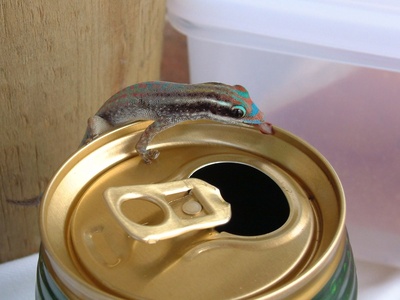
Ornate day gecko
An active, slender day gecko about 12–16 cm with red spotting and iridescent green body. Native to Mauritius, frequently seen on trunks and walls, helping control insects during daylight hours.
Guimbeau’s day gecko
A relatively large day gecko up to 20 cm, endemic and threatened by habitat loss. Noted for vivid head and body patterns; prefers native vegetation and rocky areas.
Mauritian flying fox
A large fruit bat with a wingspan near 1 m, an important pollinator and seed disperser. Populations fluctuate and face conflict with farmers; protected but the subject of controversial management actions.
Small Mauritian flying fox
A smaller fruit bat once found on Mauritius, extinct due to hunting and habitat loss in the late 19th–early 20th century. Its disappearance reduced native seed dispersal and altered forest regeneration.
Black rat
A small invasive rodent 15–25 cm body length, now widespread across Mauritius. Predates bird eggs, reptiles and invertebrates; a major driver of native fauna declines and central to pest-control programs.
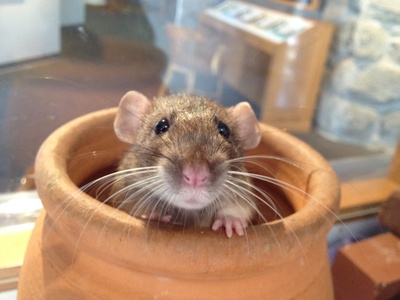
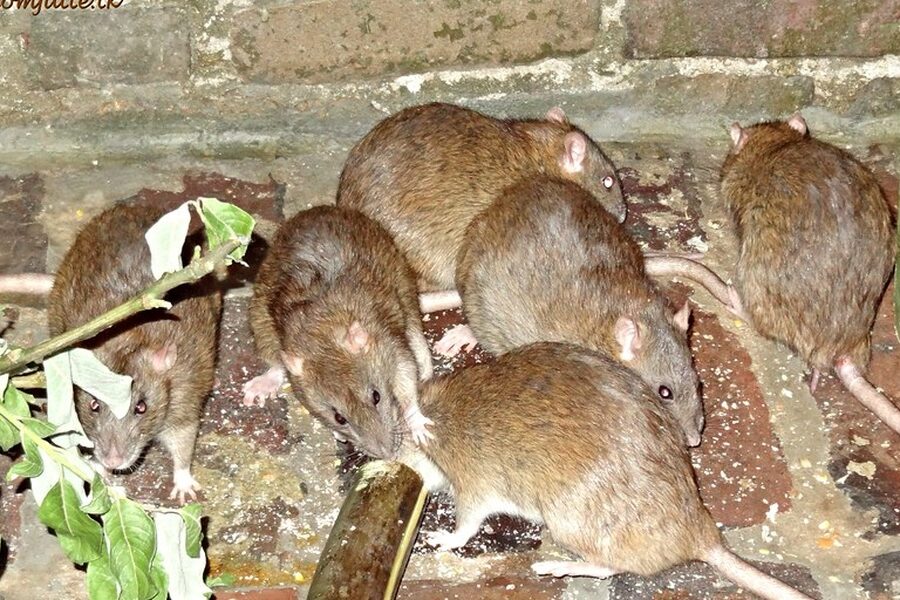
Norway rat
A robust introduced rodent frequenting human areas and farms. Competes with native fauna and spreads disease; control is important for protecting island biodiversity and agriculture.
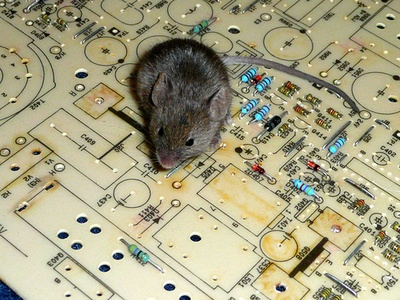
House mouse
A tiny, ubiquitous rodent that persists wherever humans live; impacts stored food and can affect native invertebrates. Common and resilient, part of Mauritius’s introduced mammal suite.
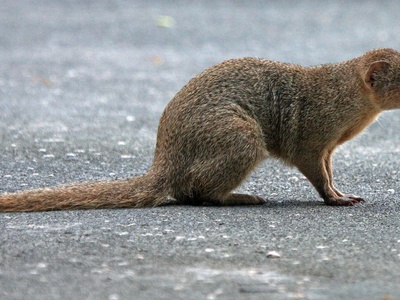
Small Indian mongoose
A small carnivorous mammal 40–60 cm, introduced to control rodents. Now an invasive predator on nests and reptiles, widely distributed and a major conservation concern for ground-nesting birds.
Feral cat
Domesticated cats that live wild; medium-sized predators preying on birds, reptiles and small mammals. Significant threat to endangered species, targeted by control programs on reserves.
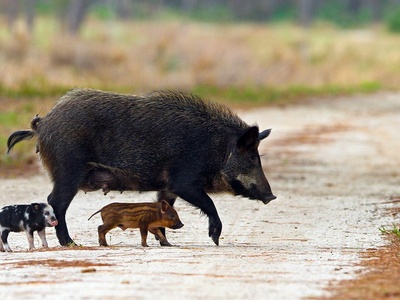
Feral pig
A medium-large omnivore rooting soils and disturbing nesting sites, harming vegetation and native fauna. Introduced historically and managed in many areas to reduce ecological damage.
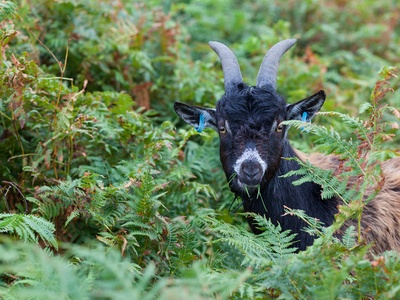
Feral goat
Feral goats browse and trample vegetation, driving erosion and preventing native forest regeneration. Their impacts are severe in degraded landscapes and require population control for restoration.
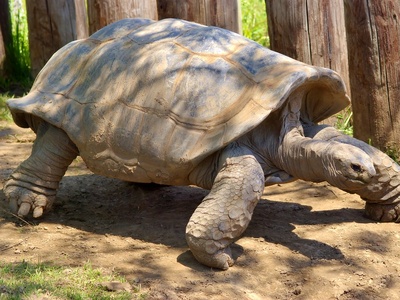
Aldabra giant tortoise
A very large tortoise up to 1 m shell length, introduced to restore ecological roles of extinct tortoises. Gentle herbivore used in rewilding to help seed dispersal and vegetation structure.
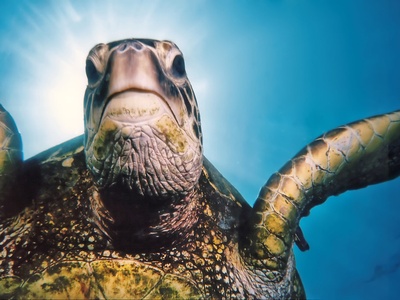
Green sea turtle
A large sea turtle up to ~1 m carapace length that nests on Mauritian beaches and grazes seagrass. Vulnerable to bycatch and coastal threats; active nesting protection programs exist.
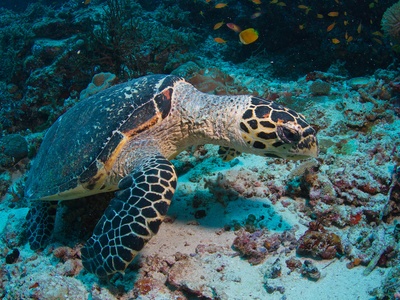
Hawksbill turtle
A medium sea turtle 70–90 cm, strongly associated with coral reefs and nesting shores. Critically endangered from historic shell trade; important for reef health and conservation efforts.
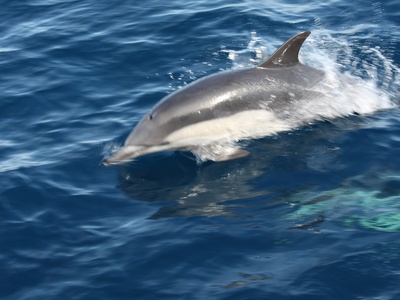
Common bottlenose dolphin
A robust dolphin up to 3–4 m, often seen near boats and shorelines. Playful and charismatic, important for marine tourism and local ecosystems; commonly encountered on boat trips.
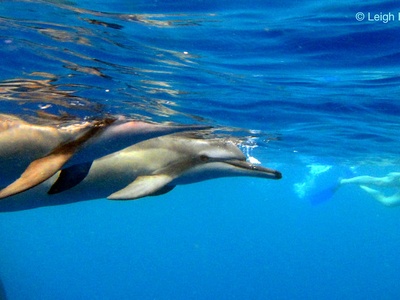
Spinner dolphin
A slim, acrobatic dolphin frequently seen in large groups offshore. Known for spinning leaps and often encountered on pelagic trips; contributes to Mauritius’s rich marine life.
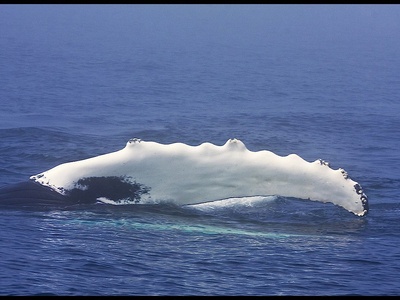
Humpback whale
A large migratory baleen whale reaching 12–16 m, seasonally passing Mauritius waters during migrations. Noted for breaches and tail slaps; protected and a draw for whale-watching.
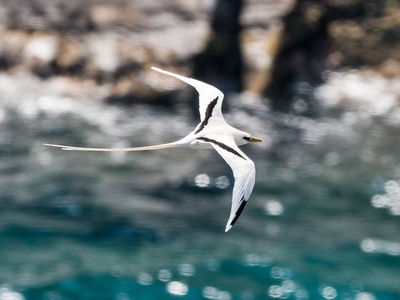
White-tailed tropicbird
An elegant white seabird about 60–70 cm with long tail streamers, nests on cliffs and islets. Striking and often seen offshore, popular with pelagic birdwatchers.
Common noddy
A dark tern-like seabird about 30–35 cm, nests en masse on islets and coral outcrops. Common in coastal waters and important to island seabird communities.
Common myna
A noisy, adaptable starling about 23–25 cm, highly invasive across Mauritius. Competes with native birds for nest sites and food, prominent in towns and farmlands.
Rock pigeon
The familiar urban pigeon common throughout Mauritius, introduced and thriving around buildings and ports. Variable plumage, nests on ledges and often mistaken for native pigeons.
Grey heron
A tall wading bird about 90–100 cm, common in wetlands and coastal lagoons hunting fish and amphibians. Widely seen along waterways and estuaries across Mauritius.
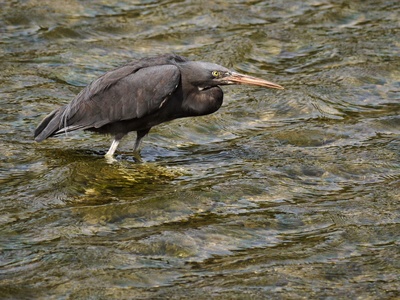
Reef heron (Eastern reef egret)
A shorebird about 55–65 cm, variable in color, often seen hunting on rocky coasts and tidal flats. Adapted to intertidal feeding and frequent on Mauritius’ shoreline habitats.
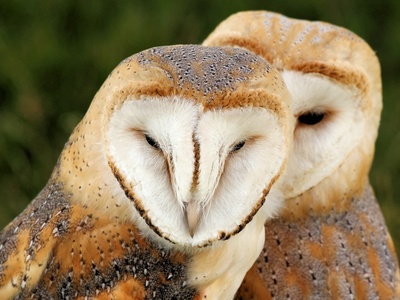
Barn owl
A medium nocturnal owl about 33–39 cm with heart-shaped face, preying on rodents and small vertebrates. Widespread and often roosting in buildings and trees; useful for natural rodent control.
Mauritius shrew (historical)
A small insectivorous shrew historically recorded on Mauritius; records are scarce and its status is uncertain, often cited in older accounts of introduced small mammals.