Monaco’s tiny coastline packs surprising wildlife into a compact, mostly urban landscape. Between rocky headlands, marinas and a narrow beach strip you can encounter both sea and shore species without traveling far — a useful intro for anyone curious about local nature.
There are 31 Animals of Monaco, ranging from Bottlenose dolphin to Yellow-legged gull. For each entry you’ll find below the data organized as: Scientific name,Size (cm),Where seen (Monaco), so you can quickly scan identification, typical size and spotting locations you’ll find below.
Where are you most likely to see Bottlenose dolphins near Monaco?
Bottlenose dolphins are usually spotted offshore in the Bay of Monaco and around Cap d’Ail, often in small groups; early morning boat trips or watching from coastal viewpoints on clear days gives the best chance. Keep distance, avoid disturbance, and check local boat operators or community sighting reports for recent activity.
Are any of the Animals of Monaco protected or monitored?
Yes — several marine and bird species found around Monaco are covered by regional conservation measures and monitoring programs, and local organizations collect sightings to track populations; if you observe an unusual or injured animal, contact local wildlife authorities or conservation groups so professionals can respond.
Animals of Monaco
| Name | Scientific name | Size (cm) | Where seen (Monaco) |
|---|---|---|---|
| Yellow-legged gull | Larus michahellis | 55 cm | Ports, sea walls, coastal cliffs |
| Rock pigeon | Columba livia | 32 cm | City squares, terraces, harbour |
| House sparrow | Passer domesticus | 16 cm | Gardens, cafes, hedgerows |
| Common starling | Sturnus vulgaris | 20 cm | Parks, roost sites, evening flocks |
| European robin | Erithacus rubecula | 14 cm | Shady gardens, green terraces |
| Common swift | Apus apus | 16 cm | Overhead in summer, urban canyons |
| Great cormorant | Phalacrocorax carbo | 80 cm | Harbour, rocky shorelines, breakwaters |
| Little egret | Egretta garzetta | 55 cm | Coastal rocks, harbour edges, wetlands |
| Common tern | Sterna hirundo | 33 cm | Coastal waters, summer offshore |
| Sandwich tern | Thalasseus sandvicensis | 40 cm | Offshore waters, summer |
| European shag | Phalacrocorax aristotelis | 68 cm | Rocky headlands, reefs, nearshore waters |
| Bottlenose dolphin | Tursiops truncatus | 250-380 cm | Offshore, best by boat year-round |
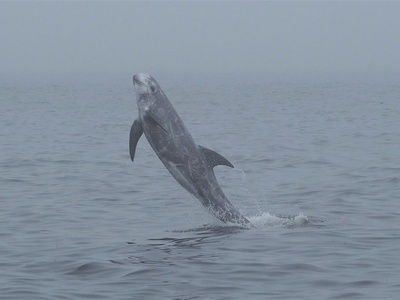
| Risso’s dolphin | Grampus griseus | 300-400 cm | Offshore deeper waters |
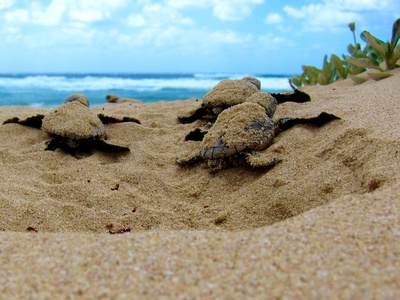
| Loggerhead turtle | Caretta caretta | 70-100 cm | Nearshore waters, occasional strandings |
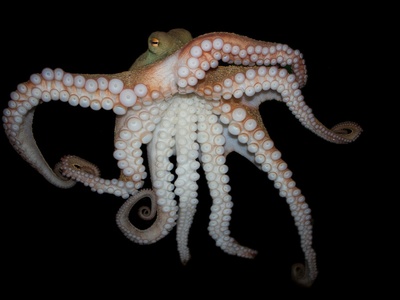
| Common octopus | Octopus vulgaris | 100 cm | Rocky reefs, crevices, shallow seabeds |
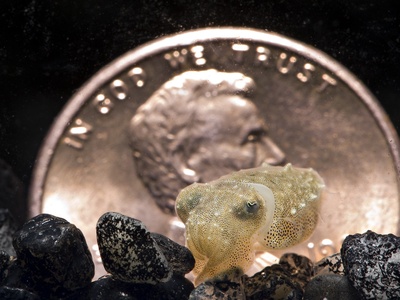
| Common cuttlefish | Sepia officinalis | 30-40 cm | Shallow coastal waters, sandy/rocky mix |
| Mediterranean moray | Muraena helena | 80-150 cm | Rocky crevices, scuba diving sites |
| Dusky grouper | Epinephelus marginatus | 80 cm | Rocky reefs, marine protected patches |
| European seabass | Dicentrarchus labrax | 70 cm | Coastal waters, estuaries, harbours |
| European anchovy | Engraulis encrasicolus | 12 cm | Near-surface shoals, coastal waters |
| European pilchard | Sardina pilchardus | 20 cm | Coastal shoals, feeding frenzies |
| Common sole | Solea solea | 60 cm | Sandy bottom nearshore, shallow waters |
| Red scorpionfish | Scorpaena scrofa | 35 cm | Rocky seabed, crevices, scuba sites |
| Mauve stinger jellyfish | Pelagia noctiluca | 12 cm | Surface waters, summer blooms |
| Italian wall lizard | Podarcis siculus | 20 cm | Walls, gardens, rocky slopes |
| Common pipistrelle | Pipistrellus pipistrellus | 22 cm wingspan | Evenings over parks, buildings |
| European blackbird | Turdus merula | 25 cm | Gardens, wooded pockets, parks |
| Brown rat | Rattus norvegicus | 30 cm body | Urban sewers, harbours, waste areas |
| Purple sea urchin | Paracentrotus lividus | 8 cm | Rocky intertidal and shallow subtidal zones |
| Rock goby | Gobius paganellus | 10 cm | Tide pools, shallow rocky shorelines |
| Painted comber | Serranus scriba | 25 cm | Rocky reefs, seagrass edges |
Images and Descriptions
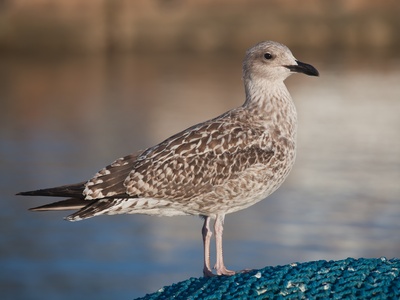
Yellow-legged gull
Large coastal gull common year-round around Monaco; scavenger and bold near people. Noticeable yellow legs and loud calls. Population stable but monitored due to urban nuisance and marine plastic ingestion concerns.
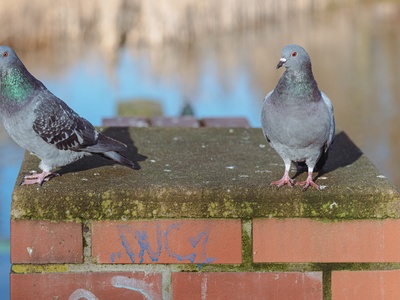
Rock pigeon
Feral urban pigeon derived from wild rock doves. Very common around Monaco’s buildings and promenades. Harmless but ubiquitous; interesting for urban ecology studies and feral population dynamics.
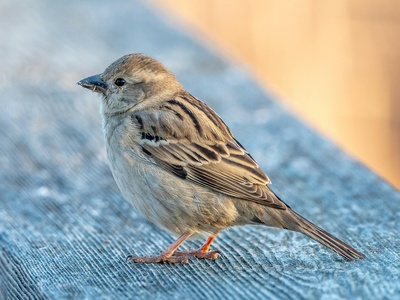
House sparrow
Small, social bird of urban areas; common around people and feeders. Breeds in buildings and green pockets. Population trends monitored in Europe; an easy species for beginners to spot.
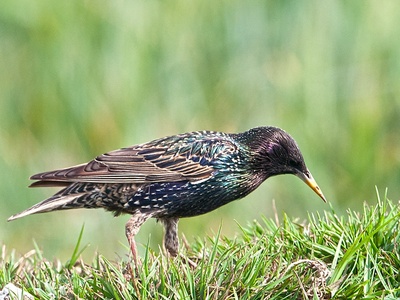
Common starling
Glossy black passerine with iridescent plumage and a noisy repertoire. Forms dramatic flocks seasonally. Common in Monaco’s parks and gardens; susceptible to large-scale declines elsewhere.
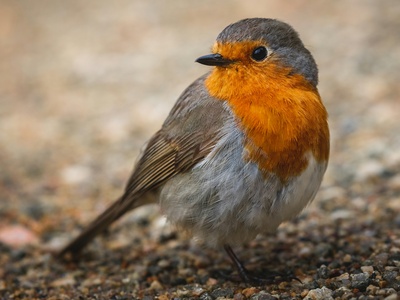
European robin
Familiar small songbird with orange-red breast. Resident or short-distance migrant, often tame in parks. Beloved by locals for bold behaviour at close range.
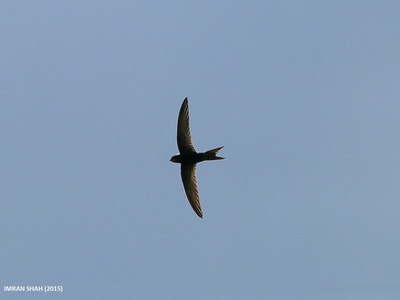
Common swift
Aerial specialist seen in summer months; nests in building crevices. Spends most life on wing, feeding on flying insects. Arrival and departure mark local spring and autumn migration.
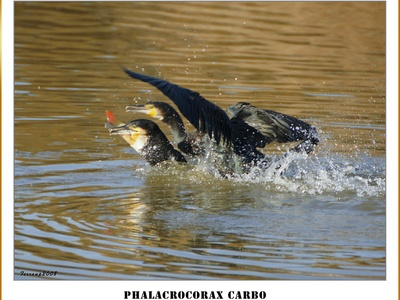
Great cormorant
Large black waterbird that dives for fish; often perches drying wings. Resident and a regular sight along Monaco’s coastline. Fisheries interactions monitored in the region.
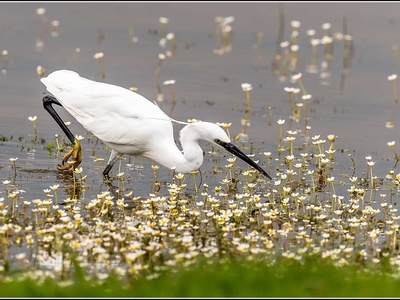
Little egret
Slender white heron seen hunting small fish in shallow water. More common since recovering populations. Elegant profile and black legs with yellow feet make it distinctive.

Common tern
Slim, agile seabird seen in warm months patrolling nearshore for small fish. Nesting rare on the Riviera but commonly observed feeding over Monaco waters.
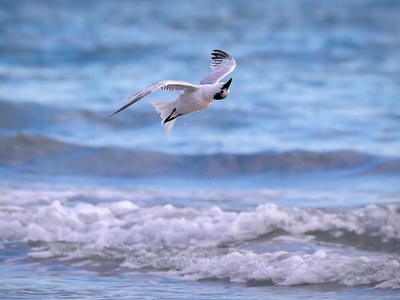
Sandwich tern
Large tern with black bill and crest, seen in summer feeding over open water. Often in small flocks offshore; attractive to coastal birdwatchers during migration.
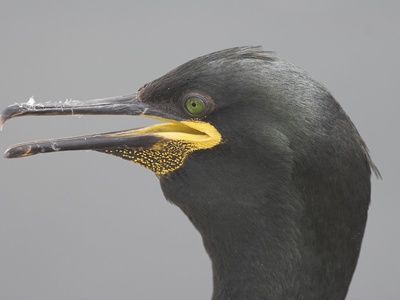
European shag
Smaller, dark cormorant of rocky coasts; dives for fish close to shore. Observed around Monaco’s rocky seabed and cliffs by boat and from shore.
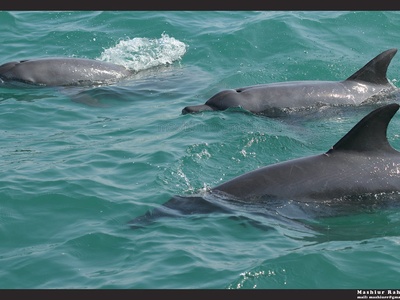
Bottlenose dolphin
Robust, familiar dolphin frequently recorded in Monaco’s territorial waters. Social and often visible in small groups; a highlight for boat-based wildlife trips. Conservation focus: bycatch and marine noise.
Risso’s dolphin
Large, grey-to-white-scarred dolphin seen offshore, often in deeper water than bottlenose. Distinctive bulbous head and dramatic scar patterns from squid prey.
Loggerhead turtle
Large sea turtle that occasionally appears in Monaco’s waters or strands onshore. Migratory and vulnerable; sightings draw conservation attention and rescue responses.
Common octopus
Intelligent, solitary cephalopod common on rocky bottoms near Monaco. Notable for problem-solving, camouflage and short life cycle. Popular with divers and studied for behaviour.
Common cuttlefish
Coastal cephalopod with broad cuttlebone, excellent camouflage and seasonal breeding aggregations. Seen by divers and targeted occasionally by small-scale fisheries.
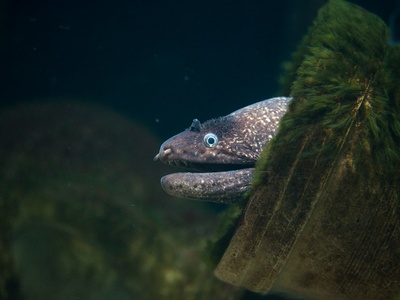
Mediterranean moray
Long, eel-like predator that hides in crevices; more active at night. Seldom aggressive if unprovoked but powerful bite possible. A classic rocky-reef species for divers.
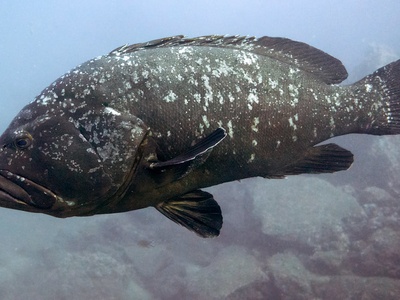
Dusky grouper
Large, slow-growing reef fish dependent on rocky habitat. Locally important and vulnerable to overfishing; occasional individuals observed by divers near Monaco.
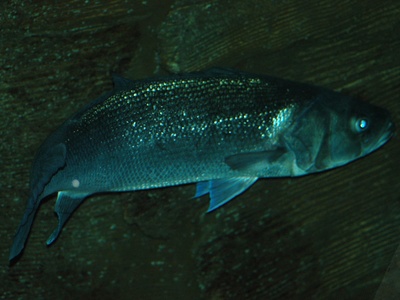
European seabass
Popular coastal predator found nearshore. Juveniles in sheltered areas and adults in open water. Valued by anglers and monitored by fisheries management.

European anchovy
Small schooling forage fish that drives marine food webs offshore Monaco. Seasonal shoals attract seabirds and predators; important commercially across the Mediterranean.
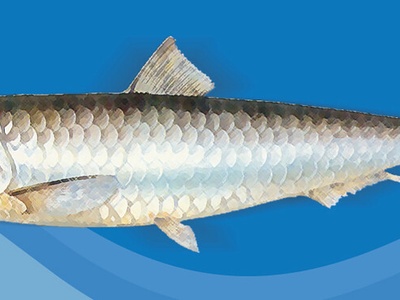
European pilchard
Common small pelagic that forms large shoals along the Riviera. Key forage species for fish, birds and dolphins; seasonal patterns influence local fisheries.
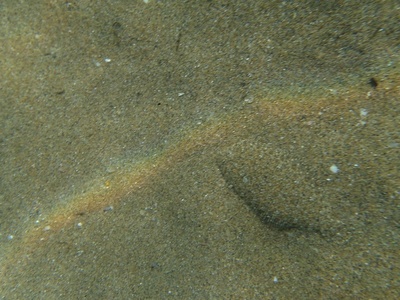
Common sole
Flattened bottom-dwelling fish camouflaged on sand; targeted by anglers and trawlers. Present offshore Monaco; inspections note seasonal movements.

Red scorpionfish
Well-camouflaged ambush predator with venomous spines. Common on Mediterranean rocky reefs; watchful divers spot its mottled shape and fierce face.
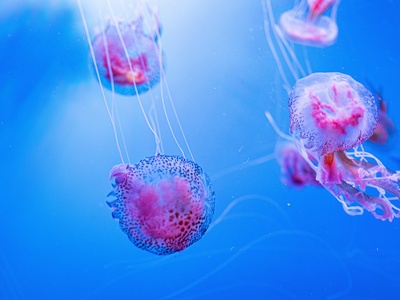
Mauve stinger jellyfish
Small, pinkish jellyfish causing occasional summer blooms and stings. Appears in warm months and can concentrate inshore after currents shift; monitored for public safety.
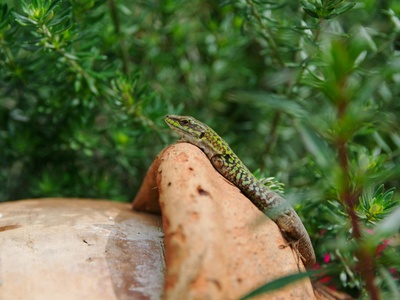
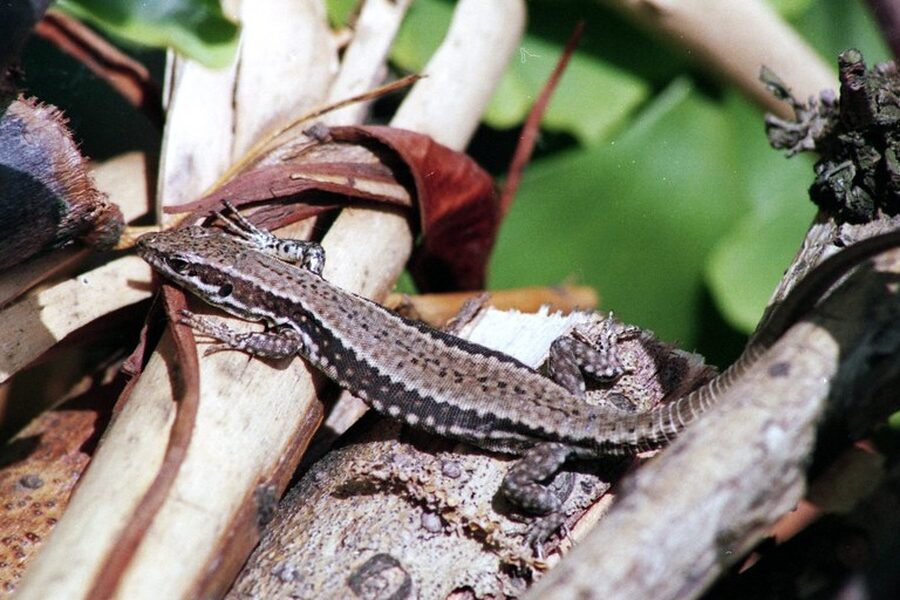
Italian wall lizard
Active, diurnal lizard common on Mediterranean walls and gardens. Often seen sunning on rocks or darting into vegetation. Thrives in urban and semi-natural habitats.
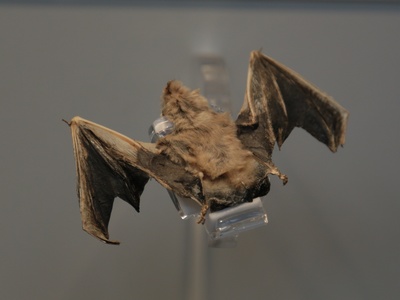
Common pipistrelle
Small, common bat active at dusk, feeding on insects above gardens and promenades. Readily detected by bat surveyors using ultrasound detectors; roosts in buildings and trees.
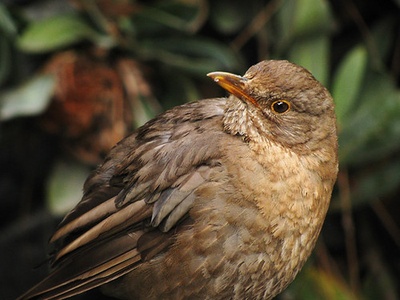
European blackbird
Familiar dark songbird with melodious song. Resident or partial migrant; often seen foraging on lawns and in shrubbery throughout Monaco’s green spaces.
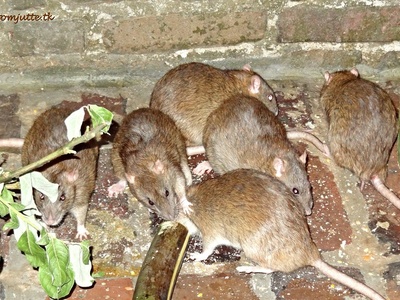
Brown rat
Common synanthropic mammal thriving in urban environments. Usually nocturnal and wary; relevant for urban ecology and public-health monitoring.
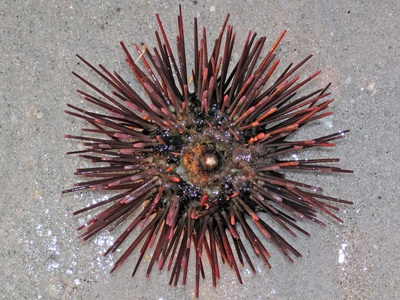
Purple sea urchin
Common Mediterranean urchin found on rocks and seagrass patches. Influences algal cover and reef ecology; frequent sight for snorkelers and divers.
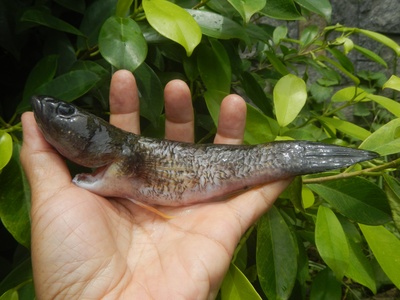
Rock goby
Small, cryptic fish living among rocks and pools. Often overlooked but common in the littoral zone; interesting to tidepool explorers and snorkelers.

Painted comber
Colorful small serranid fish seen by divers on rocky bottoms. Displays vertical stripes and a curious behaviour; common subject of underwater photography.