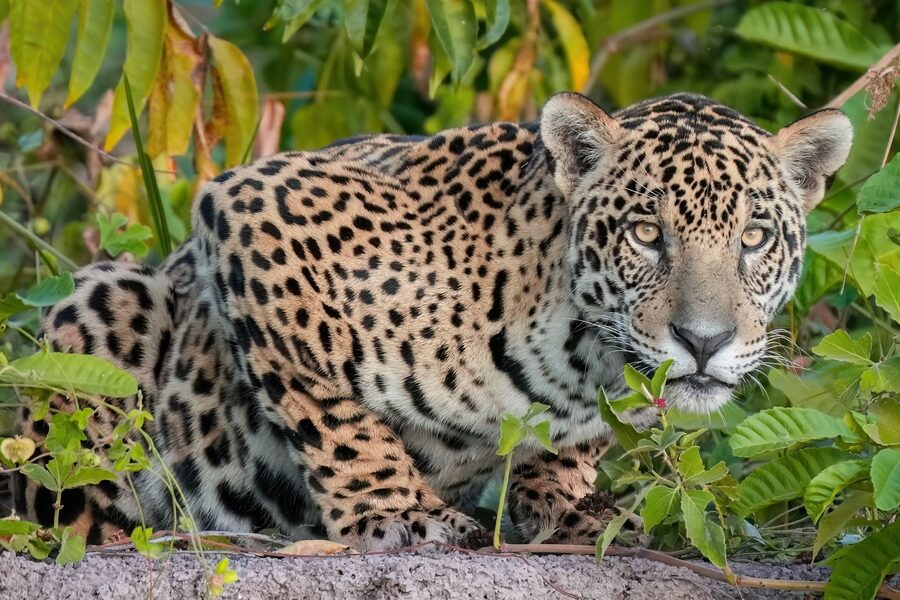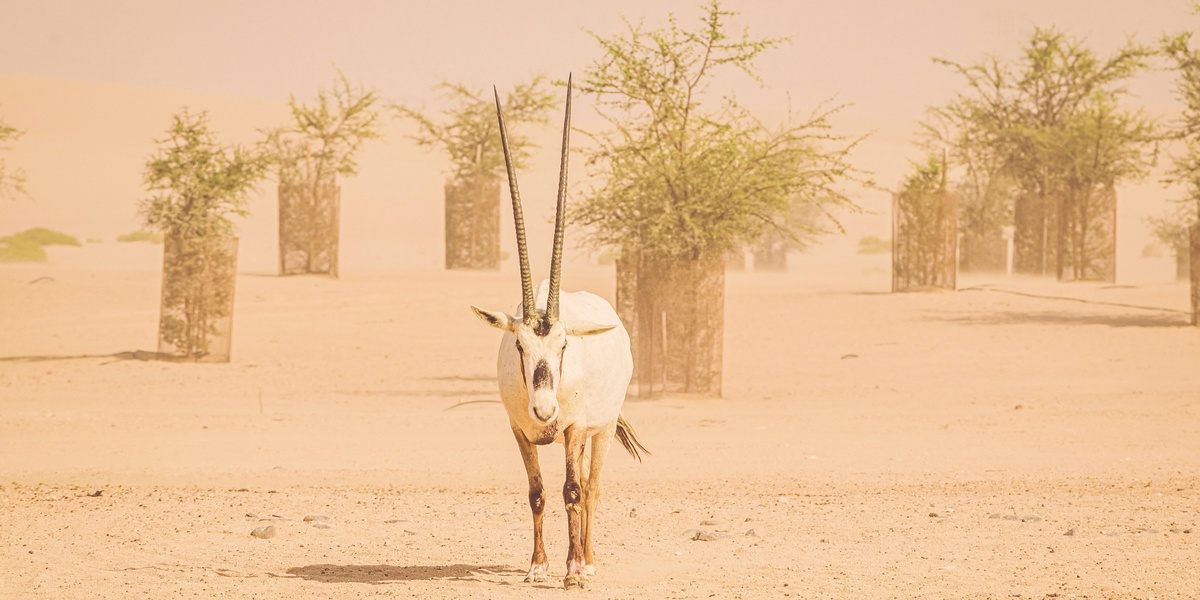
Oman’s landscapes — from rocky Hajar peaks and windswept deserts to coral-fringed coasts and monsoon-fed wadis — support a surprising mix of wildlife. Whether you’re exploring a Dhofar plain, snorkeling off the coast, or driving a mountain track, the animal life you spot reflects those varied habitats and seasonal shifts.
There are 37 Animals of Oman, ranging from the Arabian cobra to the Yellow-bellied sea snake. For each entry, you’ll find below the Scientific name,Category,Where found, so you can quickly see what the species is, how it’s classified, and where it’s typically observed — you’ll find below.
Where in Oman are these animals most likely to be seen?
Look for different groups in their preferred zones: coastal and marine species around Musandam, the Arabian sea coast and coral reefs; endemic and mountain species in the Hajar range; migratory and desert-adapted animals across the interior and Dhofar during khareef. Early morning or late afternoon increases sightings; local guides and protected areas improve chances and reduce disturbance.
How should visitors handle encounters with venomous species like cobras or sea snakes?
Keep distance, avoid touching or provoking any snake, and wear sturdy shoes in rough terrain. If you plan coastal activities, use a guide who knows local risks; in case of a bite, seek immediate medical attention at the nearest hospital (do not rely on home remedies).
Animals of Oman
| Name | Scientific name | Category | Where found |
|---|---|---|---|
| Arabian tahr | Arabitragus jayakari | Mammal | Hajar Mountains, Jebel Akhdar |
| Arabian oryx | Oryx leucoryx | Mammal | Central deserts, Al Wusta reserve, Wahiba Sands |
| Arabian leopard | Panthera pardus nimr | Mammal | Dhofar mountains, remote wadis (very rare) |
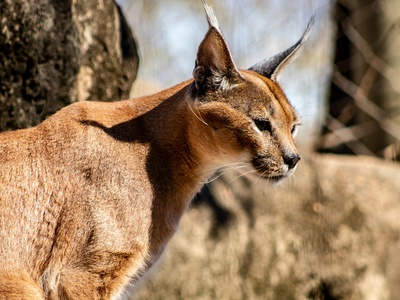
| Caracal | Caracal caracal | Mammal | Mountains, wadis, scrublands nationwide |
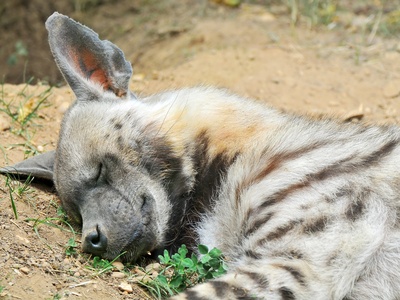
| Striped hyena | Hyaena hyaena | Mammal | Interior deserts, Dhofar foothills, wadis |
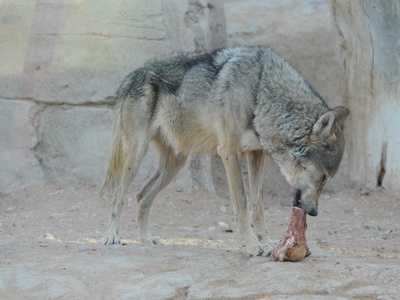
| Arabian wolf | Canis lupus arabs | Mammal | Desert plains, mountains, remote wadis |
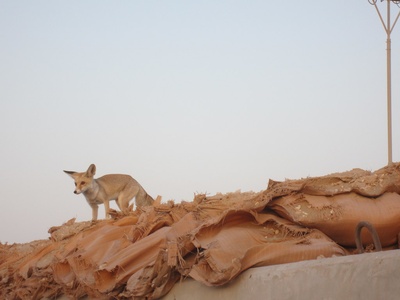
| Rüppell’s fox | Vulpes rueppellii | Mammal | Deserts, sand dunes, gravel plains |
| Blanford’s fox | Vulpes cana | Mammal | Rocky mountains, Hajar, Dhofar cliffs |
| Dorcas gazelle | Gazella dorcas | Mammal | Wahiba Sands, dunes, open deserts |
| Sand gazelle | Gazella marica | Mammal | Coastal plains, desert fringes, southern dunes |
| Indian hedgehog | Paraechinus aethiopicus | Mammal | Omani plains, wadis, gardens at night |
| Egyptian fruit bat | Rousettus aegyptiacus | Mammal | Dhofar fruiting trees, caves, coastal palms |
| Lesser mouse-tailed bat | Rhinopoma hardwickii | Mammal | Caves, old buildings, wadis nationwide |
| Dugong | Dugong dugon | Marine | Al Wusta coast, Masirah Island, Dhofar bays |
| Spinner dolphin | Stenella longirostris | Marine | Offshore waters, Masirah, Musandam trips |
| Indo-Pacific bottlenose dolphin | Tursiops aduncus | Marine | Coastal waters, bays, Muscat, Masirah |
| Sperm whale | Physeter macrocephalus | Marine | Deep offshore waters, Arabian Sea |
| Whale shark | Rhincodon typus | Fish | Dhofar coast, Masirah, southern shelf (seasonal) |
| Napoleon wrasse | Cheilinus undulatus | Fish | Coral reefs, Daymaniyat Islands, southern reefs |
| Green turtle | Chelonia mydas | Reptile | Ras Al Jinz, Masirah, coastal nesting beaches |
| Hawksbill turtle | Eretmochelys imbricata | Reptile | Coral reefs, nesting bays in Dhofar and Masirah |
| Loggerhead turtle | Caretta caretta | Reptile | Masirah Island nesting beaches, coastal waters |
| Sooty falcon | Falco concolor | Bird | Masirah Island, coastal cliffs, islands |
| Osprey | Pandion haliaetus | Bird | Coastal lagoons, estuaries, rocky shores |
| Egyptian vulture | Neophron percnopterus | Bird | Mountains, coastal cliffs, desert wadis |
| Houbara bustard | Chlamydotis undulata | Bird | Open desert plains, gravel plains, sand flats |
| Chukar partridge | Alectoris chukar | Bird | Hajar slopes, terraced mountains, rocky hills |
| Spiny-tailed lizard (Dhub) | Uromastyx aegyptia | Reptile | Desert plains, rocky outcrops, wadis |
| Desert monitor | Varanus griseus | Reptile | Sand plains, rocky deserts, wadis |
| Arabian cobra | Naja arabica | Reptile | Dhofar plains, coastal scrub, wadis |
| Saw-scaled viper | Echis carinatus | Reptile | Sandy plains, rocky deserts, dry wadis |
| Yellow-bellied sea snake | Pelamis platura | Reptile | Open ocean, offshore currents, driftline waters |
| Desert locust | Schistocerca gregaria | Insect | Wahiba Sands, coastal plains, breeding areas |
| White-cheeked tern | Sterna repressa | Bird | Rocky coasts, islands, lagoons, Masirah |
| Hooded wheatear | Oenanthe monacha | Bird | Rocky deserts, mountain slopes, gravel plains |
| Sooty gull | Ichthyaetus hemprichii | Bird | Coastal shores, tidal flats, islands, estuaries |
| Napoleon wrasse | Cheilinus undulatus | Fish | Coral reefs, southern coast, Daymaniyat Islands |
Images and Descriptions

Arabian tahr
Stocky mountain goat, chestnut-brown coat with shaggy mane and curved horns. Timid climber, feeds on grasses and shrubs. Endangered and localized; best seen on early morning hikes in Jebel Akhdar and steep Hajar slopes.
Arabian oryx
Striking white antelope with long straight horns and dark face markings. Diurnal grazer adapted to arid climates. Reintroduced after extinction in wild; Vulnerable. Look for small herds on desert plains and protected reserves at dawn or dusk.
Arabian leopard
A compact, patterned big cat with rosettes; extremely elusive. Critically Endangered with tiny, fragmented populations. Sightings are exceptional; best chance is remote southern mountains and reports from conservationists rather than casual trips.
Caracal
Medium-sized cat with tufted ears and reddish coat; powerful hunter that leaps for birds. Secretive but sometimes seen at dusk. Conservation status Least Concern, though locally rare; check rugged wadis and cliffs at dawn/dusk.
Striped hyena
Large, coarse-coated scavenger with vertical stripes and dog-like build. Nocturnal, crepuscular; feeds on carrion and small prey. Near Threatened and shy; best seen on night drives or by roadside sightings in remote interior regions.
Arabian wolf
Smaller subspecies of grey wolf with pale coat; social but secretive. Rare and persecuted; locally threatened. Look for tracks and occasional sightings in remote desert and mountainous areas, often at dawn or dusk.
Rüppell’s fox
Small, pale desert fox with large ears and delicate features. Nocturnal insectivore and small-prey hunter. Generally Least Concern; can be spotted at night near wadis and sheltered desert edges.
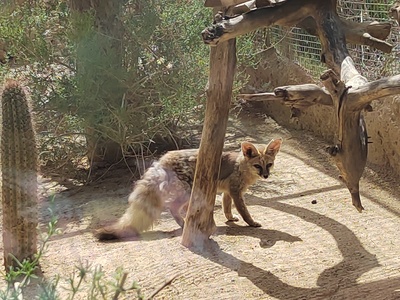
Blanford’s fox
Small, agile fox with bushy tail and large ears, adapted to cliffs and caves. Nocturnal and secretive; feeds on insects and fruit. Rare but locally regular in rocky Hajar canyons at night.
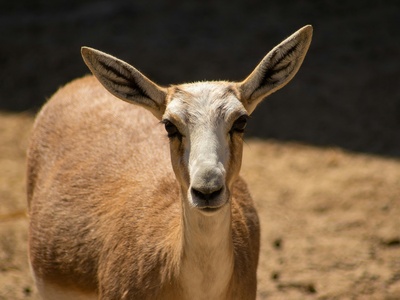
Dorcas gazelle
Slender, sandy-colored gazelle with graceful horns. Active at cooler hours, browsers and grazers. Locally threatened by hunting and habitat loss; best seen in dune landscapes and protected desert areas early morning or late afternoon.
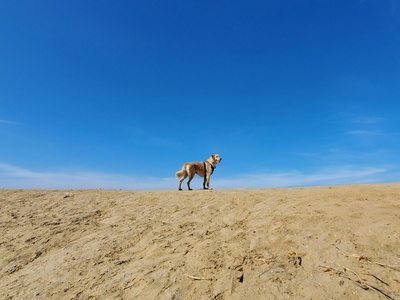
Sand gazelle
Medium-sized gazelle with pale coat and curved horns. Adapted to sandy habitats and arid scrub. Vulnerable in parts of range; visible in protected reserves and quieter desert areas away from roads.
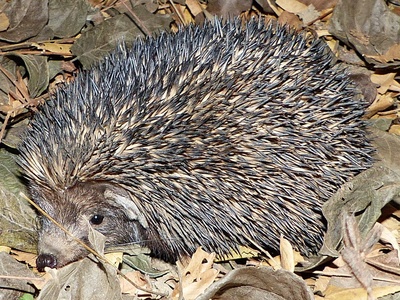
Indian hedgehog
Small spiny mammal, rounded body with short legs and snout. Nocturnal insectivore that curls into a ball when threatened. Least Concern; often encountered on night walks near villages and desert camps.
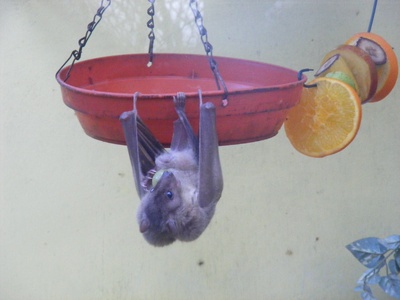
Egyptian fruit bat
Medium fruit bat with fox-like face and large eyes; feeds on figs and fruit. Roosts in caves and palms; important seed disperser. Least Concern; common around Dhofar’s monsoon-fed vegetation at dusk.
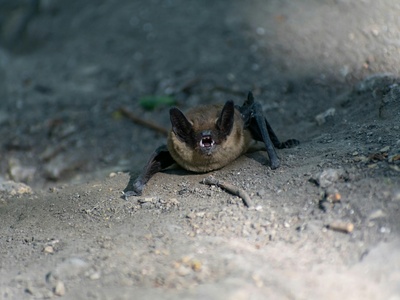
Lesser mouse-tailed bat
Slender bat with a long thin tail and narrow wings; insect-eating and crepuscular. Roosts in colonies in caves and old structures. Generally Least Concern; look for evening emergence at cave mouths.
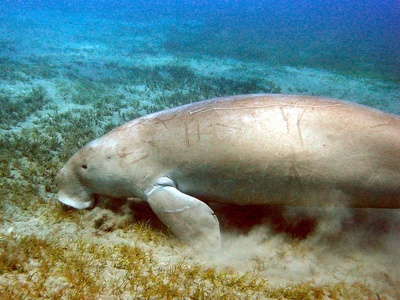
Dugong
Large marine herbivore with paddle-like flippers and fluke tail; grazes seagrass beds. Vulnerable and often solitary; slow-moving, peaceful. Best spotted from boats around shallow seagrass lagoons near Masirah and the Al Wusta coast.
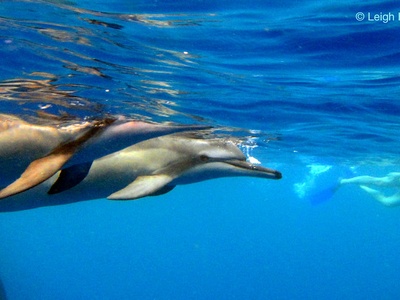
Spinner dolphin
Slender dolphin with long beak known for aerial spinning behavior in groups. Common and social; often approaches boats. Least Concern; watch for bow-riding pods near offshore islands and reefs.
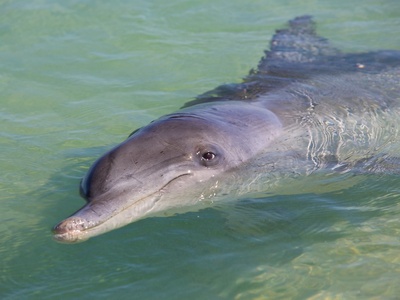
Indo-Pacific bottlenose dolphin
Robust, gray dolphin with short beak; highly social and curious around boats. Frequently seen inshore. Least Concern; regular on coastal boat trips and sheltered bays.
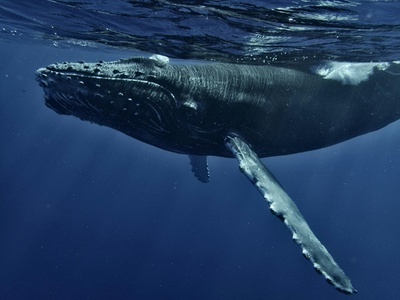
Sperm whale
Massive deep-diving whale with square head and wrinkled skin; feeds on squid. Vulnerable with irregular sightings; encounter on deep-sea whale-watching trips in offshore waters.
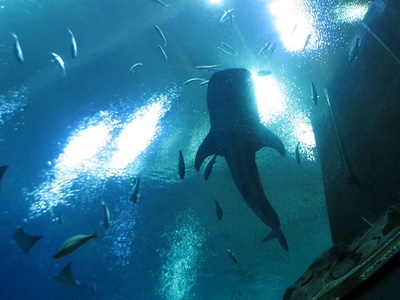
Whale shark
World’s largest fish, spotted patterning and broad mouth for plankton feeding. Aggregates seasonally with plankton blooms. Endangered but reliable in season; best seen from boats off Dhofar and Masirah between autumn and spring.
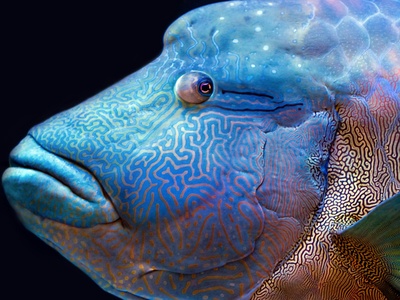
Napoleon wrasse
Large, thick-lipped reef fish up to 2 metres with bulbous forehead in adults. Quiet reef grazer; vulnerable to overfishing. Spot them while snorkeling or diving healthy coral reefs like Daymaniyat Islands.
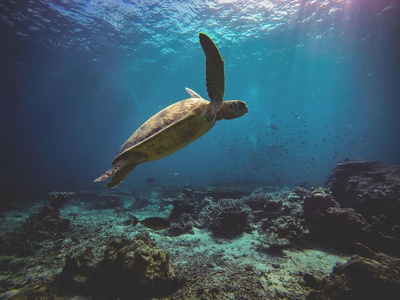
Green turtle
Large sea turtle with smooth greenish shell; herbivorous juveniles feed on seagrass. Endangered and protected; nesting nights at Ras Al Jinz and Masirah are prime viewing opportunities.
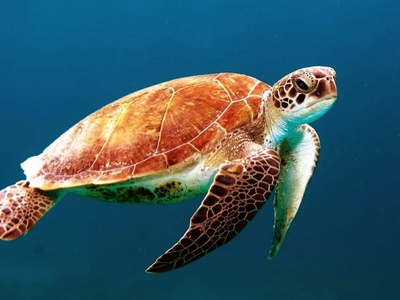
Hawksbill turtle
Smaller, pointed beak and ornate shell; coral reef specialist feeding on sponges. Critically Endangered; seen in reef dives and occasional nesting on southern beaches.
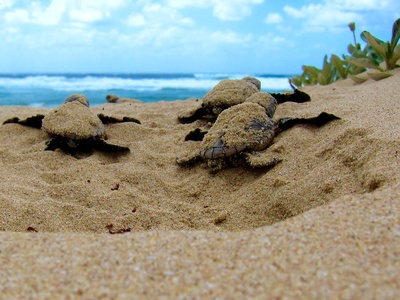
Loggerhead turtle
Large-headed sea turtle that nests on sandy beaches like Masirah. Omnivorous foragers of crustaceans and jellyfish. Vulnerable; best seen during nesting season and on marine excursions.
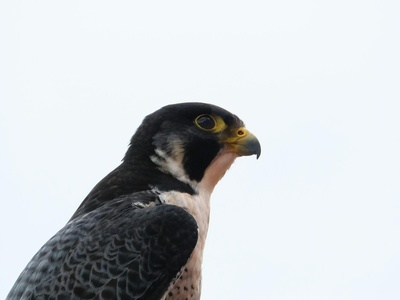
Sooty falcon
Slender falcon with slate-gray plumage, fast aerial hunter feeding on migrating birds. Breeds on offshore islands and cliffs. Vulnerable; Masirah is renowned for summer breeding colonies and spring migration watches.
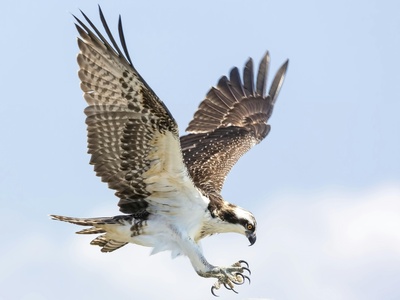
Osprey
Large raptor with dark eye stripe, specializes in fishing, hovering and plunging for fish. Globally Least Concern; commonly seen along coasts and estuaries perched on posts and trees near water.
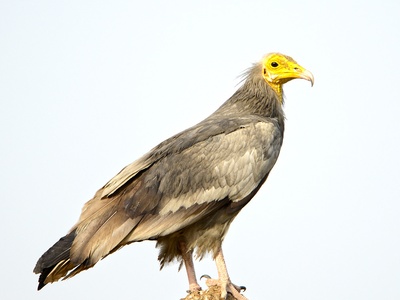
Egyptian vulture
Small, pale vulture with yellow face and black flight feathers; scavenger and tool-user. Critically Endangered in parts of range; watch cliff colonies and roosts in mountain canyons.
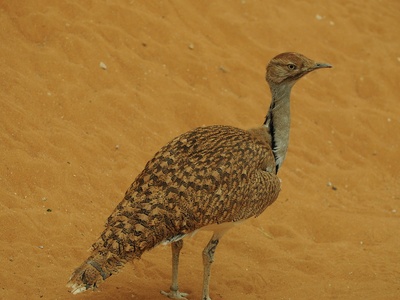
Houbara bustard
Large, cryptically colored ground bird with heavy build; crepuscular and shy. Vulnerable from hunting and habitat loss; best seen in designated conservation areas and quiet desert expanses.
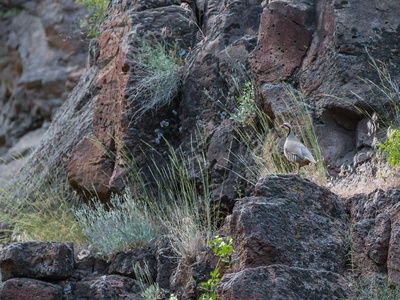
Chukar partridge
Stocky gamebird with barred flanks and bold face pattern; ground-dwelling and often heard calling. Least Concern; regularly seen on rocky mountain ledges and terraces, especially early morning.
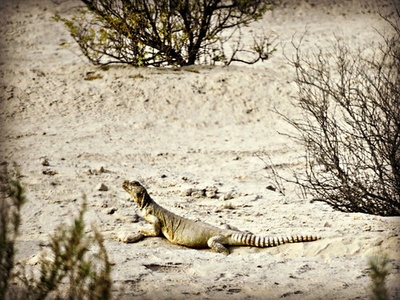
Spiny-tailed lizard (Dhub)
Stout, herbivorous lizard with spiny tail and flattened body, basks on rocks by day. Vulnerable locally from collection; common name “dhub” — spot them sunning on rocks in deserts and dry wadis.
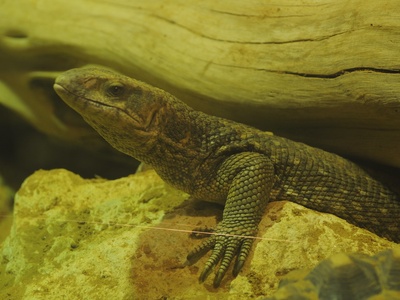
Desert monitor
Large, slender monitor with long neck and strong limbs; active hunter of reptiles and eggs. Least Concern; occasionally seen crossing desert tracks or near rocky outcrops during daytime.
Arabian cobra
Medium-sized cobra with hood; diurnal to crepuscular predator of rodents and birds. Venomous and defensive; keep distance. Locally present in southern Oman’s scrub and wadis; rare but possible sightings.
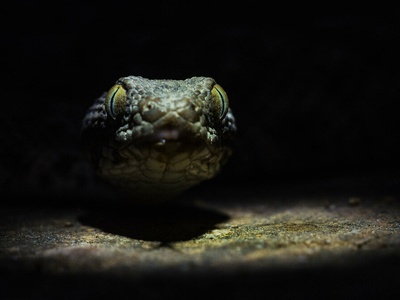
Saw-scaled viper
Small, stout, cryptically patterned viper; highly venomous and hidden in sand. Typically nocturnal or crepuscular. Common in arid habitats; respect when walking at night and look for warning signs.
Yellow-bellied sea snake
Slim, pelagic sea snake with yellow belly and dark back; entirely marine and feeds on fish. Occasional tropical visitor in offshore waters; seen drifting at sea or washed up after storms.
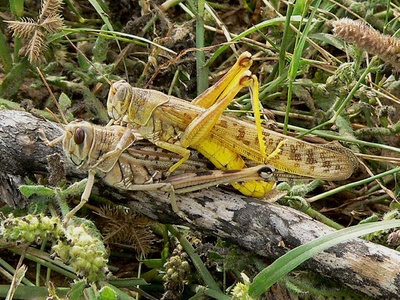
Desert locust
Large migratory grasshopper known for mass swarms that rapidly eat vegetation. Highly mobile and outbreak-prone; important to local agriculture and ecosystem dynamics. Seasonal swarms observed after rains and vegetation growth.
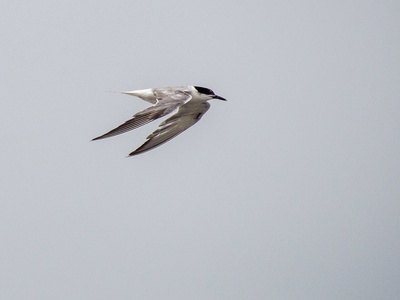
White-cheeked tern
Slender tern with forked tail and distinctive white cheeks; dives for small fish from hovering. Coastal breeder and migrant; regularly seen around islands, reefs and shallow bays.
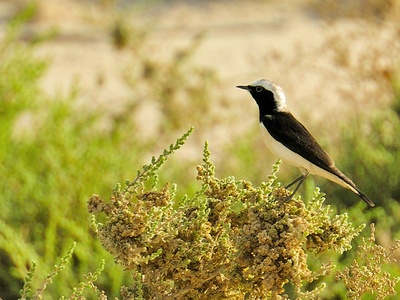
Hooded wheatear
Small, pale wheatear with upright stance and habit of perching on rocks. Insectivorous and often seen singly or in pairs. A common resident of rocky and stony habitats across Oman.
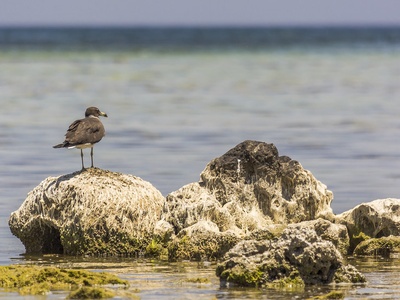
Sooty gull
Stocky gull with dark grey upperwings and white belly; forages on fish and invertebrates. Resident coastal species; easy to spot along shorelines, estuaries and islands.
Napoleon wrasse
Large, colorful reef fish with distinctive forehead in adults, up to large sizes. Slow-growing and vulnerable to overfishing. Seen by divers on healthy coral reefs, often near drop-offs and bommies.