Uzbekistan sits at the crossroads of Central Asia, where deserts, steppes, river valleys and mountain ranges create a patchwork of habitats. That variety supports reptiles, birds and mammals adapted to everything from arid plains to alpine meadows, making the country much richer in wildlife than many expect.
There are 60 Animals of Uzbekistan, ranging from Agama (steppe agama) to Wild boar. For each entry you’ll find below the organized fields: Scientific name,Typical size (cm),Range in Uzbekistan — concise data meant to help with identification and quick reference; see the full list you’ll find below.
Which parts of Uzbekistan are best for observing wildlife?
River valleys like the Amu Darya and Syr Darya, wetlands, foothill woodlands and the western Tian Shan and Pamir foothills host the greatest variety; deserts and steppes support specialized species, so planning by habitat and season boosts your chances.
How should I use the list to identify animals in the field?
Start with range and typical size to narrow candidates, then confirm with the scientific name if possible; pair the list with photos, a local field guide or an app, and note habitat and behavior for faster, more reliable ID.
Animals of Uzbekistan
| Name | Scientific name | Typical size (cm) | Range in Uzbekistan |
|---|---|---|---|
| Gray wolf | Canis lupus | 100 | Across steppe, mountains, river valleys |
| Golden jackal | Canis aureus | 70 | Desert-steppe, riverine areas, near settlements |
| Red fox | Vulpes vulpes | 60 | Widespread: forests, steppes, agricultural lands |
| Corsac fox | Vulpes corsac | 55 | Open steppe and desert regions (Kyzylkum) |
| Striped hyena | Hyaena hyaena | 100 | Desert foothills, canyons, southern regions |
| Eurasian lynx | Lynx lynx | 80 | Mountain forests and rocky areas (Tian Shan) |
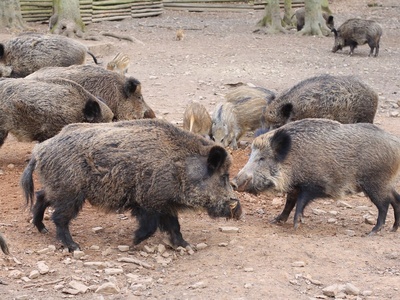
| Wild boar | Sus scrofa | 120 | Forests, river valleys, irrigated farmland |
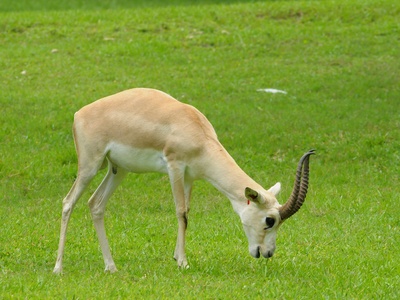
| Goitered gazelle | Gazella subgutturosa | 110 | Desert-steppe (Kyzylkum, Karakalpakstan) |
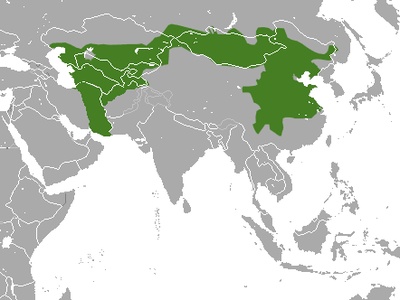
| Tolai hare | Lepus tolai | 50 | Steppe and semidesert areas |
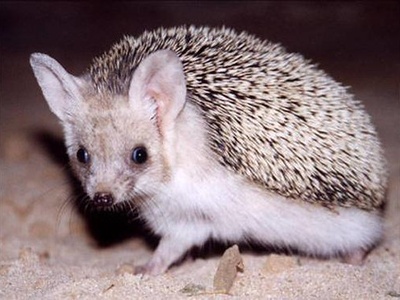
| Long-eared hedgehog | Hemiechinus auritus | 20 | Desert and semi-desert lowlands |
| Long-tailed marmot | Marmota caudata | 50 | Mountain meadows and high steppe |
| Siberian ibex | Capra sibirica | 150 | High mountains (Pamirs, Tian Shan) |
| Siberian roe deer | Capreolus pygargus | 100 | Mountain forests, river valleys |
| Eurasian otter | Lutra lutra | 80 | Rivers, lakes, riparian zones |
| Pallas’s cat (manul) | Otocolobus manul | 50 | Mountain steppe and rocky outcrops |
| Wheat-field mouse (striped field mouse) | Apodemus agrarius | 12 | Grasslands, agricultural fields |
| Saker falcon | Falco cherrug | 110 | Open country, cliffs, steppe reserves |
| Steppe eagle | Aquila nipalensis | 180 | Steppe, open plains, migration corridors |
| Imperial eagle | Aquila heliaca | 200 | Riverine woods and foothills, western regions |
| Common buzzard | Buteo buteo | 120 | Woodlands, agricultural areas, hills |
| Eurasian eagle-owl | Bubo bubo | 160 | Rocky cliffs, mountains, open forests |
| Peregrine falcon | Falco peregrinus | 100 | Cliffs, river valleys, migration stopovers |
| Demoiselle crane | Anthropoides virgo | 160 | Wetlands, steppe breeding sites |
| Common crane | Grus grus | 200 | Wetlands and floodplains, migration stopovers |
| Dalmatian pelican | Pelecanus crispus | 320 | Large lakes and wetlands (northwest) |
| Great cormorant | Phalacrocorax carbo | 125 | Rivers, reservoirs, lakes |
| Little egret | Egretta garzetta | 88 | Wetlands, river margins, irrigated fields |
| Common kestrel | Falco tinnunculus | 80 | Open country, farmland, steppe |
| Ferruginous duck | Aythya nyroca | 70 | Freshwater lakes, reedbeds, reservoirs |
| Eurasian hoopoe | Upupa epops | 25 | Open woodlands, orchards, steppe |
| Common quail | Coturnix coturnix | 18 | Farmland, grassland edges during migration |
| Russian tortoise | Testudo horsfieldii | 25 | Desert-steppe, sandy hills (Kyzylkum) |
| Desert monitor | Varanus griseus | 120 | Deserts and rocky semi-deserts |
| Grass snake | Natrix natrix | 120 | Wetlands, riverbanks, marshes |
| Caspian whipsnake | Dolichophis caspius | 150 | Open hills, steppe, river valleys |
| Agama (steppe agama) | Trapelus agilis | 30 | Sunny rocky slopes, desert edges |
| European green toad | Bufotes viridis | 10 | Oases, irrigated fields, temporary ponds |
| Marsh frog | Pelophylax ridibundus | 12 | Lakes, rivers, marshes, irrigation canals |
| Common toad | Bufo bufo | 10 | Woodlands, river valleys, gardens |
| Amu Darya shovelnose sturgeon | Pseudoscaphirhynchus kaufmanni | 120 | Amu Darya river basin (southeast) |
| Dwarf shovelnose sturgeon | Pseudoscaphirhynchus hermanni | 50 | Lower Amu Darya tributaries |
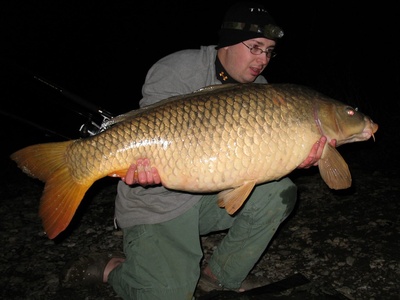
| Common carp | Cyprinus carpio | 100 | Rivers, reservoirs, irrigation canals |
| Schmidt’s goby | Ponticola cyrius | 12 | Brackish lakes and river mouths (Aral basin remnants) |
| Painted lady | Vanessa cardui | 6 | Widespread; steppe, gardens, migration routes |
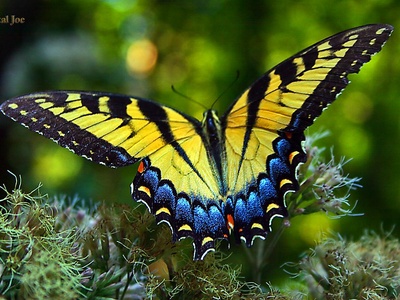
| Swallowtail | Papilio machaon | 8 | Meadows, river valleys, mountain slopes |
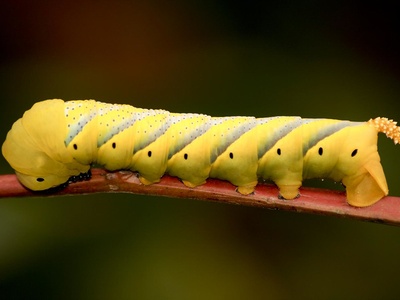
| Death’s-head hawkmoth | Acherontia atropos | 13 | Warm lowlands, gardens, oasis areas |
| Honey bee (wild/feral) | Apis mellifera | 1.2 | Orchards, steppe flowers, mountain meadows |
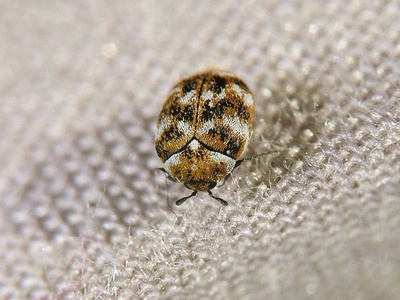
| Carpet beetle (Anthrenus spp.) | Anthrenus spp. | 0.3 | Grasslands, human habitation edges |
| Steppe grasshopper (Chorthippus spp.) | Chorthippus spp. | 3 | Steppe and grassland ecosystems |
| Common starling | Sturnus vulgaris | 25 | Open country, towns, agricultural landscapes |
| House sparrow | Passer domesticus | 16 | Villages, towns, farmland |
| Pallas’s gull (Mongolian gull) | Ichthyaetus ichthyaetus | 140 | Large lakes, Aral remnants, wetlands |
| Great bustard | Otis tarda | 120 | Open steppe and agricultural plains (rare) |
| Steppe marmot | Marmota bobak | 45 | Lowland steppes and pastures |
| Armenian viper | Montivipera raddei | 70 | Mountain slopes and rocky outcrops |
| Bee-eater (European) | Merops apiaster | 30 | River valleys, sandy cliffs, migration stopovers |
| Water rail | Rallus aquaticus | 25 | Reeds, marshy wetlands, reservoirs |
| Black-winged stilt | Himantopus himantopus | 40 | Shallow lakes, salt pans, wetlands |
| Ruddy shelduck | Tadorna ferruginea | 70 | Lakes, reservoirs, river valleys |
| Caspian tern | Hydroprogne caspia | 85 | Large lakes and reservoirs, Aral remnants |
Images and Descriptions
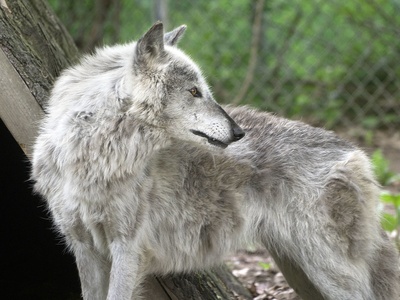
Gray wolf
A large, social predator with grey coat and long muzzle; found in steppes and mountain foothills. Hunts ungulates and survives near people; legally protected in parts, but locally persecuted and occasionally vulnerable from habitat loss.
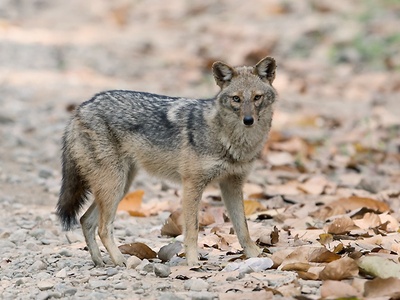
Golden jackal
A medium canid with golden-brown fur and adaptable diet; common in semi-desert and agricultural areas. Opportunistic omnivore, often seen near villages. Population stable but threatened by persecution and road mortality in some regions.
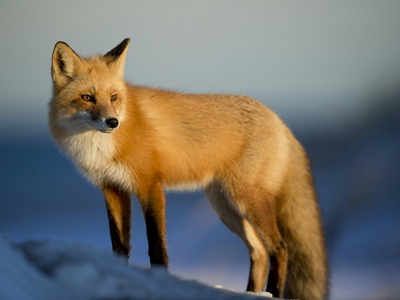
Red fox
Familiar reddish coat and bushy tail; highly adaptable omnivore living across habitats from deserts to woodlands. Frequent in rural and peri-urban areas; resilient but impacted locally by trapping and disease.
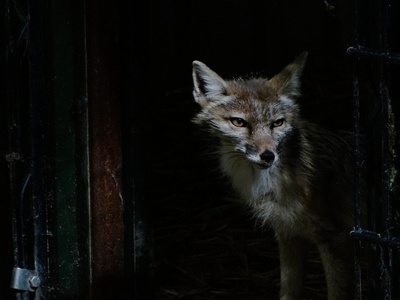
Corsac fox
A slim, pale fox of dry plains with large eyes and small ears; hunts rodents in open steppe and sandy deserts. Social, sometimes forms small groups. Vulnerable to habitat loss and hunting for fur.
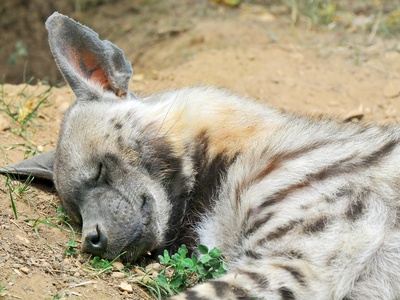
Striped hyena
A nocturnal, scavenging carnivore with striped flanks and strong jaws; uses caves and rocky shelters. Important scavenger that cleans landscapes. Vulnerable to persecution and rare in some areas, but still present in remote zones.
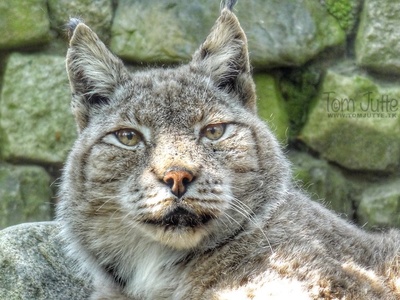
Eurasian lynx
A secretive solitary cat with tufted ears and short tail; ambushes deer and smaller mammals in mountain forests. Indicator of healthy ecosystems; locally threatened by habitat loss and poaching.
Wild boar
A heavyset omnivore with bristly coat and strong snout; common in riparian woodlands and farmland. Can become abundant and impact crops; hunted for meat and sport, with variable conservation status regionally.
Goitered gazelle
A swift, slim antelope of open plains with pale coat and long legs; adapted to arid environments. Historically widespread but declined from hunting and habitat change; protected in reserves and reintroduction sites.
Tolai hare
A medium hare with long ears and sandy fur; active at dawn and dusk. Feeds on grasses and shrubs in open steppe. Locally common but sensitive to extreme land-use change.
Long-eared hedgehog
A small nocturnal insectivore with very long ears for thermoregulation; rolls into a spiny ball when threatened. Common in dry areas; faces threats from roadkill and pesticides.

Long-tailed marmot
A burrowing rodent with a stout body and long tail; lives in family colonies in alpine and subalpine meadows. Hibernates in winter. Locally hunted but ecologically important as ecosystem engineers.
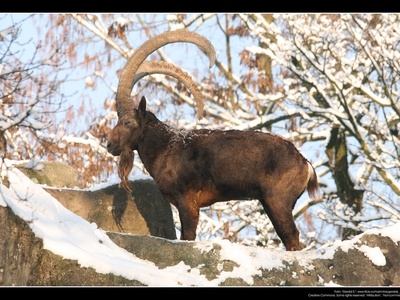
Siberian ibex
A robust mountain goat with long curved horns on males; expert climber found on steep rocky slopes. Valued by hunters and vulnerable to overhunting; populations monitored in protected areas.
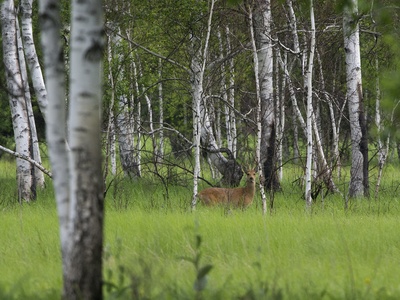
Siberian roe deer
A graceful deer with reddish coat and distinctive alarm snort; occupies forested slopes and riverine woodlands. Hunted locally; populations fluctuate with habitat and hunting pressure.
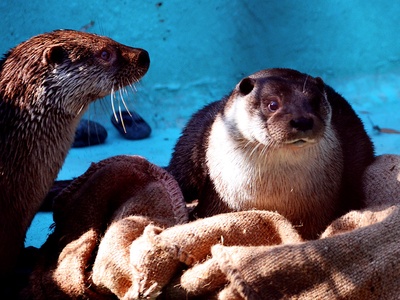
Eurasian otter
A sleek, aquatic mammal with dense fur and muscular body; feeds on fish and crustaceans. Indicator of healthy waterways; protected but threatened by pollution and habitat alteration.
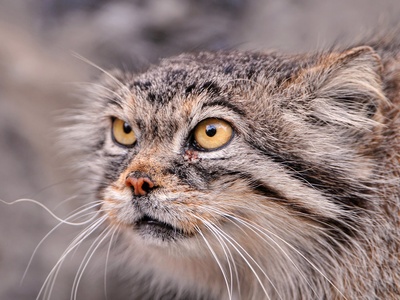
Pallas’s cat (manul)
A compact wildcat with dense fur, flattened face and stocky build; lives in cold, open highlands. Specialized predator of small mammals; naturally rare and sensitive to habitat disturbance.
Wheat-field mouse (striped field mouse)
A small brown rodent common in fields and hedgerows; nocturnal seed and insect eater. Important prey for many predators and adapts well to farmland landscapes.
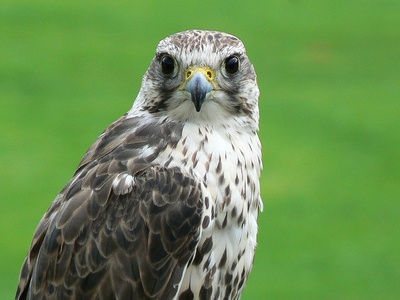
Saker falcon
A large falcon prized in traditional falconry with powerful flight and brown plumage. Nests on cliffs; endangered globally from illegal trade and habitat loss, with conservation efforts in Uzbekistan.
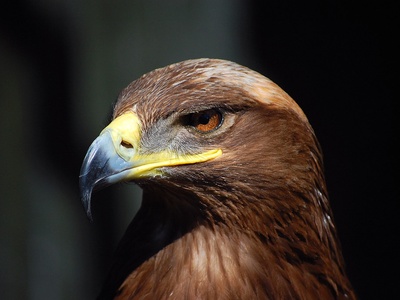
Steppe eagle
A powerful tawny eagle that hunts in open landscapes and migrates across Uzbekistan. Faces steep declines from poisoning and power-line collisions; conservation priority species.
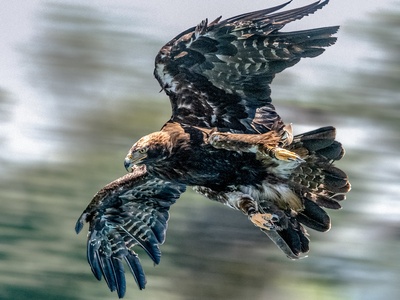
Imperial eagle
A large eagle with dark plumage and pale crown; nests in mature trees along rivers. Threatened by habitat loss and disturbance; protected and monitored where present.
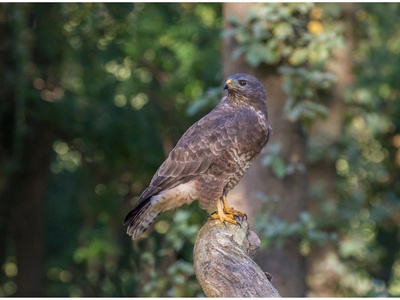
Common buzzard
A widespread medium raptor with variable plumage; perches and soars while searching for small mammals. Common and adaptable, contributes to pest control in rural landscapes.
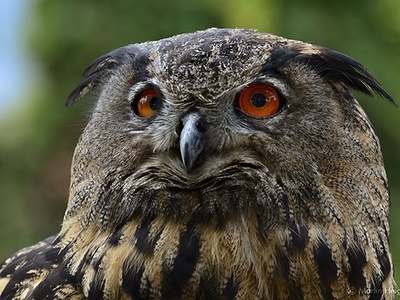
Eurasian eagle-owl
A huge nocturnal owl with orange eyes and ear tufts; hunts mammals and large birds at night. Rare but widely distributed where suitable habitat remains; sensitive to human disturbance.
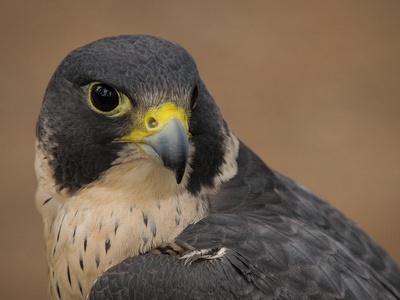
Peregrine falcon
A compact, fast-flying falcon famous for high-speed stoops; nests on cliffs and tall structures. Widely distributed and recovering in many regions with conservation measures.
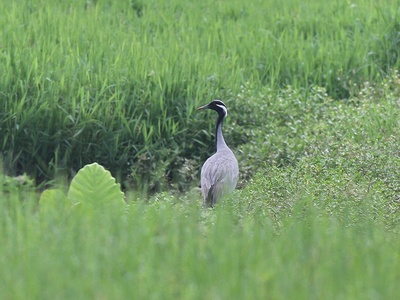
Demoiselle crane
A small, elegant crane with grey plumage and dancing courtship displays; breeds in open steppe near water. Migratory and culturally significant; wetlands loss is a major threat.
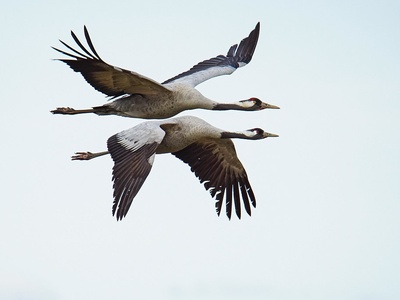
Common crane
A tall grey crane with loud trumpeting calls; uses marshes and wet meadows for breeding and migration. Populations stable in some areas but dependent on wetland conservation.
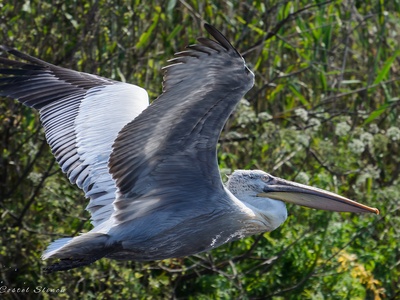
Dalmatian pelican
One of the world’s largest flying birds with massive bill pouch; found in shallow lakes and large marshes. Vulnerable from habitat loss and disturbance; local colonies are conservation priorities.
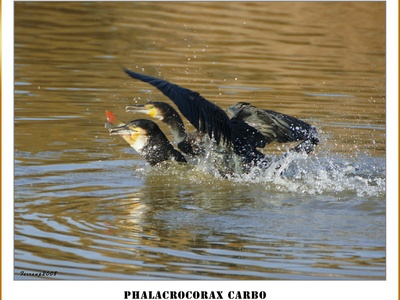
Great cormorant
A dark fish-eating bird that dives for prey and often perches in groups to dry wings. Common on inland waters and important in wetland food webs; populations vary with fish stocks.
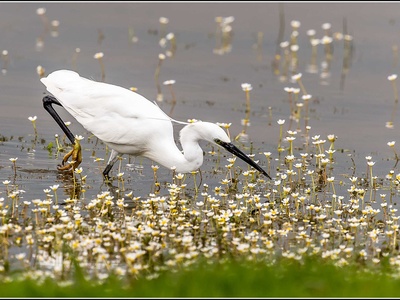
Little egret
A small graceful white heron with slender black bill and yellow feet in breeding season; forages in shallow water. Locally common in suitable wetlands and rice fields.
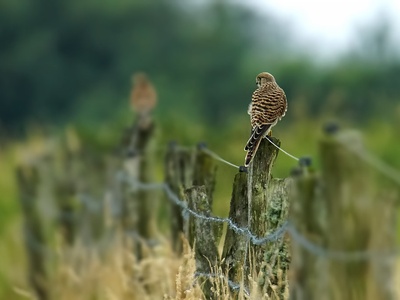
Common kestrel
A small, hovering falcon with reddish-brown back and streaked underparts; feeds on rodents and large insects. Widely seen hovering over fields; adaptable and common.
Ferruginous duck
A medium diving duck with dark chestnut body and distinct white flank patch in males; favors calm freshwater with dense vegetation. Populations have declined regionally; protected in important wetlands.
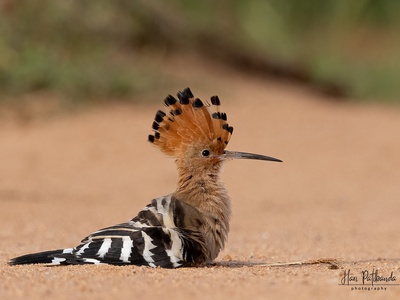
Eurasian hoopoe
A distinctive bird with crested head and long curved bill; probes soil for insects. Frequent in rural landscapes and culturally familiar; populations fluctuate with land-use changes.
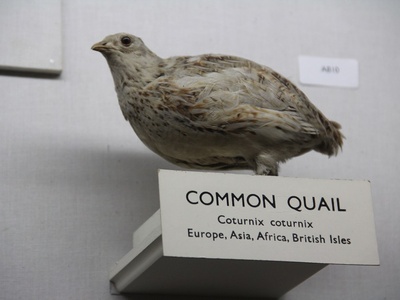
Common quail
A small migratory gamebird with cryptic mottled plumage; breeds in cereal fields and migrates through Uzbekistan. Popular with birders and hunted historically; sensitive to agricultural intensification.
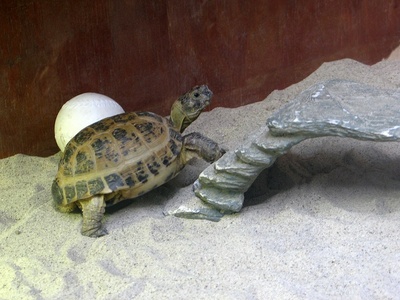
Russian tortoise
A small, stout tortoise with domed shell adapted to arid climates; feeds on grasses and succulents. Popular in pet trade, so wild populations are under pressure from collection and habitat loss.
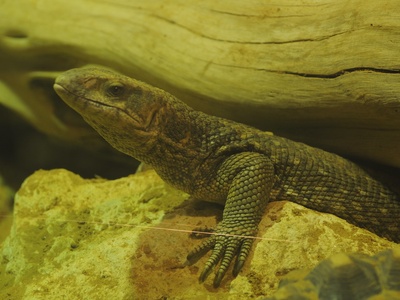
Desert monitor
A large lizard with long body and strong limbs; an active predator feeding on reptiles, eggs, and small mammals. Avoids moisture-rich areas; vulnerable to persecution and habitat degradation locally.
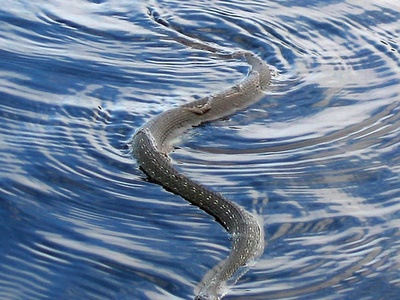
Grass snake
A nonvenomous water-associated snake with dark body and pale collar in some forms; excellent swimmer feeding on amphibians and fish. Common where aquatic habitat persists; sensitive to wetland loss.
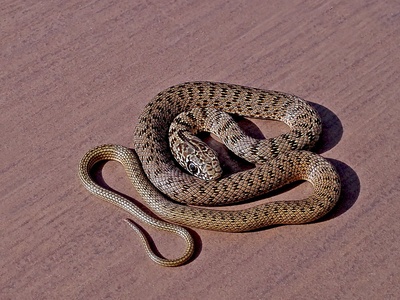
Caspian whipsnake
A large, fast terrestrial snake with glossy scales; preys on rodents and birds. Prefers warm open habitats and stonewalls; generally common but locally persecuted.
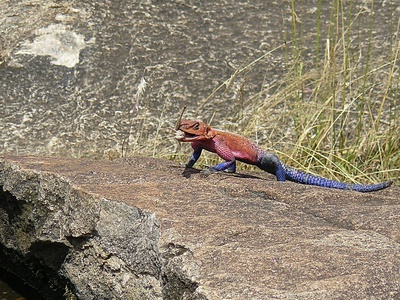
Agama (steppe agama)
A small robust lizard with flattened head and strong limbs; basks on rocks and feeds on insects. Common in dry open habitats and an easily seen reptile in summer.
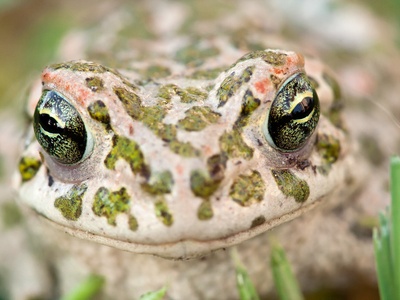
European green toad
A small toad with green blotches and explosive breeding in temporary pools; tolerates arid landscapes using irrigation networks. Populations fluctuate but widespread where water is available.
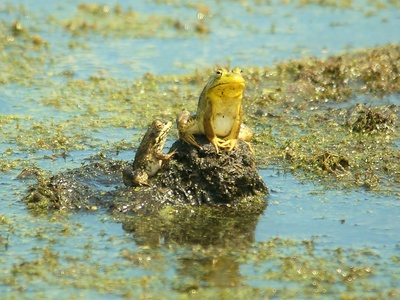
Marsh frog
A medium green frog common in permanent freshwater; strong swimmer feeding on insects and small fish. Important component of wetland ecosystems; sensitive to water pollution.
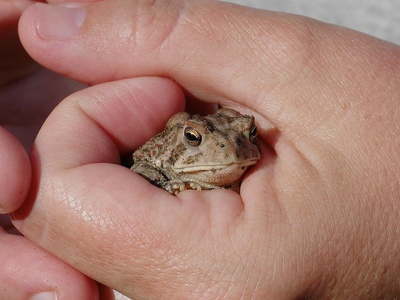
Common toad
A stocky brown toad with warty skin that breeds in ponds; widely distributed in moister habitats and gardens. Tolerant of various environments but impacted by road mortality during migrations.
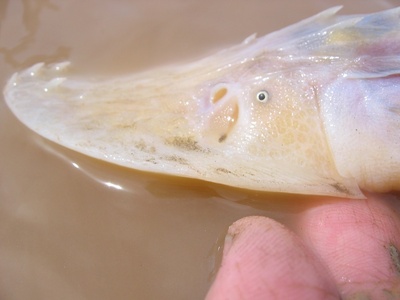
Amu Darya shovelnose sturgeon
A rare, endemic sturgeon with flattened snout adapted to big river environments. Critically endangered from damming, pollution, and overfishing; one of Uzbekistan’s most threatened freshwater species.
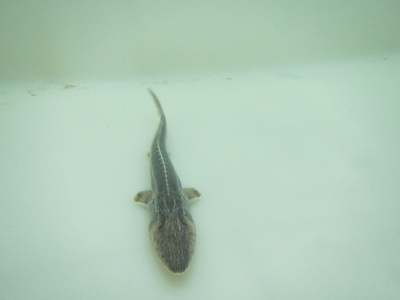
Dwarf shovelnose sturgeon
A very small, endemic sturgeon of Central Asian rivers; flattened snout and small size distinguish it. Critically endangered due to river regulation and habitat fragmentation.
Common carp
A large omnivorous freshwater fish found in many lakes and canals; tolerant of varied conditions and important for local fisheries. Introduced and cultivated forms exist, but wild-type populations persist in natural waters.
Schmidt’s goby
A small goby fish of salty inland waters; adapted to fluctuating salinity. Notable for surviving in remnant Aral Basin habitats though populations are limited by ecological collapse.
Painted lady
A cosmopolitan butterfly with orange-and-black wings; migratory and often abundant in summer. Attracts attention during irruptions and is a familiar summer visitor across Uzbekistan.
Swallowtail
A large, showy butterfly with yellow-and-black pattern and tail-like hindwing projections. Common in suitable habitats and popular with nature observers; larvae feed on umbellifers.
Death’s-head hawkmoth
A large nocturnal moth with skull-like thoracic marking and powerful flight; known for occasional beelines into beehives. Scarce but striking, and memorable to night-time observers.
Honey bee (wild/feral)
The familiar social bee occurring both managed and wild; essential pollinator for natural and agricultural plants. Wild colonies persist in hollow trees and cliffs; faces threats from pesticides and disease.
Carpet beetle (Anthrenus spp.)
Small, round beetles often seen on flowers and around homes; larvae feed on natural fibers and detritus. Represent a diverse set of native species important in decomposing organic matter.
Steppe grasshopper (Chorthippus spp.)
Common grasshoppers of open steppe habitats; important herbivores and prey for birds and small mammals. Populations vary with rainfall and grazing pressure.
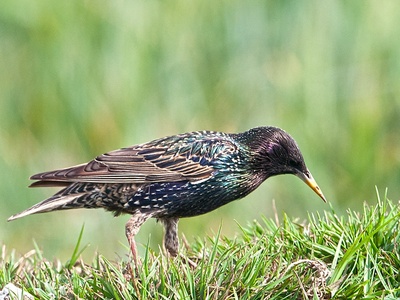
Common starling
A gregarious songbird with glossy plumage and strong flight; forms large murmuration roosts. Very adaptable and widespread, often seen in flocks near human settlements.
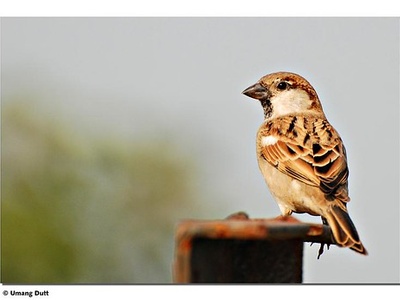
House sparrow
A familiar small bird of human-dominated landscapes with stout bill; eats seeds and scraps and nests in buildings. Very common but has declined in some urban areas due to modernization.
Pallas’s gull (Mongolian gull)
A large gull with pale head and dark wing tips; forages at lakes and wetlands. Locally important visitor and resident on inland seas and reservoirs; sensitive to wetland degradation.
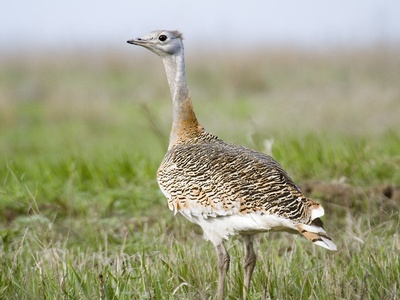
Great bustard
A huge, heavy-bodied bird of open plains known for impressive males. Historically present in Uzbekistan steppe but currently rare and locally extirpated in parts; conservation and reintroduction interest exists.
Steppe marmot
A burrowing rodent forming colonies in grassland; similar to other marmots and important prey for raptors. Hibernates long winters and shapes grassland ecology through digging activities.
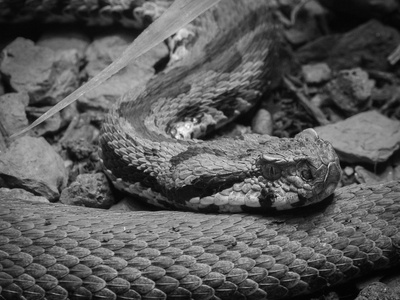
Armenian viper
A venomous viper species found in some mountain regions; cryptic coloration and heavy body. Encounters are rare; conservation depends on protecting rocky habitats and reducing persecution.
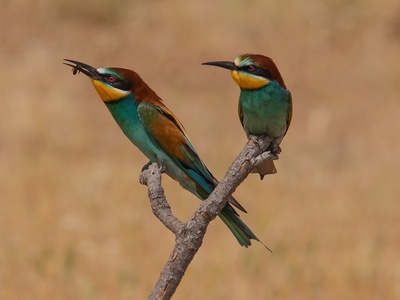
Bee-eater (European)
A vividly coloured bird with long tail streamers; nests in sandy banks and catches flying insects. Spectacular migrant and breeding visitor in suitable riparian habitats.
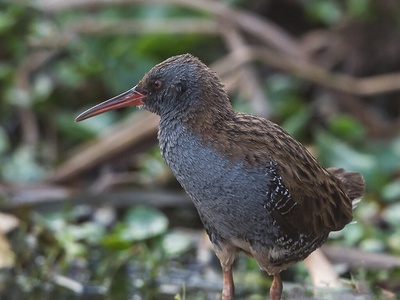
Water rail
A secretive wetland bird with compressed body for moving among reeds; heard more than seen. Uses dense vegetation and benefits from healthy marsh conservation.
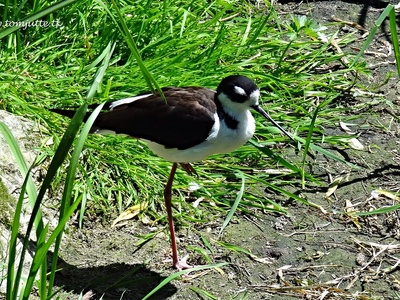
Black-winged stilt
A lanky wader with long pink legs and thin bill; probes mud for invertebrates. Common in shallow inland waters and salt pans; sensitive to water-level changes.
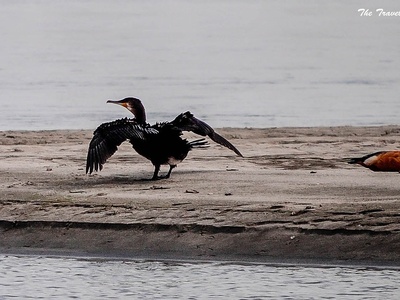
Ruddy shelduck
A striking orange-brown waterfowl with pale head; breeds near inland waters and uses steppe wetlands. Culturally notable and locally common where wetlands remain.
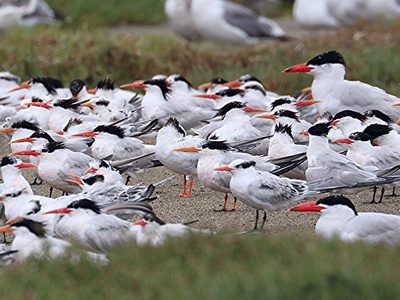
Caspian tern
A large tern with robust bill, often feeding on fish in inland seas and reservoirs. Found on open water bodies and shorelines; affected by fish-stock declines.