Belgium may be small, but its mix of coast, heathland, forests and rivers supports a wide variety of wildlife you can spot year-round. From coastal dunes to the Ardennes, familiar and shy species share a surprisingly rich set of habitats across provinces and protected areas.
There are 53 Belgium’s native animals, ranging from Barn owl to Wood mouse. Each entry is organized with Scientific name, Conservation status, Habitat / where to see — details you’ll find below.
Where are the best places in Belgium to observe these animals?
Look for species in their typical habitats: waders and seabirds along the coast and the Zwin reserve, woodland birds and mammals in the Ardennes, and heathland specialists in Flanders. Visit reserves, nature parks like Hoge Kempen, or local hides at dawn and dusk, and check seasonal guides or local rangers for recent sightings and access rules.
What should I know about the conservation status of these species?
Some entries are common, others are vulnerable or legally protected; the Conservation status column flags those concerns. Supporting habitat protection, avoiding disturbance, reporting sightings to local citizen-science projects, and following reserve guidelines are practical ways to help.
Belgium’s Native Animals
| Name | Scientific name | Conservation status | Habitat / where to see |
|---|---|---|---|
| Red fox | Vulpes vulpes | LC | Farmland, forests, towns; nationwide year-round |
| European hedgehog | Erinaceus europaeus | LC | Gardens, hedgerows; towns and countryside, spring–autumn nights |
| Roe deer | Capreolus capreolus | LC | Woodlands, agricultural edges; Ardennes and rural areas year-round |
| Wild boar | Sus scrofa | LC | Forests, wetlands; Ardennes, Hainaut, re-expanding populations year-round |
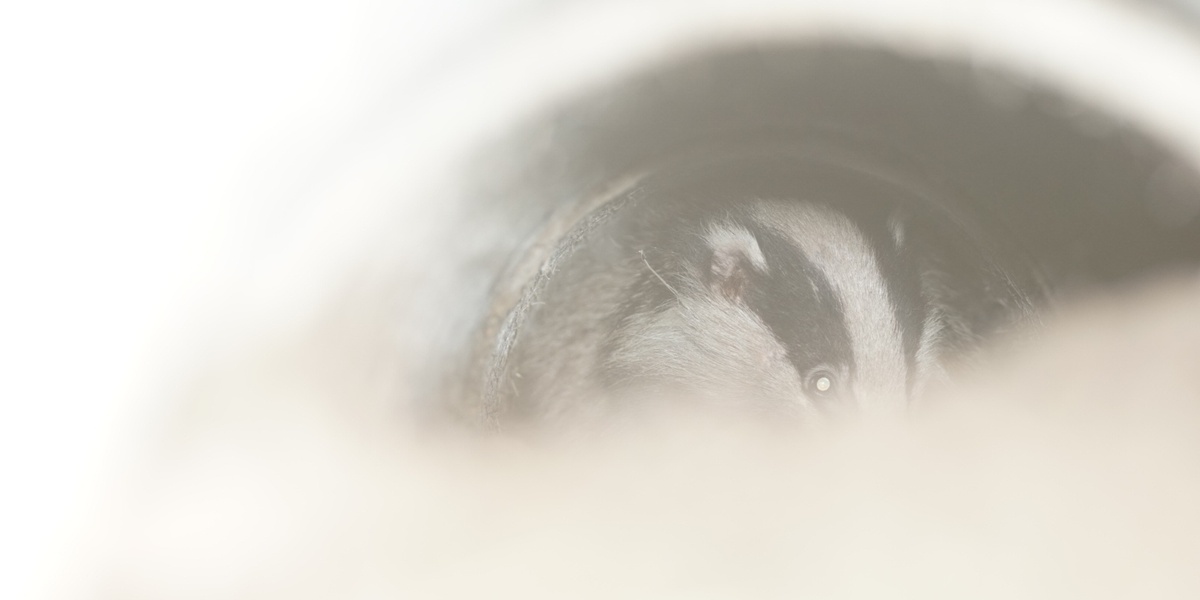
| European badger | Meles meles | LC | Woodlands, farmland edges; widespread, nocturnal year-round |
| Eurasian otter | Lutra lutra | LC | Rivers, canals, wetlands; Ardennes & river networks, dawn/dusk |
| Eurasian beaver | Castor fiber | LC | Rivers, streams; Ardennes and Meuse valley, year-round |
| European mole | Talpa europaea | LC | Grasslands, gardens; widespread year-round |
| Common pipistrelle | Pipistrellus pipistrellus | LC | Woodlands, towns; roosts in buildings, active summer nights |
| Brown long-eared bat | Plecotus auritus | LC | Woodlands, buildings; summer roosts in roofs and trees |
| Red deer | Cervus elaphus | LC | Large forests; Hautes Fagnes and managed woodlands, autumn rut |
| European hare | Lepus europaeus | LC | Farmland, open fields; Flanders countryside year-round |
| Pine marten | Martes martes | LC | Woodland; Ardennes and mature forests year-round |
| Wood mouse | Apodemus sylvaticus | LC | Woodlands, hedgerows; widespread year-round |
| Mute swan | Cygnus olor | LC | Lakes, canals, wetlands; nationwide, summer breeding |
| Mallard | Anas platyrhynchos | LC | Ponds, rivers, wetlands; widespread year-round |
| Common kingfisher | Alcedo atthis | LC | Clear rivers, canals; Ardennes & waterways, year-round |
| Common buzzard | Buteo buteo | LC | Woodlands, farmland; nationwide, often seen soaring year-round |
| Eurasian sparrowhawk | Accipiter nisus | LC | Woodland edges, towns; hunts in gardens year-round |
| Barn swallow | Hirundo rustica | LC | Open farmland, villages; breeds spring–summer across Belgium |
| Eurasian coot | Fulica atra | LC | Lakes, canals; wetlands and parks year-round |
| Great cormorant | Phalacrocorax carbo | LC | Coasts, rivers; coastal colonies and inland lakes year-round |
| Black-headed gull | Chroicocephalus ridibundus | LC | Coastal mudflats, lakes; widespread breeding colonies spring–summer |
| Eurasian oystercatcher | Haematopus ostralegus | NT | Coastal shores; Belgian coast summer breeding |
| Common tern | Sterna hirundo | LC | Coastal lagoons, river islands; summer colonies on coast |
| European robin | Erithacus rubecula | LC | Woodland, gardens; common year-round |
| Great tit | Parus major | LC | Woodlands, gardens; widespread year-round |
| Eurasian blue tit | Cyanistes caeruleus | LC | Woodlands, gardens; gardens and woods year-round |
| Common chaffinch | Fringilla coelebs | LC | Woodland, gardens; widespread breeding year-round |
| Eurasian wren | Troglodytes troglodytes | LC | Understory, gardens; widespread year-round |
| Barn owl | Tyto alba | LC | Open farmland, barns; farmland edges, nocturnal |
| Little grebe | Tachybaptus ruficollis | LC | Ponds, reedbeds; quiet lakes and canals year-round |
| Common sandpiper | Actitis hypoleucos | LC | Riverbanks, lakeshores; nests on shingle and river edges |
| Common blackbird | Turdus merula | LC | Gardens, woodlands; widespread year-round |
| Common frog | Rana temporaria | LC | Ponds, damp woodlands; spring breeding pools nationwide |
| Common toad | Bufo bufo | LC | Woodlands, gardens; breeds in ponds spring |
| Smooth newt | Lissotriton vulgaris | LC | Ponds, garden pools; common in countryside spring–summer |
| Fire salamander | Salamandra salamandra | LC | Moist deciduous forest; Ardennes and hilly woodlands year-round |
| Grass snake | Natrix natrix | LC | Wetlands, ponds; reedbeds and marshes where it hunts amphibians |
| Common lizard | Zootoca vivipara | LC | Heathland, grassland; dunes and heath areas spring–summer |
| Slow worm | Anguis fragilis | LC | Hedgerows, gardens; sunny edges and compost heaps year-round |
| European eel | Anguilla anguilla | CR | Rivers, estuaries; throughout waterways, migrating seasons |
| Brown trout | Salmo trutta | LC | Cold streams, rivers; Ardennes upland streams year-round |
| Northern pike | Esox lucius | LC | Rivers, lakes; common in lakes and slow rivers year-round |
| European perch | Perca fluviatilis | LC | Lakes, rivers; common year-round |
| Roach | Rutilus rutilus | LC | Lakes, rivers; widespread year-round |
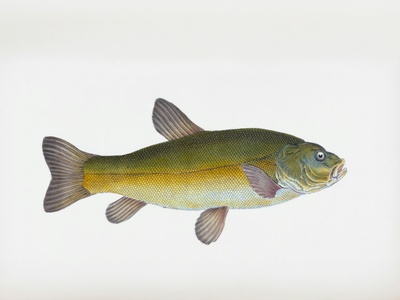
| Tench | Tinca tinca | LC | Slow rivers, lakes; muddy-bottomed lakes and canals year-round |
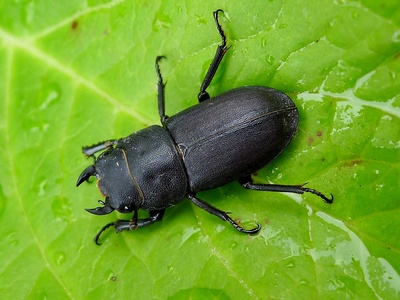
| Stag beetle | Lucanus cervus | NT | Deciduous woodland edges, gardens; warm summers, oak areas |
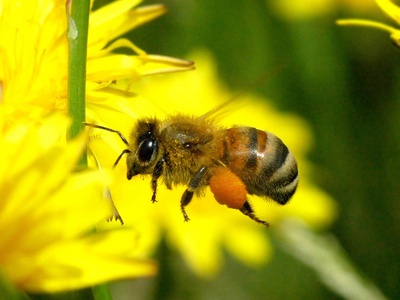
| European honey bee | Apis mellifera | LC | Meadows, gardens; widespread where flowers bloom spring–summer |
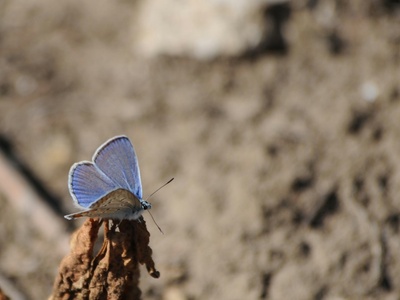
| Common blue | Polyommatus icarus | LC | Grassland, meadows; sunny flowery fields spring–summer |
| Small tortoiseshell | Aglais urticae | LC | Gardens, nettle patches; widespread spring–autumn |
| Emperor dragonfly | Anax imperator | LC | Lakes, ponds; sunny waterbodies summer months |
| White-clawed crayfish | Austropotamobius pallipes | EN | Clean streams, rivers; remnant populations in upland tributaries |
Images and Descriptions
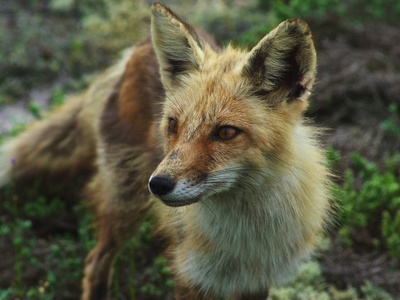
Red fox
Adaptable omnivore commonly seen in fields, parks and urban edges. Hunts rodents and scavenges; clever and nocturnal, often spotted at dawn or dusk in suburbs and countryside.
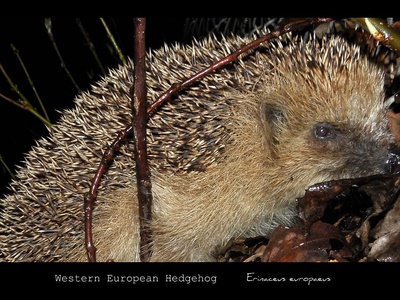
European hedgehog
Spiny insectivore that forages at night in gardens and hedgerows. Builds nests in leaf litter, facing local declines from roads, pesticides and habitat loss.
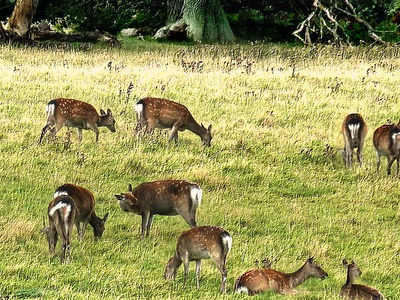
Roe deer
Small, graceful deer common along woodland edges and hedgerows. Often seen at dawn and dusk browsing shrubs and young trees.
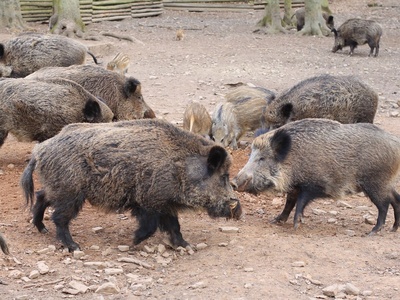
Wild boar
Large omnivore that roots for food, causing distinctive ground disturbance. Increasingly widespread in forests, often nocturnal and elusive.
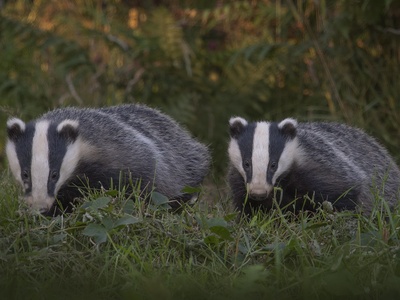
European badger
Stocky, burrowing mammal living in social setts. Omnivorous diet; usually active at night and occasionally seen near roads and hedgerows.
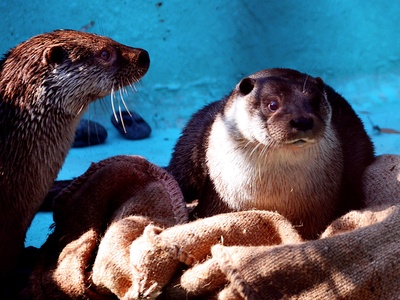
Eurasian otter
Semi-aquatic predator feeding on fish and crustaceans. Secretive but recovering after pollution-era declines; look for tracks, spraints and night activity near clean waterways.
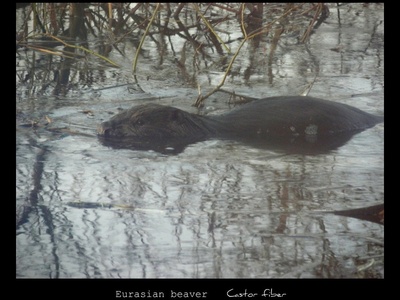
Eurasian beaver
Large, dam-building rodent reintroduced and now establishing populations. Creates ponds and wetland habitats, leaving gnawed trees and lodges visible along rivers.
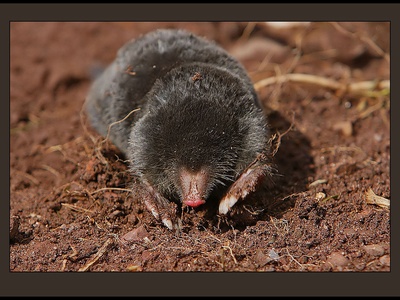
European mole
Subterranean insectivore famous for molehills across lawns and meadows. Rarely seen above ground but leaves distinctive mounds.
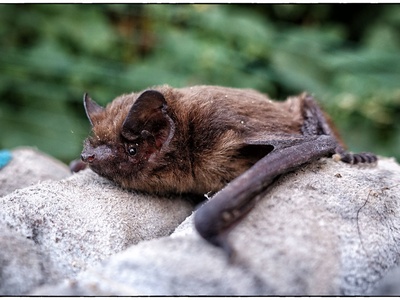
Common pipistrelle
Tiny, widespread bat that hunts small insects at dusk. Roosts in roofs and tree cavities, common in towns and countryside.
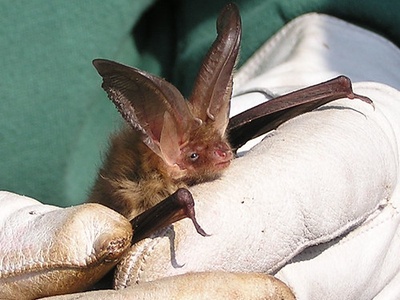
Brown long-eared bat
Distinctive long-eared bat that gleans insects from foliage and buildings. Slow flyer often roosting in attics and tree cavities.
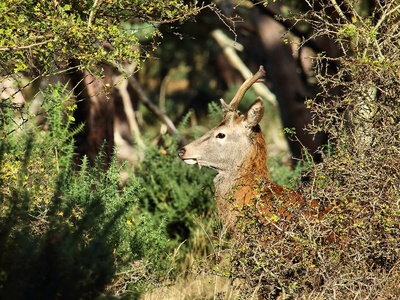
Red deer
Large deer species present in bigger forest blocks. Males roar during autumn rut; more secretive and confined to large woodlands.
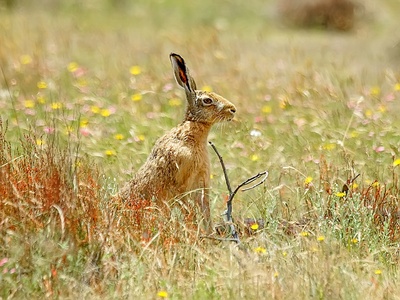
European hare
Fast-running herbivore of open fields and arable land. Often seen at dawn and dusk, uses speed and camouflage to evade predators.
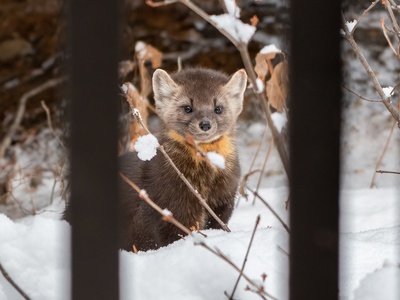
Pine marten
Arboreal mustelid that hunts small mammals and birds. Agile climber sometimes encountered near forest edges and old orchards.
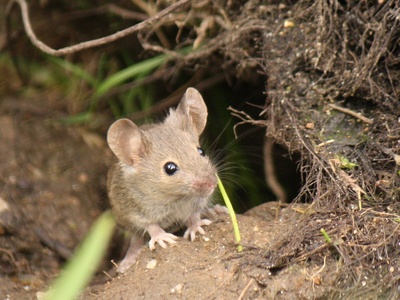
Wood mouse
Nocturnal small rodent with large eyes and tail. Common in fields, hedgerows and buildings, important prey for owls and foxes.
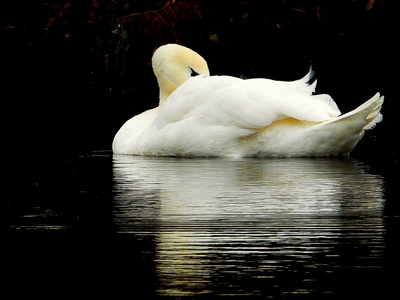
Mute swan
Large white waterbird nesting on lakes and rivers. Familiar in parks and waterways, fiercely territorial when nesting.
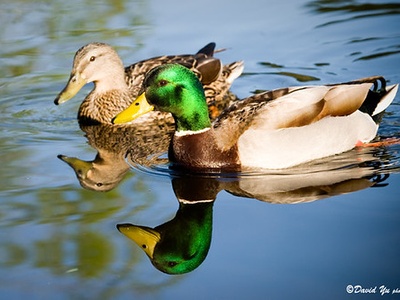
Mallard
Common dabbling duck found in city ponds and rural wetlands. Adaptable omnivore and frequent visitor to feeding sites.
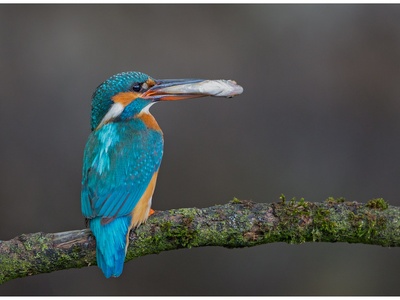
Common kingfisher
Small, brilliantly colored bird that dives for small fish. Best seen from quiet riverbanks at dawn or dusk.
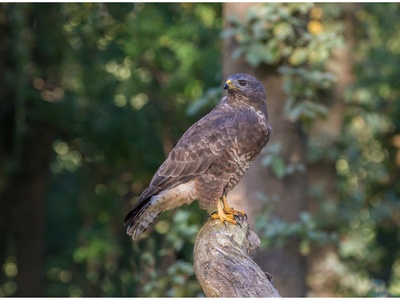
Common buzzard
Medium-sized raptor frequently perched on posts and soaring over fields, hunting small mammals and carrion.
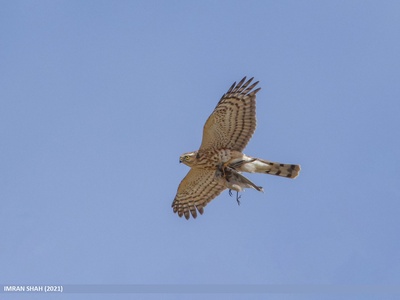
Eurasian sparrowhawk
Agile small hawk preying on passerines; darts through trees and is often seen pursuing birds in suburban areas.
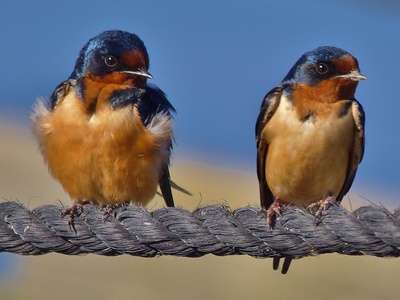
Barn swallow
Iconic fork-tailed swallow that nests in barns and under eaves. Migratory breeder returning in spring to raise young.
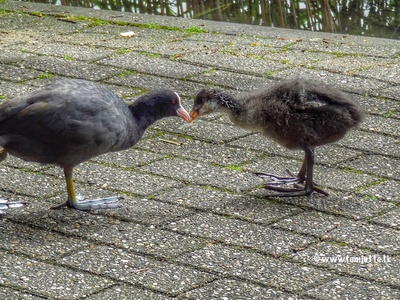
Eurasian coot
Black waterbird with white frontal shield common on ponds and reedbeds, often seen swimming and diving for vegetation.
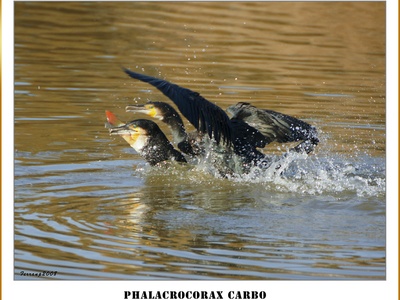
Great cormorant
Large black fish-eating bird often seen drying wings on posts; fishes along coasts and inland waters.
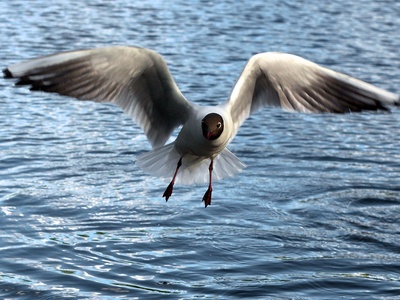
Black-headed gull
Small gull with dark summer head; common on beaches, mudflats and inland waters, noisy in colonies.
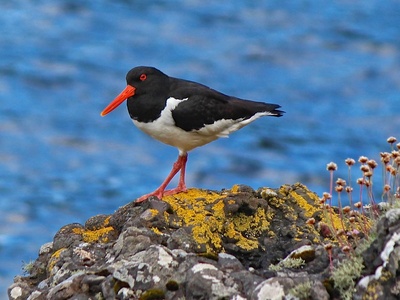
Eurasian oystercatcher
Black-and-white shorebird with bright orange bill specialized in feeding on shellfish on tidal flats and sandy shores.
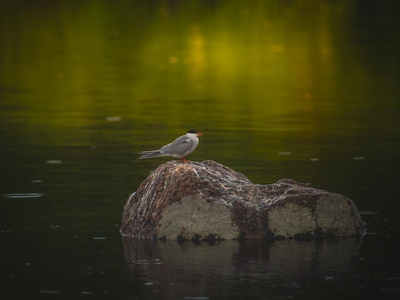
Common tern
Elegant, cliff-nesting seabird that dives for small fish. Breeds in colonies on shingle and islands near the coast.
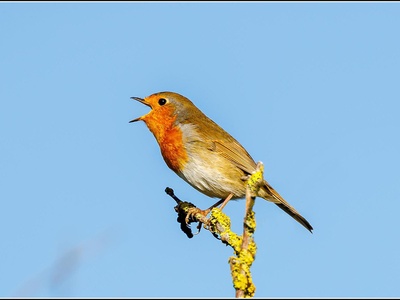
European robin
Familiar orange-breasted songbird often seen in gardens. Bold around people and sings through much of the year.
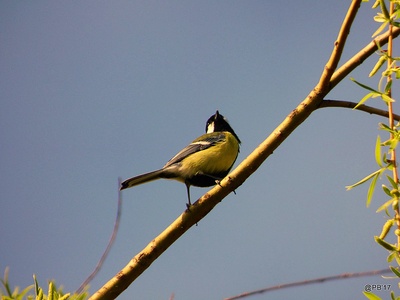
Great tit
Bold, adaptable cavity-nesting bird visiting feeders. Vocal and common in parks, woodlands and suburban gardens.
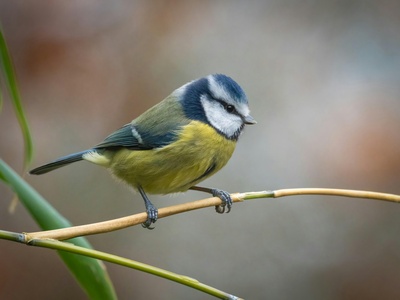
Eurasian blue tit
Small colorful tit frequent at feeders and nesting boxes, quick and lively in deciduous trees.
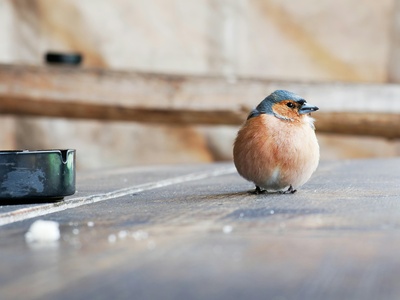
Common chaffinch
Colorful finch with a varied song that inhabits hedgerows and parks, common across Belgium.
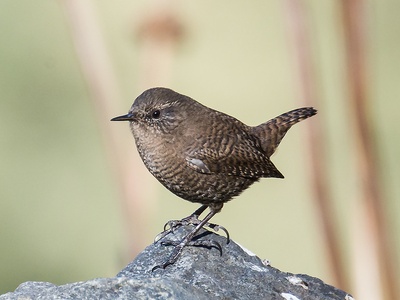
Eurasian wren
Tiny, energetic singer preferring dense cover. Often heard more than seen, popping around low vegetation.
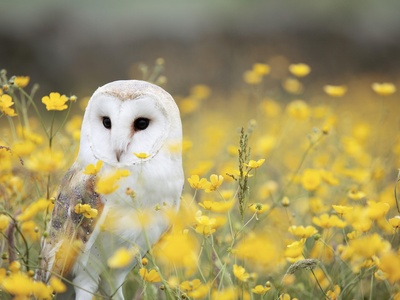
Barn owl
Silent nocturnal hunter of rodents that nests in barns and church towers. Vulnerable to habitat loss but still breeding locally.
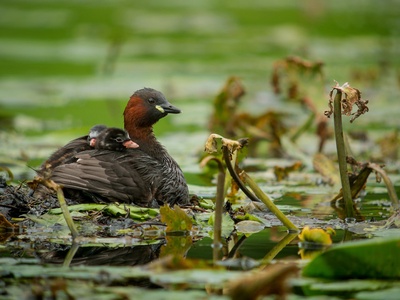
Little grebe
Small diving waterbird that skulks among reeds, often seen as small floating balls with rapid dives.
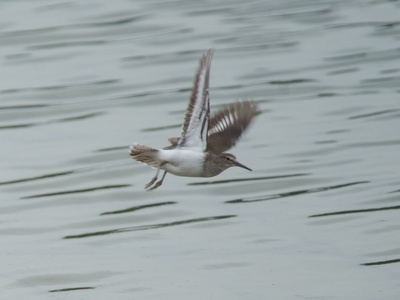
Common sandpiper
Wading bird bobbing along muddy shores, nests on stones and pebbles near fresh water.
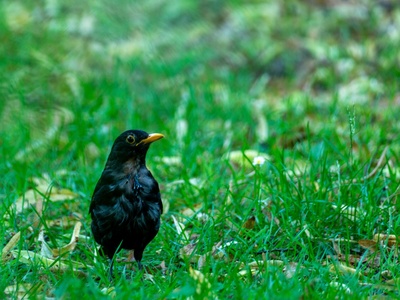
Common blackbird
Familiar melodious songster; males glossy black and common in towns and countryside, often feeding on the ground.
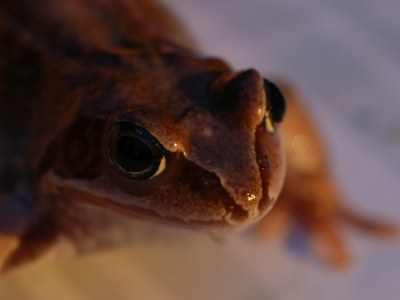
Common frog
Brown-green frog appearing en masse in spring to breed in ponds. Common in gardens, hedgerows and woodland pools.
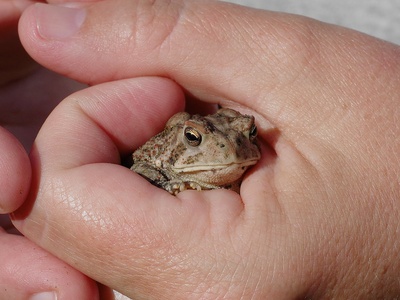
Common toad
Stout, warty amphibian migrating to ponds for spawning. Nocturnal and often found under cover in gardens.
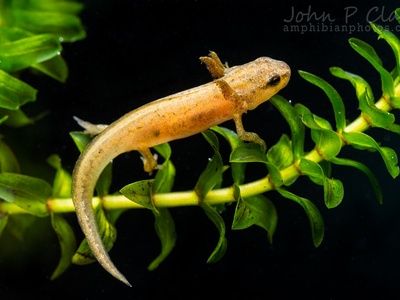
Smooth newt
Small aquatic newt; males show bright colors in breeding season. Found in garden ponds and quiet pools.
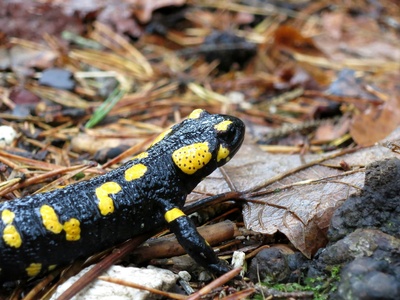
Fire salamander
Black amphibian with yellow markings, secretive and active at night. Females give birth to larvae in streams.
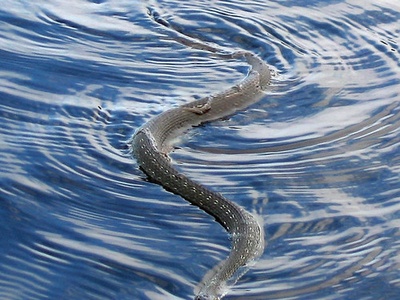
Grass snake
Non-venomous water snake with yellow collar, often near water feeding on frogs and fish; shy but sometimes seen basking.
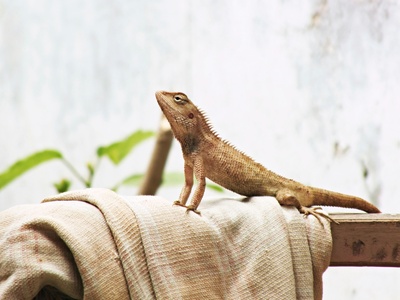
Common lizard
Small brown lizard that basks on rocks and tolerates cooler climates by giving live birth to young.
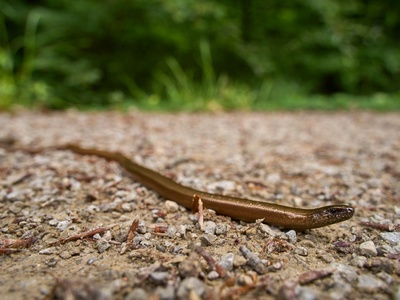
Slow worm
Legless lizard resembling a snake, feeds on slugs and worms, commonly found in gardens and hedgerows.
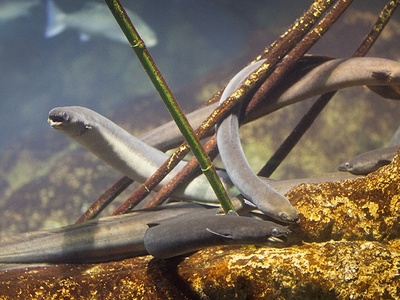
European eel
Catadromous fish that spawns in the Sargasso Sea. Numbers have plunged; adults live in rivers and estuaries before migrating to sea.
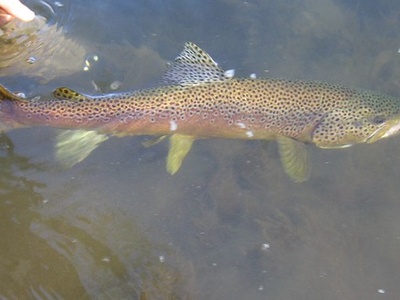
Brown trout
Native trout of clean upland rivers, prized by anglers; shows variable life histories including migratory and resident forms.
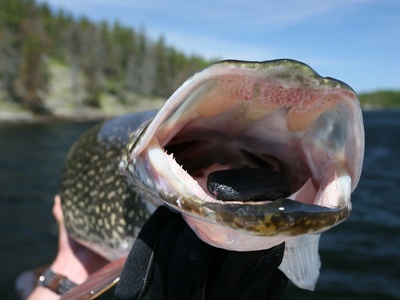
Northern pike
Ambush predator with large mouth, lurking among vegetation to snap up fish; common target for anglers.
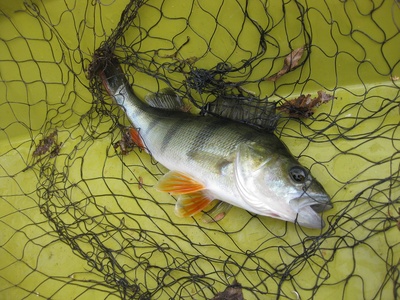
European perch
Striped freshwater fish common in lakes and canals, often caught by anglers and feeding on smaller fish and invertebrates.
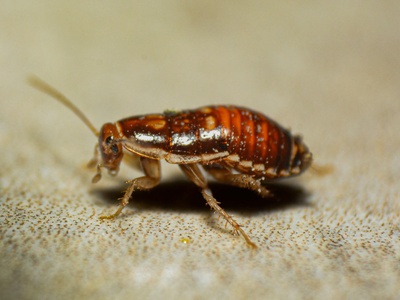
Roach
Hardy schooling fish typical of slow waters and canals, common across Belgium’s inland waters.
Tench
Olive-green bottom-dweller tolerant of low oxygen conditions, frequent in weedy, slow-moving waters.
Stag beetle
Large dark beetle with impressive mandibles in males. Larvae develop in decaying wood; protected and cherished in gardens and woods.
European honey bee
Familiar pollinator forming colonies; both wild and managed populations play a crucial role in pollination of crops and wildflowers.
Common blue
Small blue butterfly found on clover-rich grasslands. Males brightly colored; caterpillars feed on legumes and other wildflowers.
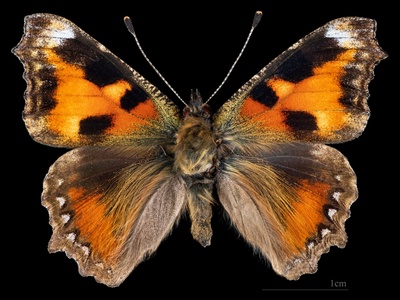
Small tortoiseshell
Vibrant orange-black butterfly whose caterpillars feed on nettles. Common in gardens and hedgerows, often seen basking.
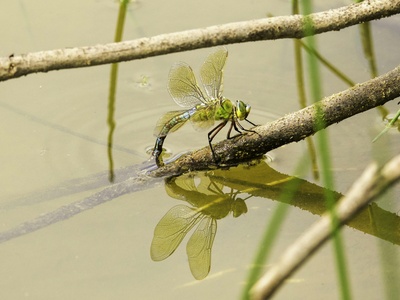
Emperor dragonfly
Large, colorful dragonfly that patrols ponds and lakes. Strong flier often hovering over open water catching insects.
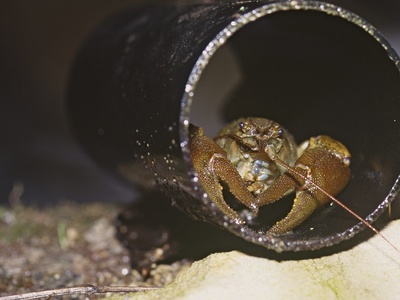
White-clawed crayfish
Native freshwater crayfish now threatened by disease and invasive crayfish. Survives in a few clean, well-oxygenated streams and rivers.