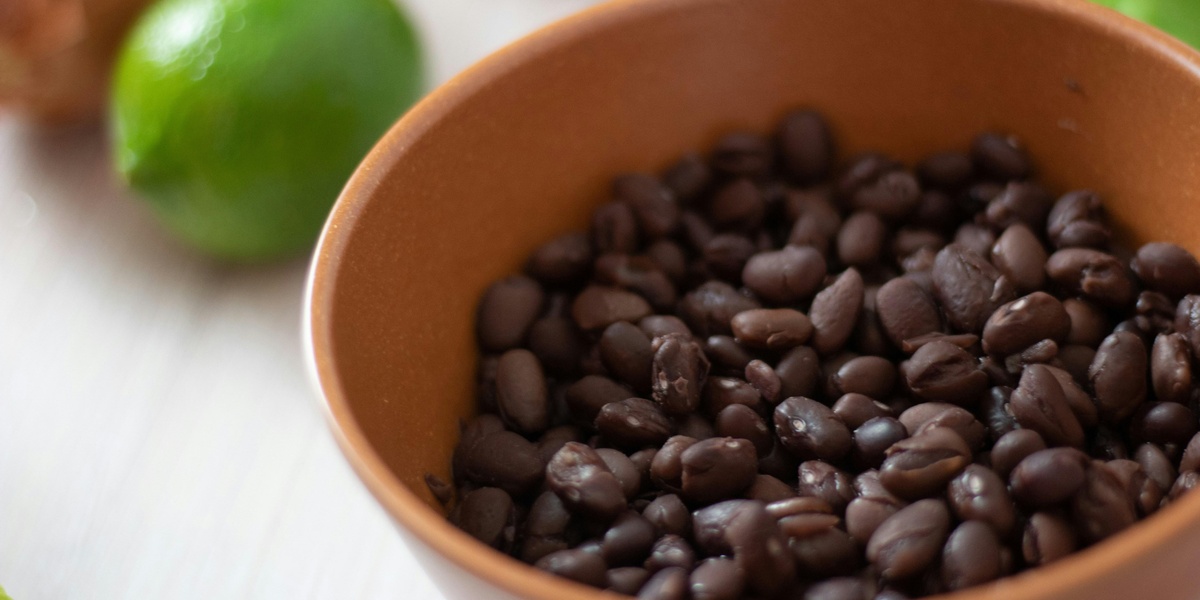
A 2019 USDA analysis found that dry beans are among the top plant-based sources of protein and fiber in American diets — but not all beans are the same.
Black beans and pinto beans are both reliable pantry staples, but they differ in flavor, nutrition, cooking behavior, and everyday uses — differences that matter for taste, meal planning, and cost. Deciding between black beans vs pinto beans can change the texture of a refried-bean taco, the color of a rice bowl, or the micronutrient balance of a weeknight dinner.
This article compares these varieties across ten practical differences grouped into three categories: nutritional and health, culinary and sensory, and practical/economic and storage.
Nutritional and health differences
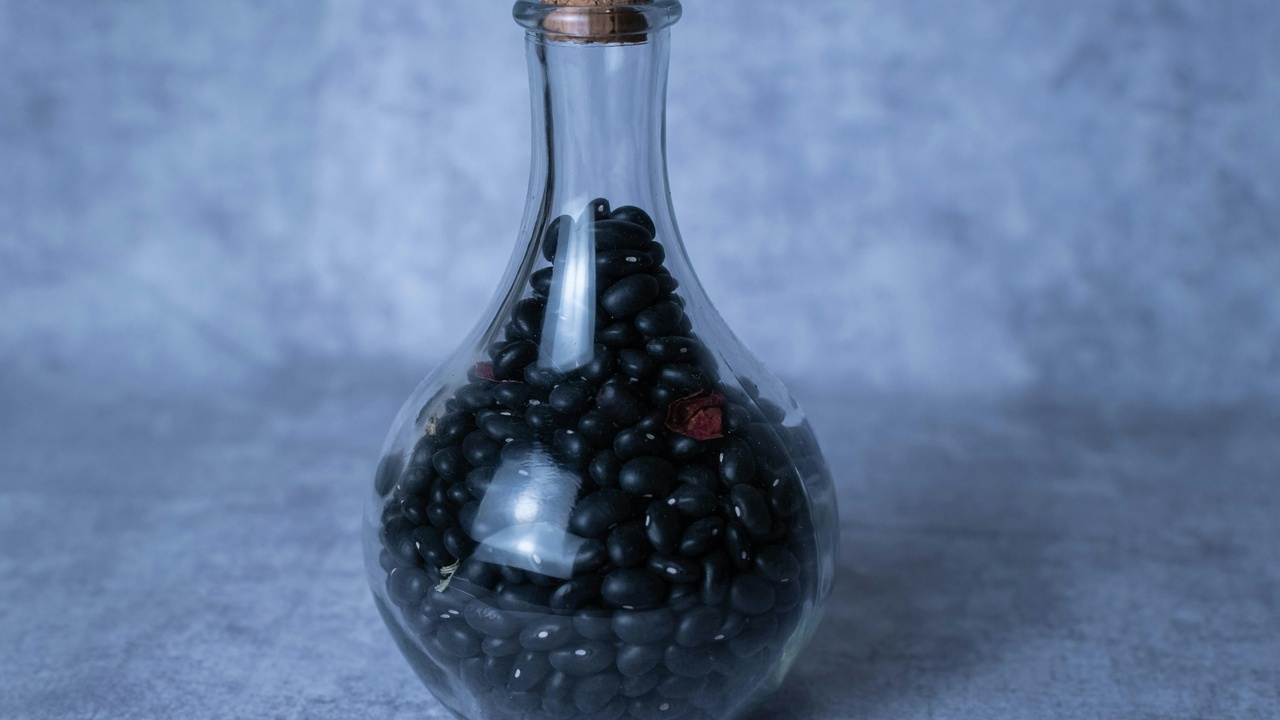
Beans vary in macronutrients, vitamins and phytochemicals; those differences affect satiety, micronutrient intake and modest antioxidant contributions to the diet.
1. Protein, fiber and calories
Per cup cooked, black beans and pinto beans deliver similar protein — roughly 15 g — and both provide about 15 g of fiber, but calories differ slightly. A cooked cup of black beans is approximately 227 kcal, while a cooked cup of pinto beans runs about 240–250 kcal (USDA nutrient data ranges by variety and cooking method).
Practical takeaway: either bean is an excellent plant-protein swap in burritos, salads or grain bowls; choose pinto if you want a slightly richer mouthfeel and black beans if you prefer lower-calorie volume per cup.
2. Vitamins, minerals, and iron availability
Micronutrient differences are modest but real. Cooked black beans typically provide several milligrams of iron and good folate, magnesium and potassium per cup; pinto beans offer comparable iron and often similar or slightly higher amounts of folate and potassium (USDA Nutrient Database values vary by sample and preparation).
Bioavailability matters: phytates in all dried beans can reduce mineral absorption. A practical fix is to pair beans with vitamin C–rich foods (for example, add ¼ cup fresh salsa or a squeeze of lime to your beans) to boost iron uptake at a meal.
3. Antioxidants and phytochemicals
Black beans get their dark color from anthocyanins in the seed coat, and several studies (including analyses in food-chemistry journals) show black varieties score higher on antioxidant assays than lighter-colored beans. Pinto beans contain other polyphenols and flavonoids but generally register lower on anthocyanin measures.
Practical takeaway: the antioxidant difference is a useful bonus — use black beans to add pigment and a modest antioxidant boost to chili or salads — but they are not a substitute for fruit and vegetables as primary antioxidant sources.
4. Glycemic index and digestive effects
Both beans have low to moderate glycemic responses: many cooked beans fall in the GI ~30–40 range, thanks to fiber and resistant starch that slow glucose release. That makes them good for blood-sugar control compared with refined carbs.
Digestibility varies by person and preparation. Soaking dried beans overnight, discarding the soak water, adding kombu or cumin while cooking, or rinsing canned beans can reduce oligosaccharides (which cause gas) and improve tolerance.
Culinary and sensory differences
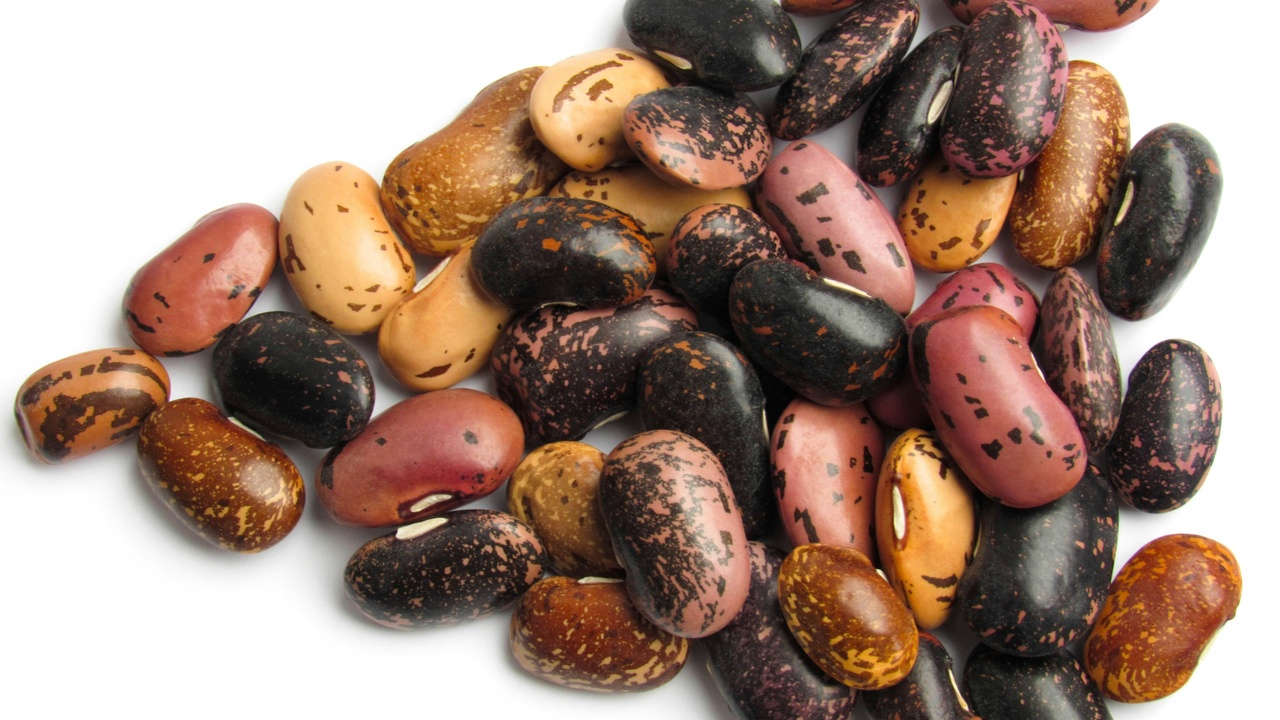
Appearance, taste and texture determine which dishes each bean shines in. Below are three practical culinary differences that steer recipe choices.
5. Flavor profile and color
Black beans have a deeper, earthy-sweet flavor and glossy black skins that add visual contrast — they pop against white rice and bright salsas (Cuban black beans, Brazilian feijoada). Pinto beans have a nutty, mellow taste and a beige-speckled appearance that softens to a warm tan when cooked.
Example: Cuban-style black beans with rice rely on the bean’s color and savory-sweetness, while Mexican refried pinto beans play the background with a creamy, comforting flavor.
6. Texture and how they hold up in recipes
Black beans tend to hold their shape after cooking, making them ideal for salads, salsas and stews where distinct beans are desirable. Pinto beans soften and mash more readily, which is why they’re the classic choice for refried beans and smooth purées.
Cooking time for dried beans varies with age and soak: roughly 60–90 minutes on the stove (soaked) or 25–35 minutes under high pressure (Instant Pot). Tip: wait to add salt until beans are tender to avoid tough skins.
7. Interaction with spices and cuisines
Black beans pair naturally with cumin, oregano, lime and cilantro and feature heavily in Caribbean and some Latin-American cuisines. Pinto beans complement smoky chiles, bay leaf, onion and cumin and are staples in Mexican and Tex‑Mex cooking.
Substitution note: you can swap black and pinto in many dishes, but flavor and color change — swap black beans for pinto in a chili and expect a darker, earthier finish; add pinto beans to a black-bean burger blend for creamier texture.
Practical, economic and storage differences
Pantry choices are shaped by price, convenience and shelf life. Here are three practical considerations to help you shop and store wisely.
8. Price and availability
Both beans are widely available across U.S. grocery stores; pinto beans are particularly common in Southwestern markets while black beans appear frequently in Latin‑American and Caribbean aisles. Dried beans are the most economical option per pound.
Typical retail ranges: dried beans roughly $1–$2 per pound; canned beans about $0.80–$1.50 per 15 oz can, depending on brand (Goya, La Preferida, Bush’s and supermarket brands vary). Buying in bulk often cuts the cost per pound substantially.
9. Canned vs dried: convenience and sodium
Canned beans save time but often contain added sodium and sometimes preservatives; dried beans take soaking and cooking but give you control over salt and texture. Typical canned bean sodium ranges from about 300–500 mg per ½ cup, while low-sodium or no-salt-added options are usually under 140 mg.
Rinsing canned beans reduces sodium roughly 30–40%. Time comparison: canned beans are ready in minutes; dried beans need 1–2 hours on the stovetop (soaked) or 25–35 minutes in a pressure cooker.
10. Storage, shelf life and pantry tips
Dried beans stored in sealed containers in a cool, dry place will keep well for 2–3 years, though older beans take longer to cook and may never soften fully. Unopened canned beans generally have a shelf life of 3–5 years.
Practical tips: label jars with purchase dates, do a quick soak-test for older beans before long cooks, and freeze cooked beans in 1-cup portions in zipper bags for 3–6 months of ready-to-use convenience.
Summary
- Black beans bring deeper color, anthocyanin-rich skins and a firmer texture — choose them for salads, rice bowls and dishes where the bean should hold shape.
- Pinto beans mash easily and offer a creamy, nutty base — they’re the go-to for refried beans, purées and comforting Tex‑Mex sides.
- Canned beans are convenient but watch sodium (typical canned beans 300–500 mg per ½ cup); rinsing cuts salt by roughly 30% and no-salt-added cans or dried beans let you control sodium and texture.
- Try swapping black beans vs pinto beans in one favorite recipe this week to see how flavor, color and texture change; it’s the easiest way to learn which you prefer.