Stretching across North America and Eurasia, the boreal forest is a vast belt of conifers, lakes and long winters that shapes the life histories of its predators. Deep snow, seasonal prey shifts and large territories mean carnivores here have specialized behaviors and body plans to survive and hunt.
There are 26 boreal forest carnivores, ranging from American Marten to Wolverine. For each species the data are organized with Scientific name,Size (kg),Range so you can compare identification, typical mass and distribution — you’ll find below.
How can I observe boreal forest carnivores without disturbing them?
Use indirect methods: learn signs (tracks, scat, kills), set motion-activated cameras, and watch from a distance with binoculars during dawn or dusk; avoid altering habitat or baiting animals, and follow local guidelines to minimize stress and displacement.
Which species on the list are most affected by habitat change?
Species that need large, contiguous forest (like wolverine and some foxes) and specialists reliant on particular prey or den sites are most vulnerable; fragmentation, logging and climate-driven shifts in prey availability are the primary threats and drive range contractions for sensitive carnivores.
Boreal Forest Carnivores
| Common name | Scientific name | Size (kg) | Range |
|---|---|---|---|
| Gray Wolf | Canis lupus | 25-45 | Canada, Alaska, Russia, Scandinavia |
| Canada Lynx | Lynx canadensis | 8-14 | Canada, Alaska, northern Rockies |
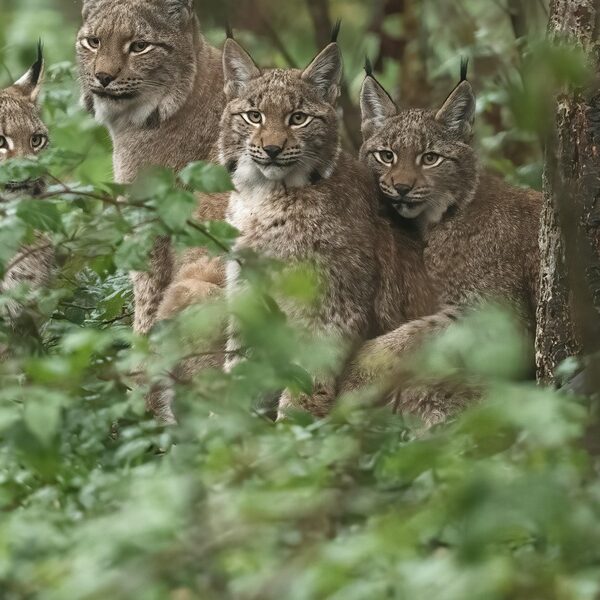
| Eurasian Lynx | Lynx lynx | 18-30 | Russia, Scandinavia, Baltic states, Siberia |
| Coyote | Canis latrans | 9-23 | Boreal North America, southern taiga edges |
| Red Fox | Vulpes vulpes | 3-14 | Circumpolar boreal regions, Eurasia, North America |
| Wolverine | Gulo gulo | 9-18 | Circumboreal: Russia, Canada, Alaska, Scandinavia |
| American Marten | Martes americana | 0.7-1.5 | Canada, Alaska, northern US forests |
| Pine Marten | Martes martes | 0.8-1.8 | Northern Europe, Russia, parts of Siberia |
| Sable | Martes zibellina | 1.0-2.5 | Siberia, Russian Far East |
| Fisher | Pekania pennanti | 2.5-6.5 | Northern North America, boreal forests |
| Stoat (Ermine) | Mustela erminea | 0.1-0.3 | Circumboreal taiga regions |
| Least Weasel | Mustela nivalis | 0.03-0.1 | Widespread across boreal regions |
| Siberian Weasel | Mustela sibirica | 0.2-0.6 | Siberian taiga, Far East Russia |
| American Mink | Neovison vison | 0.6-1.5 | Boreal North America, riparian zones |
| North American River Otter | Lontra canadensis | 5-14 | Boreal lakes, rivers in Canada and Alaska |
| Eurasian Otter | Lutra lutra | 7-12 | Boreal rivers and lakes across Europe and Russia |
| Siberian Tiger | Panthera tigris | 140-220 | Russian Far East boreal-temperate forests |
| Northern Goshawk | Accipiter gentilis | 0.7-1.6 | Circumboreal forests in North America and Eurasia |
| Northern Hawk Owl | Surnia ulula | 0.3-0.4 | Boreal North America, Fennoscandia, Russia |
| Great Grey Owl | Strix nebulosa | 0.9-1.6 | Northern boreal forests across Eurasia and North America |
| Boreal Owl | Aegolius funereus | 0.1-0.2 | Circumboreal coniferous forests |
| Ural Owl | Strix uralensis | 0.6-1.2 | Northern Europe, Russia, Siberia |
| Great Horned Owl | Bubo virginianus | 1.0-2.5 | Boreal North America woodlands and edges |
| Osprey | Pandion haliaetus | 1.0-2.0 | Boreal lakes and rivers across Northern Hemisphere |
| Bald Eagle | Haliaeetus leucocephalus | 3.0-6.3 | Boreal coasts, large rivers and lakes in North America |
| Kotzebue/Masked Shrew? (excluded) | Not applicable | 0 | Not applicable |
Images and Descriptions

Gray Wolf
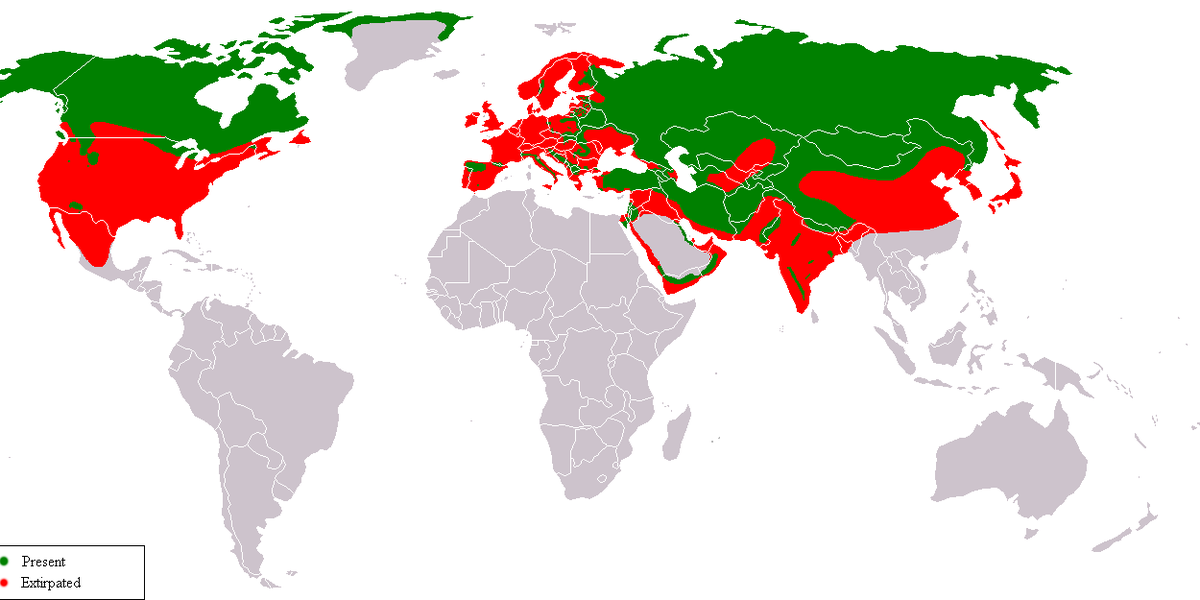
Top boreal predator that hunts ungulates and small mammals in packs. Uses large forest tracts and frozen corridors; adaptable, keystone role. Populations vary regionally—some thriving, others locally threatened by habitat loss and conflict with humans.
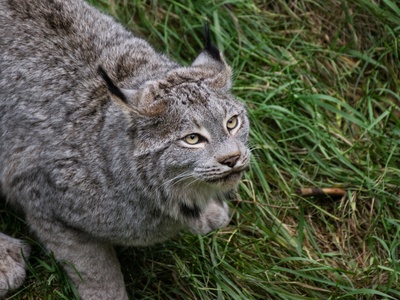
Canada Lynx
Specialist predator of snowshoe hares in dense boreal forests. Medium-sized, solitary cat with large paws for deep snow. Populations cycle with prey; protected in parts of its range where logging and trapping pressure occur.
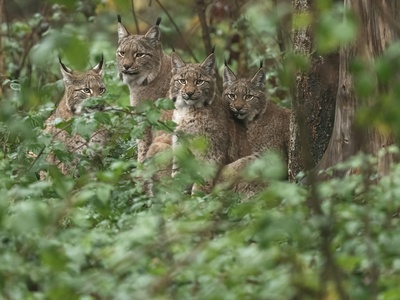
Eurasian Lynx
Large solitary cat preying on roe deer, hares and small ungulates in Eurasian taiga. Secretive forest hunter with thick fur; recovering in some regions where hunting is controlled, but fragmented habitat remains a concern.
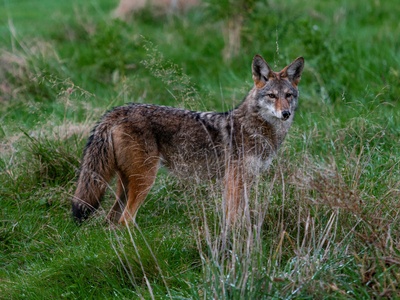
Coyote
Versatile predator and scavenger that forages on rodents, birds and carrion across boreal forests and edges. Increasingly common and adaptable to changing landscapes; plays key role controlling small mammal populations.
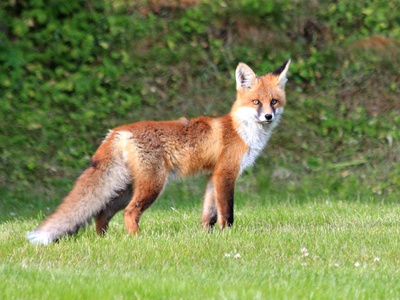
Red Fox
Small, opportunistic carnivore that hunts rodents and birds in forests and clearings. Highly adaptable; often the most common mesopredator. Local declines rare but impacted by trapping and disease in parts of its range.
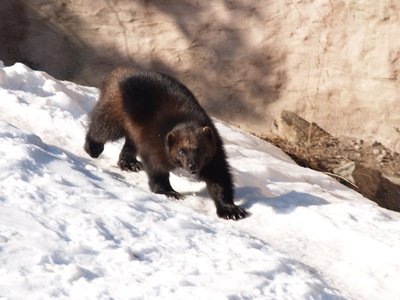
Wolverine
Powerful, solitary scavenger-predator that roams vast boreal landscapes, feeding on carrion and small to medium mammals. Notable for endurance and cold tolerance; low densities and habitat fragmentation make many populations vulnerable.
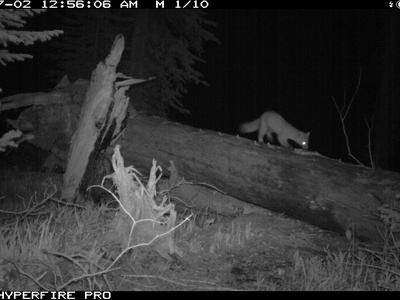
American Marten
Arboreal mustelid that feeds on small mammals, birds and insects in mature boreal stands. Indicator of old-growth forest health; declines follow heavy logging, making conservation of mature forest important.
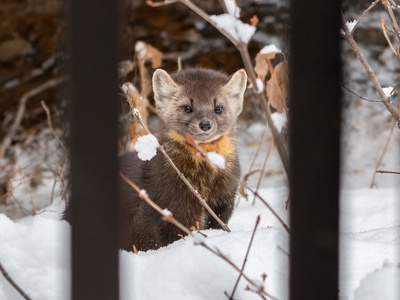
Pine Marten
Forest-dwelling predator that takes rodents, birds and fruit in boreal woodlands. Agile climber using tree cavities for denning; protected in some countries where forest loss and persecution reduced numbers.

Sable
Valued fur-bearing mustelid of the Eurasian taiga that preys on rodents and birds. Secretive and arboreal, sable populations were historically overhunted but remain widespread; management important for sustainable harvest.

Fisher
Large mustelid hunting squirrels, hares and occasionally porcupines in mature boreal forests. Important predator of arboreal prey; recolonization occurs where forests recover, though habitat fragmentation limits distribution.

Stoat (Ermine)
Small, fierce predator of rodents and birds; molts to white in winter across much of the boreal zone (ermine phase). Population cycles track prey; trapped historically but generally widespread.
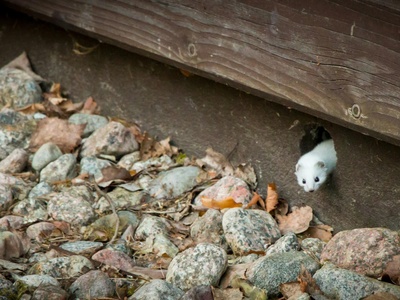
Least Weasel
Tiny specialist predator feeding almost exclusively on small rodents in boreal undergrowth. Very active hunter with high metabolism; common where rodents are abundant and largely unaffected by hunting.
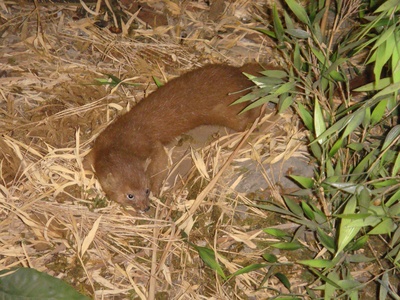
Siberian Weasel
Forest mustelid that preys on rodents and birds in Asian boreal woodlands. Agile and fast, it uses tree cavities and rocky den sites; local threats include habitat change and trapping.

American Mink
Semi-aquatic carnivore eating fish, amphibians and small mammals along boreal streams and lakes. Often tied to healthy riparian habitats; fur harvest and habitat changes have influenced regional populations.
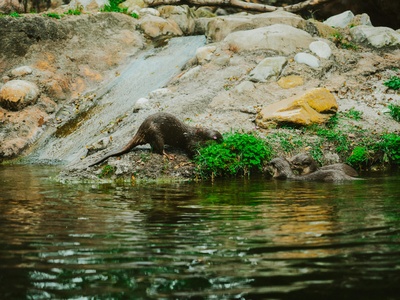
North American River Otter
Aquatic carnivore feeding on fish, crayfish and amphibians in boreal waterways. Uses dens along shores, swims long distances; populations have rebounded where water quality and habitat are protected.
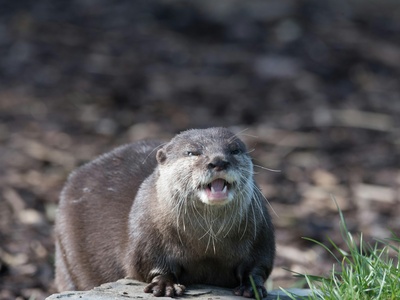
Eurasian Otter
Semi-aquatic predator taking fish and invertebrates in taiga waterways. Secretive and habitat-sensitive; many populations recovered after pollution controls, but local declines continue where water quality and riparian cover suffer.
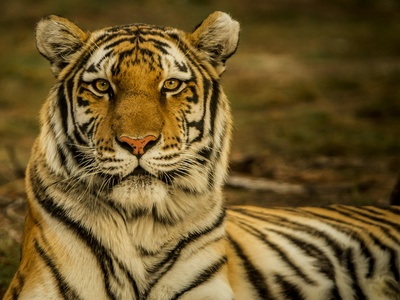
Siberian Tiger
Amur tiger uses mixed boreal forests to hunt deer and boar at the southern edge of taiga. Apex predator with huge home ranges; critically endangered in some areas, reliant on intact forest and prey populations.
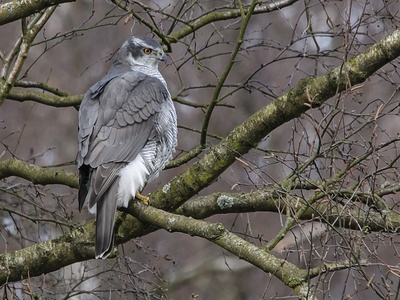
Northern Goshawk
Powerful forest raptor that ambushes medium-sized birds and mammals under canopy cover. Stealthy, aggressive hunter known for agility through dense trees; sensitive to large-scale logging that reduces nesting sites.
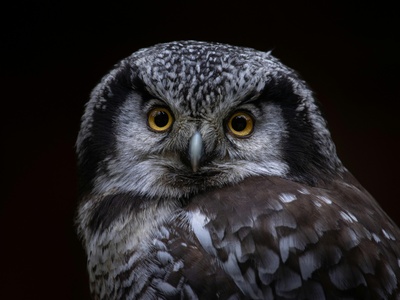
Northern Hawk Owl
Day-active owl that hunts rodents from perches in open boreal patches and edges. Combines hawk-like behavior with owl traits; irruptive movements occur when rodent cycles crash.
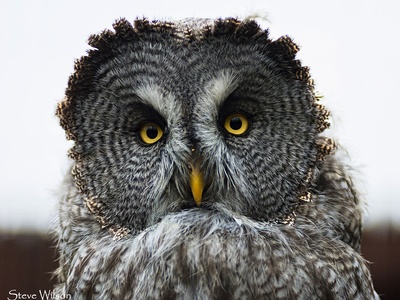
Great Grey Owl
Large, long-tailed owl feeding mainly on voles and small mammals in dense taiga. Exceptional hearing for hunting beneath snow; vulnerable locally to logging that removes nesting platforms and old-growth stands.
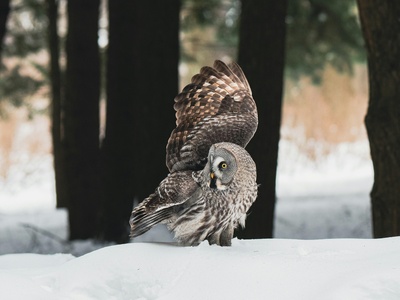
Boreal Owl
Small nocturnal owl eating voles and shrews in mature boreal stands. Nests in tree cavities and nest boxes; populations fluctuate with rodent cycles but remain characteristic of intact taiga.
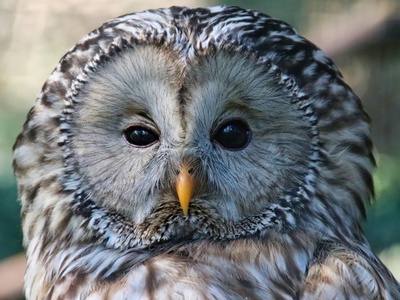
Ural Owl
Forest-specialist owl preying on rodents in mixed boreal woodlands. Large, long-lived and cavity-nesting; locally threatened where mature forest is removed, but stable in vast taiga tracts.
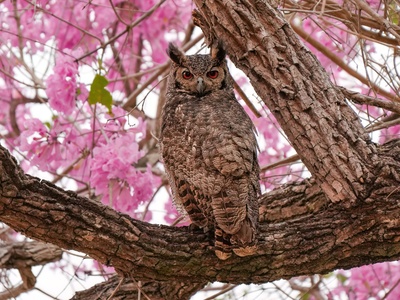
Great Horned Owl
Generalist apex avian predator taking mammals, birds and reptiles in boreal forests and clearings. Highly adaptable and territorial; often one of the largest nocturnal predators in northern forests.
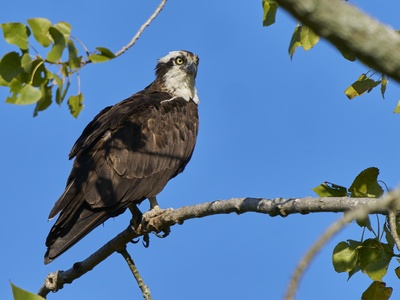
Osprey
Specialist fish-eating raptor that breeds on lakes and rivers in the boreal zone, using treetop or platform nests. Seasonal migrant in many areas; pollution and nest disturbance historically impacted populations but many have recovered.
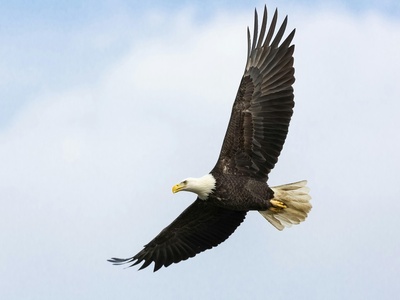
Bald Eagle
Large fish and carrion-eating raptor nesting in tall trees along boreal waterways. Top avian predator and scavenger; populations rebounded after pesticide bans, though habitat loss and human disturbance remain concerns.
Kotzebue/Masked Shrew? (excluded)
Not applicable