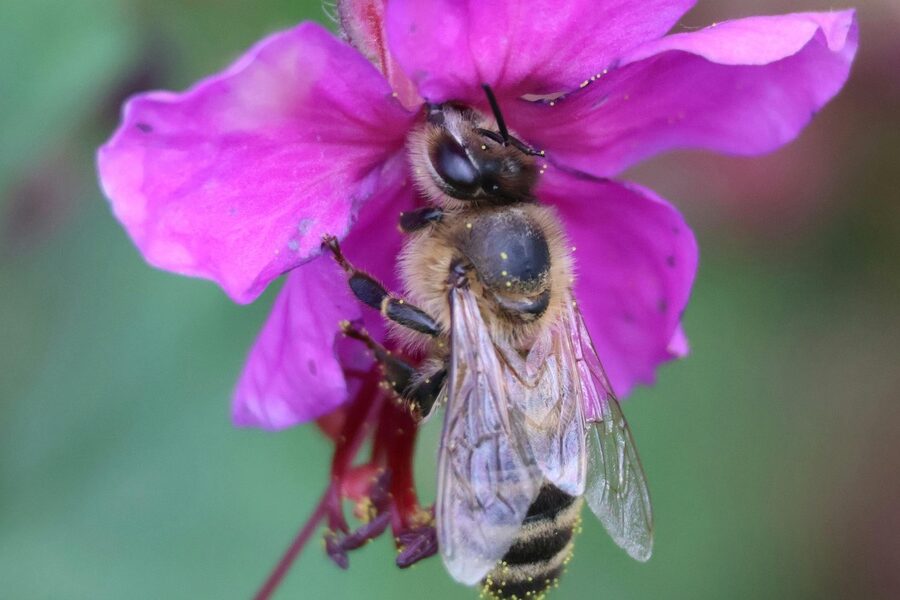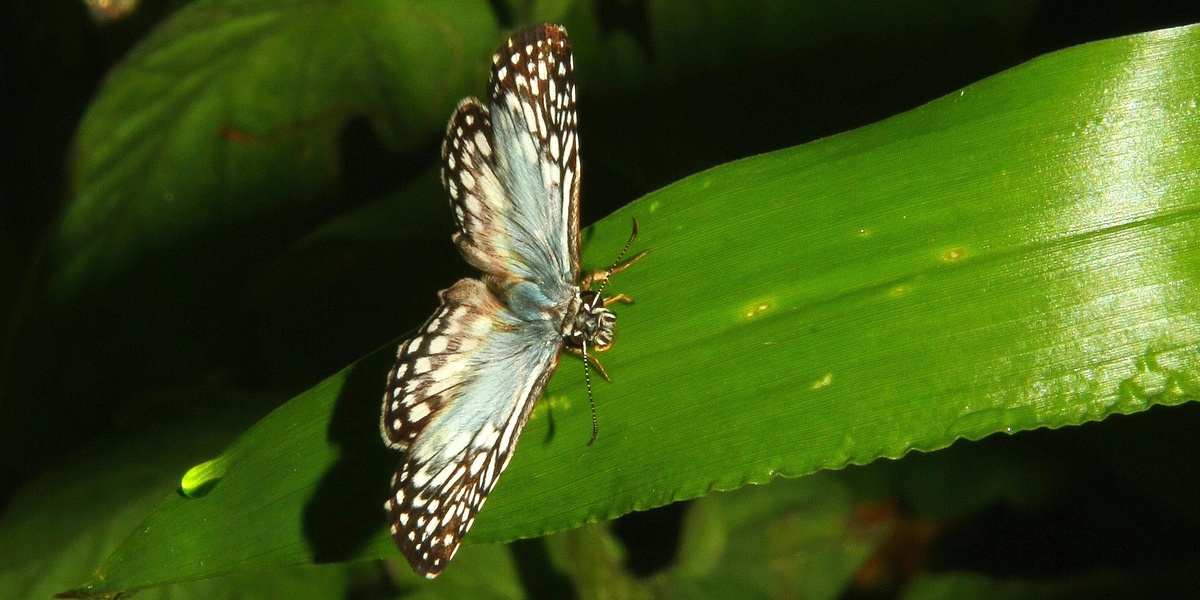
Around 90% of the roughly 177,500 described species in the order Lepidoptera are moths—moths outnumber butterflies nearly ten to one. That single fact surprises a lot of people, and it matters: knowing the practical differences helps you ID visitors in your garden, understand who’s doing nighttime pollination, and recognize why some species are cultivated for silk while others become pests. If you want a quick guide to butterflies vs moths, this piece lays out five simple, visible distinctions across anatomy, behavior, development, ecology, and our human interactions with them. For example, a Monarch butterfly (Danaus plexippus) can migrate roughly 4,000 km each year, a behavior tied to daytime feeding and navigation. Entomological surveys and global Lepidoptera estimates back up the big-picture numbers above. Here are five differences that make identification and appreciation simple.
Appearance and Anatomy
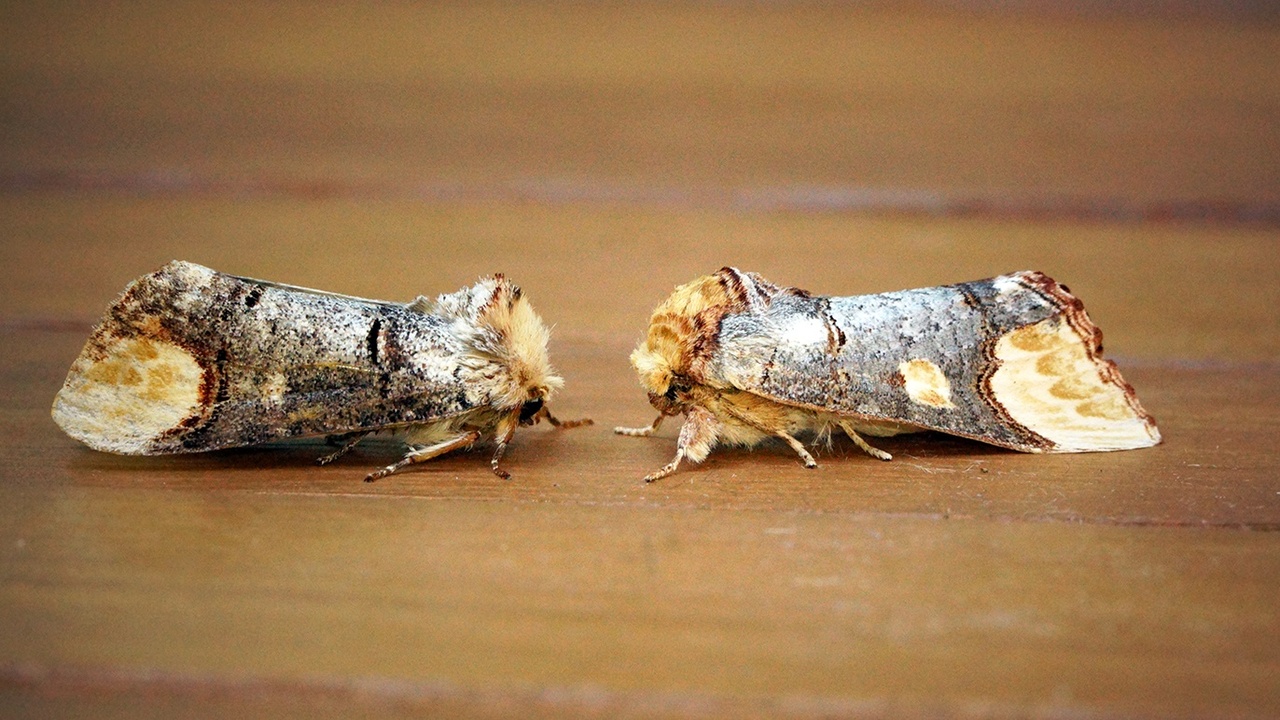
External anatomy—antennae, the way wings sit at rest, and tiny wing-coupling structures—gives the fastest clues for telling these insects apart. Look for a few clear visual markers and a camera close-up will usually settle the ID.
1. Antennae: Clubbed tips versus feathery or filamentous forms
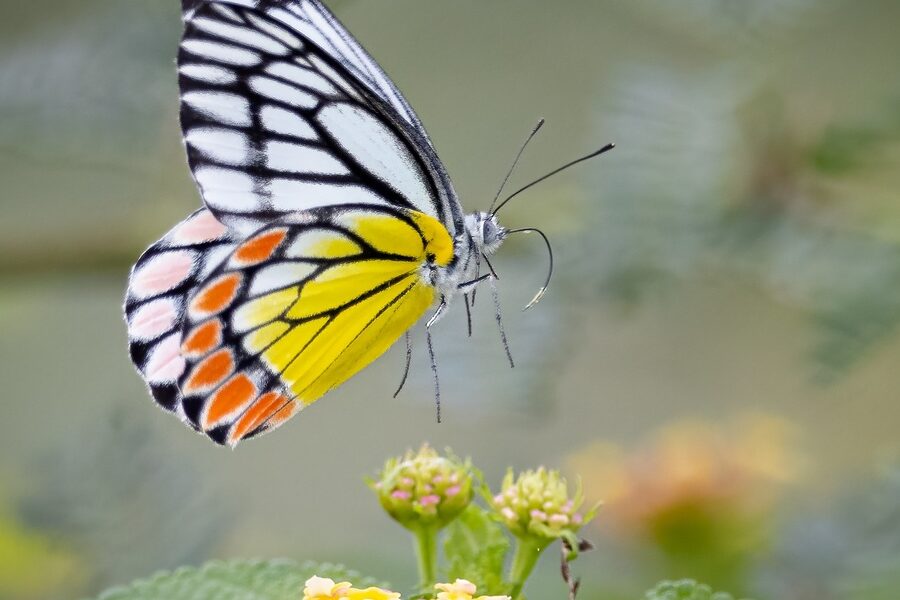
Butterflies typically have antennae that end in a noticeable club or a hooked tip; that’s the classic silhouette you’ll see on a Monarch (Danaus plexippus). Moths show far more variety: many males have plumose (feathery) antennae, while others are simple and filamentous. Those feathery antennae aren’t decorative—they increase surface area for detecting female pheromones over long distances.
Examples: the male silkworm (Bombyx mori) has strongly feathery antennae used to track females, while the Monarch’s clubbed antenna is a reliable marker for casual observers. Tip for gardeners and citizen scientists: zoom in on antennae in photos or watch the silhouette when the insect lands—antennae shape is usually visible and diagnostic.
2. Wing posture and coupling: folded wings vs roofed and the frenulum
At rest, butterflies commonly fold their wings vertically over their backs so the undersides are visible; Painted Lady and Monarch are good examples. Moths often rest with wings spread flat or tented over the body, which hides dorsal patterns. Large moths like the Atlas moth (Attacus atlas) display broad, flat wings with wingspans around 25–30 cm.
Another structural difference is the frenulum-retinaculum system: many moths have a tiny bristle (frenulum) that couples fore- and hindwings during flight—most butterflies lack this mechanism. For photographers, a quick glance at resting posture and whether the fore- and hindwings move as one or separately can speed up ID in the field.
Behavior and Activity Patterns
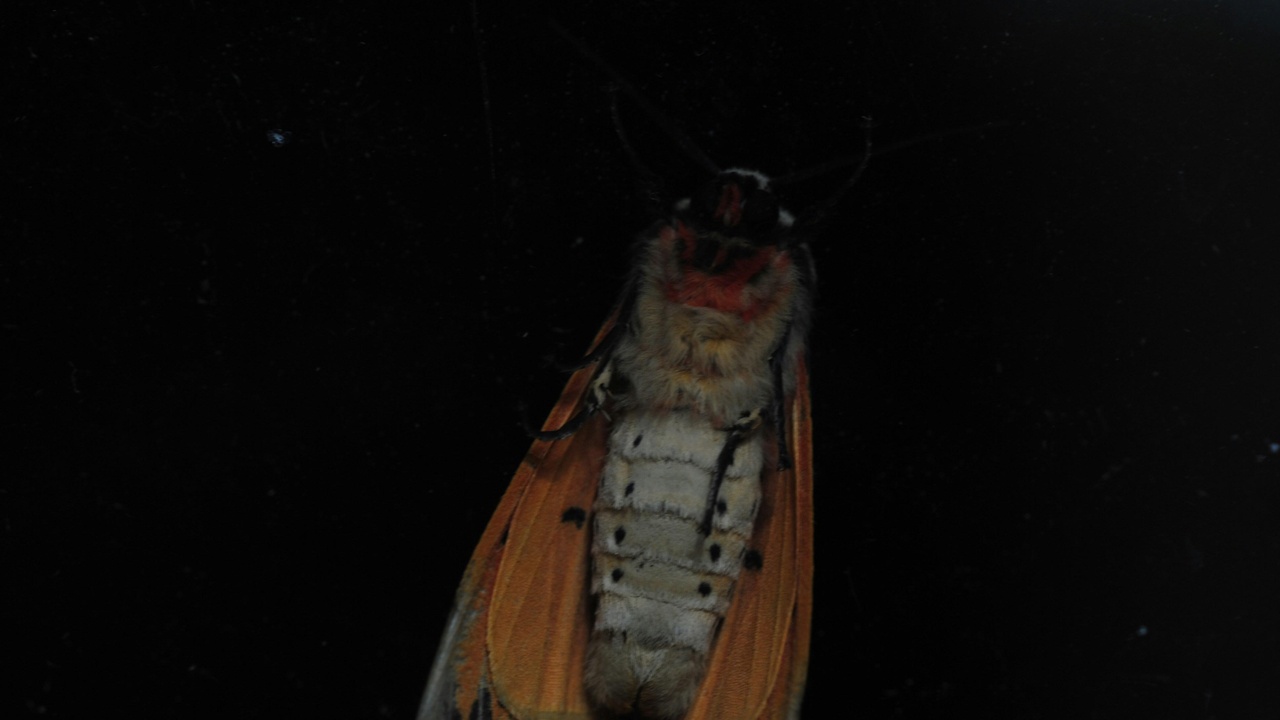
Daily timing and defensive behavior shape how and when you encounter these insects. Day-flying butterflies are easy to spot on flower beds; many moths fly after dusk and interact with a different set of plants and predators.
3. Daily activity: butterflies are mostly diurnal; many moths are nocturnal
The broad rule is simple: butterflies are primarily active by day; many moths are primarily active by night. Taxonomically this mirrors species counts—roughly 17,500 described butterfly species versus about 160,000 moth species, which helps explain why most night-flying Lepidoptera are moths.
Ecological consequence: night-blooming plants often rely on moth pollinators while daytime nectar sources serve butterflies. Hawk moths (for example, Manduca sexta) will hover at dusk like tiny hummingbirds to sip nectar from evening flowers. For observers, time of day is a quick ID shorthand: if it’s after sunset and it’s visiting flowers, it’s likely a moth.
4. Defense and attraction: camouflage, startle patterns, and light behavior
Both butterflies and moths use camouflage, mimicry, and startle displays—eyespot patterns on underwings are common in each group. But timing changes tactics: nocturnal moths tend to rely heavily on cryptic daytime roosting and chemical defenses, while some butterflies advertise toxicity with bright colors.
Moths are famously drawn to artificial lights; porch and street lights concentrate them and can disrupt navigation and increase predation. Observations have linked bright nighttime lighting with reduced moth abundance in lit habitats, which has knock-on effects for nocturnal pollination. Practically, that’s why a lit porch attracts many moths and why shielding lights helps protect local insect communities.
Life Cycle and Human Interactions
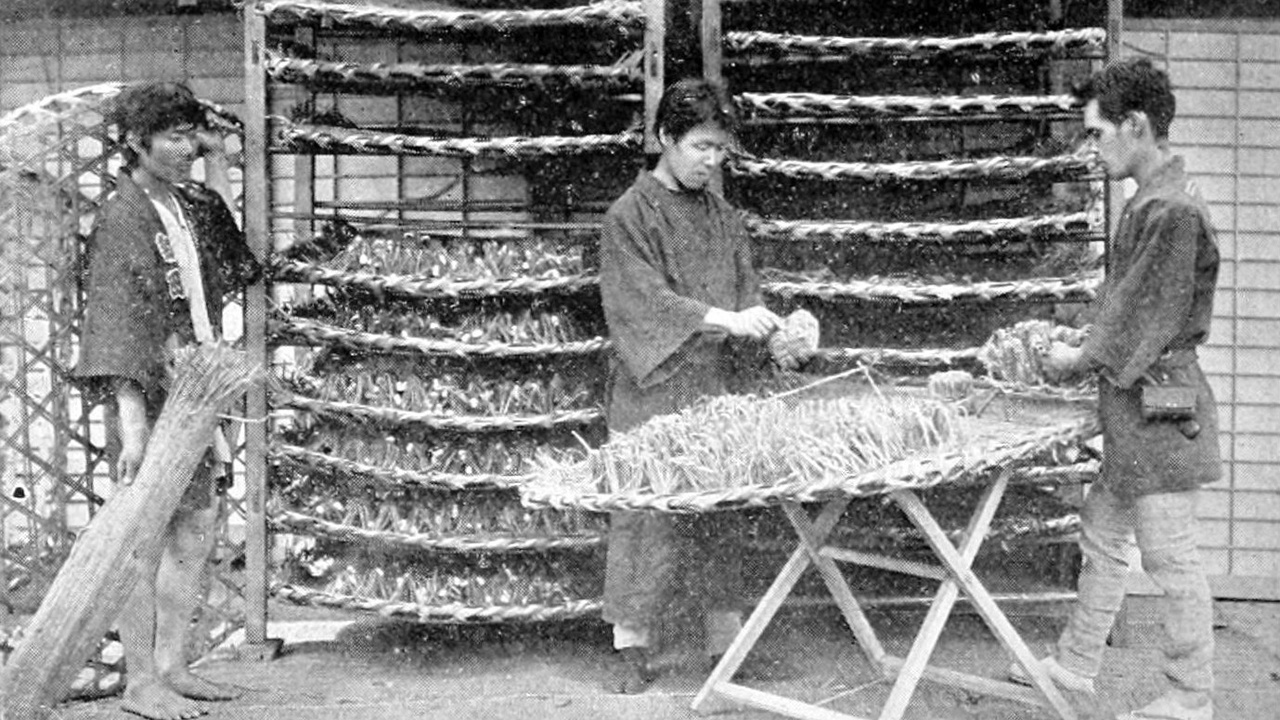
Butterflies and moths share the same four life stages—egg, larva (caterpillar), pupa, and adult—but pupation and human uses diverge in notable ways. These differences explain long human relationships like sericulture and ongoing issues like agricultural pests.
5. Pupae and people: chrysalises versus cocoons, silk, pests, and conservation
Butterfly pupae are usually exposed chrysalises—hard-shelled and attached to a substrate—while many moth larvae spin a silk cocoon that envelops the pupa. That silk case is the basis of sericulture: Bombyx mori, the domesticated silkworm, has been raised for silk for about 5,000 years.
Human interactions run the gamut. On the positive side, butterflies like the Monarch are conservation flagships; Monarch habitat restoration and milkweed planting are common public campaigns. On the negative side, some moths such as gypsy moths can cause large-scale defoliation and crop damage during outbreaks. Farmers, gardeners, and conservationists benefit from recognizing which species are helpful pollinators and which require management.
Those pupal differences also matter for monitoring: a visible chrysalis on a stem is easy to protect; cocoons in leaf litter or bark crevices can be overlooked. Understanding life stages helps with both fostering beneficial species and controlling pest ones.
Summary
- Species counts: moths vastly outnumber butterflies (about 177,500 Lepidoptera described; ~90% are moths), so most night flyers you meet will be moths.
- Anatomy: antennae shape (clubbed in butterflies; feathery or filamentous in moths) and wing posture at rest are quick visual IDs.
- Behavior: butterflies are mostly diurnal and visit daytime flowers; many moths are nocturnal, pollinating night-blooming plants and drawn to lights.
- Development and humans: butterflies form exposed chrysalises; many moths spin cocoons—silkworm sericulture began ~5,000 years ago, while some moths are notable pests.
- Practical actions: plant native nectar flowers and milkweed to support butterflies, and use shielded, low-intensity outdoor lighting to reduce moth disruption.