A 19th-century naturalist first described capuchin monkeys as “clever, mischievous little apes” after watching them crack open nuts with stones — an observation that kicked off centuries of interest in their behavior.
That early glimpse still matters: capuchin traits reveal how an adaptable, intelligent primate shapes tropical forests, influences local livelihoods through ecotourism and research, and sometimes ends up in the pet trade. Many people encounter capuchins in documentaries, sanctuaries, or zoos where individuals commonly live into their 30s or 40s.
Capuchins combine distinctive physical features, notable cognitive skills, and an important ecological role; understanding 10 defining characteristics explains why they’re among the most studied New World primates. Below I list 10 specific points grouped into physical traits, behavioral and cognitive traits, and ecological and conservation traits so you can see how anatomy, smarts, and ecosystem roles fit together.
Physical characteristics
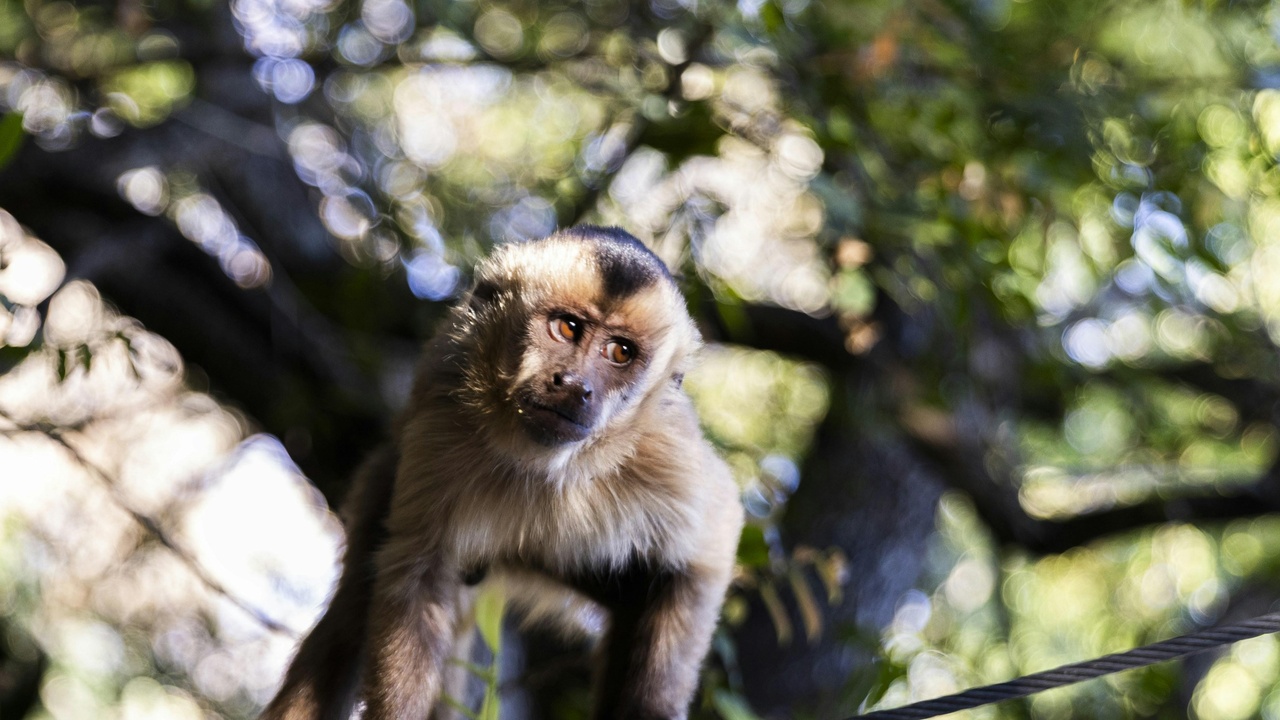
Capuchins display a compact, nimble build with fur and limb proportions shaped for life in the trees. Their body size, tail length, fur patterns, and exceptionally capable hands all support an arboreal, omnivorous lifestyle that includes climbing, careful manipulation of food, and movement across thin branches.
1. Size, weight and lifespan
Adult capuchins typically weigh about 1.5–4 kg and measure roughly 30–56 cm in body length, with tails often 35–50 cm long. Those dimensions make them light enough to move on small branches yet heavy enough to deter some predators.
Longevity varies with environment: field studies report average wild lifespans of roughly 15–25 years, while zoo records show individuals reaching into their 30s and even low 40s. Longer captive lives reflect steady food, veterinary care, and freedom from predators, which in turn affects social dynamics and reproduction rates.
2. Fur, coloration and sexual dimorphism
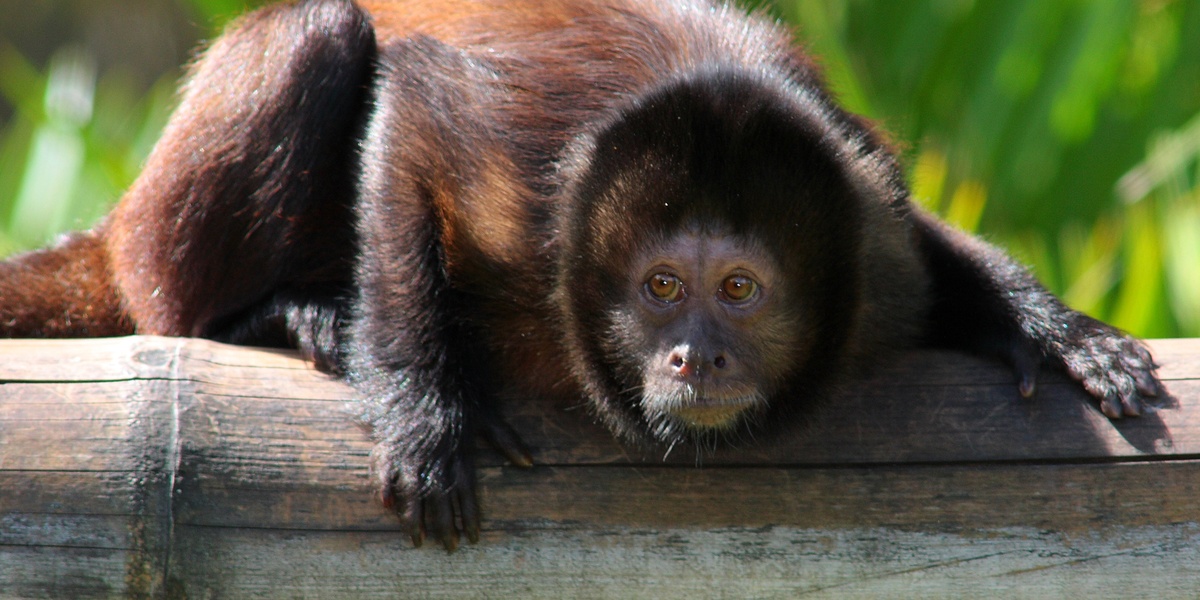
The name “capuchin” comes from a hooded or capped appearance many species show: contrasting facial fur and darker crowns create a distinct “cap.” White-faced capuchins (Cebus capucinus) have pale facial markings that stand out against darker bodies, while tufted or bearded capuchins (Sapajus spp.) sport darker tufts around the head.
Species-level variation matters for recognition and signaling in low-light forest understory. Sexual dimorphism is generally modest; males can be slightly larger and bulkier, but coloration differences between sexes are usually subtle rather than pronounced.
3. Tail: balance, mobility and occasional grasping
Capuchin tails are long and flexible, often as long as or longer than the body, and they serve primarily as a balance aid during locomotion. While not as highly specialized as the fully prehensile tails of spider monkeys, capuchin tails can brace and sometimes curl around branches to provide extra support during feeding or when reaching for food.
Field observers frequently note capuchins using the tail as a “third leg” when handling objects or crossing gaps, and occasional reports describe brief suspensory uses while manipulating food. The tail’s role is functional rather than a replacement for the strong grip of the hands.
4. Hands, fingers and tactile sensitivity
Capuchins have nimble hands with a thumb-like grip and sensitive fingertips that allow precise manipulation. They’re adept at peeling fruit, picking insects from bark crevices, and performing delicate maneuvers that require fine motor control.
That tactile sensitivity underpins demanding behaviors such as tool use and extractive foraging. In zoos and labs, capuchins routinely demonstrate the ability to learn novel manipulations, which mirrors the precise foraging techniques seen in the wild.
Behavioral and cognitive characteristics
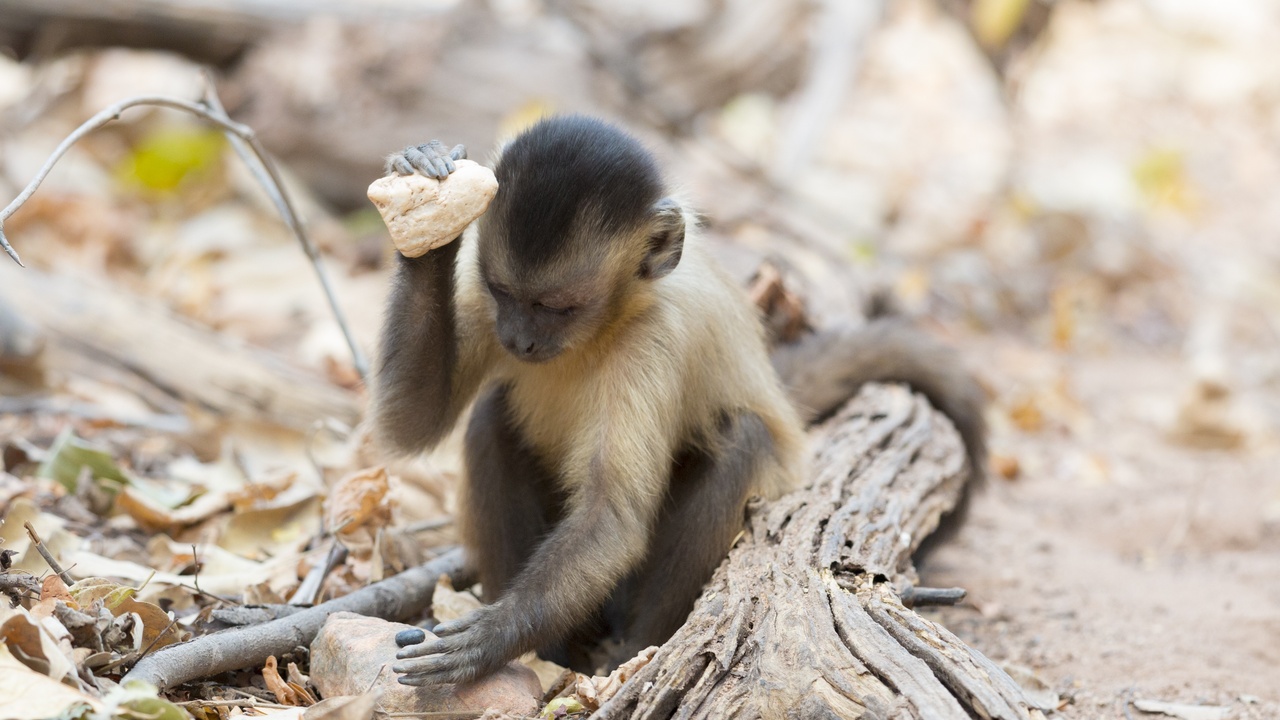
Capuchins are often highlighted for their intelligence, social learning, and flexible foraging. Documented tool use in wild populations and controlled problem-solving in captivity make them valuable subjects for comparative cognition studies. Below are four behavioral and cognitive traits that stand out.
5. Tool use and problem-solving
Among the characteristics of a capuchin, deliberate tool use is one of the most striking. Wild Sapajus populations in northeastern Brazil have been observed cracking nuts with stones used as hammers and anvils, a behavior documented in field studies since at least the 1990s and consistently recorded over decades.
Captive capuchins also solve multi-step problems and can be trained to use simple implements in laboratory tasks. These behaviors show cognitive flexibility and provide a comparative window into how tool use evolves and spreads culturally among nonhuman primates.
6. Social structure, learning and culture
Capuchins typically live in multi-male, multi-female groups with clear dominance hierarchies and frequent grooming. Troop sizes often average between 10 and 35 individuals, though local conditions can push numbers higher or lower.
Young capuchins learn by watching adults: juveniles pick up foraging techniques, alarm responses, and even tool habits through observation and imitation. Researchers describe population-level behavioral variation that resembles cultural transmission, with some groups showing unique foraging styles absent in nearby troops.
7. Communication: vocal, facial and tactile signals
Capuchins use a rich repertoire of signals to coordinate group life. Alarm calls warn of raptors and ground predators, contact calls help maintain spacing while foraging, and facial expressions and grooming support social bonds.
Studies report dozens of distinct vocalizations across populations, though counts vary by research approach. In practice, these signals help capuchins coordinate movement, reduce conflict, and alert others to danger, making communication a cornerstone of their social success.
8. Foraging strategy and diet flexibility
Capuchins are omnivores with a remarkably flexible diet: fruit and seeds when available, insects and small vertebrates in leaner months, and occasional plant exudates. They exploit seasonal changes—eating mostly fruit during peak fruiting and switching to animal prey or fallen seeds in the dry season.
Extractive tactics and tool-assisted feeding broaden their options. That dietary flexibility helps capuchins persist in fragmented forests and secondary growth where food availability shifts unpredictably.
Ecological role and conservation
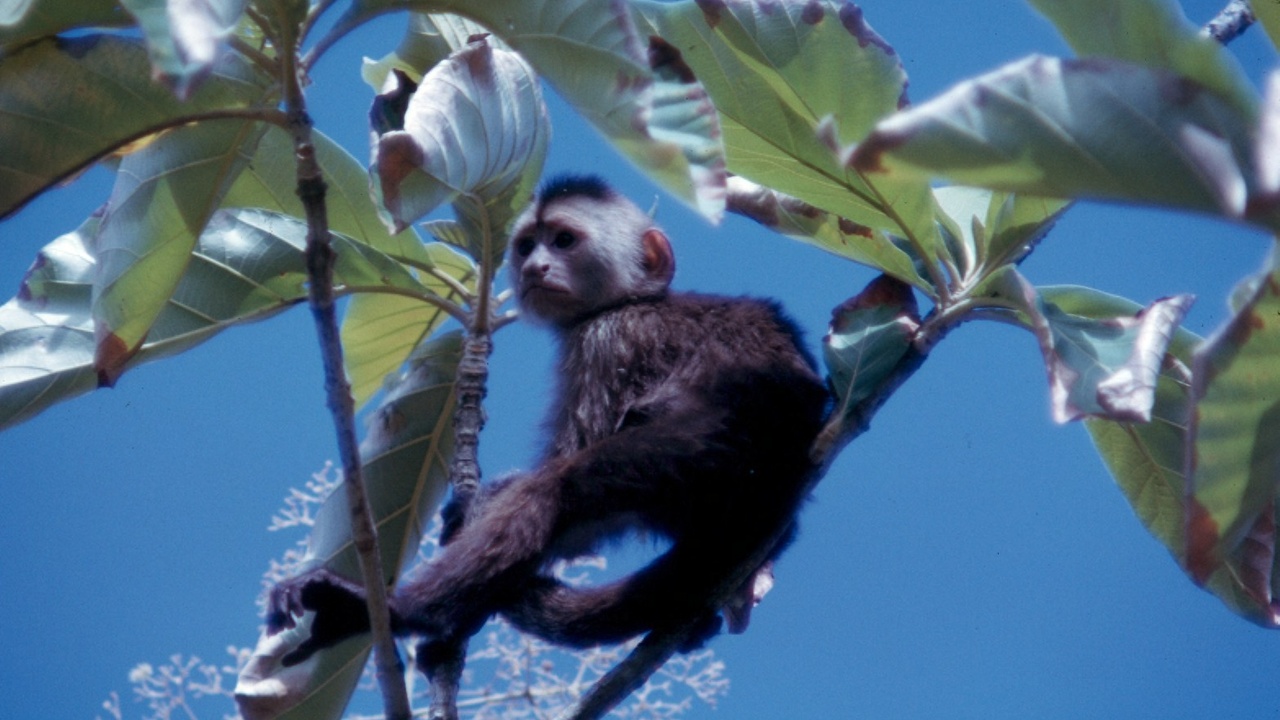
Capuchins influence tropical ecosystems as seed dispersers, predators of insects and small vertebrates, and as prey for raptors and felids. Their interactions with people are complex: researchers and ecotourists value them, while habitat loss and the illegal pet trade threaten many populations. The next two points unpack those roles and threats.
9. Seed dispersal and ecosystem impacts
Fruit-eating capuchins move seeds across the canopy and along forest floors, contributing to plant gene flow and forest regeneration. Some seeds pass intact through the gut and are deposited in new locations along travel routes, while others are dropped after handling and end up in microsites favorable for germination.
Field observations link capuchin movements to dispersal of genera such as Ficus and Cecropia, both important early-successional trees. Daily travel and foraging can move seeds tens to a few hundred meters, aiding recolonization of disturbed patches and maintaining tree diversity in fragmented landscapes.
10. Conservation status and human interactions
Conservation status varies by species and region. Several capuchin taxa are listed as Vulnerable or Near Threatened due to deforestation, hunting, and capture for the pet trade. Habitat fragmentation reduces viable home ranges and increases encounters with humans.
Conservation actions include protected reserves, rehabilitation centers that rescue illegally kept animals, and community education programs. In Brazil and parts of Central America, researchers work with local reserves to monitor populations and promote ecotourism that supports both livelihoods and long-term protection.
Summary
- Capuchins combine compact, arboreal-adapted bodies (1.5–4 kg; body length 30–56 cm) with highly dexterous hands and long tails for balance.
- Stone-tool use and inventive problem-solving—documented in Sapajus populations cracking nuts since the 1990s—are signature behavioral traits.
- Social learning creates population-specific traditions, while vocal, facial, and tactile signals maintain complex group life (troops often number 10–35 individuals).
- As omnivores and seed dispersers (e.g., moving Ficus and Cecropia seeds), capuchins help regenerate forests but face threats from habitat loss and the pet trade; support for sanctuaries and protected areas helps.
- Stone-tool use in Brazil remains one of the most famous characteristics of a capuchin, and observing or supporting reputable conservation programs is a practical way to help these primates.