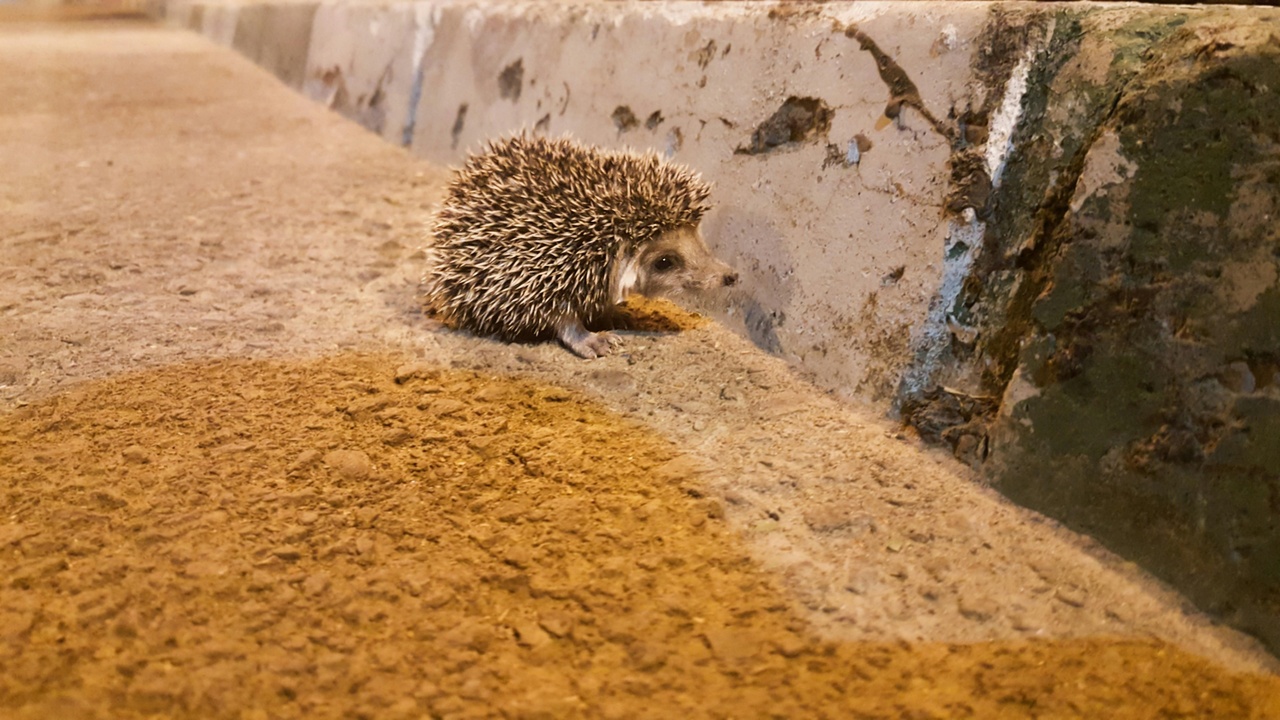
A single hedgehog can carry roughly 5,000 to 7,000 spines across its back — a surprising defensive arsenal for an animal that usually weighs less than a kilogram.
But those spines are just the beginning: hedgehog traits extend into a compact skull, pointed teeth for insectivory, and behaviors that make them efficient night-time foragers and welcome garden visitors in many places. European folklore long admired these little mammals for cleverness, and more recently people have taken an interest in keeping certain species as pets, especially the African pygmy hedgehog. Whether you want to attract them to your yard or simply understand why they matter, hedgehog biology touches pest control, conservation concerns, and everyday backyard encounters.
This article walks through ten defining characteristics grouped into three parts: physical traits, behavior & senses, and life cycle & ecology.
Physical traits
1. Protective spines (quills) and their structure
Hedgehogs are best known for their spines — thousands of modified hairs that serve as armor.
Most individuals carry between about 5,000 and 7,000 spines, each a stiffened hair made of keratin. Unlike porcupine quills, hedgehog spines aren’t barbed and aren’t thrown; instead they form a dense, flexible shield the animal can roll into when threatened. Spine density and length vary by species and by domesticated lines — African pygmy hedgehogs kept as pets tend to have denser, shorter spines, while some wild European hedgehogs have slightly longer, fewer spines per square inch.
Those spines let hedgehogs survive encounters with many predators, and they also explain why hedgehogs can keep foraging in gardens where foxes or badgers roam: the armor reduces injury risk and makes them effective, resilient pest controllers.
2. Compact body size and weight range
Most hedgehogs weigh between about 250 and 1,200 grams, depending on species and season.
African pygmy hedgehogs—the most common pet species—typically range from roughly 250 to 600 g, while the European hedgehog (Erinaceus europaeus) often spans about 400 to 1,200 g in adults. Wild weights fluctuate seasonally: European hedgehogs commonly bulk up in autumn to build fat reserves before hibernation.
Size matters for handling, housing, and diet: smaller species need less space and food but are also more susceptible to temperature swings, so pet owners and rehabilitators should adjust care to species and seasonal needs.
3. Specialized teeth and diet-related adaptations
Hedgehogs have sharp, pointed teeth suited to an insectivorous and opportunistic diet.
Most species have about 36 teeth adapted for grasping and crushing invertebrate prey. Their elongated snout and strong jaw let them handle beetles, worms, slugs, snails, and occasionally bird eggs or small vertebrates. Dietary studies of wild populations often show beetles, slugs and earthworms making up large portions of stomach contents.
That diet makes hedgehogs valuable garden allies: a night-time hedgehog can reduce slug numbers and other pests. For captive hedgehogs, balanced diets emphasize lean protein and controlled fat—commercial hedgehog foods or high-quality cat foods are often recommended by experienced breeders and rehabilitators.
4. Fur, coloration, and camouflage
Hedgehog pelage ranges from brown to cream, and spines often show banding that helps with camouflage.
Wild European hedgehogs typically display mottled brown and cream tones that break up their outline among leaf litter, while African pygmy hedgehogs in the pet trade commonly show a variety of color morphs, including albino and pinto patterns. Captive breeding has produced many such morphs, some of which require special care (albinos are light-sensitive).
Color affects visibility on roads and in gardens, so rare or pale morphs may be at higher risk of accidental encounters; pet owners should take precautions with outdoor access.
Behavior and senses

5. Nocturnal habits and foraging strategies
Hedgehogs are primarily active at night, foraging under cover of darkness.
Radio-tracking and backyard camera studies show nightly travel distances that vary with habitat: some individuals cover only a few hundred meters, while others move several kilometers as they search for food and mates. Organizations such as the People’s Trust for Endangered Species have used tracking to document these variable home ranges in temperate zones.
Because they forage at night, gardeners are most likely to encounter hedgehogs after dusk; leaving quiet, sheltered spots and avoiding bright artificial lighting can encourage their visits and help them persist in urban and suburban areas.
6. Self-anointing: puzzling and distinctive behavior
Self-anointing is the behavior of producing frothy saliva and smearing it over the spines after encountering a novel or intense scent.
Triggers include new foods, strong-smelling items like tobacco or soaps, aromatic herbs, and unusual smells in the environment. Researchers have proposed several explanations—scent camouflage, transferring chemical defenses, or simply a sensory overload response—but no single theory fully explains it.
In captivity, pet hedgehogs commonly self-anoint to novel treats (certain cheeses or herbs), so owners should be cautious about offering anything potentially toxic. Observational reports from field and captive studies remain the best source for understanding this quirky habit.
7. Keen sense of smell and hearing; limited eyesight
Hedgehogs navigate and find food primarily by smell and sound rather than sight.
Their elongated snout houses a sensitive olfactory system, and their hearing is tuned to pick up rustling prey in low light. Vision is relatively poor—especially in bright daylight—so they rely on scent cues and listening to locate insects and other prey.
For gardeners and pet owners, that means scent-rich, quiet garden areas are more attractive to hedgehogs than brightly lit or noisy spaces; researchers often use scent lures when surveying local populations.
Life cycle, habitat, and human interactions

8. Reproduction and development: gestation, litters, and growth
Hedgehogs have a relatively short gestation and produce litters of several young known as hoglets.
Gestation is around 35 days and typical litters number about 4–6 hoglets. Young are weaned by roughly 4–6 weeks, and many species reach sexual maturity within their first year. In temperate regions, births are concentrated in spring and early summer—timing that gives hoglets the best chance to grow before autumn.
Those life-history traits allow populations to recover when conditions are good, but they also mean that repeated annual threats (roads, pesticides) can suppress numbers. Ethical breeders and rehabilitators follow husbandry guidelines to support healthy development and avoid overbreeding.
9. Hibernation and seasonal behaviors
Many temperate hedgehog species hibernate, dropping their metabolic rate and core temperature to conserve energy.
Entry into hibernation is triggered by shortening day length, falling temperatures, and the animal’s fat reserves. Hibernation can last several weeks to months depending on climate; in the UK, for example, hedgehogs commonly hibernate from late autumn into early spring, though timing varies with each winter’s severity. Mild winters have altered hibernation patterns in recent studies, sometimes causing animals to rouse more frequently and exhaust fat stores.
Homeowners can help by leaving undisturbed leaf piles or log stacks for hibernacula, avoiding disturbance to obvious nests, and checking compost heaps and garden structures before moving them in winter.
10. Conservation status, threats, and human interactions
Hedgehogs face a mix of stable and declining populations depending on region, and about 17 species exist worldwide with varying conservation assessments.
Understanding the characteristics of a hedgehog helps conservationists target threats such as road mortality, habitat fragmentation, and pesticide-driven prey loss. IUCN listings show that some species are of least concern while others face greater pressures. Quantifiable impacts include thousands of road casualties reported in some national monitoring programs and clear declines in insect prey where pesticides are heavy. National groups and citizen science programs (for example, hedgehog monitoring projects in Europe) provide the best local data on trends.
Practical steps people can take include creating hedgehog holes (13 x 13 cm) in garden fences, avoiding slug pellets and broad-spectrum pesticides, checking bonfires and machinery before use, and supporting local wildlife rescues or national hedgehog trusts.
Summary
- Hedgehogs pack thousands of keratin spines into an effective defense system that aids survival in gardens and the wild.
- Their nocturnal foraging, reliance on smell and hearing, and behaviors like self-anointing make them unique and effective pest controllers.
- Life-cycle traits—short gestation, multiple hoglets, and hibernation—shape population responses to changing seasons and threats.
- People can make a real difference: leave wild corners and leaf piles, make small holes in fences, avoid slug pellets, and support monitoring networks.
- If you want to learn more about characteristics of a hedgehog in your area, contact local wildlife trusts or join citizen science surveys to record sightings.