10 Characteristics of a Koi
Hanako, a famous Japanese koi, was reportedly alive for 226 years—a startling anecdote that underlines why people obsess over these fish. Koi shape garden design, hobbyist economies and everyday pond care, so understanding what makes them special helps owners plan ponds, budgets and breeding choices.
Koi are far more than colorful pond fish: ten specific physical, genetic and behavioral traits explain why they command aesthetic, cultural and ecological interest around the world. This piece lists 10 specific characteristics of a koi grouped into three categories—physical/anatomical traits, color and pattern genetics, and behavior/health/care—to give pond keepers concrete guidance.
Below you’ll find short, practical sections that include numeric guidelines, breeder and brand names, and real-world examples to help with pond decisions and buying choices.
Physical and Anatomical Traits

Body form, size, scales and fins determine a koi’s physiology and how people display them. A torpedo-shaped body and well-formed fins promote efficient swimming, while scale type and skin luster affect perceived color and market value. Pond size and husbandry interact with anatomy—larger koi need greater volume, deeper water and heavier filtration—so anatomy drives practical decisions from filter selection to predator protection.
1. Size and growth potential
Koi can grow substantially: a common adult range is about 24–36 inches (60–90 cm), though exceptional individuals may exceed 90 cm. Genetics, diet and environment shape final size, so good feed and roomy ponds encourage larger, healthier fish.
Practically, plan pond volume and depth for full-grown specimens: many keepers aim for 1,000+ gallons and a minimum depth of 3 feet (≈0.9 m) for large koi to provide thermal stability and avoid avian predators. Traditional Japanese garden ponds often follow similar dimensions for show-quality fish.
2. Body shape and fin structure
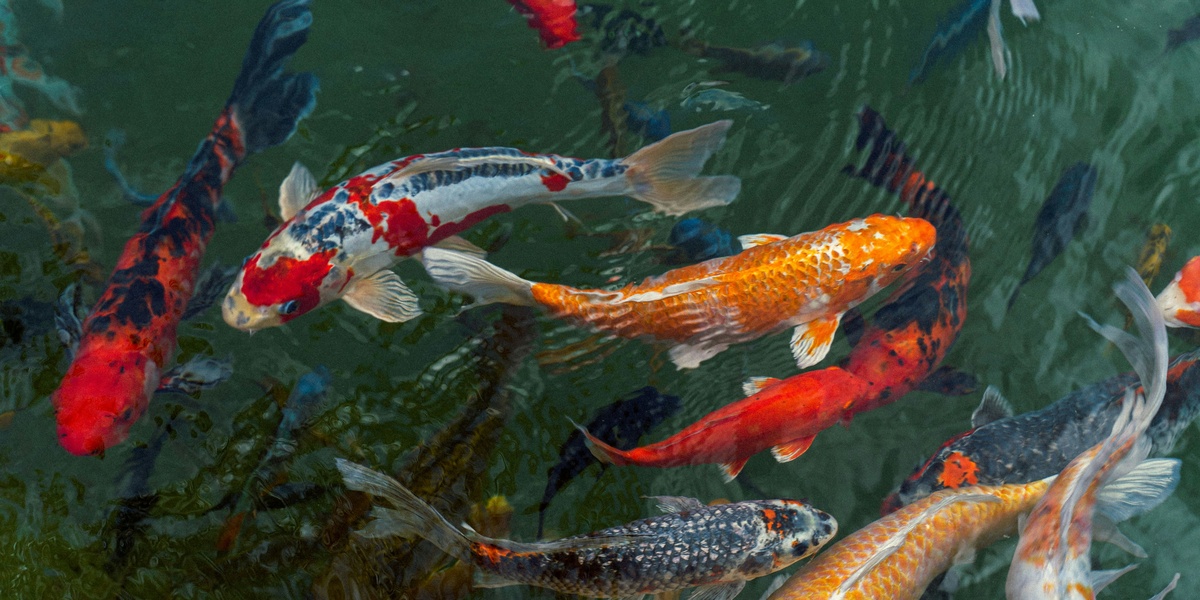
Most koi have a streamlined, torpedo-like body that aids sustained swimming and graceful display. Fin placement and shape—paired pectorals, pelvic fins, a single dorsal and a caudal fin—affect maneuverability and how judges assess balance and carriage.
Varieties differ: butterfly (long-finned) koi have elongated, flowing fins that alter swimming style and may require gentler filtration and guarded intakes to protect fins. For show ponds, judges note fin symmetry and condition; at home, simple fixes like filter intake guards help protect delicate fins.
3. Scale types and skin luster
Scale morphology—normal (full-scaled), Doitsu (reduced or scaleless) and ginrin (reflective, sparkling scales)—dramatically affects appearance and value. Ginrin scales create a glittering highlight that many collectors prize, while Doitsu’s mirror-like skin shows color differently and can be prized in some classes.
Skin quality also changes perceived color intensity: a Kohaku with pristine white ground and clear, bright red (hi) commands higher prices at shows. Judges and buyers often pay premiums for the right scale type combined with excellent color and edge definition.
4. Development and color change with age
Juvenile koi often look quite different from adults: pigments can deepen, spread or fade over months and years as pigment cells migrate and mature. Diet, light exposure and genetics all influence these changes.
Breeders and hobbyists typically expect much of a koi’s adult coloration to stabilize between about 1–3 years of age. For example, a young Kohaku may develop a cleaner white ground and stronger red patches in its second year, especially when kept in good water and fed a carotenoid-rich diet.
Color, Pattern and Genetics
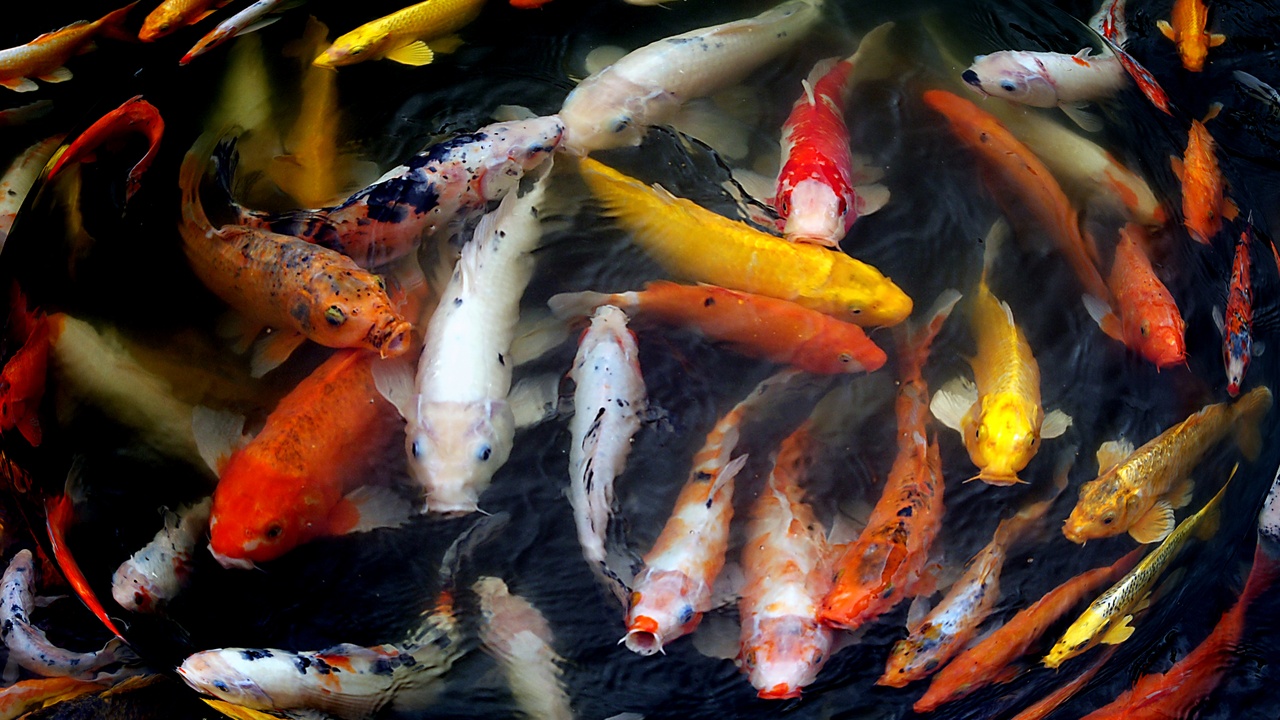
Pigments and inherited patterning define variety names, influence value and guide selective breeding. Color arises from pigment cells and structural effects, while pattern symmetry, contrast and edge quality determine classification and market tiers. Breeding farms refine traits over generations, and cultural preferences shape which patterns gain prestige.
5. Pigmentation and pigment cells
Koi color comes from biological pigments and structural coloration: melanin produces blacks, carotenoids produce reds and oranges, and iridophores or guanine layers create metallic sheen. Key pigment cell types include melanophores (black), xanthophores (yellow) and erythrophores (red/orange).
Diet influences pigments—high-carotenoid feeds (for example, Hikari color-enhancing diets) boost red intensity—while structural metallics show as “kin” in Ogon varieties. That combination of pigment biology and feed strategy is why breeders and owners carefully select both bloodlines and feeds.
6. Pattern classification and named varieties
Patterns are shorthand for hobbyists, judges and breeders. Major classes include Kohaku (white with red), Sanke (white with red and black), Showa (black base with red and white), Asagi (blue-gray netting) and Bekko (black markings on colored ground).
Judges evaluate pattern on symmetry, edge clarity and contrast: a Kohaku is often judged on purity of white ground and strength of the red (hi). Events like the All Japan Koi Show formalize these standards and influence breeder priorities and market prices.
7. Selective breeding and heredity
Intentional pairings over many generations produce consistent traits; breeders track dominant and recessive pattern genes and select broodstock accordingly. Experienced breeders use lineage knowledge to predict offspring tendencies, though variability remains.
The koi industry includes high-end farms such as Dainichi and Marusaka; top bloodlines and show-quality broodstock can sell for thousands to tens of thousands of dollars at auctions. Multi-generation selection over decades explains how certain patterns and color qualities become highly refined.
8. Cultural and aesthetic value
Koi carry strong cultural symbolism in Japan—luck, perseverance and status—and hobbyist communities worldwide embrace those meanings. Organized shows, temple pond traditions and local clubs keep standards and interest alive.
There are hundreds of koi clubs internationally and events like the All Japan Koi Show that drive tourism, breeder reputations and market value. Aesthetic preferences—clean ground, strong color, balanced pattern—translate into economic and cultural incentives to preserve prized bloodlines.
Behavior, Health and Care
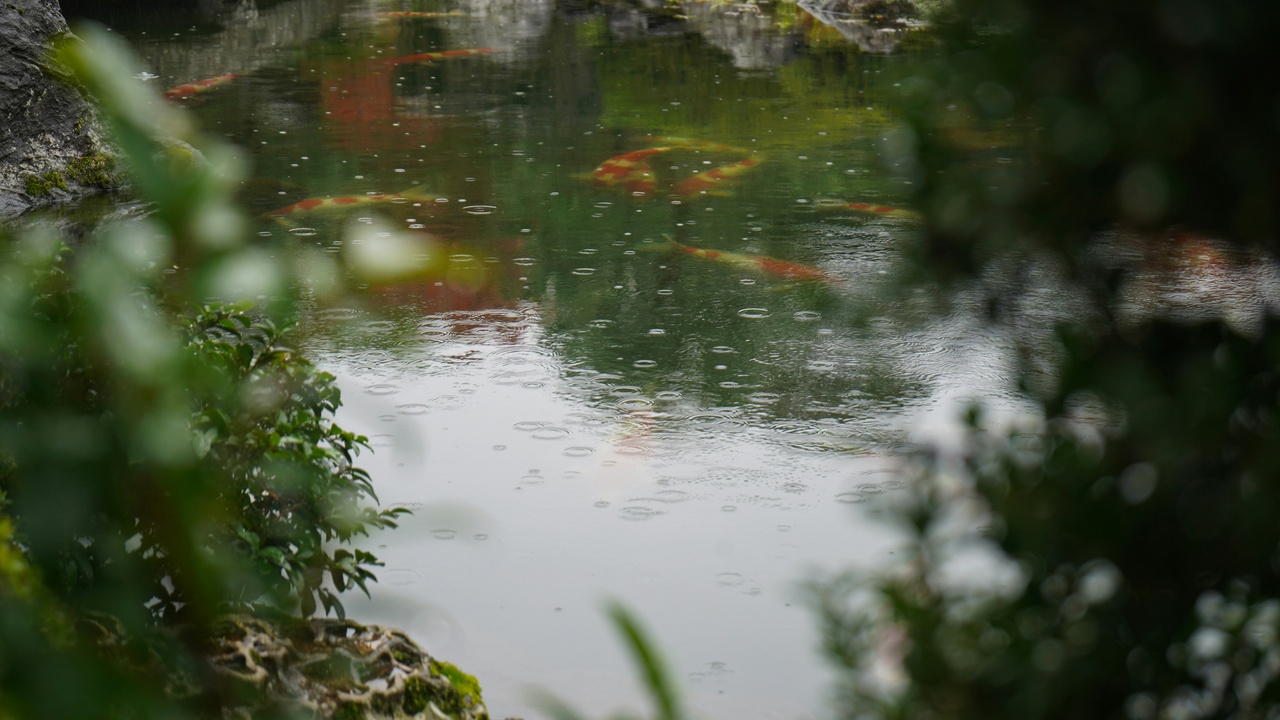
Behavioral traits and husbandry determine longevity and display quality. Feeding, water chemistry, filtration and disease prevention all shape health outcomes, growth rates and color expression. Small changes in routine—seasonal feeding or regular testing—have outsized effects on a pond’s success.
9. Diet, feeding behavior and growth management
Koi are omnivorous and respond to high-protein diets for growth and color. A practical guideline is to feed roughly 1–2% of body weight per day during warm months, tapering or stopping below about 10–12°C (50–54°F) when digestion slows.
Commercial brands like Hikari and Tetra offer growth and color-enhancing formulas; carotenoid-rich pellets help maintain red and orange hues. Remember that heavier feeding increases biological load, so robust mechanical and biological filtration is essential to protect water quality.
10. Lifespan, disease resistance and environmental needs
Healthy koi commonly live 25–35 years, though exceptional cases like Hanako have been reported much longer. Longevity depends on stable conditions, good nutrition and prompt disease management.
Target water parameters include temperature 15–25°C (59–77°F), pH roughly 7.0–8.5, and ammonia and nitrite at 0 ppm with nitrate ideally kept below about 40 ppm. Common threats include parasites and bacterial infections; prevention measures include quarantining new fish, maintaining biological filtration, routine water testing and optional UV or mechanical filtration to reduce pathogen loads.
Summary
- Know the anatomy: plan ponds for large adults (24–36 in), aim for 1,000+ gallons and at least 3 ft depth to support growth and safety.
- Color and genetics matter: pigment cells, scale types (ginrin, Doitsu) and pattern classes (Kohaku, Sanke, Showa) drive aesthetic and market value; breeders such as Dainichi and Marusaka refine these traits over generations.
- Care essentials: feed ~1–2% body weight/day in warm months, reduce feeding under 10–12°C, and maintain water targets (15–25°C; pH 7.0–8.5; ammonia/nitrite = 0 ppm) plus reliable filtration and quarantine practices.
- Expect changes with age: juveniles commonly shift color and pattern over 1–3 years, so judge purchases and breeding plans with future development in mind.
- Whether for hobby or display, the characteristics of a koi—anatomy, color genetics and husbandry—determine health, beauty and value; test your pond water or visit a local koi club before buying or upgrading your setup.