A fossil from Scotland dated about 428 million years ago shows some of the earliest land-dwelling myriapods — distant relatives of modern millipedes — making these creatures among the first animals to colonize land. For gardeners, they’re the quiet clean-up crew that shreds fallen leaves; for naturalists, they reveal ancient transitions from sea to soil; and for students of evolution, they offer a compact window into how respiratory and water-conserving systems first solved terrestrial life’s challenges. Millipedes pack a surprising mix of anatomy, chemistry, and ecology into compact, many-segmented bodies — this article breaks down 10 definitive characteristics that explain how they move, defend themselves, reproduce, and shape soil ecosystems. With about 12,000 described species worldwide, millipedes range from tiny cryptic forms to the massive giant African millipede, and their diversity makes them useful study organisms. Read on for ten specific traits grouped into anatomy & movement, defense & physiology, and life cycle & ecology, each illustrated with species names and practical notes for observers.
Anatomy and Morphology
Millipedes are defined by segmented bodies and repeated units that carry legs and armor plates. Their basic plan is a head followed by many trunk segments; in many groups each visible trunk segment represents a fused pair (a diplosegment) bearing two pairs of legs. That modular layout underlies much of their ecology, from slow, steady walking to tightly coiled defense postures.
The group shows wide morphological variation across roughly 12,000 described species: some are long and rounded for moving through leaf litter and soil, while others are dorsoventrally flattened to slip beneath bark and stones. Exoskeletal details such as tergite shape, sculpturing, and color patterns are often the characters taxonomists use to tell families and genera apart. Examples range from the massive, cylindrical Archispirostreptus gigas to the flat-backed polydesmid millipedes common under decaying logs.
This category covers three linked characteristics—how segments and leg counts build the body, how the chitinous exoskeleton and overall shape match habitat, and how a small, sensory head guides a detritivorous lifestyle. Each trait ties form to function and explains why millipedes look the way they do.
1. Segmented body and leg count
Millipedes possess many body segments, and most of those segments carry paired legs—often organized as two pairs per diplosegment in derived groups. Leg totals vary widely: typical species fall in the range of about 30–400 legs, depending on adult size and species-specific segment counts. Juveniles hatch with only a few segments and acquire more through successive molts, a process called anamorphic development.
Some species push those numbers to extremes. Illacme plenipes, described from California, holds the record for leg number with individuals that can approach roughly 750 legs. By contrast, many common julids and polydesmids have around 60–100 legs as adults, illustrating how developmental timing and evolutionary history shape leg counts.
2. Exoskeleton and body shape
The millipede exoskeleton is built of chitin and proteinous layers that form overlapping plates called tergites on the dorsal side. That armor provides protection and points of muscle attachment, while coloration and sculpturing help in species recognition and camouflage. Surface ornamentation—spines, grooves, and tubercles—varies by family and can be diagnostic.
Body shape correlates strongly with habitat. Large tropical species like Archispirostreptus gigas have a stout, cylindrical body that’s efficient for burrowing and pushing through thick litter, whereas flat-backed millipedes in the order Polydesmida are dorsoventrally flattened to squeeze under bark and into narrow crevices. Those morphological differences reflect ecological specialization more than distant ancestry in many cases.
3. Head, antennae and mouthparts
The head is small but highly functional, with a pair of jointed antennae used for tactile and chemical sensing. Antennae typically have several movable segments and are constantly probing during locomotion and feeding, especially in low-light litter environments. Millipedes rely on those antennal cues to locate decaying material and avoid obstacles.
Mouthparts are adapted for chewing: mandibles shred plant detritus while a lower plate called the gnathochilarium helps manipulate food. Those structures reflect a largely detritivorous diet; you won’t find piercing or sucking mouthparts here, but rather robust chewing tools suited to grinding leaves and fungal tissues.
Movement and Locomotion
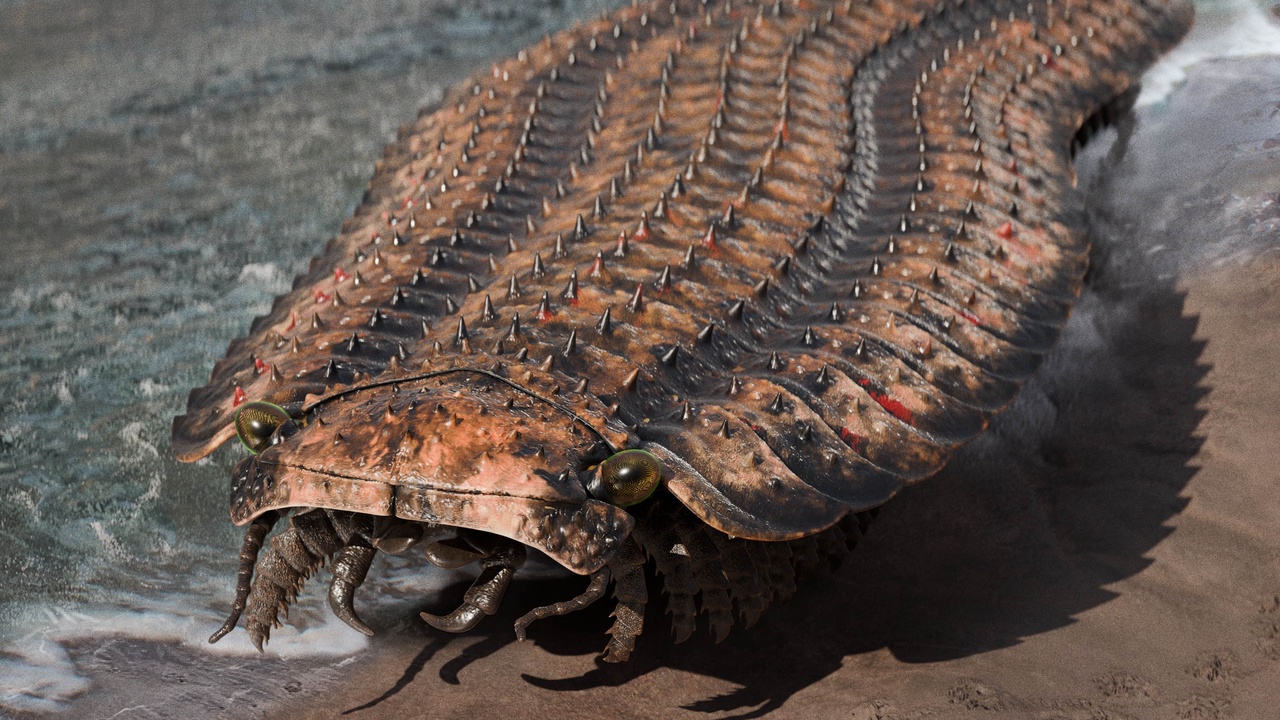
Movement in millipedes is a study in coordinated, efficient locomotion. Rather than sprinting, these animals use many legs in patterned sequences called metachronal waves: legs lift and set down in a ripple so the body always has several points of traction. That gait trades speed for steady progress, ideal for navigating complex litter, burrowing, and climbing low vegetation without losing moisture.
Some species specialize as burrowers and use a stout, rounded body to push through humus, while others, especially smaller temperate species, are adept climbers on stems and leaf surfaces after rain. The combination of leg arrangement and body shape determines where a species will be most successful in the microhabitat mosaic of a forest floor or garden.
4. Paired legs per segment and coordinated gait
Many millipede segments bear paired legs, and coordinating dozens or hundreds of appendages requires a patterned neural control. The resulting metachronal wave looks like a ripple: legs on one side lift and move slightly out of phase with legs on the other side, producing smooth propulsion. That coordination improves traction across uneven substrates and reduces the chance of tripping over obstacles.
Researchers studying locomotion have noted that metachronal gaits minimize energetic peaks that come with rapid acceleration. Engineers interested in multi-legged robots often look to myriapods for inspiration, because the ripple-like coordination scales well when many actuators must work together to move a long body.
5. Burrowing, substrate preference, and slow movement
Most millipedes are slow-moving detritivores that specialize in moist microhabitats such as leaf litter, rotting logs, and topsoil layers. Slow locomotion reduces water loss and keeps them in favorable humidity zones, which is why many emerge after rain and retreat during dry weather. These habits also make them important processors of dead plant material.
Some tropical species tunnel shallowly into humus while temperate garden forms often hide under stones or mulch. Their feeding and movement mix organic matter into the soil and create microchannels that assist microbial decomposition, so even slow, small-scale movement has outsized effects on soil structure.
Defense, Physiology, and Chemical Ecology

Millipedes survive predation and environmental stress using a mix of chemistry, behavior, and physiological strategies. Many species secrete noxious compounds from glands along their bodies, others rely on physical defenses like coiling, and most use respiratory and moisture-regulating behaviors to live comfortably on land. These traits evolved early in myriapod history and helped ancient relatives persist after the move to terrestrial habitats about 428 million years ago.
Chemical defenses range from sticky deterrents to caustic compounds, and behavioral responses—coiling, thanatosis, enrollment—work with chemistry to reduce predation. Physiology such as tracheal respiration and preferences for humid microhabitats minimize desiccation and permit activity at night or after rain. Together, these traits shape how millipedes interact with predators, microbes, and the abiotic environment.
6. Chemical defenses and secretions
Many millipedes produce defensive secretions to repel predators and microbes. Benzoquinones are common in several families, notably Julidae and some polydesmid groups, and they can leave brown stains or cause skin irritation. A few taxa, primarily in tropical regions, can generate hydrogen cyanide in small amounts as an additional deterrent.
Secretions may be sticky, malodorous, or irritating to mucous membranes, which makes handling certain species unpleasant. Chemical profiles have taxonomic value: researchers use the presence and composition of defensive compounds as characters in species-level studies. For safety, avoid touching millipedes that visibly ooze fluid and wash hands after handling any specimen.
7. Coiling, armor, and behavioral defenses
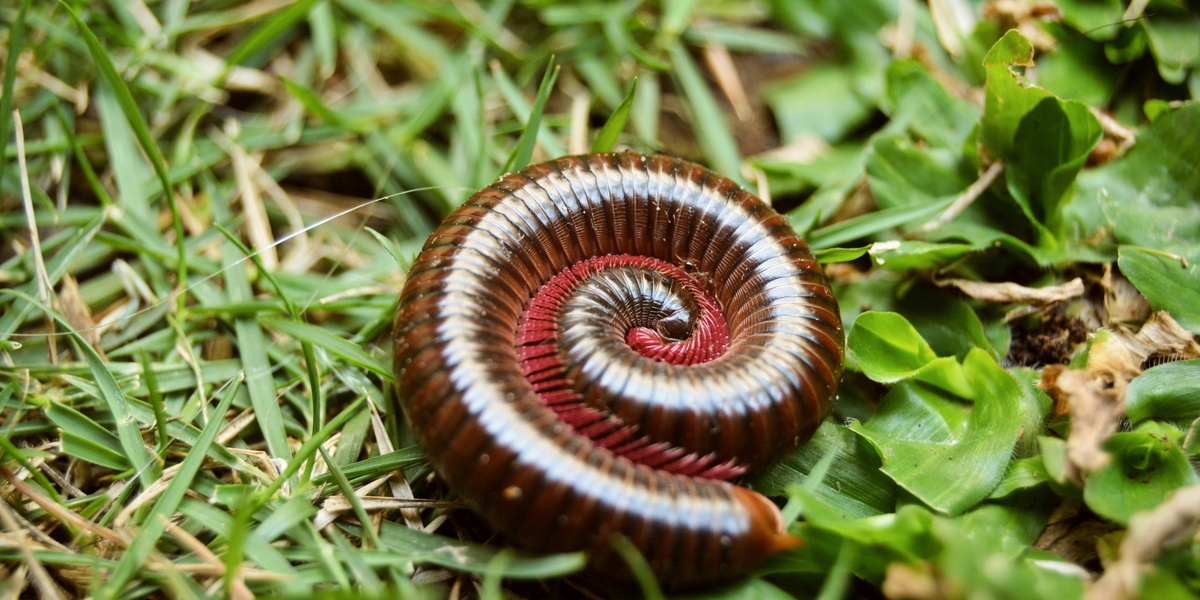
When threatened many millipedes coil into a tight spiral that exposes hardened tergites and shields softer ventral tissues. That posture minimizes the area available to predators and presents a thicker armored surface. Pill millipedes in the order Sphaerotheriida take the strategy further by enrolling into near-perfect balls, mechanically excluding many attackers.
Other behaviors include thanatosis—playing dead—and body-raising or shoving to dislodge small attackers. Unlike fast or venomous arthropods, millipedes favor passive defenses combined with chemical deterrence, which conserves energy and matches their generally slow, cryptic lifestyle.
8. Respiration and water balance
Most millipedes breathe through tracheal systems that open to the outside via spiracles. Because tracheal gas exchange and thin cuticle areas risk water loss, millipedes prefer humid microhabitats and often restrict activity to nights or damp conditions. Seeking moist litter, hiding under logs, or becoming inactive during drought help them maintain water balance.
Some species can enter dormancy during prolonged dry periods, and many show clear activity spikes after rainfall. Those behaviors, coupled with structural adaptations to reduce evaporation, were likely crucial adaptations as myriapods first colonized land around 428 million years ago.
Life Cycle, Reproduction, and Ecological Role

Reproduction and development in millipedes combine egg-laying with a staged growth pattern that increases body segments after hatching, and their ecosystem role as detritivores makes them important players in nutrient cycling. Many species lay eggs in soil or rotting wood; some females guard clutches for weeks, and juveniles add segments through successive molts. As consumers of dead plant material and fungi, millipedes shred organic matter, accelerating decomposition and helping form soil humus.
Because they process leaf litter and move organic particles into the soil, millipedes act as ecosystem engineers at small scales. People use larger, docile species in educational displays and occasionally in household compost demonstrations, though they’re not true vermicomposters like earthworms. Observing millipedes in gardens and forests can reveal soil health and habitat continuity.
9. Reproduction and developmental stages
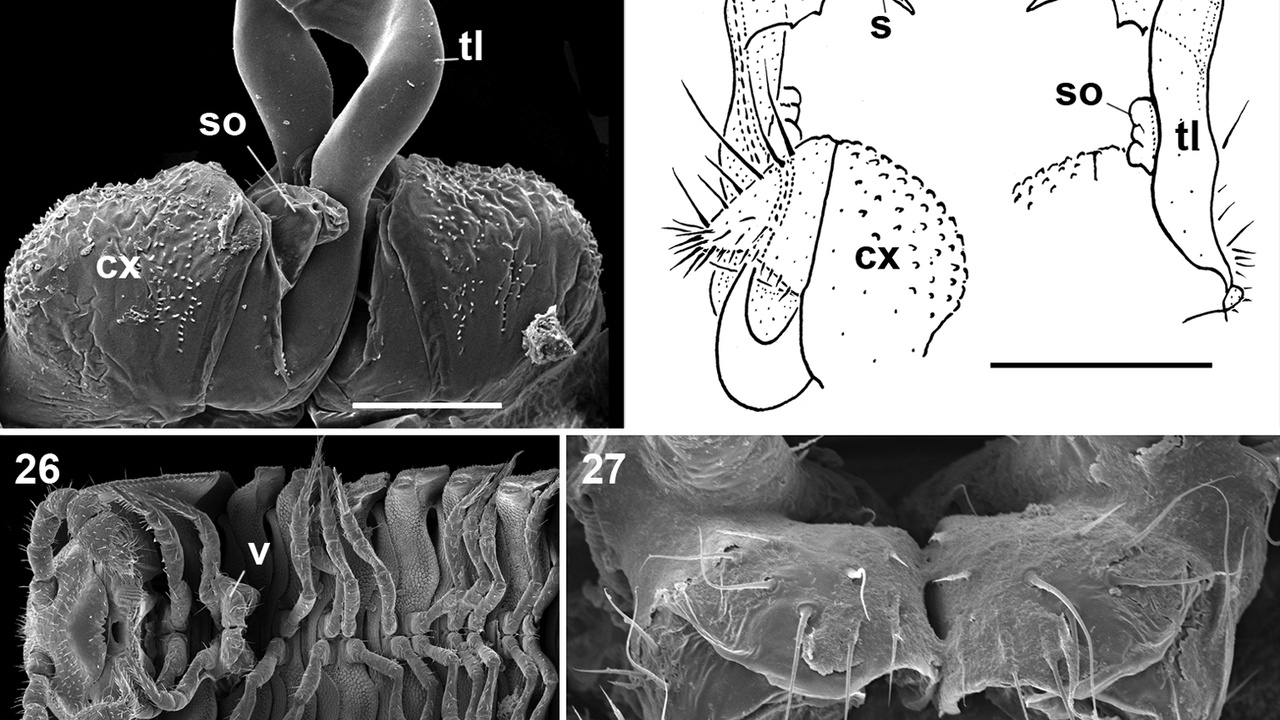
Most millipedes reproduce sexually, with males transferring sperm via modified legs called gonopods in some groups. Females typically lay eggs in soil chambers, decaying wood, or leaf litter. Juveniles hatch with a subset of adult segments and legs and add segments through molting; that anamorphic growth means leg count and body length increase over time rather than appearing fully formed at hatching.
Clutch sizes and lifespans vary by species: small temperate millipedes may live a few years, while large tropical species like some Archispirostreptus specimens can live several years in captivity. In a handful of taxa researchers have observed maternal care, where females guard eggs or early juveniles until they can move independently—behavior that improves offspring survival in risky microhabitats.
10. Detritivores and ecosystem engineers
Millipedes primarily consume dead plant material and fungal tissues, making them core decomposers on many forest floors and in gardens. By shredding leaves and incorporating fragments into the soil, they speed microbial breakdown and help release nutrients plants can reuse. Their burrowing and surface movement mix organic matter, improving soil structure and porosity over time.
These characteristics of a millipede make them useful bioindicators: healthy, diverse millipede communities often signal intact leaf litter layers and low pesticide exposure. Conservation of leaf litter, reduced tillage, and minimal chemical use support millipede populations and the soil benefits they deliver. In classrooms and museums, large species like the giant African millipede demonstrate detritivore ecology in an accessible way.
Summary
- Leg counts vary dramatically—from a few dozen to nearly 750—because juveniles add segments as they molt.
- Chemical secretions (benzoquinones, occasionally cyanide) and coiling are primary defenses that reduce predation risk.
- Body shape and a chitinous exoskeleton reflect habitat: cylindrical burrowers, flattened bark-dwellers, and armored rollers all have different niches.
- Millipedes are key detritivores that shred litter, mix organic matter into soil, and serve as indicators of healthy, undisturbed leaf-litter habitats.
- Observe them after rain, avoid handling individuals that ooze fluid, and support leaf-litter conservation to help these ancient soil engineers thrive.