A 19th-century naturalist first classified the common raccoon as Procyon lotor, a masked, banded-tailed mammal that quickly became one of North America’s most recognizable urban survivors (Smithsonian: smithsonianmag.com).
Raccoons combine distinctive physical traits, surprising problem-solving ability, and remarkable ecological flexibility — traits that explain why they thrive from forests to city alleys. Knowing these characteristics of a raccoon helps homeowners and wildlife managers reduce conflicts, informs public-health decisions, and deepens appreciation for urban ecology.
They live relatively short lives in the wild (commonly 2–3 years) but can survive up to about 20 years in captivity, a contrast that highlights different survival pressures in natural versus human-dominated environments (National Geographic: nationalgeographic.com).
Physical traits and senses
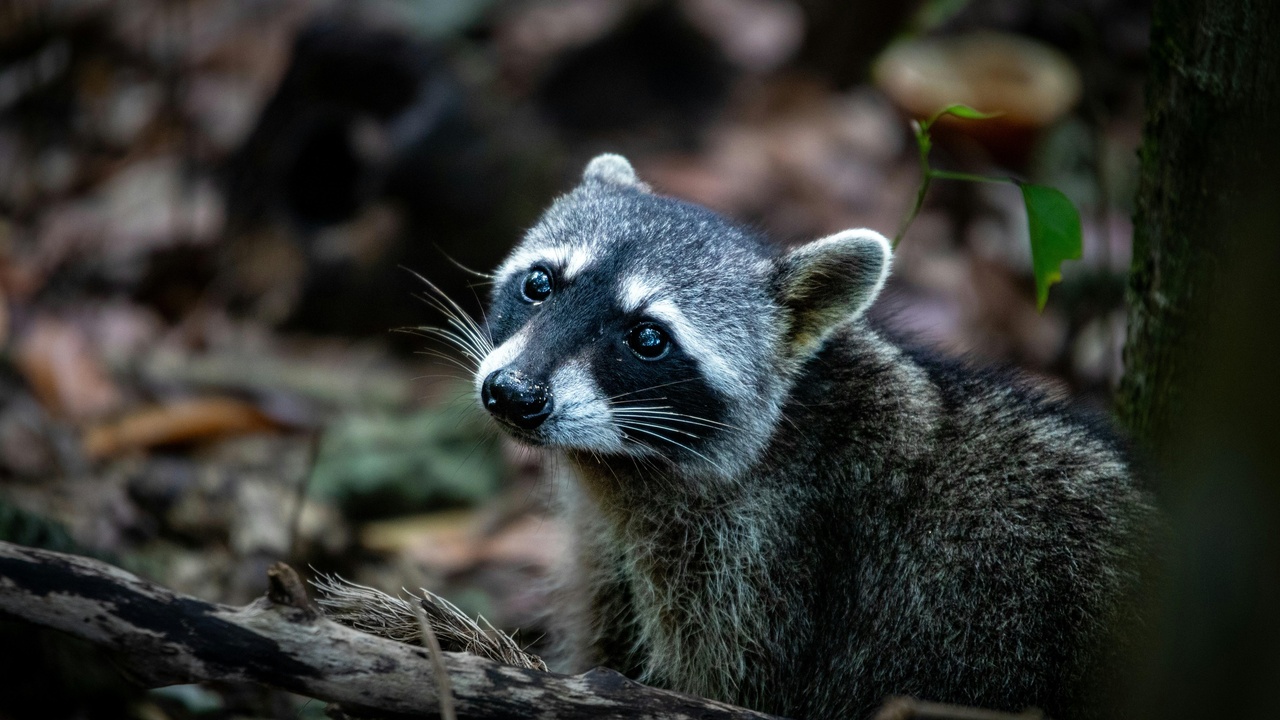
These are the anatomical and sensory features that make Procyon lotor immediately recognizable and well suited to a nocturnal, manipulative lifestyle.
1. Distinctive facial mask and ringed tail
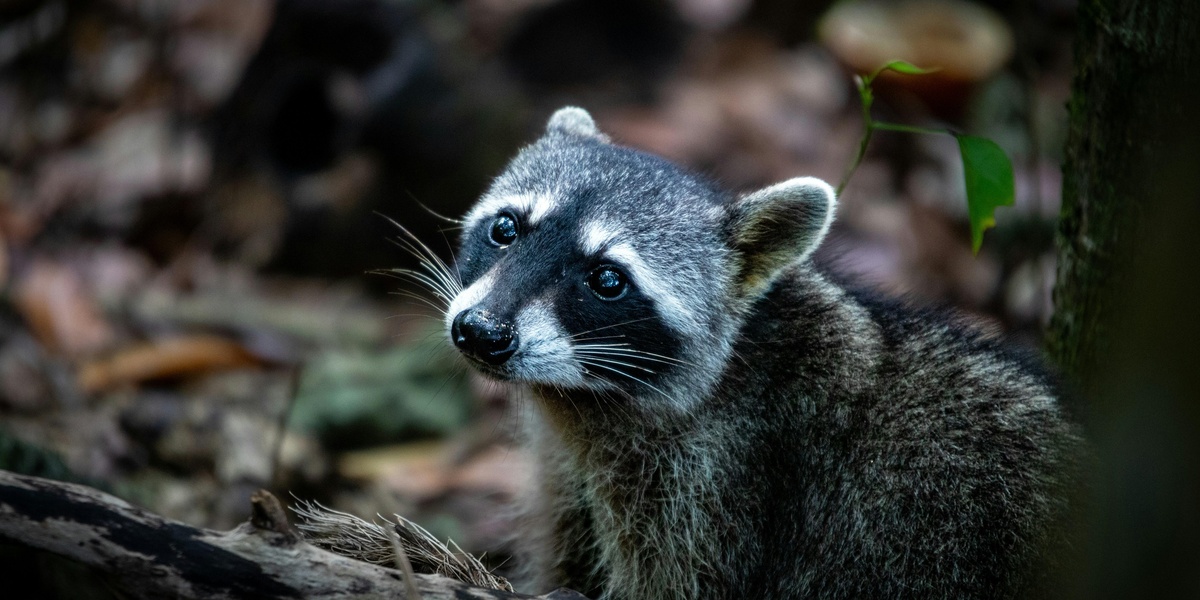
The black “mask” across a raccoon’s eyes and the alternating light-and-dark rings on its tail are signature identifiers for the species (field guides and museum specimen descriptions note these as key ID traits).
The mask may reduce glare, aid in night vision, and convey social signals, though researchers still discuss its exact functions (Smithsonian).
Adults typically weigh roughly 8–20 lb (3.5–9 kg), and the tail’s rings are useful for low-light ID when distinguishing raccoons from similar-sized animals such as fox kits or large mustelids; for example, fox kits have pointed faces and bushier, unbanded tails compared with a juvenile raccoon’s rounded face and ringed tail (field guide comparison).
2. Dexterous front paws
Raccoon front paws are highly mobile and almost hand-like: flexible digits and sensitive pads let them manipulate objects with surprising finesse.
Behavioral observations and captive studies show raccoons can open latches, pull lids, and operate puzzle feeders — skills that translate to frequent trash-bin raids in cities such as Toronto and San Francisco (zoo enrichment reports and urban wildlife notes).
That dexterity helps them forage in varied settings but also increases human–raccoon conflict: unsecured compost, pet food left outdoors, and simple plastic bin lids are regularly breached, so mechanical or weighted closures are more effective deterrents than flimsy covers.
3. Sensitive whiskers and night vision
Primarily nocturnal, raccoons rely heavily on tactile cues and low-light vision: long vibrissae (whiskers) detect subtle textures and movements, while eyes are adapted for crepuscular and nighttime activity (National Geographic).
Whiskers are especially useful when probing crevices or searching through shallow water for invertebrates; observers often note raccoons dipping and manipulating food in water, using touch more than sight to assess items.
Typical activity windows run from after dusk to before dawn, with increased foraging around twilight hours on moonlit or overcast nights depending on local conditions (field notes and wildlife guides).
Behavior and intelligence
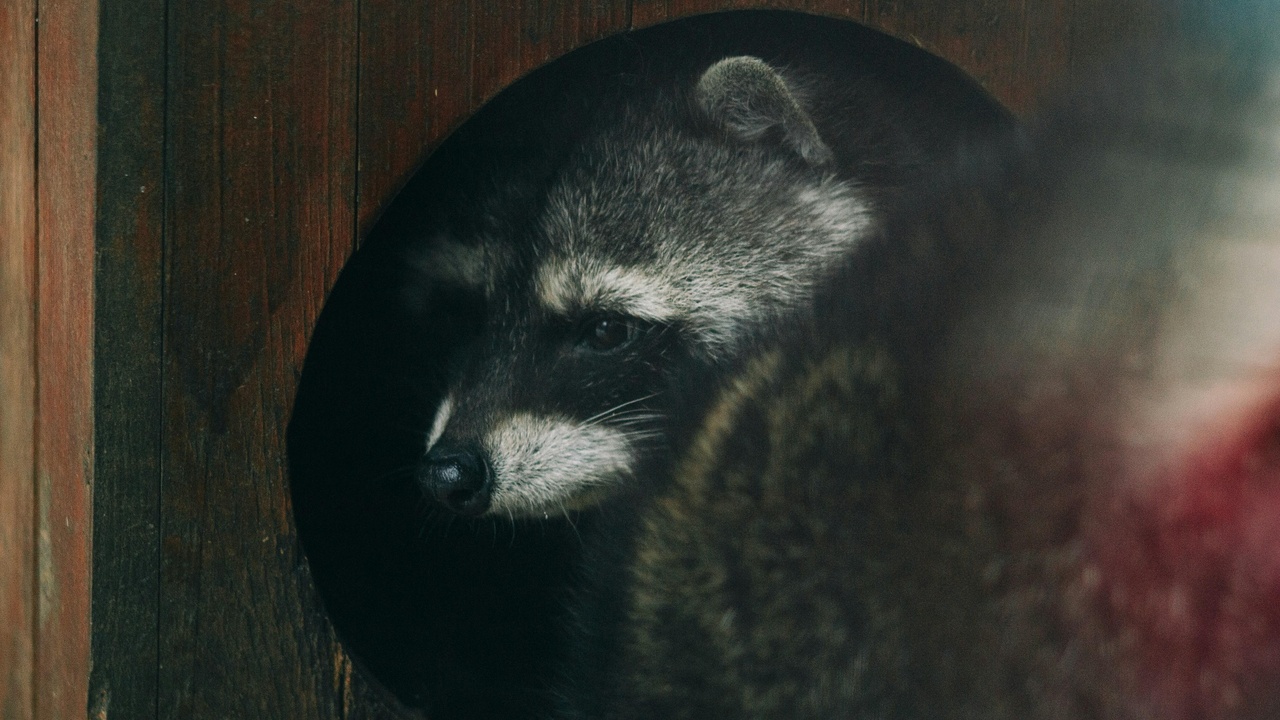
Raccoons demonstrate notable cognitive abilities, adaptable foraging strategies, and flexible social patterns; these traits explain both their ecological success and the challenges of urban coexistence.
4. Omnivorous and opportunistic diet
Raccoons eat a very broad range of foods: fruits and nuts, insects and crustaceans, bird eggs, small mammals and amphibians, and human refuse. Their diet shifts seasonally toward calorie-rich foods in autumn as they build fat reserves.
Common items that bring raccoons into conflict with people include unsecured trash, pet food left outdoors, and open compost. Wildlife agencies routinely recommend securing attractants to reduce encounters (National Geographic).
5. Problem-solving and memory
Raccoons have a well-documented knack for problem-solving and long-term memory: captive and field studies (and summaries in outlets such as Smithsonian) describe animals learning complex tasks and retaining solutions for years.
That memory explains why simple deterrents lose effectiveness: a bin model that’s been opened once is likely to be targeted again unless the locking mechanism is substantially upgraded. Evidence-based solutions include reinforced metal lids, animal-proof dumpsters, and routine removal of attractants.
6. Solitary but adaptable social behavior
Raccoons are mostly solitary outside the breeding season, but females raise litters and individuals will den communally under certain conditions. Typical litter size averages 3–5 kits, with a gestation around 63 days (state wildlife agencies and rehabilitation guides).
Urban pressures often change denning choices: attics, chimneys, and sewers can provide warm, safe sites, and communal denning in such structures can increase disease transmission risk among closely packed animals.
7. Vocalizations and communication
Raccoons use a rich repertoire of vocalizations and body signals: chirps and peeps for kit–mother contact, purrs during calm interactions, and growls or hisses when threatened. Field guides and rehabilitation centers catalog these calls and their typical contexts.
They also communicate with scent marks and visual cues; understanding these signals helps rehabilitators and wildlife managers assess stress, maternal behavior, and potential aggression during handling or exclusion work.
Ecology and human interaction
Raccoons serve ecological roles as scavengers and seed dispersers, but their growing presence near humans brings public‑health and property concerns; balanced management recognizes both contributions and risks.
8. Urban adaptability and synanthropy
Raccoons readily exploit human-dominated environments, altering foraging and denning behavior to take advantage of reliable food and shelter. Their range expansion includes introduced populations in Europe and Japan during the 20th century (IUCN and regional studies).
Municipal programs now emphasize prevention: secure, bear- or raccoon-proof bins; building modifications to block attic access; and public education campaigns have reduced calls and property damage in many cities (examples include bin‑securing initiatives in Toronto and Seattle).
9. Disease vectors and public health considerations
Raccoons can carry diseases and parasites relevant to people and pets. They are a recognized rabies reservoir in parts of North America and can shed eggs of the roundworm Baylisascaris procyonis, which pose a serious but rare risk to humans (CDC: cdc.gov; rabies info: cdc.gov).
Best practices to reduce risk include vaccinating pets, avoiding direct contact with wild raccoons, securing garbage and pet food, and contacting local health or wildlife authorities if exposure occurs. Raccoon latrines (concentrated fecal sites) should be handled only with guidance from public-health professionals.
10. Role in ecosystems: scavenging and seed dispersal
As opportunistic omnivores, raccoons contribute to nutrient cycling through scavenging and help disperse seeds of fruiting plants they consume; seeds of species like blackberry and persimmon can pass intact after gut transit and establish elsewhere.
They also prey on amphibians, insects, and small rodents, which can reduce some pest populations. The net ecological impact depends on density and context: at unnaturally high densities (often near humans) they may exert negative effects on ground‑nesting birds or sensitive wetlands.
Summary
- Raccoons pair distinctive anatomy (masked face, ringed tail, sensitive whiskers) with nocturnal senses that make them effective foragers and easy to recognize in the field.
- Their dexterous front paws and notable problem-solving ability — including long-term memory of solutions — explain repeated urban behavior and why simple lids often fail; stronger mechanical closures and secured attractants work better.
- Behaviorally they are largely solitary (typical litters of 3–5 kits; ~63‑day gestation) but will den communally under certain conditions, which can increase disease transmission risk in urban settings.
- Ecologically, raccoons provide services such as scavenging and seed dispersal even as they create public-health concerns (rabies, Baylisascaris); wild lifespans average 2–3 years versus up to ~20 in captivity, highlighting survival pressure differences.
For coexistence: secure trash and pet food, keep pets vaccinated, and consult your local wildlife agency or public-health department for guidance when raccoon activity or latrines are found.