Some species produce bulbils or plantlets on fronds (certain Asplenium and mother-fern types), while a few have gemmae or tiny propagules that detach and grow independently. These tactics let ferns colonize nearby sites quickly and preserve successful genotypes without relying on gametophytes.
For identification, note whether sori are round, linear, marginal, or arranged in distinct rows. Dryopteris and Polystichum often show species-specific sori patterns that help separate lookalikes. Spores are dispersed by wind and sometimes splash, and because individual sporangia produce many spores, a single fertile frond can release thousands of potential propagules.
5. Alternation of generations: sporophyte and gametophyte
The sporophyte is the familiar fern plant with fronds; the gametophyte is usually a small, thin, heart-shaped structure called a prothallus that ranges from a few millimeters to a few centimeters across. The gametophyte bears the sex organs: antheridia (sperm) and archegonia (eggs).
Sperm are flagellated and require a film of water to swim to eggs, which explains why many ferns are tied to damp microhabitats—on soil, rock faces, and moist leaf litter. Once fertilization occurs, the new sporophyte establishes and eventually produces its own fronds and sori.
6. Asexual reproduction: fragmentation, gemmae, and bulbils
Vegetative reproduction supplements spore-based sexual cycles in many ferns. Common horticultural methods include dividing clumps at the rhizome, which gardeners do in early spring to rejuvenate plants and increase stock.
Some species produce bulbils or plantlets on fronds (certain Asplenium and mother-fern types), while a few have gemmae or tiny propagules that detach and grow independently. These tactics let ferns colonize nearby sites quickly and preserve successful genotypes without relying on gametophytes.
Ecology, Physiology, and Human Uses
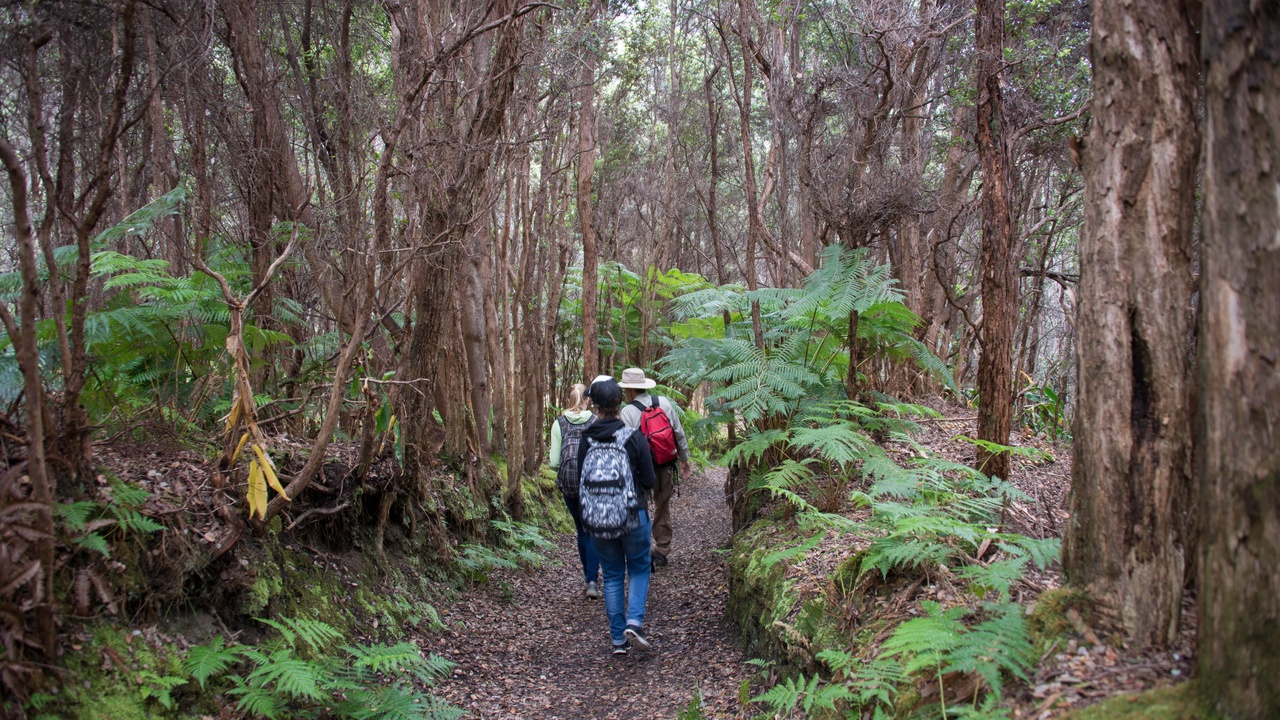
Fern traits influence where they live and how people use them. From moist understories to sunny rock crevices and tree crowns, adaptations in physiology and form let ferns fill many niches. Humans cultivate, eat, and historically collect ferns, and they also study their potential for indoor air quality.
7. Habitat preferences and adaptations (shade, moisture, epiphytism)
Most ferns favor shaded, humid microclimates where gametophytes can survive and sperm can swim. That said, many lineages evolved clever adaptations to broaden their range: epiphytic staghorn ferns (Platycerium) live on tree trunks, while cheilanthoid ferns tolerate dry rock faces.
Tree ferns can reach 10–20 meters tall in tropical forests, creating elevated habitats for epiphytes and modifying light patterns below. Xeric ferns reduce water loss by curling fronds, developing thickened cuticles, or shrinking during drought and rehydrating quickly after rain.
8. Ecological roles and human uses (ornamental, edible, medicinal)
Ferns provide ecosystem services such as soil stabilization, understory biomass, and habitat for invertebrates. They also have long cultural and practical uses: Victorian-era “pteridomania” in the 19th century made ferns popular decorative motifs, and some species are still harvested or grown for food and gardens.
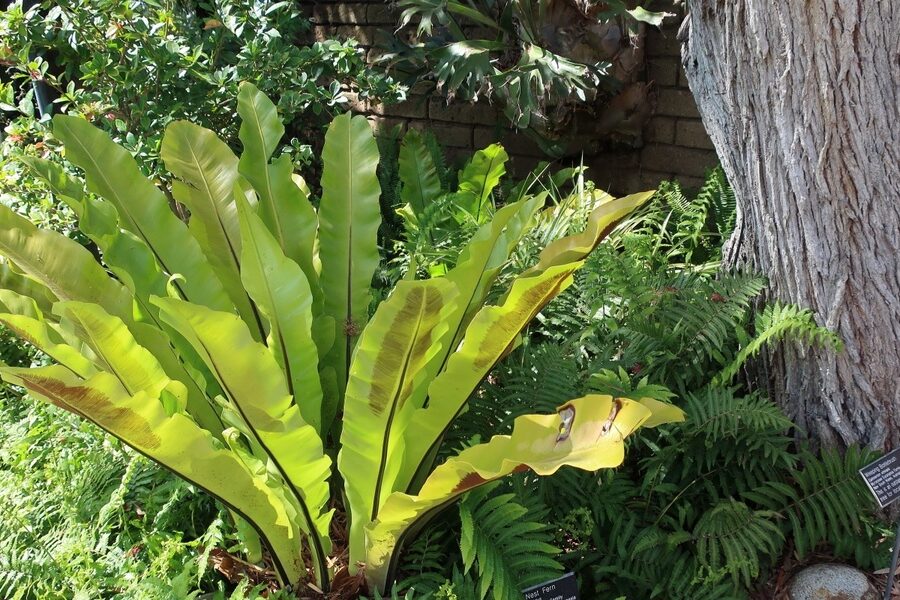
Ostrich fern fiddleheads (Matteuccia struthiopteris) are a seasonal edible in parts of North America. Ornamental species like Boston fern (Nephrolepis) and bird’s-nest fern (Asplenium nidus) remain common in horticulture. Research such as the NASA Clean Air Study (1989) spurred interest in how houseplants affect indoor air, though follow-up work shows variable results and cautions against overstating effects.
These ecological and human-facing roles stem directly from fern anatomy and life history — a reminder that basic biology often underpins both conservation and everyday gardening choices.
Summary
- Ancient lineage: ferns have existed for about 360 million years and today include roughly 10,500 species worldwide.
- Distinct anatomy: fronds, rhizomes, and vascular tissue give ferns their characteristic forms and functions.
- Spore-based life cycle: sori and sporangia (often producing 64 spores each) and a tiny gametophyte stage set ferns apart from seed plants.
- Flexible reproduction and ecology: many ferns spread vegetatively, tolerate shade or drought with special adaptations, and even live as epiphytes or towering tree ferns.
- Human value: ferns are ornamental, useful in restoration, and sometimes edible — their biology makes them both interesting and practical for gardeners and naturalists.
Go outside, seek a local fern, and notice the fronds and sori next time you pass a shady patch.
Ferns have been part of Earth’s vegetation since the Carboniferous period, roughly 360 million years ago, long before flowering plants evolved. That deep history shows up in surprising ways: ferns helped shape early soils, they still dominate some forest understories, and a few species become familiar houseplants on windowsills and porches.
Gardeners prize ferns for lush textures and shade tolerance, restoration ecologists value their soil-stabilizing rhizomes, and botanists find their spore-based lifecycle endlessly interesting. The mix of ancient lineage, practical uses, and unusual biology makes them worth a closer look.
Understanding the defining characteristics of fern plants — from frond structure to spore-based reproduction and ecological roles — reveals why these ancient vascular plants remain important in ecosystems, horticulture, and culture today. Below are eight key features that explain how ferns look, grow, reproduce, and serve people and landscapes.
Morphology and Structure
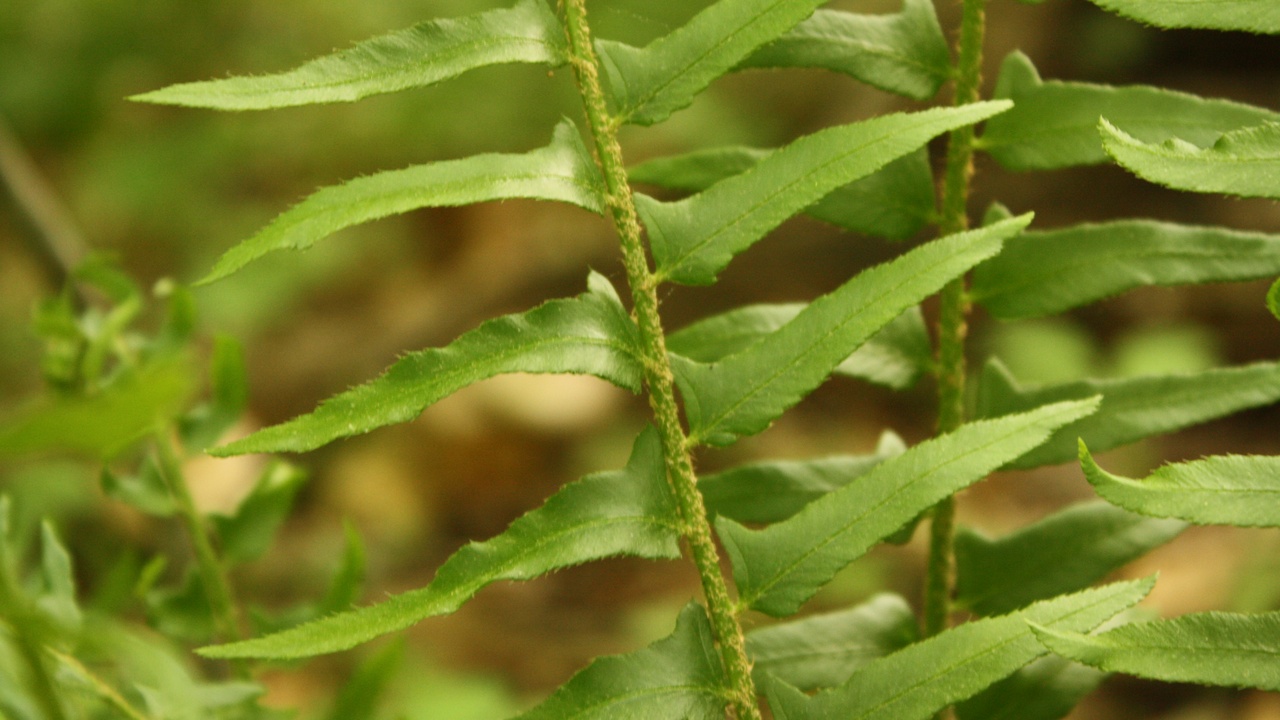
Ferns are vascular plants that stand apart because they do not make seeds or flowers. Their external form and internal tissues — fronds, rhizomes, xylem and phloem — both identify them and explain how they occupy shaded, moist, or even tree-canopy niches.
Look for three obvious structures when identifying a fern: the frond (the leaf), the rhizome (a stem often at or below ground), and the vascular strands that move water and sugars through the plant. These parts tie morphology directly to function, from light capture to spreading across the soil.
1. Fronds: Shape, pinnae, and leaf types
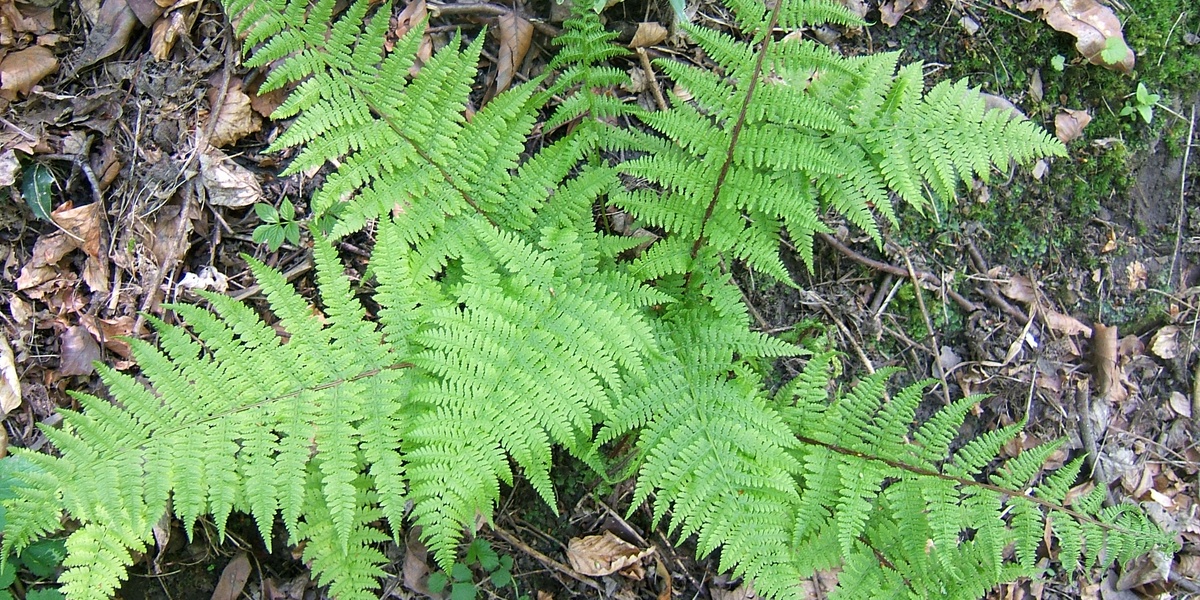
A frond is the whole leafy unit of a fern, equivalent to a leaf in flowering plants; it’s the primary organ for photosynthesis and reproduction. The frond includes the stipe (the stalk), the rachis (the central axis), and pinnae (leaflets) that may be further divided.
Frond architectures range from simple undivided blades to pinnate and bipinnate arrangements. Many temperate ferns produce fronds roughly 10–100 cm long, while tree ferns in genera like Cyathea or Dicksonia bear fronds that commonly exceed 2 m. Shape and division pattern are key identification traits — Boston fern (Nephrolepis exaltata) shows many narrow pinnae, bracken (Pteridium aquilinum) has coarse, wide fronds, and tree ferns carry large, arching crowns.
Functionally, narrow divided fronds can capture diffuse light under a canopy and shed water quickly after rain, reducing fungal problems. Broad simple fronds can harvest more light in gaps. In short, frond form reflects both habitat and evolutionary history.
2. Rhizomes and root systems
Rhizomes are stem-like structures typical of many ferns; they store nutrients, anchor the plant, and produce new fronds and roots. Because they are stems, rhizomes can be creeping, forming extensive horizontal networks, or erect and trunk-like in tree ferns.
Creeping rhizomes allow colony formation and effective soil binding — bracken (Pteridium) spreads rapidly via long rhizomes and can dominate groundcover across meters. Erect rhizomes form short clumps, while tree ferns develop a vertical trunk of fibrous rhizome tissue. Ostrich fern (Matteuccia struthiopteris) produces edible fiddleheads and spreads by stout rhizomes, which is why you often see tight groups of the same genetic individual.
From an ecological perspective, rhizome networks stabilize soil on slopes and rapidly recolonize disturbed ground, making some ferns useful in erosion control and restoration plantings.
3. Vascular system and absence of seeds or flowers
Ferns possess true vascular tissue — xylem for water transport and phloem for sugars — which allows them to grow larger and occupy different strata than non-vascular plants like mosses. Yet ferns do not produce seeds or flowers; instead, they rely on spores for dispersal and reproduction.
Among the characteristics of fern plants is this blend of complexity and simplicity: vascular plumbing without seed-based reproduction. That trait pair explains their life strategy — efficient transport over tall fronds but reliance on moist microhabitats for parts of their reproductive cycle. Globally, there are approximately 10,500 described fern species, which shows both diversity and ecological breadth.
Reproduction and Life Cycle
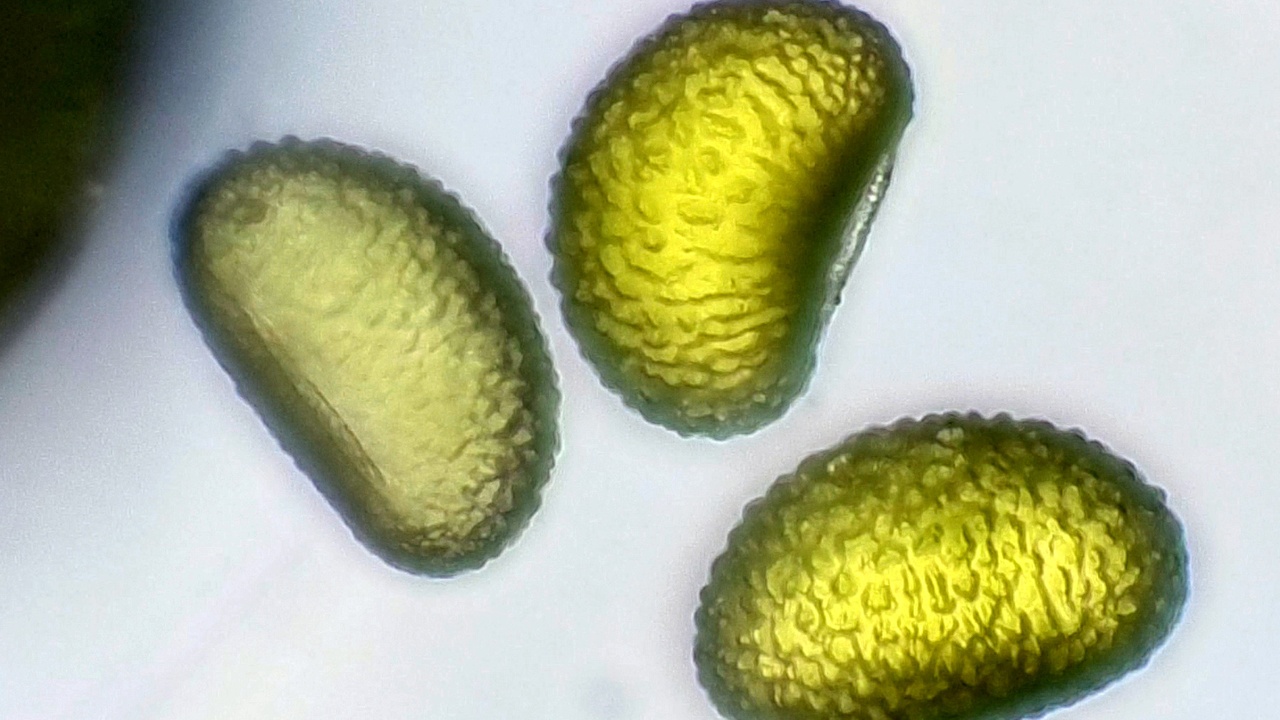
Ferns exhibit an alternation of generations that alternates a dominant leafy sporophyte with a small, free-living gametophyte. Spore production, gametophyte biology, and a range of vegetative strategies together make up their reproductive toolkit.
Understanding these phases clarifies why many ferns favor moist, shaded sites, and why gardeners use both spore sowing and division to propagate species.
4. Spore production and sori patterns
Sori are clusters of sporangia typically visible on the underside of fronds; each sporangium in many leptosporangiate ferns develops about 64 spores. The arrangement, shape, and presence or absence of a protective indusium are diagnostic for many genera.
For identification, note whether sori are round, linear, marginal, or arranged in distinct rows. Dryopteris and Polystichum often show species-specific sori patterns that help separate lookalikes. Spores are dispersed by wind and sometimes splash, and because individual sporangia produce many spores, a single fertile frond can release thousands of potential propagules.
5. Alternation of generations: sporophyte and gametophyte
The sporophyte is the familiar fern plant with fronds; the gametophyte is usually a small, thin, heart-shaped structure called a prothallus that ranges from a few millimeters to a few centimeters across. The gametophyte bears the sex organs: antheridia (sperm) and archegonia (eggs).
Sperm are flagellated and require a film of water to swim to eggs, which explains why many ferns are tied to damp microhabitats—on soil, rock faces, and moist leaf litter. Once fertilization occurs, the new sporophyte establishes and eventually produces its own fronds and sori.
6. Asexual reproduction: fragmentation, gemmae, and bulbils
Vegetative reproduction supplements spore-based sexual cycles in many ferns. Common horticultural methods include dividing clumps at the rhizome, which gardeners do in early spring to rejuvenate plants and increase stock.
Some species produce bulbils or plantlets on fronds (certain Asplenium and mother-fern types), while a few have gemmae or tiny propagules that detach and grow independently. These tactics let ferns colonize nearby sites quickly and preserve successful genotypes without relying on gametophytes.
Ecology, Physiology, and Human Uses
Fern traits influence where they live and how people use them. From moist understories to sunny rock crevices and tree crowns, adaptations in physiology and form let ferns fill many niches. Humans cultivate, eat, and historically collect ferns, and they also study their potential for indoor air quality.
7. Habitat preferences and adaptations (shade, moisture, epiphytism)
Most ferns favor shaded, humid microclimates where gametophytes can survive and sperm can swim. That said, many lineages evolved clever adaptations to broaden their range: epiphytic staghorn ferns (Platycerium) live on tree trunks, while cheilanthoid ferns tolerate dry rock faces.
Tree ferns can reach 10–20 meters tall in tropical forests, creating elevated habitats for epiphytes and modifying light patterns below. Xeric ferns reduce water loss by curling fronds, developing thickened cuticles, or shrinking during drought and rehydrating quickly after rain.
8. Ecological roles and human uses (ornamental, edible, medicinal)
Ferns provide ecosystem services such as soil stabilization, understory biomass, and habitat for invertebrates. They also have long cultural and practical uses: Victorian-era “pteridomania” in the 19th century made ferns popular decorative motifs, and some species are still harvested or grown for food and gardens.
Ostrich fern fiddleheads (Matteuccia struthiopteris) are a seasonal edible in parts of North America. Ornamental species like Boston fern (Nephrolepis) and bird’s-nest fern (Asplenium nidus) remain common in horticulture. Research such as the NASA Clean Air Study (1989) spurred interest in how houseplants affect indoor air, though follow-up work shows variable results and cautions against overstating effects.
These ecological and human-facing roles stem directly from fern anatomy and life history — a reminder that basic biology often underpins both conservation and everyday gardening choices.
Summary
- Ancient lineage: ferns have existed for about 360 million years and today include roughly 10,500 species worldwide.
- Distinct anatomy: fronds, rhizomes, and vascular tissue give ferns their characteristic forms and functions.
- Spore-based life cycle: sori and sporangia (often producing 64 spores each) and a tiny gametophyte stage set ferns apart from seed plants.
- Flexible reproduction and ecology: many ferns spread vegetatively, tolerate shade or drought with special adaptations, and even live as epiphytes or towering tree ferns.
- Human value: ferns are ornamental, useful in restoration, and sometimes edible — their biology makes them both interesting and practical for gardeners and naturalists.
Go outside, seek a local fern, and notice the fronds and sori next time you pass a shady patch.