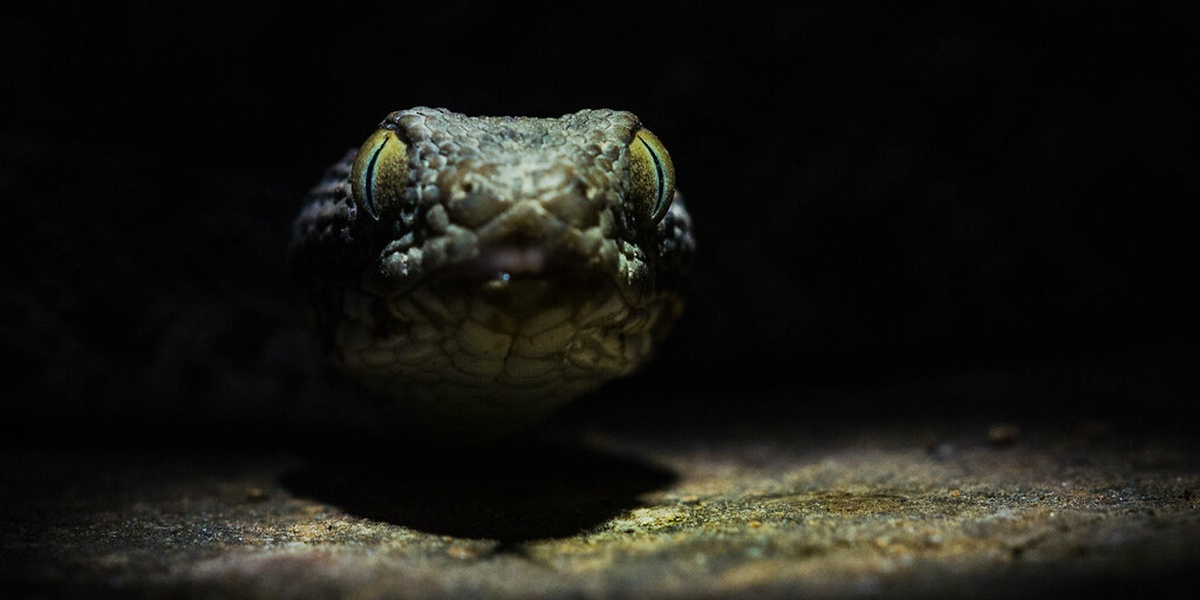
Saudi Arabia’s landscape — from Red Sea coasts and wadis to rocky mountains and vast deserts — supports a surprising variety of wildlife. While much of the country feels remote, many species live close to towns, farms and hiking routes, so knowing which animals are risky helps you stay safe whether you’re traveling, working outdoors, or living there.
There are 28 Dangerous Animals in Saudi Arabia, ranging from Aedes mosquito to Wild boar. Each entry below is organized with the following columns: Scientific name,Danger level (1-5),Habitat / regions, so you can quickly compare medical risk, where each species is found, and the proper precautions; you’ll find below.
How likely am I to encounter these animals and what precautions should I take?
Encounter risk varies by habitat and season: insects like the Aedes mosquito are common in populated and wet areas, while species such as the wild boar appear near agricultural edges. Basic precautions—wearing protective clothing, using repellents, checking bedding and shoes, avoiding dawn/dusk activity in known areas—reduce most risks; local guides and updated region advisories are also useful.
Which of these animals cause the most serious medical problems and what should I do if bitten or stung?
Venomous snakes and scorpions, certain spiders, and mosquito-borne diseases pose the most serious health threats. Immediate steps include keeping the patient calm, immobilizing the affected limb, cleaning wounds, and seeking urgent medical care; for insect-borne symptoms monitor fever and seek testing/treatment promptly.
Dangerous Animals in Saudi Arabia
| Name | Scientific name | Danger level (1-5) | Habitat / regions |
|---|---|---|---|
| Saw-scaled viper | Echis carinatus | 5; potent haemotoxic venom causes bleeding, shock | Deserts, scrub; central and eastern Saudi Arabia |
| Arabian horned viper | Cerastes gasperettii | 4; venomous, causes local tissue damage and pain | Sandy deserts and dunes; Rub’ al Khali, western interior |
| Arabian cobra | Naja arabica | 5; potent neurotoxic venom causing respiratory paralysis | Oases, wadis, agricultural areas; western and southwestern Saudi |
| Black desert cobra | Walterinnesia aegyptia | 4; neurotoxic and cytotoxic venom may cause severe envenoming | Rocky and sandy deserts; central and western regions |
| Mole viper (burrowing asp) | Atractaspis engaddensis | 4; powerful venom, can bite in confined spaces | Sandy soils, under rocks and inside rodent burrows |
| Sea snakes (various) | Hydrophiinae spp. | 5; highly venomous neurotoxic bites (rare, serious) | Red Sea coastal waters, coral reefs and mangroves |
| Deathstalker scorpion | Leiurus quinquestriatus | 5; extremely potent neurotoxic venom, fatal in children | Deserts and rocky areas; widespread across Saudi deserts |
| Arabian fat-tailed scorpion | Androctonus crassicauda | 5; strong neurotoxic venom, can be life-threatening | Desert and semi-arid zones; widespread across Saudi Arabia |
| Hottentotta scorpion | Hottentotta jayakari | 4; painful venom, can cause systemic symptoms in vulnerable people | Rocky and sandy habitats; southern and coastal areas |
| Widow spiders | Latrodectus spp. | 3; neurotoxic venom causes painful muscle cramps and autonomic symptoms | Urban and rural structures, gardens; nationwide records |
| Recluse spider | Loxosceles rufescens | 3; venom can cause necrosis and systemic hemolysis rarely | Buildings, woodpiles, dark sheltered spots; urban areas |
| Giant centipede | Scolopendra spp. | 2; painful venomous bite, can cause systemic symptoms in allergies | Under rocks, logs, gardens; coastal and inland areas |
| Stonefish | Synanceia verrucosa | 4; venomous dorsal spines cause severe pain, possible systemic effects | Red Sea coral reefs and tidal flats; Red Sea coast |
| Lionfish | Pterois miles | 3; venomous dorsal spines cause intense pain and swelling | Red Sea reefs and rocky areas; Red Sea coastline |
| Cone snail | Conus spp. | 5; potent conotoxins can cause paralysis and death | Red Sea coral reefs and rocky substrate; coastal waters |
| Stingrays | Dasyatis spp. | 3; venomous tail spine causes deep puncture wounds and envenoming | Shallow sandy bays and seagrass; Red Sea coastlines |
| Box jellyfish (reports) | Cubozoa spp. | 4; powerful cnidarian toxins can cause severe pain, cardiac arrest | Red Sea nearshore waters and coral reefs; seasonal |
| Sea urchin | Diadema setosum | 2; painful punctures, potential secondary infection | Rocky shores and coral reefs; Red Sea coastline |
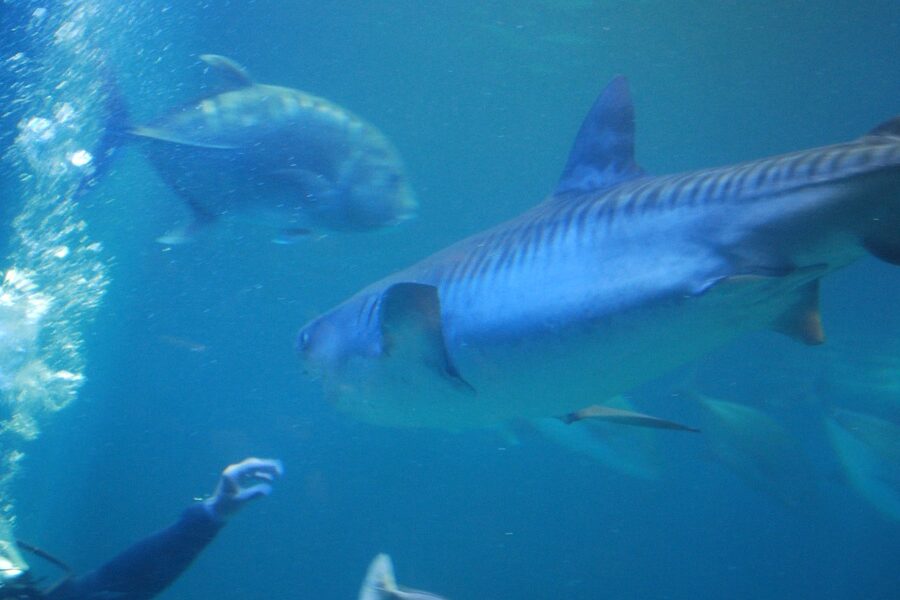
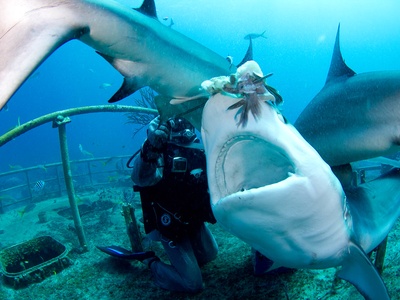
| Reef sharks | Carcharhinidae (reef species) | 2; bites cause lacerations and trauma, rare fatal attacks | Coral reefs and coastal waters; Red Sea and Gulf coasts |
| Aedes mosquito | Aedes aegypti | 4; transmits dengue and chikungunya causing severe febrile disease | Urban areas, Jeddah and western coastal cities |
| Anopheles mosquitoes | Anopheles spp. | 3; malaria vector in limited areas, causes severe febrile illness | Rural, border and some southern regions |
| Sandfly | Phlebotomus papatasi | 3; transmits cutaneous leishmaniasis causing chronic skin ulcers | Dry, rural and peri-urban areas; western and southern regions |
| Hyalomma tick (camel tick) | Hyalomma dromedarii | 4; transmits Crimean-Congo hemorrhagic fever (CCHF) | Livestock areas, camel farms, southern and eastern regions |
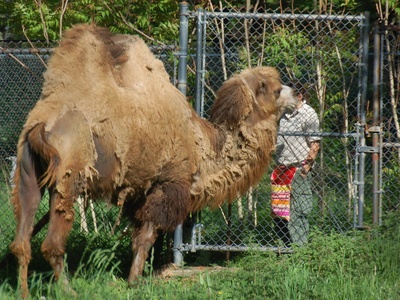
| Dromedary camel | Camelus dromedarius | 3; large animal risk: kicks, bites, zoonotic MERS transmission | Desert, farms, markets, nomadic areas; nationwide |
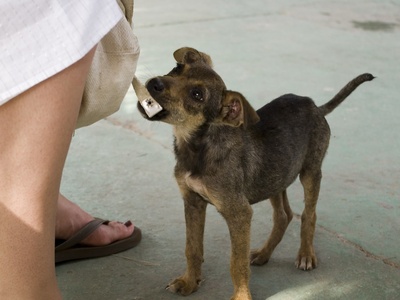
| Stray dog | Canis lupus familiaris | 4; bites risk serious trauma and rabies transmission | Urban, peri-urban, rural settlements across Saudi Arabia |
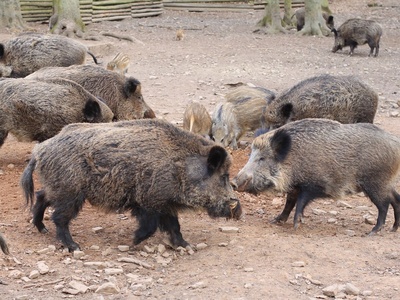
| Wild boar | Sus scrofa | 3; powerful tusks cause traumatic mauling, can be aggressive | Forested and agricultural southwestern regions (Asir) |
| Striped hyena | Hyaena hyaena | 2; generally shy but can bite when cornered; rabies potential | Arid and mountainous regions, desert fringes |
| Honey badger | Mellivora capensis | 2; fierce, strong animal capable of severe bites and injuries | Scrublands and rocky areas; western and southern regions |
Images and Descriptions

Saw-scaled viper
Bites cause severe pain, swelling, bleeding, coagulopathy and shock. First aid: keep victim still, immobilize limb, seek emergency antivenom and hospital care—do NOT cut or suck the wound. Notable as a leading cause of severe envenoming.

Arabian horned viper
Typically causes intense local pain, swelling and occasional systemic symptoms. First aid: immobilize limb, keep patient calm, transport to hospital for antivenom if progressive. Notable for camouflage, often under sand—watch where you step.
Arabian cobra
Bites can cause drooping eyelids, breathing difficulty and paralysis. First aid: reassure, immobilize limb, urgent antivenom and respiratory support if needed. Notable large elapid found near human settlements and farmland.
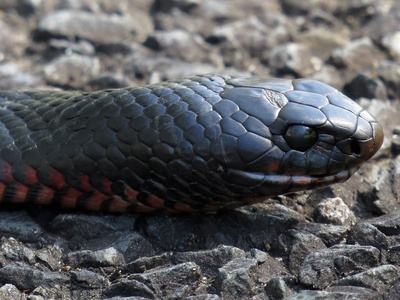
Black desert cobra
Bites can produce local injury and neurotoxic signs; slower onset sometimes misleading. First aid: immobilize, seek urgent hospital antivenom and monitoring for breathing problems. Notable dark desert snake, often nocturnal.
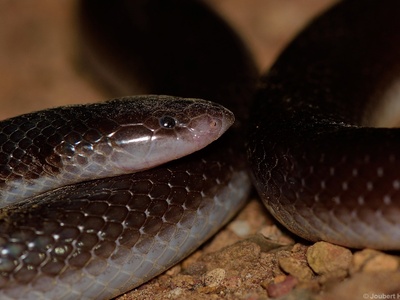
Mole viper (burrowing asp)
Small, fossorial snake that can deliver painful, medically significant bites. First aid: immobilize limb, transport to hospital for observation and antivenom if needed. Notable for surprising people in tight spaces or buildings.
Sea snakes (various)
Sea snake bites cause muscle weakness and breathing trouble; many are small and quiet. First aid: keep patient still, seek emergency care—antivenom may be required. Notable when fishing or handling bycatch.
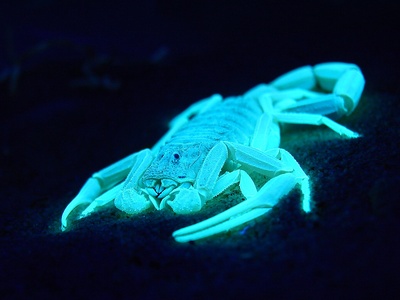
Deathstalker scorpion
Stings cause severe pain, sweating, fever, convulsions or respiratory distress in severe cases. First aid: clean sting, immobilize limb, rapid hospital care and antivenom for severe signs. Notable as one of the most medically important scorpions.
Arabian fat-tailed scorpion
Stings produce intense pain, systemic symptoms, possible respiratory failure. First aid: reassure, immobilize, get urgent hospital treatment and antivenom for severe reactions. Notable aggressive when disturbed and common around buildings.
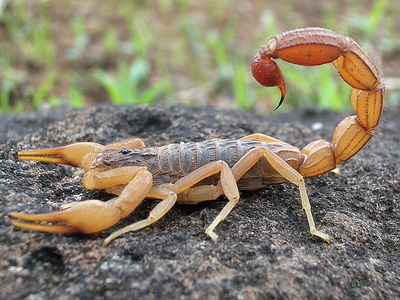
Hottentotta scorpion
Stings cause severe local pain and sometimes systemic effects like nausea or breathing issues. First aid: clean, immobilize, seek medical care if systemic signs occur. Notable common in southern and coastal regions.
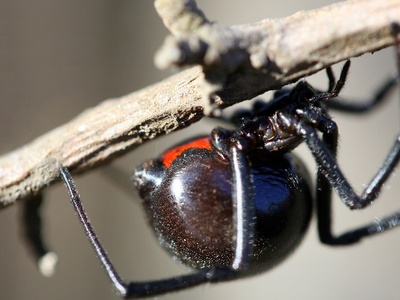
Widow spiders
Bites cause severe local pain, muscle spasms, sweating, hypertension and nausea. First aid: clean wound, apply cold packs, seek medical care for antivenom and pain control. Notable often found in buildings and debris.
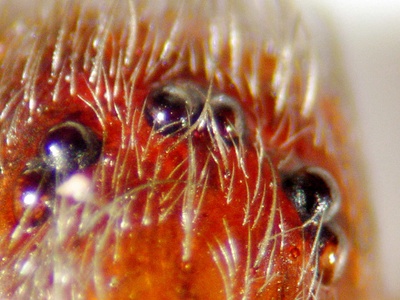
Recluse spider
Bites may be painless initially, later producing skin necrosis, blistering, sometimes systemic hemolysis. First aid: clean, immobilize, seek medical care; avoid tourniquets. Notable in houses and storage areas.
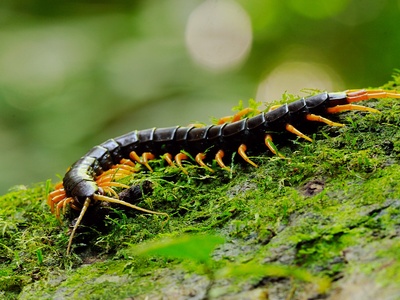
Giant centipede
Bites cause immediate intense pain, swelling, possible fever or allergic reactions. First aid: clean wound, apply cold, analgesics, seek care for severe pain or allergic response. Notable nocturnal and easily provoked when handled.
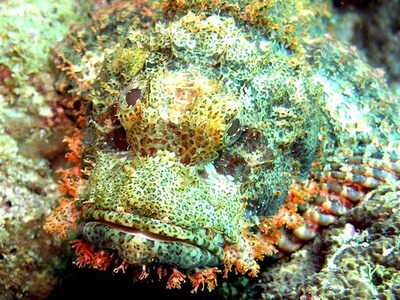
Stonefish
Stepping on spines causes excruciating pain, swelling and sometimes cardiovascular collapse. First aid: immerse wound in hot water to denature venom, seek urgent medical care and antivenom where available. Notable well-camouflaged on reefs.
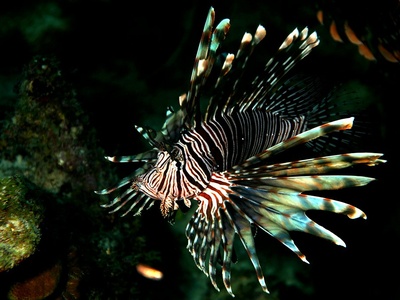
Lionfish
Stings cause sharp pain, swelling and rarely systemic effects. First aid: hot-water immersion, clean wound, seek medical care for pain control and infection risk. Notable invasive and common around reefs.
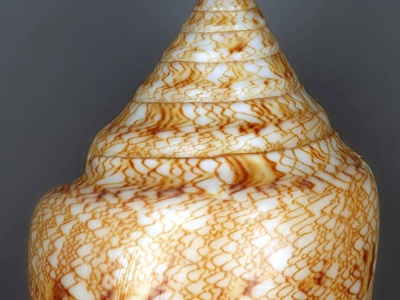
Cone snail
Stings from handling shells/fish can lead to severe neurotoxic paralysis and respiratory failure. First aid: immobilize, urgent evacuation to hospital for respiratory support; avoid handling live snails. Notable small but highly venomous.

Stingrays
Punctures cause severe pain, bleeding, possible envenoming and infection. First aid: immerse wound in hot water, control bleeding, seek medical care for wound cleaning and tetanus prophylaxis. Notable risk when wading.
Box jellyfish (reports)
Stings produce intense burning pain, skin welts, and in severe cases cardiovascular collapse. First aid: remove tentacles carefully, rinse with seawater, seek emergency care; CPR if needed. Notable potentially life-threatening in rare cases.
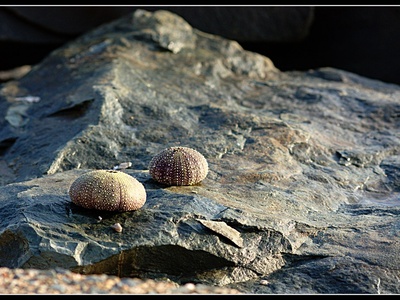
Sea urchin
Punctures from spines cause intense pain, swelling and possible retained spines leading to infection. First aid: remove visible spines, soak in hot water, clean and seek care for deep injuries. Notable common on reefs and tidal pools.
Reef sharks
Bites usually lacerations from defensive or feeding behavior. First aid: control bleeding, stabilize victim, seek urgent medical care and tetanus update. Notable cautious behavior reduces risk; avoid provoking or swimming near bait.

Aedes mosquito
Bites can transmit dengue/chikungunya causing high fever, severe joint pain, hemorrhage risk. First aid: symptomatic care for fever and hydration; seek medical help for severe symptoms. Notable urban daytime biter; use repellents and nets.
Anopheles mosquitoes
Bites can transmit malaria producing fever, chills and anemia. First aid: seek prompt medical testing and antimalarial treatment if infected. Notable use nets/repellents in higher-risk zones.
Sandfly
Bites may transmit Leishmania causing chronic skin sores and scarring. First aid: protect bites, seek medical diagnosis; treatment may require antimonials or other therapies. Notable causes disfiguring but treatable infections.
Hyalomma tick (camel tick)
Ticks bite and can transmit CCHF causing severe hemorrhagic fever. First aid: remove tick carefully, clean bite, seek urgent medical attention for febrile illness. Notable abundant on camels; use PPE with animal handling.
Dromedary camel
Camels can cause blunt trauma (kicks, trampling) and are MERS-CoV reservoirs. First aid: treat trauma wounds, seek medical care for severe injury; avoid close contact with sick camels. Notable cultural and economic animal with disease risk.
Stray dog
Bites cause puncture wounds, infection and rabies risk. First aid: wash wound with soap and water, seek urgent medical care for rabies post-exposure prophylaxis and antibiotics. Notable stray populations can carry rabies.
Wild boar
Encounters can lead to deep lacerations, punctures and blunt trauma. First aid: stop bleeding, stabilize and seek immediate hospital care for wounds and infection prevention. Notable more common in southern highlands.

Striped hyena
Attacks are rare but can cause bites and scratches; possible rabies. First aid: clean wounds, seek medical care and rabies prophylaxis if exposure suspected. Notable scavenger that may approach settlements at night.
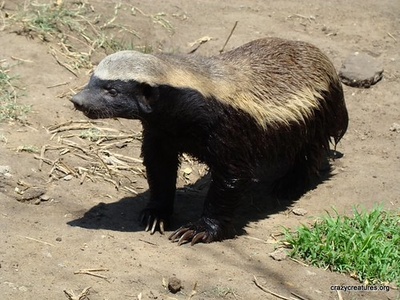
Honey badger
Aggressive defense can cause deep bites and scratches. First aid: control bleeding, seek medical attention for wounds and tetanus update. Notable fearless reputation and ability to damage livestock or provoke attacks.