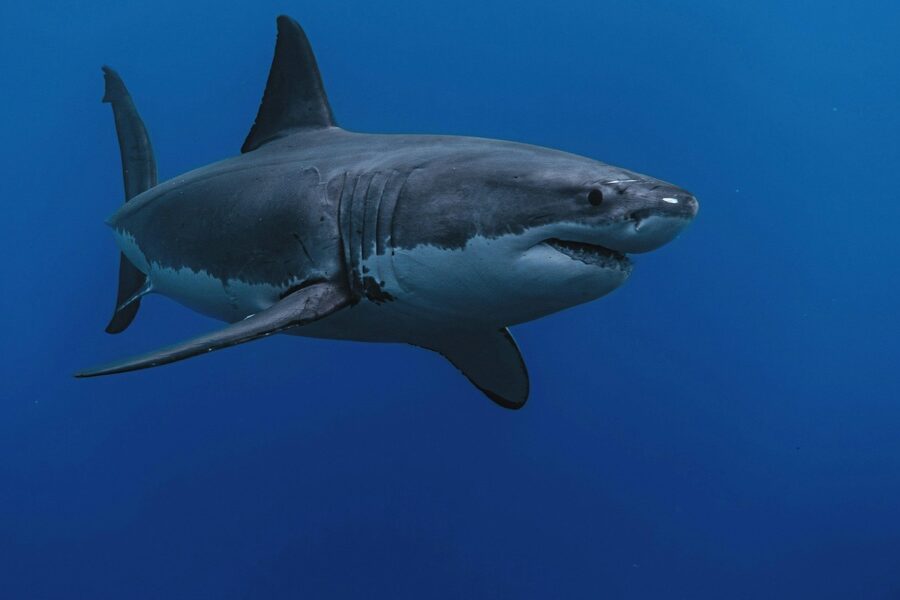
The islands of Seychelles are best known for white sand beaches and clear water, but that same ocean and tangled coastal habitat are home to species you should respect. Whether you plan to snorkel, hike or simply relax by the shore, a little awareness keeps trips safe and enjoyable.
There are 16 Dangerous Animals in Seychelles, ranging from Blacktip reef shark to Whitetip reef shark, and the list covers both marine and a few terrestrial species. Each entry below is organized with Scientific name,Danger (1-5),Where found so you can quickly gauge risk and location — you’ll find those details in the table you’ll find below.
How likely am I to encounter these animals while visiting Seychelles?
Most visitors never have a serious incident: many of the species are shy or deep-water animals, and common injuries come from stepping on urchins or brushing against jellyfish. Stick to marked swimming areas, avoid feeding wildlife, and give animals space to reduce chances of an encounter.
What practical steps should I take to stay safe around dangerous wildlife?
Use common-sense precautions: swim where lifeguards watch, avoid water at dawn/dusk, wear reef shoes on rocky bottoms, heed local warnings, and seek immediate medical help for bites or stings — quick treatment often prevents complications.
Dangerous Animals in Seychelles
| Name | Scientific name | Danger (1-5) | Where found |
|---|---|---|---|
| Blacktip reef shark | Carcharhinus melanopterus | 3 | Shallow reefs, lagoons; common around main islands |
| Whitetip reef shark | Triaenodon obesus | 3 | Coral reefs, crevices; night-active near outer reefs |
| Tiger shark | Galeocerdo cuvier | 4 | Deep and coastal waters; occasional near outer reefs |
| Stonefish | Synanceia verrucosa | 4 | Shallow reef flats, tide pools, sandy-coral rubble |
| Blue-spotted ribbontail ray | Taeniura lymma | 3 | Sandy lagoons and shallow flats near reefs |
| Cone snail | Conus geographus | 5 | Coral rubble and under rocks in shallow to moderate depths |
| Lionfish | Pterois miles | 3 | Coral reefs and lagoons; invasive on Seychelles reefs |
| Sea urchin | Diadema setosum | 2 | Rocky reefs, tide pools, shallow coral zones |
| Moray eel | Gymnothorax javanicus | 2 | Crevices on reefs and wrecks; shallow to mid-depths |
| Sea snake (yellow-bellied) | Pelamis platurus | 4 | Open water and around reefs; often found floating on surface |
| Portuguese man o’ war | Physalia physalis | 3 | Open ocean and beaches after winds; occasionally strands ashore |
| Jellyfish (upside-down and scyphozoans) | Cassiopea andromeda | 3 | Mangroves, shallow lagoons and some beaches |
| Fire coral | Millepora platyphylla | 2 | Shallow reef edges and lagoon coral patches |
| Mosquito (dengue vector) | Aedes aegypti | 4 | Urban and peri-urban areas; breeds in stagnant water; daytime biters |
| Rat (black rat) | Rattus rattus | 3 | Around homes, markets, drains and plantations |
| Centipede | Scolopendra morsitans | 2 | Leaf litter, rock crevices, inside buildings at night |
Images and Descriptions
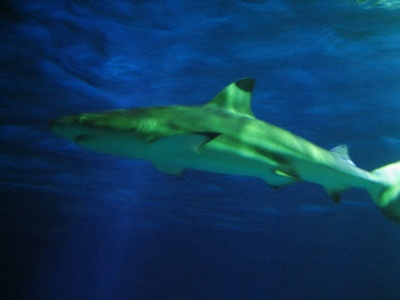
Blacktip reef shark
Slender shark with black-tipped fins commonly seen while snorkeling. Generally shy but can bite if provoked or splashing. Avoid dawn/dusk swims, stay in groups, follow guides. If bitten, apply pressure to bleeding, immobilize limb and seek urgent medical care.
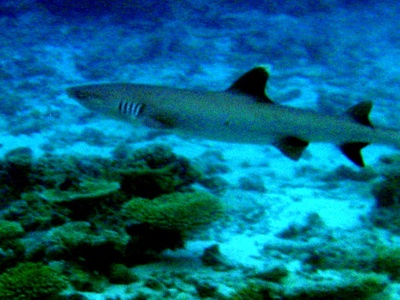
Whitetip reef shark
Stocky, white-tipped dorsal fins; rests in caves by day and hunts at night. Rarely aggressive but may bite if cornered or spearfishing. Keep distance, don’t reach into crevices, clean and dress any wounds, seek medical attention for deep bites.
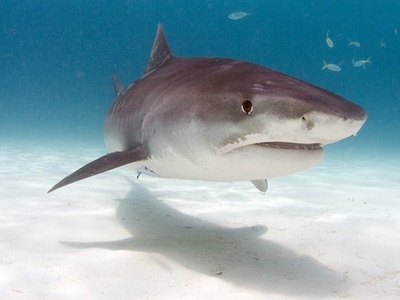
Tiger shark
Large, striped shark that visits coastal waters opportunistically. Rare in Seychelles but capable of severe attacks. Avoid isolated swimming, night-time or murky-water activity, and fishing in swimming areas. Serious bites require emergency trauma care and surgery.
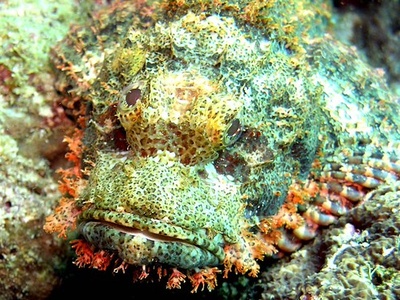
Stonefish
Well-camouflaged bumpy fish whose dorsal spines inject potent venom causing intense pain, swelling and possible systemic symptoms. Shuffle feet to avoid stepping on them; wear water shoes. First aid: hot-water immersion for pain and urgent medical treatment; antivenom where indicated.
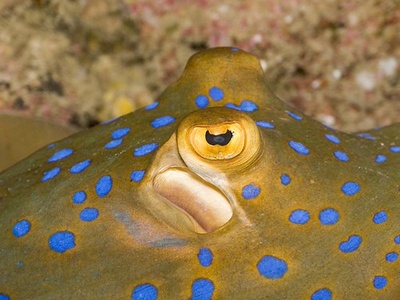
Blue-spotted ribbontail ray
Distinctive blue spots on a flat, evasive ray. Usually shy but will lash its venomous tail spine if stepped on or handled. Shuffle feet in shallow water, avoid handling. Sting: hot-water immersion, control bleeding, clean wound and seek medical care.
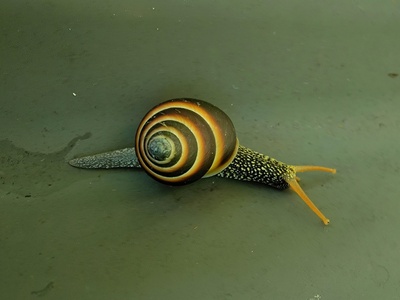
Cone snail
Small, attractive cone shells hide a harpoon-like radula that injects powerful neurotoxin; stings can be fatal and are painless initially. Never handle live cones or unknown shells. If stung, immobilize victim, seek emergency hospital care immediately—no quick field antidote.
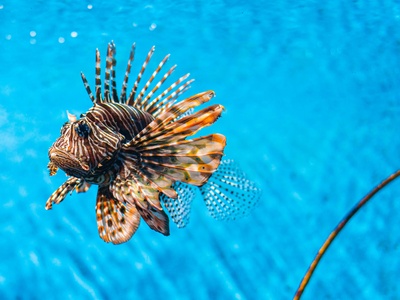
Lionfish
Showy striped fish with long venomous dorsal fins. Stings cause severe pain, swelling and occasionally systemic symptoms. Do not touch; puncture wounds treated with hot-water immersion, pain control and wound care. Participate in local removal programs where safe.
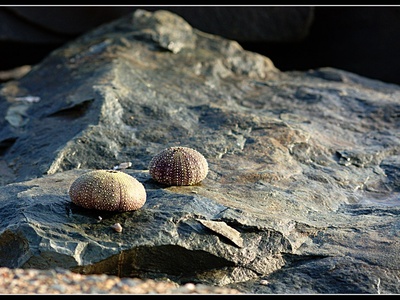
Sea urchin
Long black spines that puncture skin causing painful wounds and possible secondary infection. Avoid barefoot walking in shallow reefs; wear protective footwear. Remove visible spines, soak in hot water for pain, clean wound and see a doctor if fragments remain or infection develops.
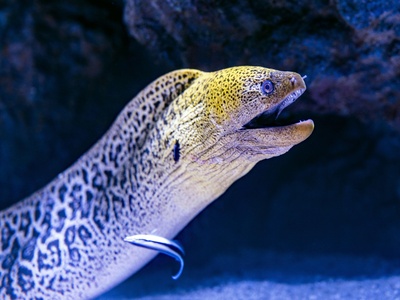
Moray eel
Large mottled eel hiding in holes; bites occur when divers put hands into crevices or feed them. Bites can be deep and infection-prone. Don’t probe holes, avoid hand-feeding. Clean and irrigate wounds, seek medical care and antibiotics as needed.

Sea snake (yellow-bellied)
Pelagic yellow-bellied sea snake—highly venomous but generally non-aggressive. Bites are uncommon but medically serious. Do not handle or try to capture sea snakes. If bitten, immobilize limb, minimize movement and get urgent antivenom-capable hospital care.
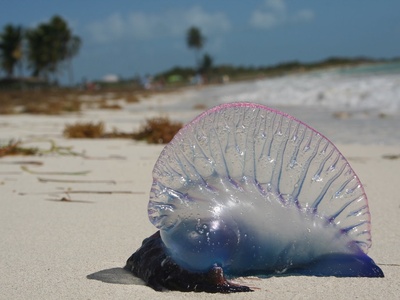
Portuguese man o’ war
Gas-filled blue float with long tentacles delivering painful stings that can cause systemic reactions. Tentacles may still sting when washed ashore. Avoid touching, remove tentacles with a stick or glove, rinse with seawater, apply hot water and seek medical help for severe reactions.
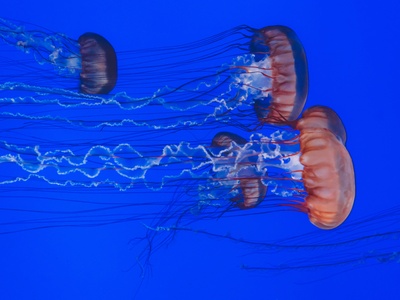
Jellyfish (upside-down and scyphozoans)
Includes species that cause painful stings and skin irritation while swimming. Blooms can make swimming hazardous. Avoid swimming during reported blooms, wear protective clothing, rinse with seawater (not fresh water), apply hot water for pain and seek care if symptoms worsen.
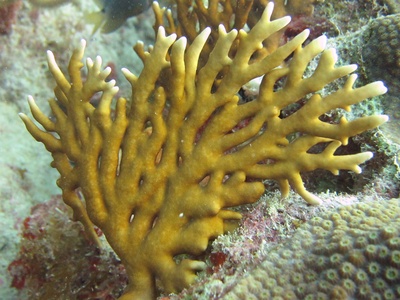
Fire coral
Colonial hydrozoan resembling coral that causes a burning rash on contact and sometimes blisters. Common on snorkel routes. Avoid touching reefs, wear a rashguard. Rinse with seawater, avoid rubbing, treat with vinegar or topical steroid if recommended and see a clinician for severe dermatitis.
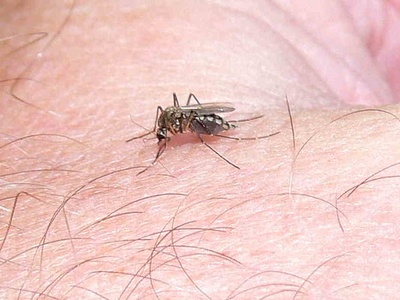
Mosquito (dengue vector)
Small mosquito that transmits dengue and chikungunya—both cause high fever and can require hospitalization. Use insect repellent, wear long sleeves, use screens and remove standing water. Seek prompt medical care if fever develops after a bite.
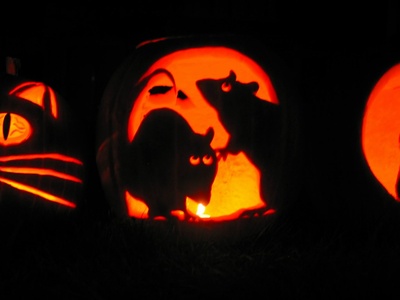
Rat (black rat)
Common rodent that contaminates food and can spread leptospirosis, hantaviruses or bite if cornered. Avoid contact, store food securely, use gloves when handling traps, maintain sanitation. For suspected leptospirosis exposure, seek medical attention for testing and antibiotics.
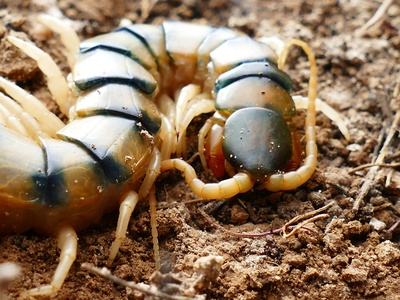
Centipede
Large tropical centipede delivers a painful venomous bite with local swelling, nausea and intense pain. Usually non-life-threatening but very painful. Shake out shoes and bedding, avoid handling. Clean bite, apply cold packs and analgesia; seek care for severe or allergic reactions.