A moose antler can span as much as 1.8 meters (about 6 feet) — a striking reminder that moose are the largest members of the deer family.
That size matters. Encounters while hiking, differing hunting rules, roadside collision risk, and conservation efforts all hinge on knowing how these animals differ. A few numbers help set the scene: adult bulls commonly differ by hundreds of kilograms in mass, and the rut peaks for both species often fall in September–October.
This piece compares six key differences between elk and moose so you can identify them, stay safe, and understand why managers treat them differently.
Size, build, and antlers
Size and antlers are the quickest visual clues in the field and they matter for identification, behavior, and collision risk. You can often tell a moose from an elk at a glance: bulk, shoulder height, and the rack shape are obvious differences.
1. Body size and proportions
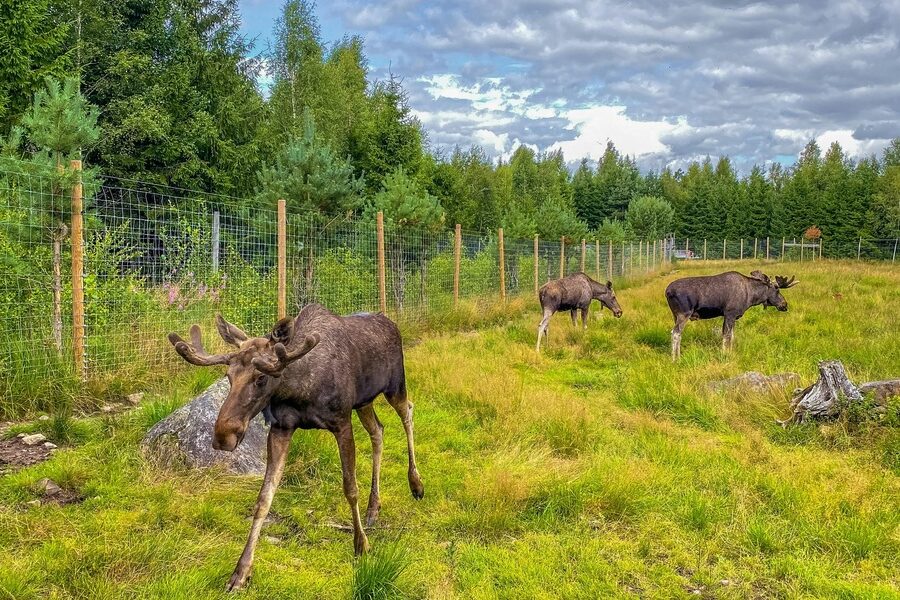
Moose are the largest deer: bulls tend to be taller at the shoulder and much heavier than elk bulls, which are more streamlined and built for movement. Typical adult moose shoulder heights range roughly from 1.4 to 2.1 meters (about 4.5–7 ft), with mature bulls often weighing several hundred kilograms. By contrast, adult bull elk usually stand around 1.2 to 1.5 meters at the shoulder and commonly weigh in the low hundreds of kilograms.
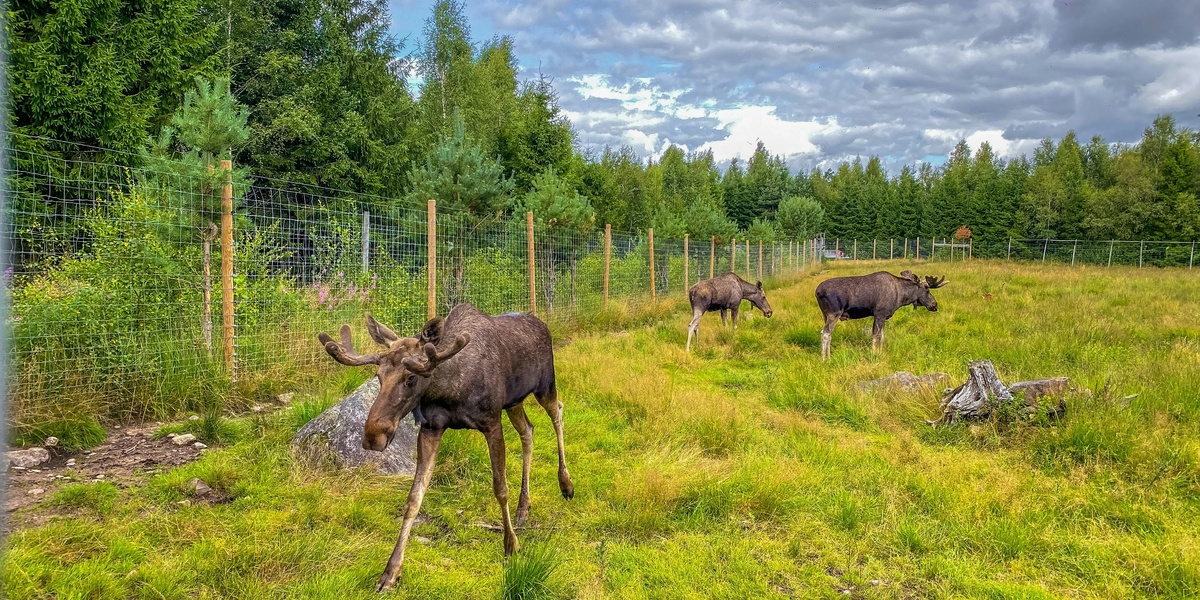
Those numbers matter on the road: a collision with a 500–600 kg moose is often more dangerous to vehicle occupants than a similar crash with a lighter elk. In the field, moose are most often found in dense, wet forests where their long legs help them wade; elk are more gracile and move across open forests, meadows, and ridgelines.
For a concrete comparison, an Alaskan bull moose (notably tall and heavy) will dwarf a Rocky Mountain bull elk on the same trail — larger mass, higher shoulder, and a different silhouette. (Sources: National Geographic, National Park Service.)
2. Antler shape and seasonal development
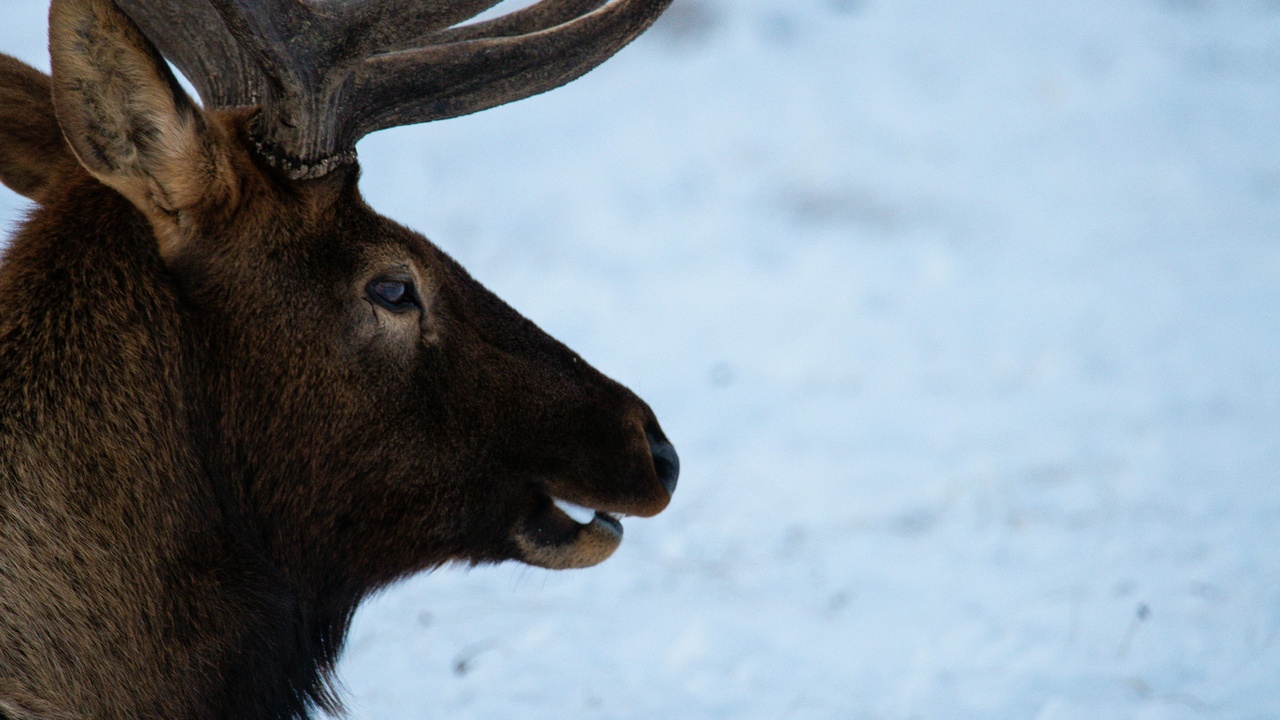
Antlers provide an unmistakable ID: moose antlers are palmate — broad, flat, and hand-shaped — while elk have long, cylindrical beams with multiple branching tines. That contrast makes species ID easy even at a distance when racks are visible.
Antlers grow each spring and summer in velvet (a soft, vascular skin) and are shed annually after the rut. Moose antler spans can reach about 1.8 m (6 ft) across on trophy bulls, while elk typically present multi-tined racks where tine count and beam length vary by region and age. The velvet is usually shed and antlers harden by late summer, with peak trophy size just before the September–October rut in many areas. (See National Geographic.)
Behavior and social structure
Behavioral differences determine when and where you’ll see these animals. Elk are gregarious and form groups; moose are mostly solitary. That affects everything from viewing opportunities to management tactics like winter feeding and hunt design.
3. Social structure: herds versus solitude
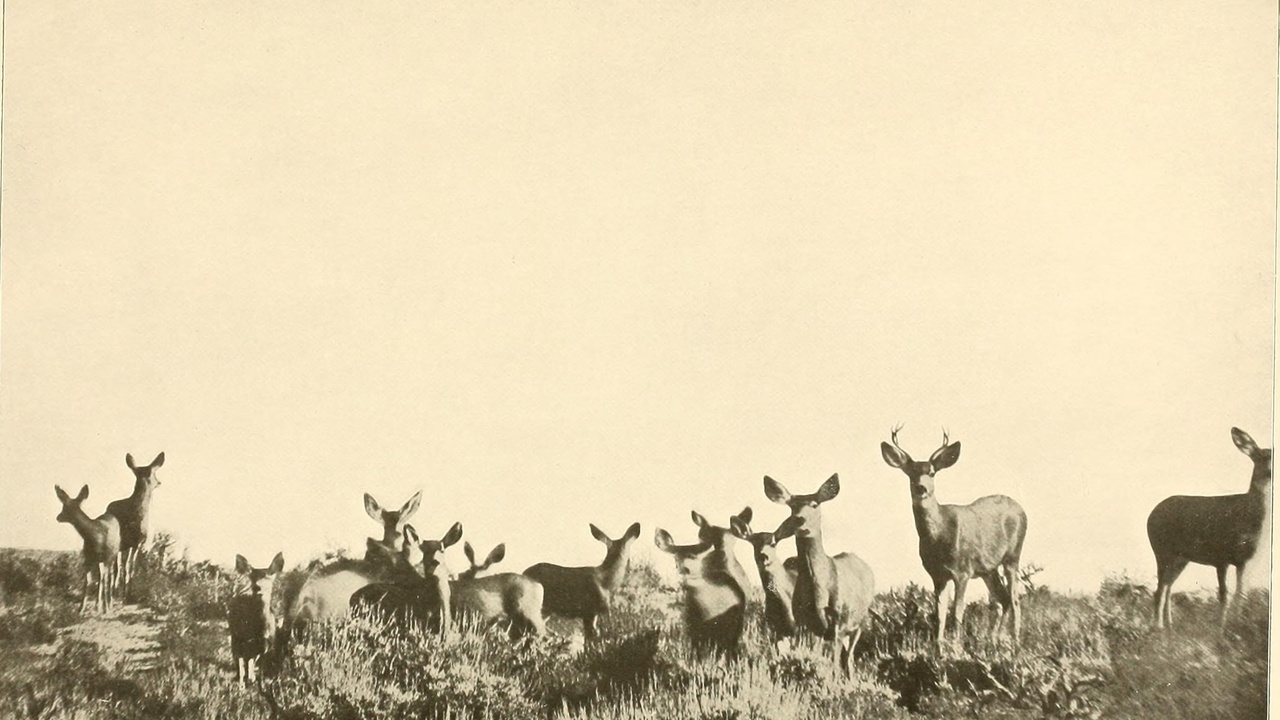
Elk commonly form large herds outside the breeding season — sometimes dozens to hundreds of animals in prime habitat. These aggregations make elk easier to spot from roads and overlooks and shape how managers set hunting seasons and population targets.
Moose, in contrast, tend to be solitary. Typical sightings are a lone cow with a calf or a solitary bull. That solitary habit means encounters are often closer and more surprising for hikers in boreal and riparian zones. Park staff in places like Yellowstone note the very different logistics of monitoring herds versus tracking solitary moose. (Example: elk herds in large western parks versus solitary moose in boreal forests.)
4. Vocalizations, rut, and aggression
Elk are loud during the rut: bulls bugle — a high, far-carrying call used to attract cows and challenge rivals. Bugles are often the soundtrack of autumn in elk country and can help you locate herds at a distance.
Moose vocalizations are lower and less conspicuous: bulls grunt and cows make low moaning sounds during courtship. Both species can be aggressive during the rut or when defending calves; moose are involved in more close-contact injuries to people because their solitary habit and habitat often put them in tighter proximity to hikers. Peak rut months for many populations fall in September–October, but check local agency calendars for regional variation. (Consult local wildlife agencies for timing.)
Habitat, diet, and human interactions
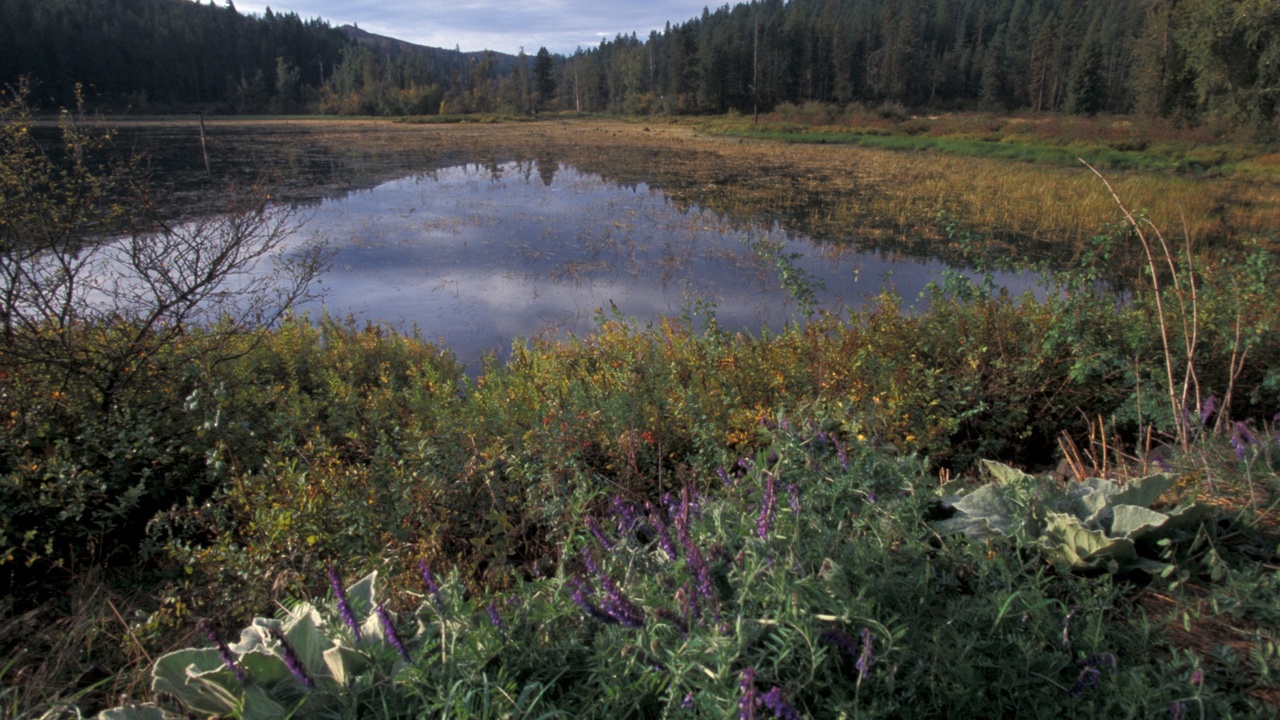
Where each species prefers to live and what it eats directly shapes how people encounter them. Moist, forested wetlands favor moose; mosaics of meadow, open forest, and montane grassland favor elk. Those preferences create distinct patterns of human-wildlife conflict and different conservation priorities.
5. Habitat preference and range
Moose (Alces alces) are tied to boreal, sub-boreal, and wetland systems across northern Eurasia and North America. Elk (Cervus canadensis) have a broader ecological amplitude in many places — thriving in montane woodlands, open meadows, and grassland-forest edges. Elk have also been introduced in some regions outside their native range.
If you’re planning a wildlife trip, expect elk in open ridgelines and valley bottoms, and moose in marshes, river corridors, and dense stands of willow and aspen. For official range maps and regional numbers, consult the IUCN Red List and national wildlife agencies.
6. Diet, human conflict, and conservation implications
Diet drives where conflicts arise. Moose eat a lot of woody browse and aquatic plants, so they frequent wetlands, riparian zones, and shoreline vegetation. Elk consume more grasses, forbs, and shrubs and often use meadows and alpine grasslands.
Those differences lead to different problems for people. Moose commonly wander onto roads near wetlands and can cause severe vehicle damage because of their height and mass. Elk sometimes damage fences or crops where agricultural fields abut range. Management responses vary: seasonal signs and lower speed limits near wetlands, wildlife overpasses and fencing in known collision corridors, and regulated hunting seasons or quotas set by state and provincial agencies.
On conservation status, both species are globally listed as broadly secure by major assessments, but trends vary regionally — some moose populations have declined in parts of North America and Fennoscandia, while many elk populations have recovered thanks to active management. For regional data consult the IUCN Red List and local wildlife departments.
Summary
- Antlers: palmate, broad racks on moose versus multi-tined, branching racks on elk — an easy quick ID cue.
- Size and shape: moose are taller and bulkier; elk are leaner and built for movement.
- Behavior: elk form herds and bugle during the rut; moose are mostly solitary and use lower, less obvious calls.
- Habitat and diet: moose favor wetlands and browse on woody and aquatic plants; elk use meadows, graze grasses, and often migrate seasonally.
- Human interactions: different collision risks, crop or fence impacts, and distinct management tools (seasonal signage, crossings, regulated hunts).
Before heading into the field, check local wildlife agency pages for season dates and safety advice, keep your distance from any large cervid, and plan routes with collision risk in mind.