Timor-Leste is the kind of place that doesn’t make most wildlife documentaries, which is exactly why its biodiversity loss flies under the radar. This half-island nation sits inside the Coral Triangle, the richest marine region on Earth, and its dry forests hold birds you’ll find nowhere else. It’s also losing species fast — to chainsaws, fishing nets, and the illegal pet trade.
The data tables out there list the names. They rarely tell you what’s actually happening to these animals. This list does both: the flagship species in the most trouble, grouped by where they live, with the real reasons each one is sliding toward the edge.
Table of Contents
- The Short Version
- Marine Species
- Birds
- Terrestrial Species
- Why Timor-Leste’s Wildlife Is Disappearing
- What’s Being Done — and How to Help
The Short Version
If you want the headline cases, here they are. The yellow-crested cockatoo is critically endangered and was nearly wiped out by the cage-bird trade. The Timor sparrow and several endemic birds are squeezed into shrinking patches of dry forest. In the water, dugongs, whale sharks, and three species of sea turtle pass through Timorese waters while facing nets, boat strikes, and warming seas. The thread connecting almost all of them: habitat loss from slash-and-burn farming, plus direct capture.
Now the full list.
Marine Species
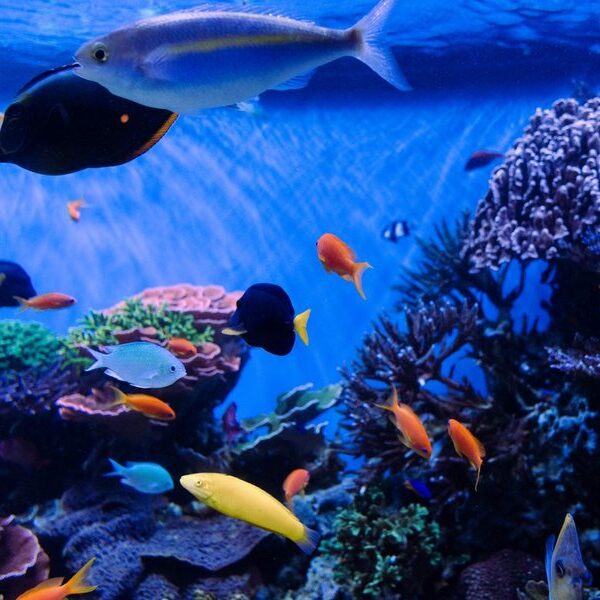
Timor-Leste’s coastline is its conservation crown jewel. The waters off the north coast and around Atauro Island are part of the Coral Triangle, and a single dive site near Atauro once recorded one of the highest reef-fish counts ever logged. That richness is also what’s at stake.
Dugong (Dugong dugon)
Status: Vulnerable (IUCN)
The dugong is the gentle, slow-moving relative of the manatee, and Timor-Leste is one of the few places in Southeast Asia where you can still reliably spot them — the seagrass meadows off the north coast feed a small resident population. That’s also the problem. Dugongs eat seagrass and nothing else, so when coastal development, boat anchors, or sediment runoff kills a meadow, the dugongs that depended on it have nowhere to go. They breed slowly, one calf every few years, which means a population can’t bounce back from even modest losses.
Whale Shark (Rhincodon typus)
Status: Endangered (IUCN)
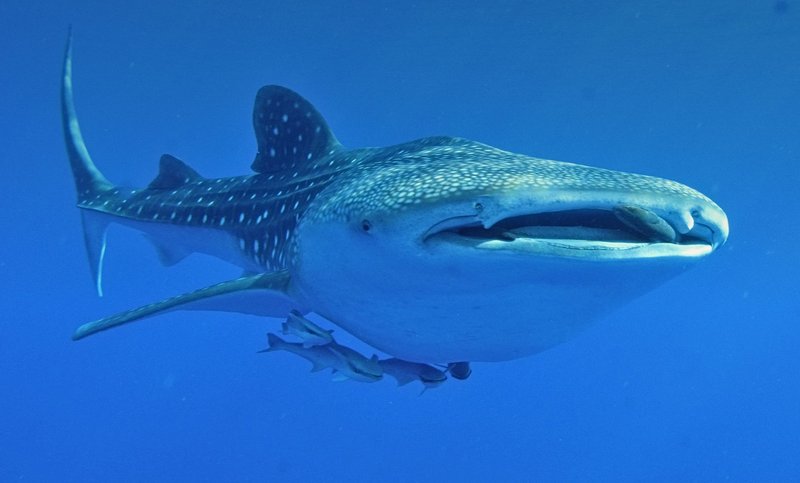
The largest fish in the ocean cruises through Timorese waters on its migration, and the deep channel along the north coast funnels these filter-feeders close to shore. The IUCN lists the species as endangered globally, with numbers roughly halved over the last 75 years. Ship strikes are a real threat in busy channels, and whale sharks are still hunted for their fins and meat in parts of the region. They mature late and reproduce slowly — the same demographic trap that catches the dugong.
Sea Turtles (Green, Hawksbill, Olive Ridley)
Status: Endangered to Critically Endangered (IUCN)
Three sea turtle species nest and forage along Timor-Leste’s beaches. The hawksbill (Eretmochelys imbricata) is the most imperiled — listed as critically endangered, hunted for its patterned shell, the raw material for “tortoiseshell” trinkets. Green turtles (Chelonia mydas) graze the same seagrass beds the dugongs need, and olive ridleys (Lepidochelys olivacea) come ashore to nest. Egg collection on unprotected beaches and accidental capture in fishing gear hit all three. A nesting beach without protection is essentially an open pantry.
Birds
This is where Timor-Leste gets genuinely special. The island sits in the Wallacea region, a zone of evolutionary isolation that produced birds found nowhere else on the planet. Timor-Leste records more than 240 bird species, and over 20 of them are endemic to the Timor area. The birds are only one slice of the picture, too — East Timor’s native animals run from reef fish to forest reptiles, and a striking share of them live nowhere else. That uniqueness comes with fragility — an endemic bird has no backup population somewhere else.
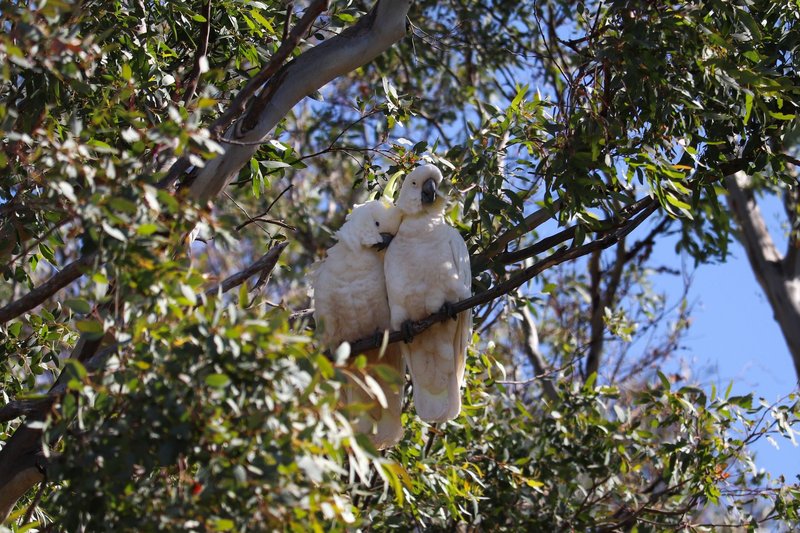
Yellow-Crested Cockatoo (Cacatua sulphurea)
Status: Critically Endangered (IUCN)
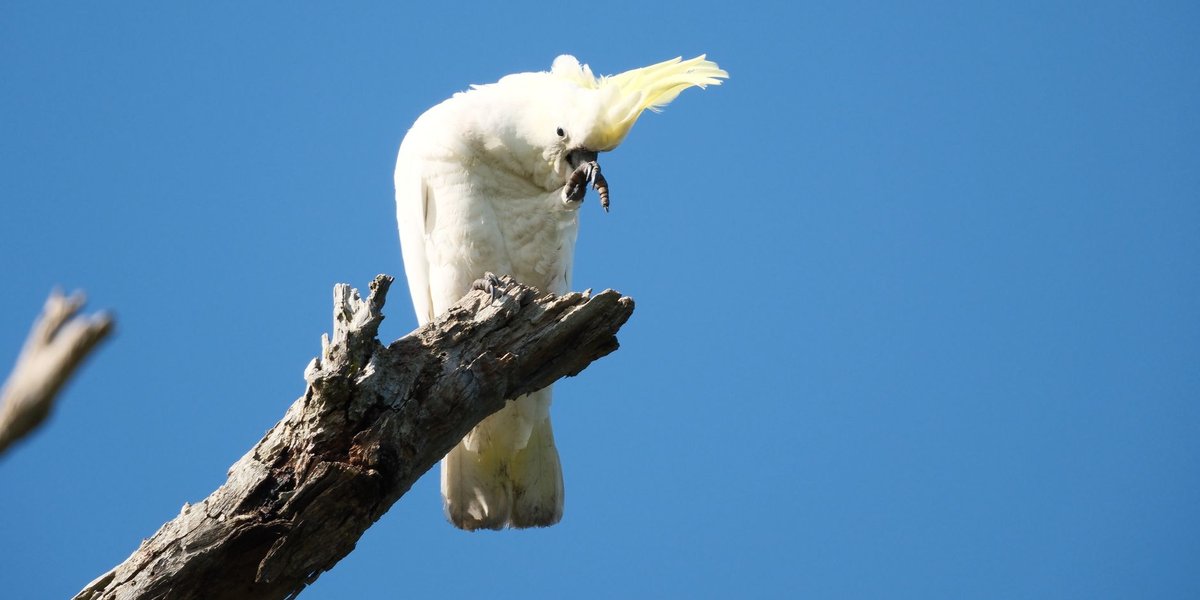
This is the poster bird for everything that’s gone wrong. The yellow-crested cockatoo — white body, a flamboyant lemon crest it flips up when alarmed — was trapped in such enormous numbers for the international pet trade that wild populations crashed by more than 80% over a few decades. BirdLife International documents how the cage-bird boom of the late 20th century gutted the species across its range. Timor-Leste is now one of its more important remaining strongholds, which is both good news and a heavy responsibility. Where forest survives and trapping has eased, small flocks are hanging on.
Timor Sparrow (Padda fuscata)
Status: Near Threatened (IUCN)
A handsome finch with a chestnut body and a bold black-and-white face, the Timor sparrow lives in grassland and the scrubby edges of dry forest. It’s endemic to Timor and a couple of nearby islands. Its trouble is quieter than the cockatoo’s: no single dramatic threat, just the steady conversion of its grassy habitat to farmland and grazing, plus some trapping for the local bird trade. Death by a thousand cuts.
Timor Green Pigeon (Treron psittaceus)
Status: Endangered (IUCN)
A plump, fruit-eating pigeon in shades of green and ochre, this bird depends on fruiting trees in lowland forest — exactly the forest that gets cleared first for gardens and fuelwood. Because it follows the fruit, it needs large connected stretches of woodland to find enough to eat year-round. Fragmented forest leaves it stranded.
Wetar Ground Dove and Other Endemics
Status: Various (Vulnerable to Near Threatened)
Beyond the headliners, Timor’s bird list includes a cluster of localized species — ground doves, friarbirds, and figbirds adapted to the island’s monsoon forest — that conservationists watch closely. None is in free fall, but all share the same shrinking habitat. When the forest goes, they go together.
Terrestrial Species
Land animals get less attention here than the birds and reefs, but a couple of reptiles deserve a spot, and they’re among the most unusual creatures in the country.
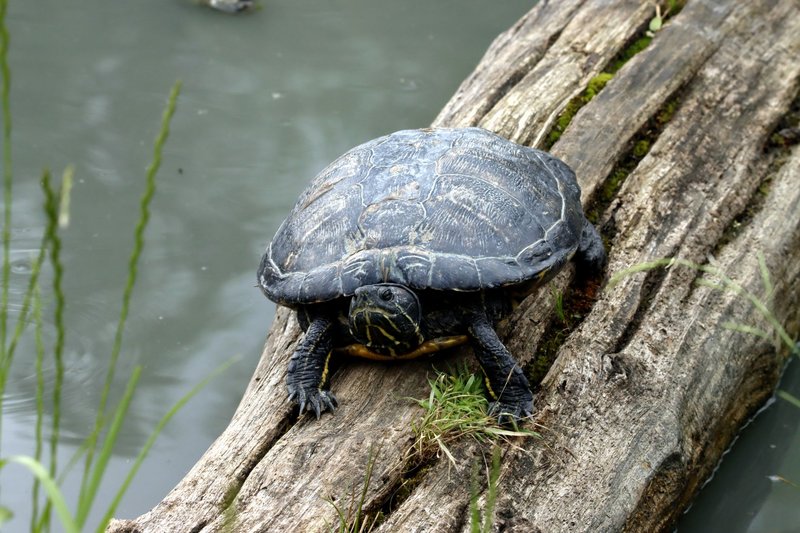
Timor Snake-Necked Turtle (Chelodina mccordi timorensis)
Status: Critically Endangered (related species)
This is a freshwater turtle with a neck nearly as long as its shell, which it folds sideways under its body rather than pulling straight back. The snake-necked turtles of the region were hammered by the international pet trade — collectors prized them precisely because they’re so strange-looking. The Timor population is poorly studied and survives in scattered wetlands and slow streams, the kind of swampy, slow-water habitat that harbors some of the world’s rarest animals and gets drained or polluted without anyone noticing. Its rarity is part of the danger: when a species is already down to a few isolated pockets, a single bad year can erase one.
Saltwater Crocodile (Crocodylus porosus)
Status: Least Concern globally, but culturally and locally significant
The saltwater croc isn’t endangered worldwide, but it earns a mention because of its peculiar standing in Timor-Leste. National legend holds that the island itself was formed from a giant crocodile — Lafaek, the grandfather croc — so the animal is protected by deep cultural reverence rather than by red-list status. That reverence matters for conservation: a species people consider an ancestor doesn’t get casually exterminated. It’s a reminder that protection isn’t always about laws.
Why Timor-Leste’s Wildlife Is Disappearing
The species above face different specific threats, but step back and the same few forces drive almost all of it.
Slash-and-burn farming. Across the country, forest is cleared and burned to open ground for crops — a practice known locally as lere rai. It’s a livelihood strategy in a nation where most people farm, but it eats into the dry forest that birds and reptiles depend on, and it doesn’t grow back the same.
Soil erosion and deforestation. Timor-Leste has steep terrain and a punishing wet-dry monsoon. Strip the trees and the rains wash the topsoil straight into the rivers and reefs. The Food and Agriculture Organization has flagged the country among those with significant forest loss, and that erosion smothers the coral and seagrass that the marine species need.
The pet and curio trade. This is the cockatoo’s story and the snake-necked turtle’s story. Trapping birds and collecting reptiles for sale — locally and internationally — pulls animals straight out of populations that are already small. Even a “sustainable-looking” trickle of trapping can sink an endemic species with nowhere else to live.
Bycatch and overfishing. Turtles and dugongs drown in nets set for other catch, and reef fish stocks get squeezed by a growing coastal population that depends on the sea for protein.
What’s Being Done — and How to Help
It’s not all loss. Atauro Island has become a model for community-managed marine areas, where local villages set aside no-take zones and have watched fish — and tourism income — come back. The country’s first national park, Nino Konis Santana National Park, protects a stretch of forest and coast in the east that shelters cockatoos, endemic birds, and turtle nesting beaches in one connected landscape.
For the cockatoo specifically, easing the trapping pressure has been the single most effective move. Where trade enforcement and local awareness have improved, flocks have stabilized.
If you’re visiting and want your trip to help rather than hurt:
- Choose community-run dive and snorkel operators, especially around Atauro, where fees often fund the marine protected areas directly.
- Never buy wildlife products — no tortoiseshell, no live birds, no reptiles. The trade only exists because tourists keep buying.
- Hire local birding guides. Endemic-bird tourism puts a living value on keeping the forest standing, which is the most durable protection there is.
- Support conservation groups working in Wallacea, like BirdLife International and local Timorese NGOs, that fund the on-the-ground monitoring these species need.
The endangered species of Timor-Leste aren’t doomed — most are still here, still breeding, still hanging on in the right pockets of forest and reef. What they need is for the forest and reef to stay put. That part is still up for grabs.