Rhode Island’s mix of coastal estuaries, rivers, and remnant forests supports species you might not expect in such a small state. Conservation efforts and land-use changes have made tracking at-risk plants and animals especially important here, from freshwater mussels tucked into riverbeds to fish navigating tidal waterways.
There are 5 Endangered Species in Rhode Island, ranging from Dwarf wedgemussel to Shortnose sturgeon. For each entry you’ll find below the key details organized as Scientific name,Status (RI / Federal),Habitat & RI range so you can quickly see why each species is listed and where it occurs in the state — you’ll find below.
How can I help protect endangered species in Rhode Island?
Start locally: avoid disturbing shorelines and streambeds, follow boating and fishing regulations, and report unusual sightings to the Rhode Island Department of Environmental Management (DEM). Supporting habitat-restoration projects, volunteering with local conservation groups, and reducing runoff from your property also make a measurable difference.
Where can I verify official status and learn more about each species’ range?
Check state listings from RI DEM and federal listings via the U.S. Fish & Wildlife Service; both provide status updates and recovery plans. Regional resources like NatureServe or state natural heritage programs offer range maps and habitat details to help you interpret the entries below.
Endangered Species in Rhode Island
| Name | Scientific name | Status (RI / Federal) | Habitat & RI range |
|---|---|---|---|
| Roseate tern | Sterna dougallii | Endangered / Endangered | Coastal islands and beaches; nests on Block Island and Narragansett Bay |
| North Atlantic right whale | Eubalaena glacialis | None / Endangered | Offshore and bays; migrates through RI waters, sometimes near Narragansett |
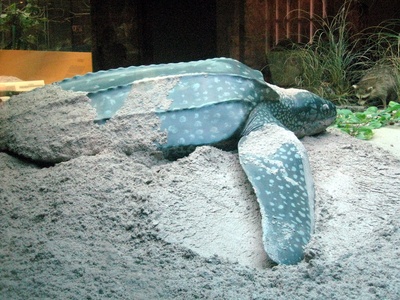
| Leatherback sea turtle | Dermochelys coriacea | None / Endangered | Open ocean and coastal waters; feeds in Narragansett Bay and offshore |
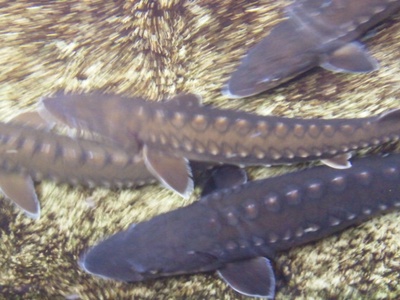
| Shortnose sturgeon | Acipenser brevirostrum | Endangered / Endangered | Rivers and estuaries; Narragansett Bay and tidal rivers like Pawcatuck |
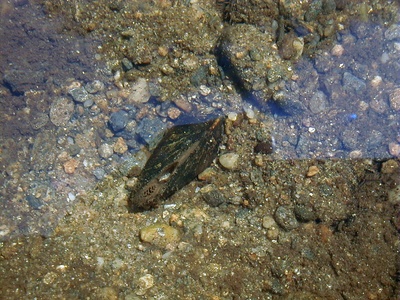
| Dwarf wedgemussel | Alasmidonta heterodon | Endangered / Endangered | Clean rivers and streams; Pawcatuck River system and scattered RI waterways |
Images and Descriptions
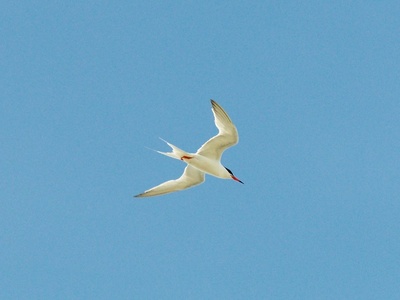
Roseate tern
A small, elegant tern that breeds on Rhode Island’s coastal islands (Block Island, inner bays). Populations declined from egg predation, habitat loss, and disturbance; predators, development, and sea-level rise threaten colonies. Local volunteers help protect nesting beaches each summer.
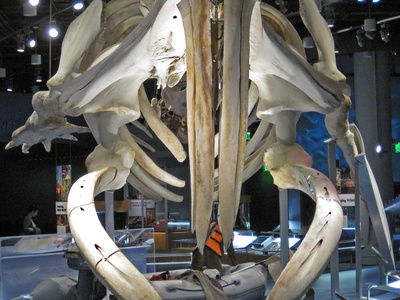
North Atlantic right whale
Massive baleen whale that migrates along Rhode Island’s coast and sometimes into Narragansett Bay. Critically endangered from ship strikes and entanglement in fishing gear; warming waters affect food supply. Seasonal speed restrictions and gear changes aim to reduce mortalities.
Leatherback sea turtle
The largest sea turtle, leatherbacks forage on jellyfish in Rhode Island’s coastal and offshore waters, occasionally entering Narragansett Bay. Federally endangered due to fisheries bycatch, marine debris ingestion, and warming oceans; beach protection and debris reduction help their conservation.
Shortnose sturgeon
A small, ancient sturgeon found in Rhode Island’s tidal rivers and estuaries (Narragansett Bay, Pawcatuck). Federally endangered from overfishing, dams blocking spawning migration, and habitat degradation. Restoring river connectivity and protecting spawning areas are key recovery actions.
Dwarf wedgemussel
Tiny freshwater mussel living in clean, slow-flowing Rhode Island rivers like the Pawcatuck. Federally endangered from water pollution, sedimentation, and dams; populations are fragmented. Conservation focuses on water-quality improvements and protecting river habitats to help mussel recovery.