Ethiopia’s varied landscapes — highlands, Rift Valley lakes, dry lowlands and montane forests — support a rich mix of wildlife shaped by elevation and climate. Local ecosystems host both widespread African species and animals found only in specific Ethiopian regions, offering a clear window into the country’s natural history.
There are 35 Ethiopia’s native animals, ranging from Abyssinian longclaw to Yellow‑throated seedeater. For each species the list below shows Scientific name, Endemic, Range / habitat so you can quickly see identification, whether it’s unique to Ethiopia, and where it lives — you’ll find these details below.
How were the species chosen for this list?
The list focuses on species naturally occurring in Ethiopia, prioritizing those commonly referenced in regional field guides and conservation sources; introduced or globally widespread species were generally excluded unless they have notable local populations.
Are these animals easy to observe in the wild and when is the best time to visit?
Observation depends on species and habitat: many montane and highland species are resident year‑round, while some birds show seasonal movements; plan visits by habitat (wetlands for waterbirds, highlands for endemics) and consult local guides for timing and access.
Ethiopia’s Native Animals
| Name | Scientific name | Endemic | Range / habitat |
|---|---|---|---|
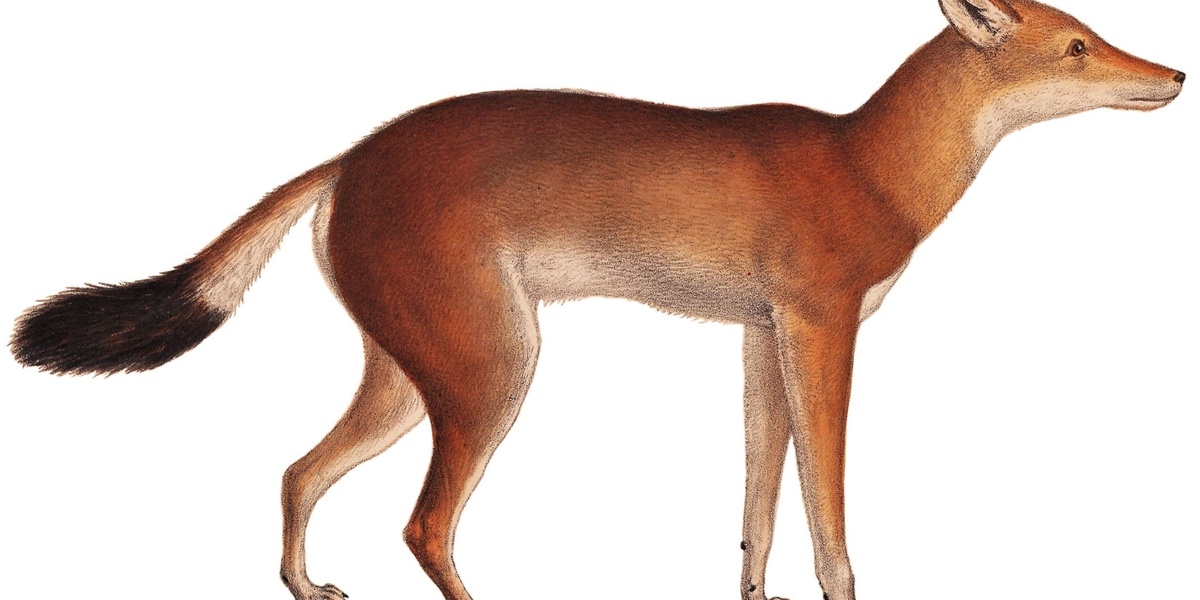
| Ethiopian wolf | Canis simensis | Yes | Bale and Simien Mountains: Afroalpine grasslands |
| Gelada | Theropithecus gelada | Yes | Northern and central highlands: rocky cliffs and grassland |
| Walia ibex | Capra walie | Yes | Simien Mountains: steep alpine cliffs |
| Mountain nyala | Tragelaphus buxtoni | Yes | Bale Mountains: montane grassland and shrubland |
| Bale monkey | Chlorocebus djamdjamensis | Yes | Bale Mountains: bamboo and montane forest |
| Ethiopian mole‑rat | Tachyoryctes macrocephalus | Yes | Bale Mountains: Afroalpine moorland and grassland |
| Ethiopian bush‑crow | Zavattariornis stresemanni | Yes | Southeast Ethiopia: Acacia savanna and towns |
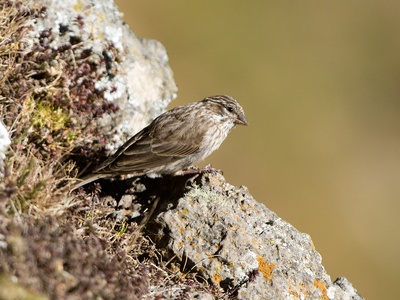
| Ankober serin | Crithagra ankoberensis | Yes | Central highlands: montane scrub and rocky slopes |
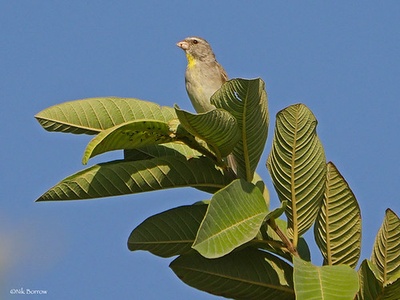
| Yellow‑throated seedeater | Crithagra flavigula | Yes | Ethiopian Highlands: montane grassland and wooded edges |
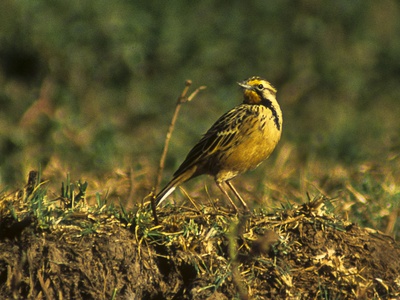
| Abyssinian longclaw | Macronyx flavicollis | Yes | Ethiopian Highlands: grasslands and moorland |
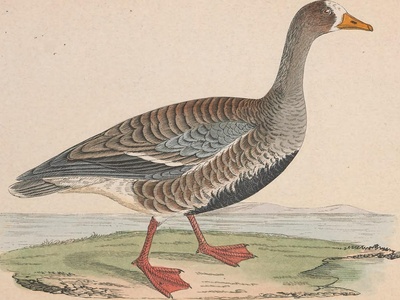
| Blue‑winged goose | Cyanochen cyanoptera | Yes | Highland wetlands and marshes: Bale and northern highlands |
| White‑tailed swallow | Hirundo megaensis | Yes | Southwest highlands: cliff faces and remote valleys |
| African elephant | Loxodonta africana | No | Lowland savanna and riverine woodlands |
| Lion | Panthera leo | No | Protected savannas and parks: grasslands and woodlands |
| Leopard | Panthera pardus | No | Mountains, forests and savannas: rocky and wooded areas |
| Cheetah | Acinonyx jubatus | No | Open plains and dry scrub: eastern and southern lowlands |
| Spotted hyena | Crocuta crocuta | No | Savannas and highlands: grasslands, edges and rocky areas |
| Striped hyena | Hyaena hyaena | No | Drylands and scrub: semi‑desert and rocky areas |
| African golden wolf | Canis lupaster | No | Drylands and savanna: scrub, woodland and farmland edges |
| Hamadryas baboon | Papio hamadryas | No | Northern Ethiopia: rocky escarpments and semi‑arid plains |
| Olive baboon | Papio anubis | No | Woodlands and savannas across Ethiopia |
| Gerenuk | Litocranius walleri | No | Arid bushland and scrub in eastern Ethiopia |
| Augur buzzard | Buteo augur | No | Highlands and open country: grassland and rocky slopes |
| Vulturine guineafowl | Acryllium vulturinum | No | Dry savanna and scrub: eastern and northern lowlands |
| Somali ostrich | Struthio molybdophanes | No | Dry plains and bushland in southeast Ethiopia |
| African fish eagle | Haliaeetus vocifer | No | Lakes and rivers, including Lake Tana |
| Bearded vulture (Lammergeier) | Gypaetus barbatus | No | High mountains: cliffs and alpine zones like Simien |
| Secretarybird | Sagittarius serpentarius | No | Open grasslands and savanna: dry plains and shrub |
| Hamerkop | Scopus umbretta | No | Wetlands, rivers and lakeshores across Ethiopia |
| Nile crocodile | Crocodylus niloticus | No | Rivers and lakes including the Blue Nile and Lake Tana |
| Nile monitor | Varanus niloticus | No | Riverbanks and wetlands: lowland watercourses |
| African rock python | Python sebae | No | Woodlands and riversides in lowland areas |
| Egyptian cobra | Naja haje | No | Savanna, drylands and agricultural areas |
| Common agama | Agama agama | No | Rocky outcrops and savannas across Ethiopia |
| Leptopelis tree frog | Leptopelis gramineus | No | Highland forests and grasslands: montane wetlands |
Images and Descriptions
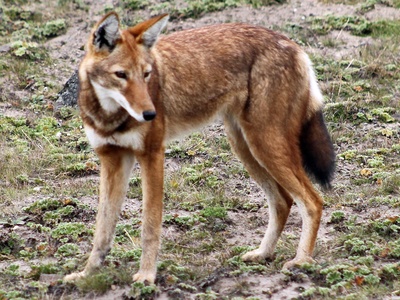
Ethiopian wolf
A rare highland specialist, the Ethiopian wolf hunts rodents in Afroalpine meadows. It’s the world’s most endangered canid and survives in fragmented mountain pockets, making it a flagship species for Ethiopian conservation.
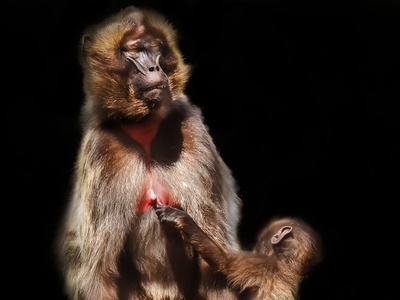
Gelada
Geladas are unique grass‑eating primates often seen in large, vocal troops on cliffs. Not a true baboon, they have a distinctive red chest patch and spend much of their day grazing on highland grasslands.
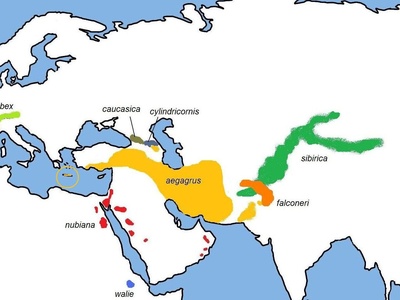
Walia ibex
The Walia ibex is a striking wild goat found only on Simien cliffs. Males have impressive curved horns; restricted range and poaching make it highly vulnerable and an iconic Simien species.
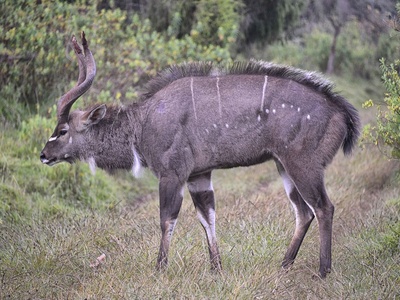
Mountain nyala
Mountain nyala is an endangered, large antelope endemic to the Bale Mountains. Shy and locally rare, it’s prized by conservationists and a symbol of Ethiopia’s unique montane fauna.
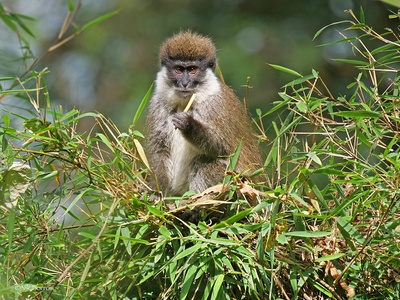
Bale monkey
This small monkey is mostly tied to bamboo forests in the Bale region and has a patchy distribution. It feeds heavily on bamboo and is vulnerable where forests are cleared.
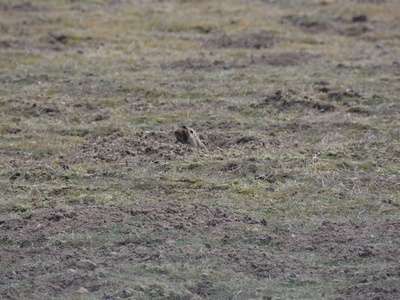
Ethiopian mole‑rat
A burrowing rodent found on high moorlands, the Ethiopian mole‑rat builds extensive tunnels and is an adapted alpine specialist, living where few other small mammals thrive.

Ethiopian bush‑crow
A quirky, crow‑like bird restricted to a small area in southeastern Ethiopia; it forages in groups and nests communally. Its tiny range makes it vulnerable but fascinating to birdwatchers.
Ankober serin
A small, streaked finch inhabiting rocky highland slopes near Ankober. Often seen in flocks, it’s prized by birders because of its limited highland range and attractive song.
Yellow‑throated seedeater
This chunky finch favors open highland grasslands and shrub edges. Its bright yellow throat stands out, and it’s one of several finches unique to Ethiopian uplands.
Abyssinian longclaw
A yellow‑throated, ground‑feeding bird of highland grasslands, the Abyssinian longclaw is closely tied to Afroalpine meadows and often found near grazing areas where it hunts insects.
Blue‑winged goose
A chunky, quiet waterfowl endemic to Ethiopian wetlands. It prefers highland marshes and is notable for its restricted range and shy, secretive behavior around lakes and ponds.
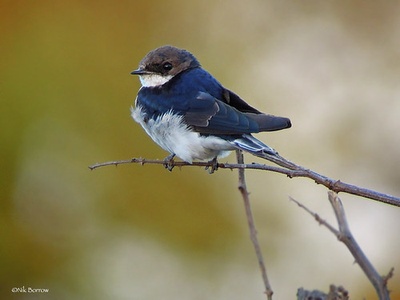
White‑tailed swallow
An endemic small swallow known from a very limited area; it nests in cliff cavities and is prized by birdwatchers because of its rarity and tight habitat preferences.
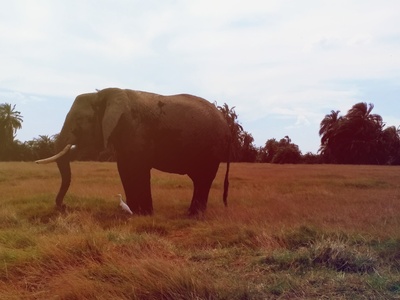
African elephant
Africa’s largest land mammal occurs in parts of Ethiopia’s lowlands and riverine forests. Elephants shape landscapes by knocking trees and are a major draw for wildlife tourism where populations persist.
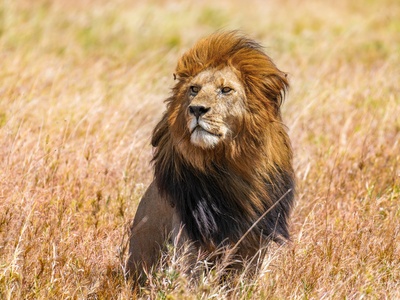
Lion
Lions occur in several Ethiopian reserves and are top predators of savanna ecosystems. Seeing pride behavior in the wild is memorable, though some populations are small and fragmented.
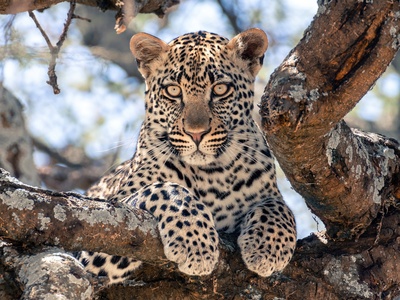
Leopard
Leopards are adaptable, solitary big cats found across Ethiopia in varied habitats. They’re elusive yet widespread, often using rugged terrain to ambush prey and avoid people.
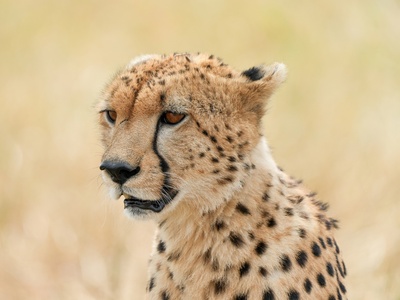
Cheetah
The swift, daytime hunting cheetah occurs in Ethiopia’s open lowlands. Speed specialists that prefer flat ground, their populations face pressure from habitat loss and conflict.
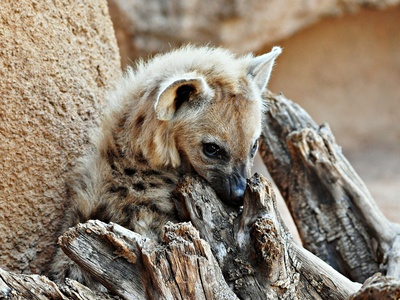
Spotted hyena
Spotted hyenas are common scavengers and capable hunters across Ethiopia. Noted for complex social clans and distinctive laughter‑like calls, they play a vital ecological role.
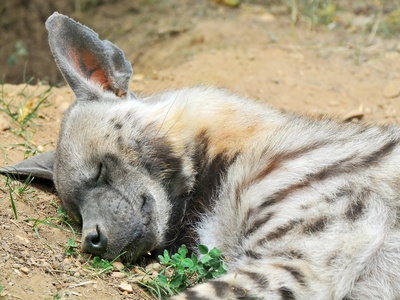
Striped hyena
A solitary, nocturnal scavenger of Ethiopia’s drier regions, the striped hyena feeds on carrion and small prey. It’s less social than the spotted hyena and often avoids people.
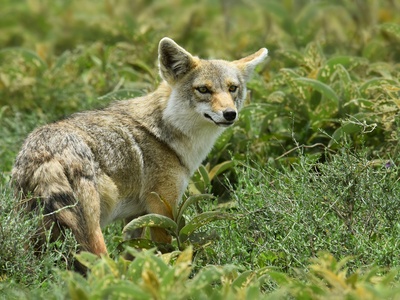
African golden wolf
Once thought to be jackals, these medium canids occupy varied habitats across Ethiopia. They’re adaptable omnivores that often live near people and livestock areas.
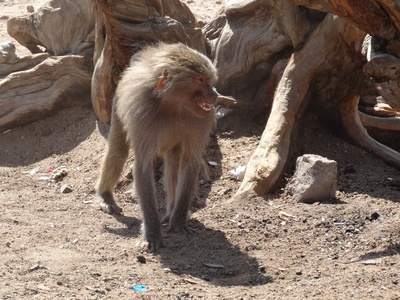
Hamadryas baboon
Hamadryas baboons form complex, multilevel societies and are famous for male herding behavior. They favor cliffs and open country and are prominent in northern regions.
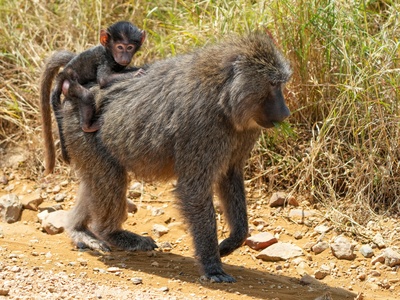
Olive baboon
A widespread, adaptable primate often seen in troops near water and farms. Olive baboons are omnivorous and bold, commonly observed at park edges and lowland habitats.
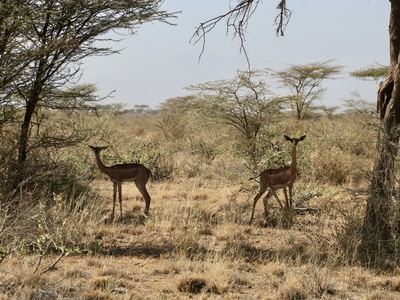
Gerenuk
The long‑necked gerenuk browses high on bushes, standing on its hind legs to reach foliage. Its strange posture and slender build make it easy to spot in dry shrublands.
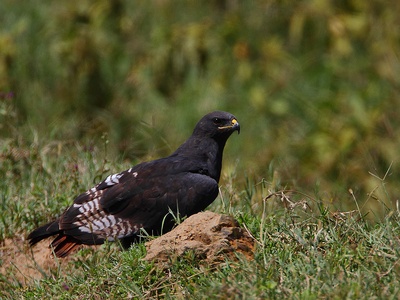
Augur buzzard
A common raptor of Ethiopian highlands, Augur buzzards perch conspicuously and hunt small mammals. Their dramatic aerial displays and dark plumage make them a familiar sight.
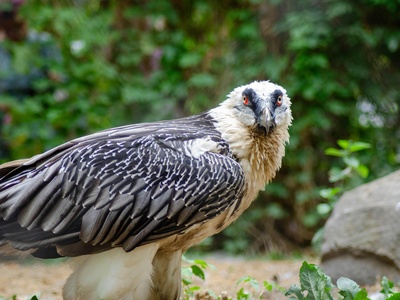
Vulturine guineafowl
This striking guinea fowl has blue plumage and a bare, vulture‑like neck. It forms social flocks in scrubby country and is notable for its dramatic appearance.
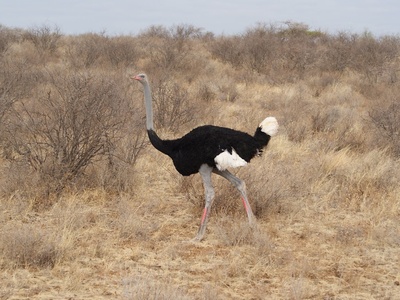
Somali ostrich
A large, flightless bird adapted to arid lands; the Somali ostrich differs from other ostriches in neck and feather coloration. It roams open plains in small groups.
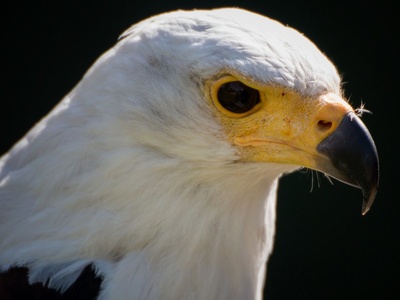
African fish eagle
A powerful, fish‑eating raptor whose loud, distinctive cry is synonymous with African waterways. It nests near water and watches for fish with impressive aerial agility.
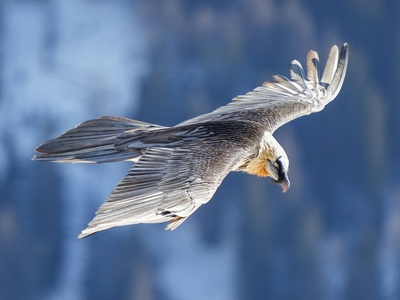
Bearded vulture (Lammergeier)
Bearded vultures feed mainly on bone marrow, dropping bones from heights to break them open. They frequent crags and are a spectacular sight in mountain gorges.
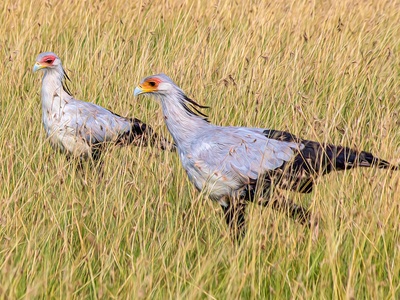
Secretarybird
An unusual long‑legged raptor that hunts on foot, the secretarybird stomps prey—especially snakes—on savanna plains. Its upright stance makes it unmistakable in open country.
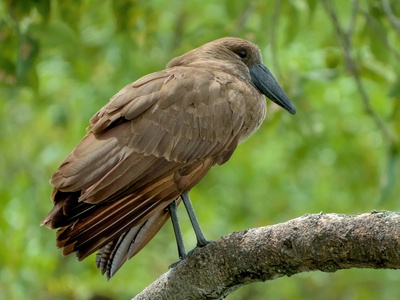
Hamerkop
A medium wading bird with a distinctive hammer‑shaped head crest, the hamerkop builds enormous nests and is commonly seen around wetlands and river edges.
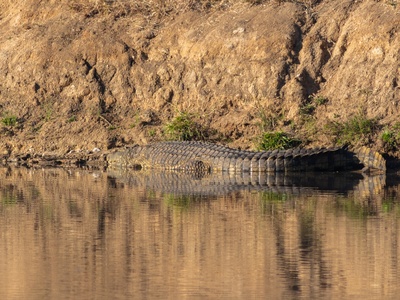
Nile crocodile
A powerful river predator found in Ethiopia’s larger waterways. Nile crocodiles ambush fish and mammals from the water’s edge and are important aquatic apex predators.
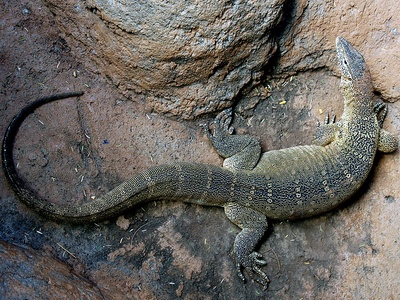
Nile monitor
Large, semi‑aquatic lizard often seen near rivers and lakes. Agile swimmers and opportunistic feeders, Nile monitors scavenge and hunt fish, birds and small mammals.
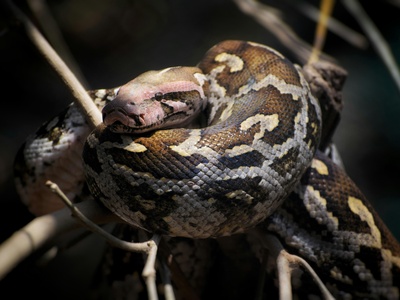
African rock python
One of Africa’s largest snakes, the African rock python inhabits riverine woodlands and hunts by constriction. They’re rarely seen but are impressive when encountered.
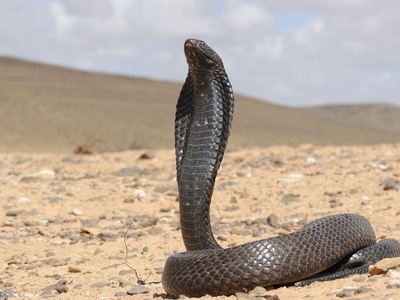
Egyptian cobra
A large venomous snake found in varied lowland habitats across Ethiopia. The Egyptian cobra is historically significant and should be treated with caution where it occurs.
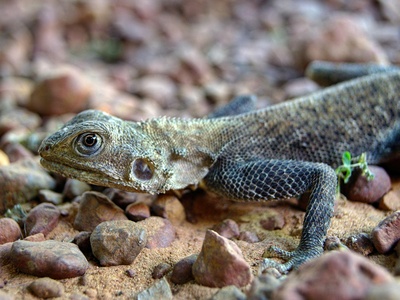
Common agama
A colorful, diurnal lizard often sunning on rocks and walls. Males display bright head and body colors during breeding season and are frequent in towns and countryside.
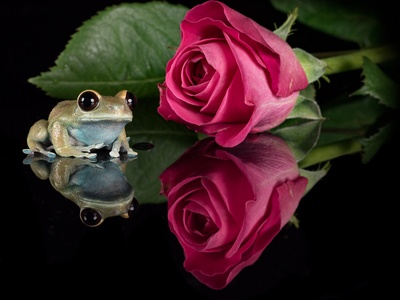
Leptopelis tree frog
A medium‑sized tree frog of Ethiopian highlands, often heard at night near streams. It’s an adaptable amphibian tied to moister montane habitats and breeding pools.